Horticulture Resources
-
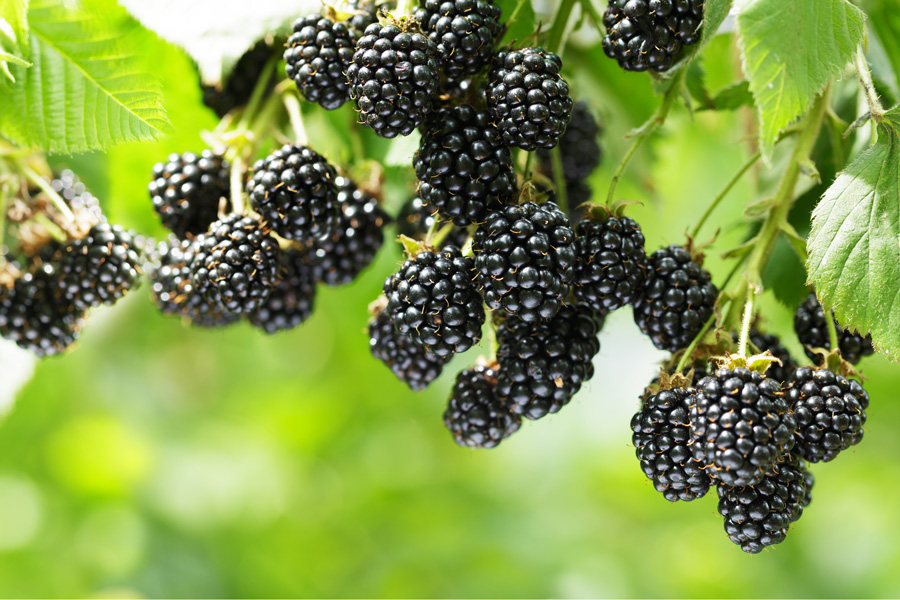
This resource covers basic harvesting, postharvest handling, and cold storage principles for fresh-market blackberries to ensure the highest possible shelf-life and quality while minimizing postharvest losses. Blackberries are harvested in Georgia from mid-May to August, and they are a highly perishable fruit.
|
-
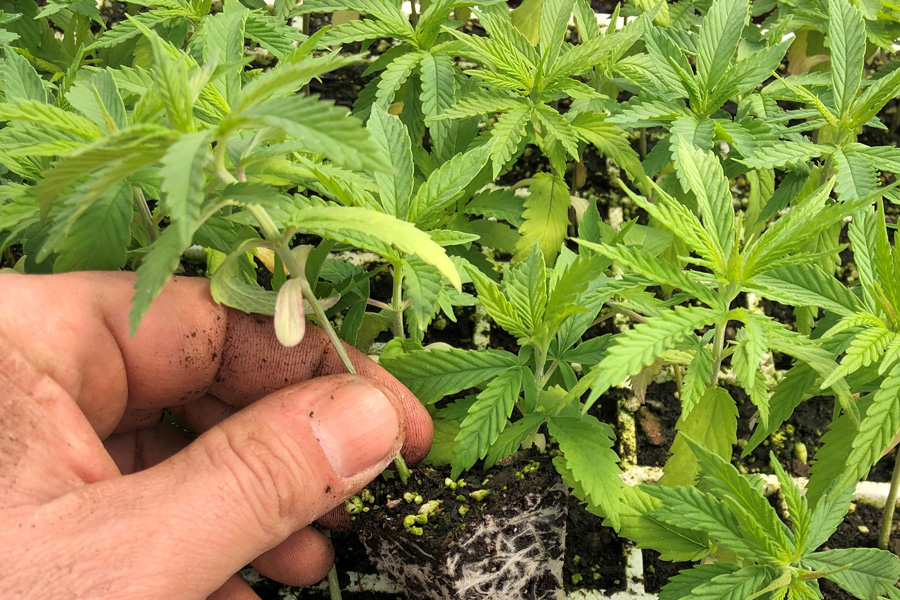
With the passage of the 2018 Agriculture Improvement Act, the federal government removed industrial hemp from the list of Schedule I drugs and opened up opportunities for farmers to produce this once widely grown crop. Although the brief guide that follows is not exhaustive, it is meant to provide basic information for growers who are considering hemp production of floral materials meant for the cannabinoid market. Cannabinoids may include CBD, CBG, etc. Due to the changes in rules and regulations that are likely to occur, we recommend readers look to the Georgia Department of Agriculture and the USDA for any clarification or questions they may have regarding the regulation of hemp production in Georgia.
|
-

We can positively affect pollinator populations in our region by providing plants that help sustain them. Pollinators face the increasing challenges of habitat loss, parasite and disease pressure, and the unintended consequences of pesticide misuse. Bee forage plants can bloom season-long with careful plant selection appropriate to the region. A combination of herbaceous perennial and annual plants, trees, and shrubs can provide valuable resources to bees and other pollinators. Even grasses can be used by bees as a pollen source, while crape myrtles can provide a later season resource for pollinators. Anyone—from individual home gardeners to commercial and agricultural property managers—can promote pollinator health by selecting and planting appropriate plants. This guide provides options for selecting flowering woody plants that are attractive to bees and butterflies and sometimes have additional wildlife benefits.
|
-

Note: This publication contains data from an average of the 2020-21 and 2021-22 orange harvest seasons (exceptions noted in the chart). The commercial citrus industry in Georgia has only recently been established, with most groves planted after 2014. As of 2022, approximately 75% of the 3,300 acres of citrus planted in Georgia are satsumas, but that proportion is trending downward. To strengthen the new Georgia citrus industry, growers recently have begun to diversify their citrus varieties. Research is being conducted to determine how these varieties will perform under Georgia weather and soil conditions: which varieties can best tolerate Georgia’s winter weather, and what are the cultural norms such as maturation time, fruit quality, and insect and disease tolerance. This publication is associated with Circular 1275, the initial publication containing reference photos for the varieties tested.
|
-

B 1357
Growing Bamboo in Georgia
This resource provides a simple, user-friendly guide on growing bamboo in Georgia, a state that has a wide variety of soils and temperate zones.
|
-

B 737
Growing Ferns
This publication discusses everything you need to know about ferns: life span, growing, watering, potting, needs, and varieties.
|
-

B 790
Geraniums
Geraniums are among the most popular flowering plants grown in the United States. They are easy to grow and can be used in many types of gardens, such as ground beds, planter boxes, hanging baskets and pots. They are ideal for flanking entrance-ways and adding color to border plantings. This publication explains everything you need to know about growing geraniums.
|
-
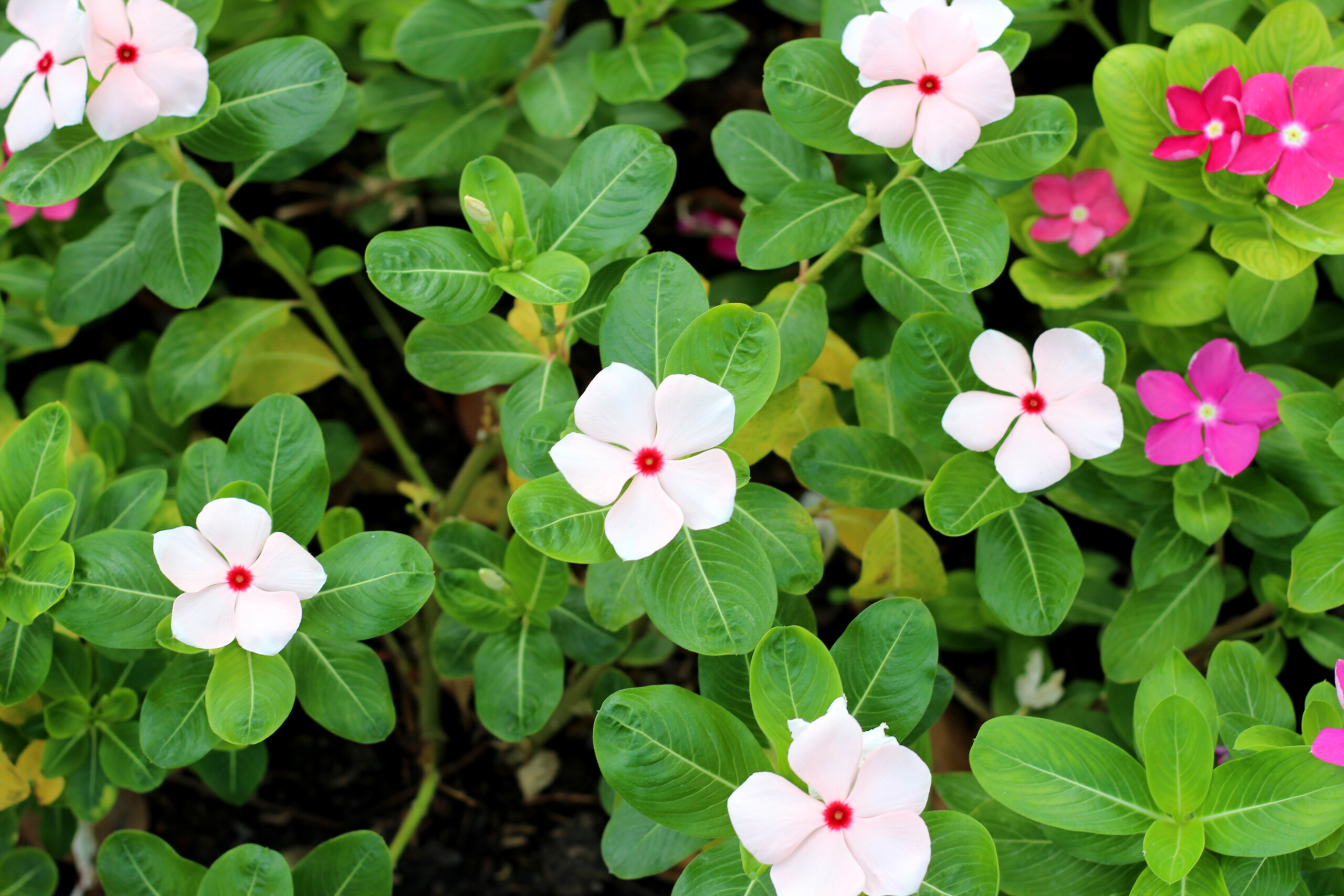
Vinca is a specialty ornamental crop with very distinct requirements. This bulletin will address those requirements and cover a typical production schedule and crop budget.
|
-
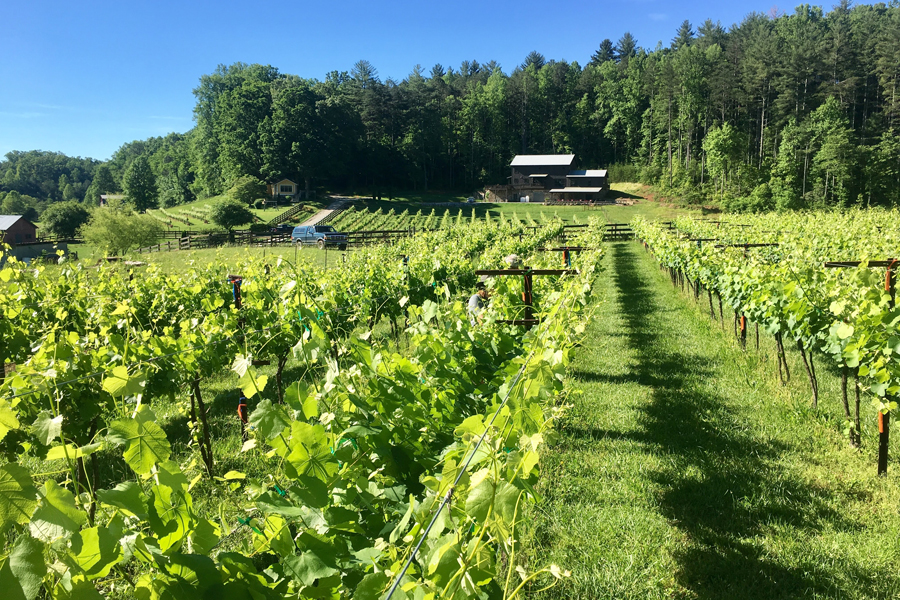
The Athena bunch wine grape training system was developed by the University of Georgia to increase crop yield in modest-yielding cultivars. The Athena is a divided-canopy system retrofit to the industry standard single-canopy trellising system with vertical shoot positioning. Athena training involves laying four canes and dividing the canopy through a series of cross arms fastened to the vineyard posts in a V-shape. The goal of this publication is to educate new growers, seasoned industry members, and Extension agents on the Athena training system for bunch wine grapes.
|