Horticulture Resources
-
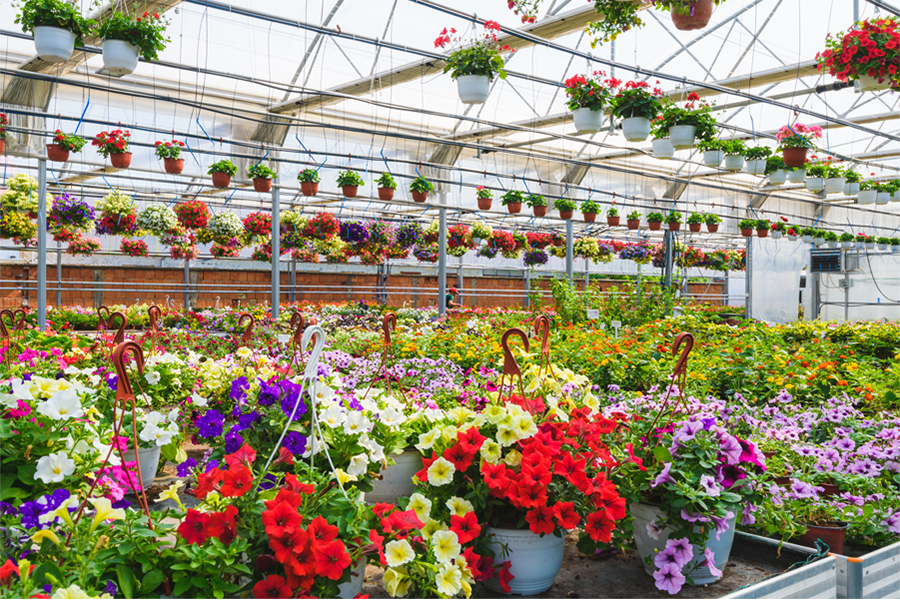
Georgia’s nurseries, greenhouses and turfgrass businesses are major contributors to Georgia’s growing economy, to the beauty of Georgia homes and businesses, and to a better quality of life. When used appropriately, the products and services provided by these businesses enhance the environment of their customers. Thus, it only makes sense that these businesses should use management practices that are not damaging to natural resources and the environment. This publication is one tool that green industry companies can use to evaluate their management practices and design strategies for environmental compliance and pollution prevention.
|
-
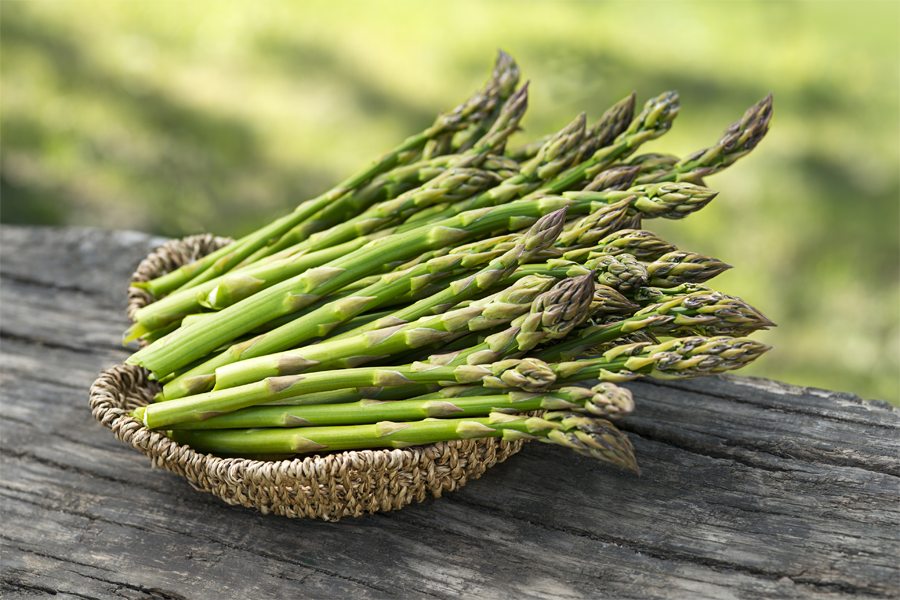
C 1026
Home Garden Asparagus
For gardeners who are willing to put in a little effort and have some patience, asparagus can be a rewarding and delicious vegetable to grow. This publication explains how to grow asparagus in a home vegetable garden.
|
-
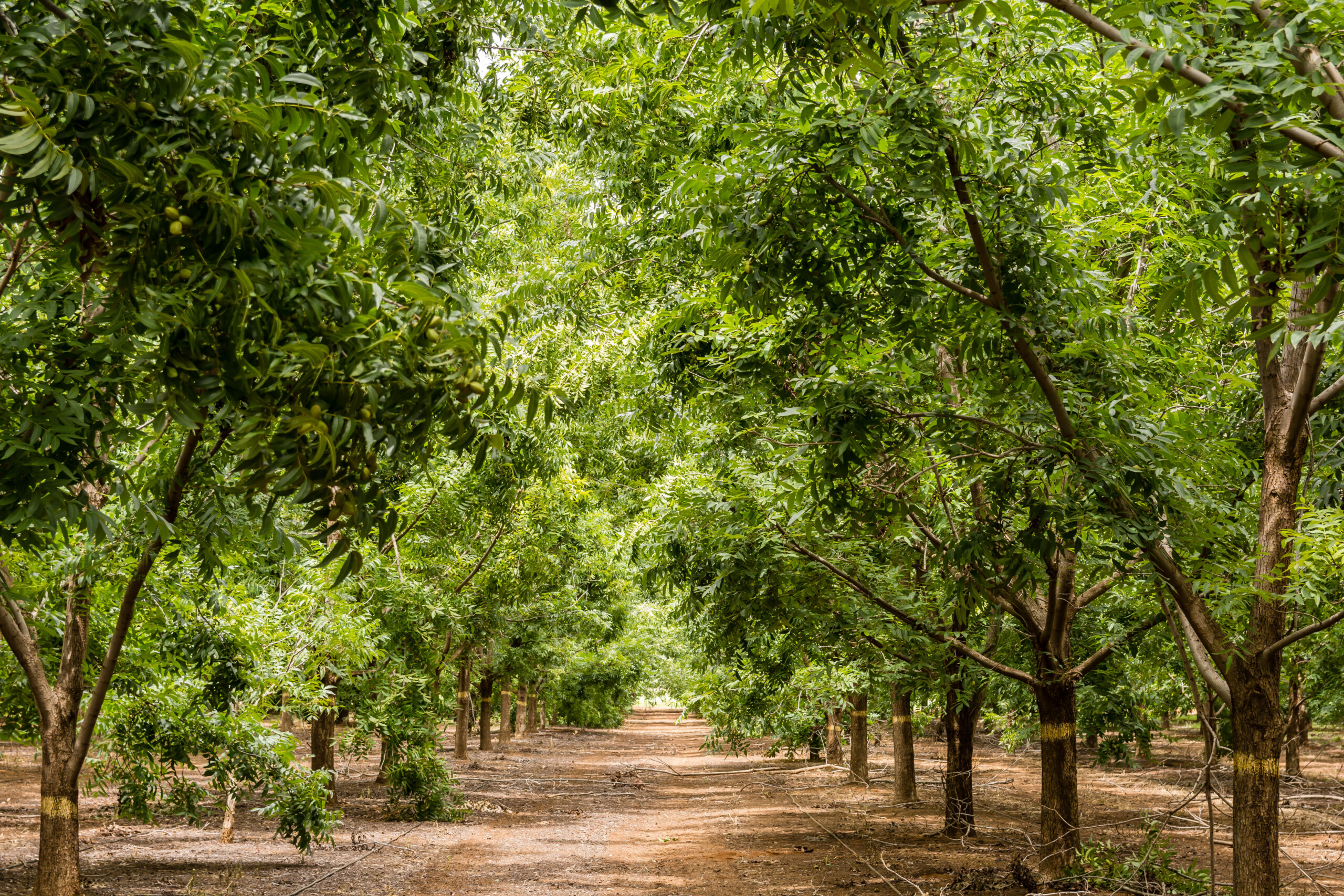
As pecan trees grow in an orchard, their tree canopies encroach upon one another, causing excessive shading, which can increase alternate bearing intensity and reduce tree health and orchard profitability. The southeastern U.S. is a relatively low-light environment, exhibiting significant cloud cover and atmospheric water vapor throughout the growing season, which can further limit sunlight in orchard systems. Mechanical hedge pruning offers a solution to this problem, which can also help minimize issues related to pecan scab, hurricanes/tropical storms, and alternate bearing.
|
-

Learn about irrigation scheduling methods for commercial vegetable production in Georgia through this video resource.
|
-
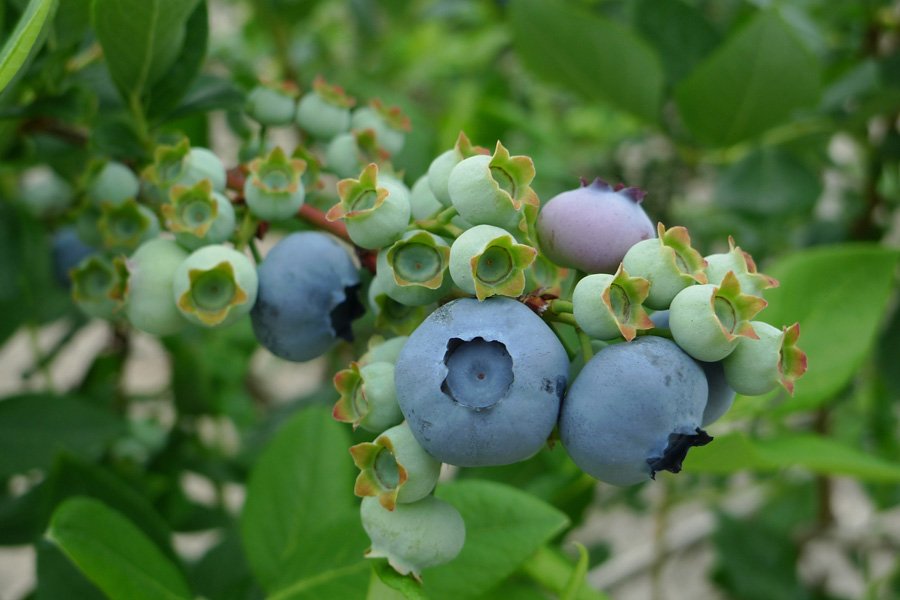
C 1278
Blueberry Production
This publication covers a brief history of the development of blueberries, plus general production requirements such as varieties, chill hours, soil considerations, etc. The southern highbush blueberry is a hybrid that requires fewer chill units compared to northern highbush types, allowing the state of Florida, southern areas, and Georgia to produce fruits in the U.S. market during March, April, and May. The development of southern highbush also has allowed the production of blueberries in countries such as Mexico and Peru.
|
-
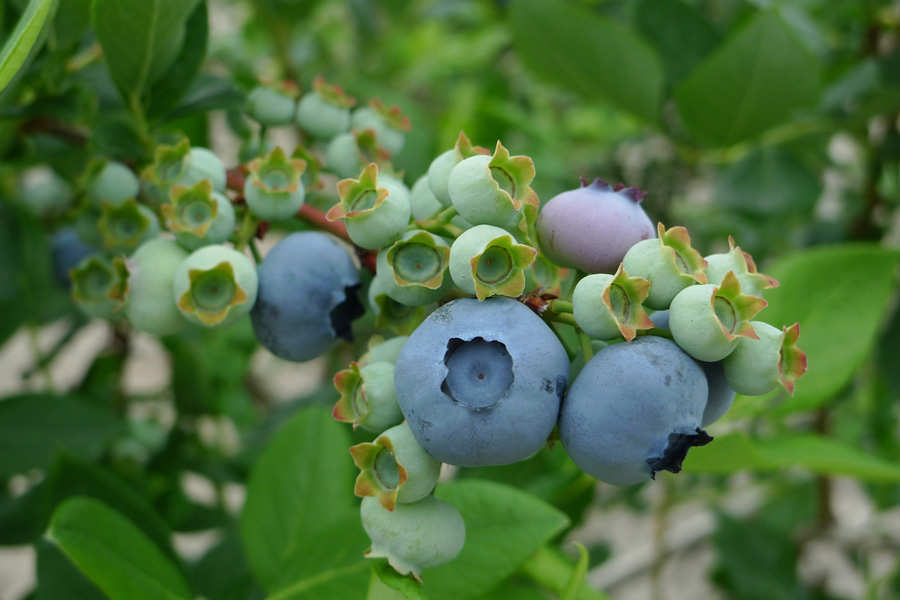
C 1278-SP
Los Arándanos y Su Producción
El arándano alto del sur, es un híbrido que requiere pocas horas de frio—una aproximación de cuantas horas la planta requiere estar expuesta a temperaturas de entre 32 a 45 °F para romper la dormancia y empezar iniciación floral—comparado con el arándano alto del norte. Por lo que permite al estado de Florida y áreas del Sur de Georgia posicionarse en el mercado estadounidense en los meses de Marzo, Abril y Mayo, y es el que ha permitido la producción de arándanos para exportación en países como México y Perú.
|
-

This is an annual report highlighting research conducted during 2021 and 2022 for Vidalia onions. Research topics include: variety trials, irrigation and fertilizer strategies, sulfur content in soils, effect of fertilizers on yield, thrips, factors affecting postharvest incidence of bacterial bulb rot, and Botrytis leaf blight.
|
-
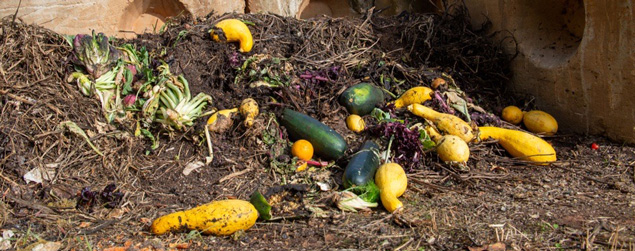
Whether from a local store, regional supplier, or another farmer down the road, understanding where your soil amendments come from and how they were handled prior to reaching your farm or garden is necessary to ensure you are sourcing the highest quality product with the lowest amount of risk.
|
-
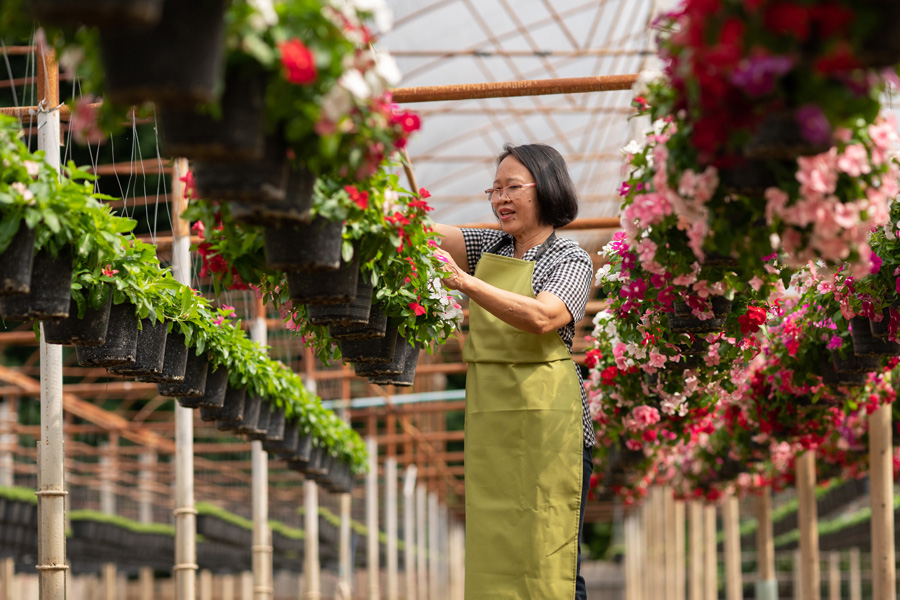
The idea of producing your own food in a clean, controlled environment is very appealing. While dreams may be big, careful research and planning should be done prior to jumping into any farm venture. Important items such as desire, capital, feasibility, labor, demographics, and marketing all need to be considered.
|