Horticulture Resources
-

In this video, you will learn how to judge the optimum maturity of strawberries for harvest and how to identify the main quality attributes that are important for maximum postharvest shelf life.
|
-
Additional author: Mengmeng Gu, Professor, Colorado State University Department of Horticulture and Landscape Architecture.
Biochar has been proposed to be beneficial to the environment and plants. However, many people do not know what biochar is, what can biochar do, or how biochar can be used. In Part 1 of this publication, we provide introductory information on biochar used to partially replace peat moss as a container substrate component.
The International Biochar Initiative defines biochar as a solid material obtained from the carbonization of biomass, which may be added to soil to improve soil functions and reduce emissions from biomass that would otherwise naturally degrade to a greenhouse gas. Other researchers define biochar as a multifunctional material related to carbon sequestration, greenhouse gas reduction, soil contaminant immobilization, soil fertilization, and water filtration.
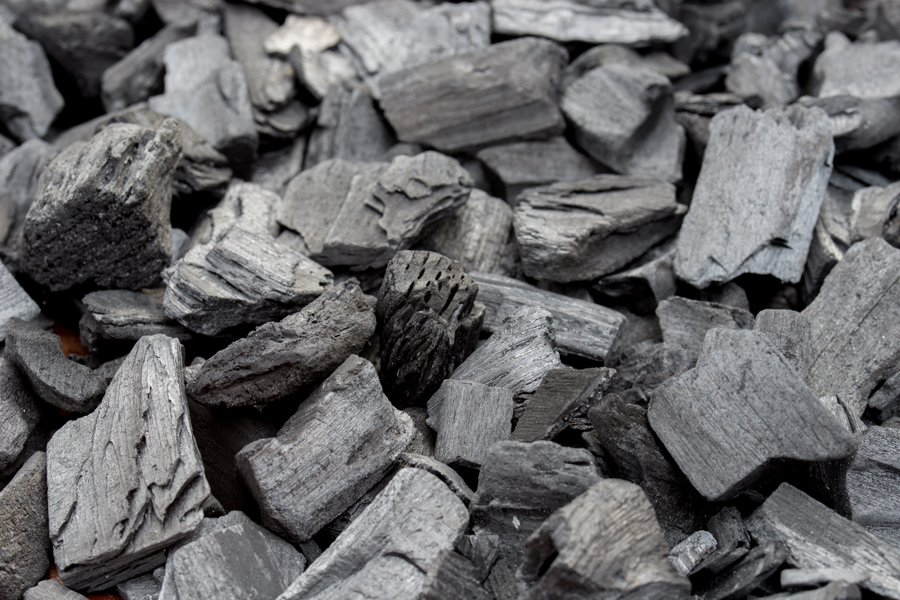
To simplify things, we’ll adopt the most popular definition: biochar is a black, carbon-enriched solid with a porous structure, mainly used in agriculture and environmental industries. Biochar is normally made from the thermal decomposition of biomass materials at high temperatures (570–2200 °F) in a low-oxygen or no-oxygen environment (this process is also known as pyrolysis). Biochar can be produced from pyrolysis of different materials such as pine bark, sugarcane bagasse, rice hull, and straw.|
-
C 1292-02
Biochar Basics: Effects on Plant Growth
Additional author: Mengmeng Gu, Professor, Colorado State University Department of Horticulture and Landscape Architecture.
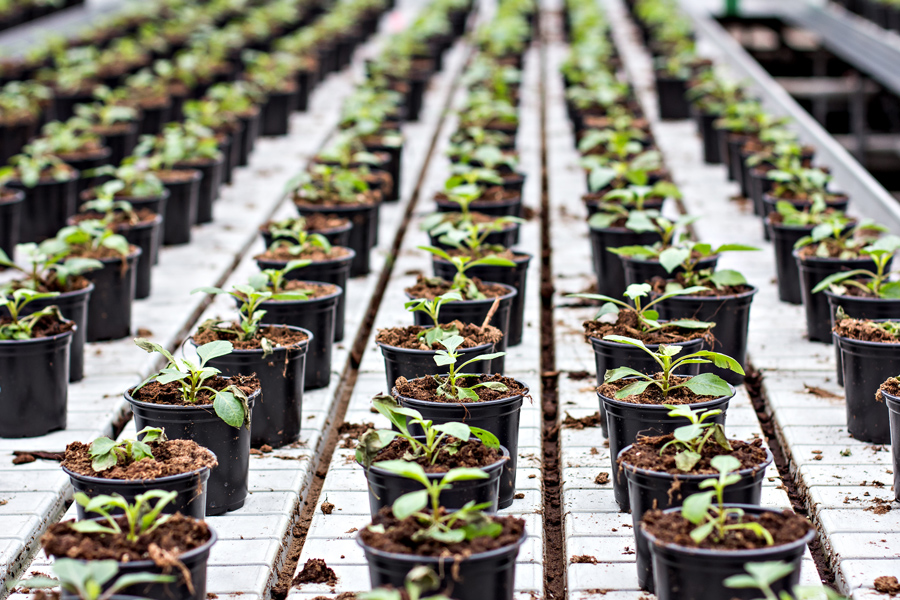
Is Biochar Good or Bad for Plant Growth? Mixing biochar into soilless substrates may have negative, zero, or positive effects on plant growth.
Biochar made from green waste mixed with peat at 50% by volume has been shown to increase prayer plants’ total biomass and leaf surface. Adding 10% by volume of sewage sludge biochar with peat-based substrates can increase lettuce biomass by 184%–270%. Mixing pruning-waste biochar with peat-based substrates at 50% or 75% by volume can also increase lettuce biomass. Mixing 20% or 35% (weight per weight) of coir biochar with 0.5% or 0.7% humic acid into a composted green-waste medium showed increased biomass of rattlesnake plants compared to those without biochar and humic acid amendments.
Mixed hardwood biochar (50% by volume) and sugarcane bagasse biochar at 50% or 70% with a bark-based substrate increased basil plants’ average root diameter. Mixed hardwood biochar at 20%–80% by volume increased photosynthesis, shoot fresh weight, and shoot dry weight of chocolate mint, peppermint, Kentucky Colonel mint, spearmint, and orange mint plants. Also, pinewood biochar mixed with pine bark increased chrysanthemum shoot fresh and dry weights.
Biochar may also have adverse effects on plant growth. For example, we tested one type of biochar with high salinity; plants grown in the biochar mixes wilted within 30 min. When plants do not have enough water to dissolve the extra salts, they die.|
-
C 1292-03
Biochar Basics: Effects on Plant Disease
Additional author: Mengmeng Gu, Professor, Colorado State University Department of Horticulture and Landscape Architecture.
How does biochar play a role in a plant-disease system? Briefly, before the pathogen infects plants, biochar can improve plant growth by increasing water and nutrient uptake, a healthier plant may be more resistant to attack. On the other hand, after a pathogen infects the plants, biochar could absorb the toxins, enzymes, and other compounds produced by pathogens.
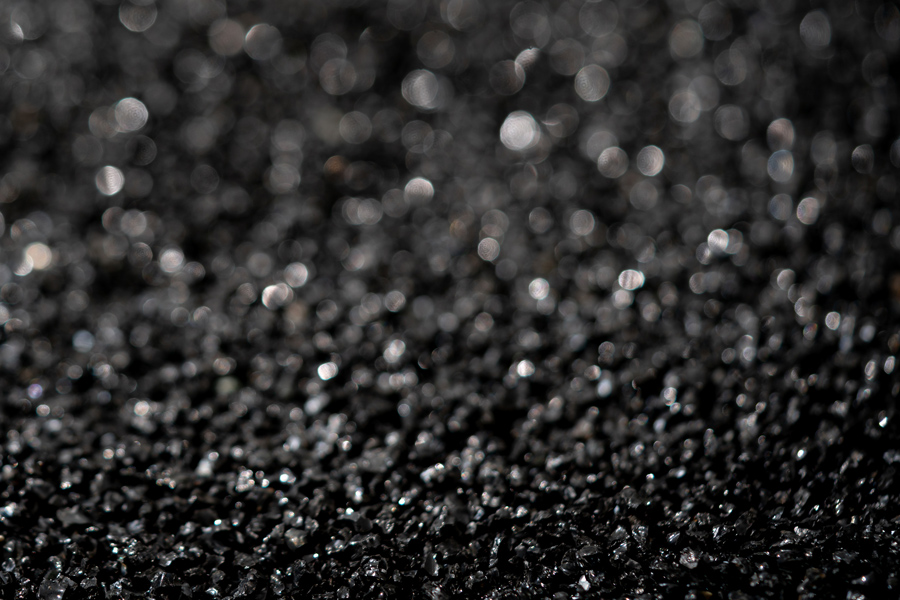
Certain types of biochar could contain chemical compounds which is bad for pathogen growth. When incorporating this biochar into the substrate, the growth environment may become toxic to pathogens, so they cannot grow well enough to attack plants. For instance, eucalyptus biochar water extracts were found to inhibit Pythium growth in a lab setting. This finding indicates that substrate containing certain chemical extracts may impede plant infection by inhibiting the growth of Pythium (Bonanomi et al., 2015). After a pathogen infects a plant, biochar’s porous structure can absorb the toxins, enzymes, and other compounds produced by pathogens. Many types of biochar can improve plant growth, making the host plant stronger to fight against pathogens, thus reducing disease occurrence.|
-
Additional author: Mengmeng Gu, Professor, Colorado State University Department of Horticulture and Landscape Architecture.
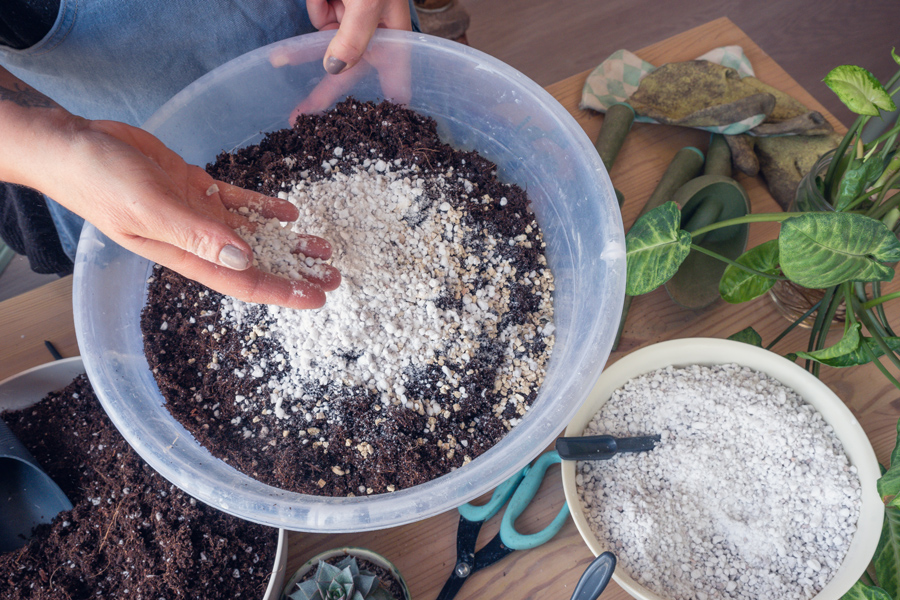
Container substrates must fulfill several functions for plant growth: create a suitable environment for root growth, physically support them, hold nutrients and water, and enable gas exchange between the roots and the atmosphere. Suitable physical and chemical container substrates’ properties facilitate these functions.
The physical properties of container substrates include air space (%), container capacity (%), total porosity (%), bulk density (g/cm3), and water holding capacity. Air space measures the proportion of air-filled large pores (macrospores) after drainage. Air space influences gas exchange and water holding capacity. Container capacity measures the maximum percentage volume of water a substrate can hold after drainage. Total porosity equals container capacity plus air space, and it measures the substrate volume that holds water and air. Bulk density measures how much one unit of the substrate weighs. Water holding capacity measures the container substrate’s ability to physically hold water against gravity; its maximum value equals container capacity.
Biochar can be derived from various feedstocks, processed under different pyrolysis temperatures, and subjected to various pre- or posttreatments, which can lead to dissimilar physical properties that affect the container substrate’s physical properties. Adding biochar may affect air space, container capacity, total porosity, and bulk density with variable effects. For instance, substituting peat moss with 50% green waste biochar (by volume) did not affect total porosity and container capacity, but significantly decreased air space, which was still in the optimal range (15%–30%) for container substrates. Similarly, a peat-moss-based substrate’s total porosity decreased with the increased addition of pelleted biochar. However, adding deinking sludge biochar increased the total porosity and air space of the container substrate.|
-
C 1300-02
Cross-Contamination
Cross-contamination, resulting in foodborne pathogen contamination of small fruits, can occur at any point throughout production and post-harvest handling. This video discusses techniques and best practices for growers and packers to ensure the production of safe, high-quality small fruits. This video was produced in collaboration with the Auburn Department of Horticulture.
|
-
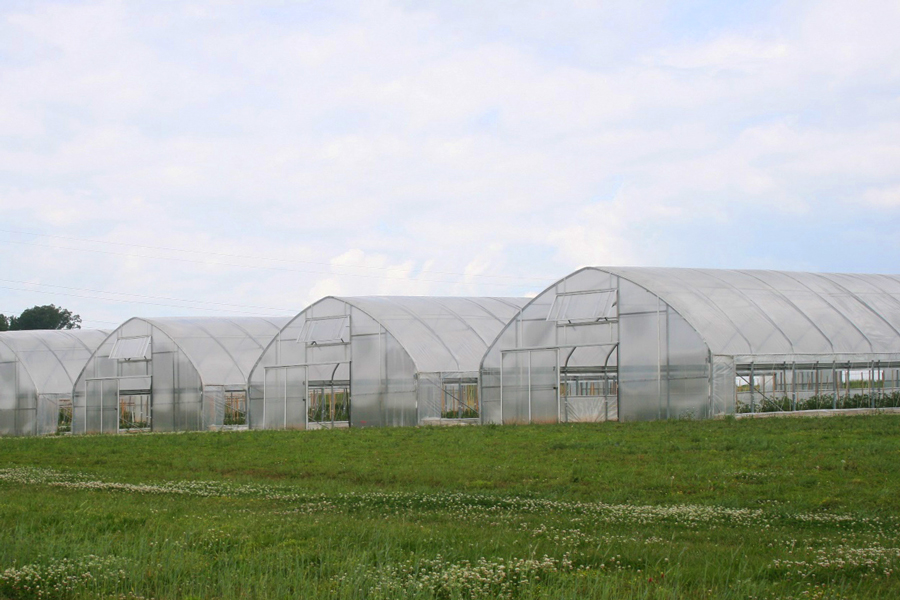
This resource is an introduction to high tunnel production that focuses on horticulture aspects of organic tomato production. Diseases and insect pests are not covered, but high tunnel construction, siting, shading, fertility, and irrigation of organic tomatoes are addressed.
|
-

Subsurface drip irrigation is the practice of installing drip irrigation below the ground surface. This publication is designed to provide a brief introduction to the site selection, design, installation, and management of subsurface drip irrigation.
|
-

This report provides research and extension results for trials conducted by the University of Georgia Vegetable Team and its collaborators in 2023. Contributing authors include county and regional faculty as well as specialists from UGA’s horticulture, plant pathology, crop and soil sciences, and entomology departments. All research has been supported by the Georgia Commodity Commission for Vegetables.
|