Irrigation Resources
-

With growing demands for potable (suitable for drinking) water (due to population increase) and expanding irrigated acreage, there is an increased pressure on irrigated farms to consider using nonpotable alternatives. However, low quality irrigation water can adversely affect soil physical conditions and crop production.
This publication provides in-depth information on the following aspects of agricultural irrigation water quality:
-Importance of irrigation water quality
-Major attributes of irrigation water quality
-Common units used
-Salts content
-Toxicity and their sources
-Bacteria in water sources|
-

The main objective of this fact sheet is to provide a checklist of what is needed to properly prepare a center pivot or lateral irrigation system for the production season. All of the topics covered apply to both pivot and lateral irrigation systems, but for brevity, only center pivots will be referenced. By using the items in this fact sheet as a guideline for preventative maintenance, most breakdowns during the growing season should be avoided.
|
-
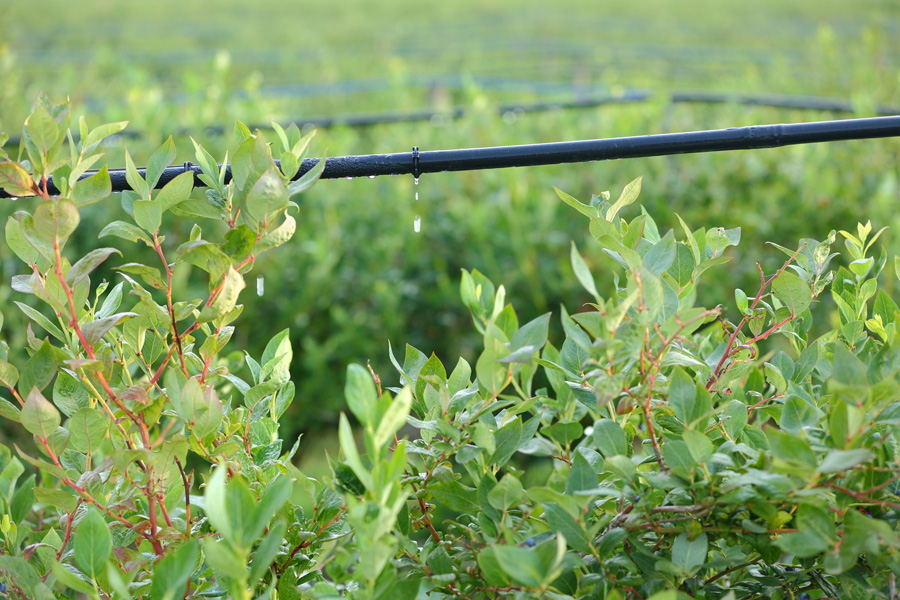
This circular is a review of water quality standards, calculations, and recommendations for water that will be used for irrigation of blueberries.
|
-
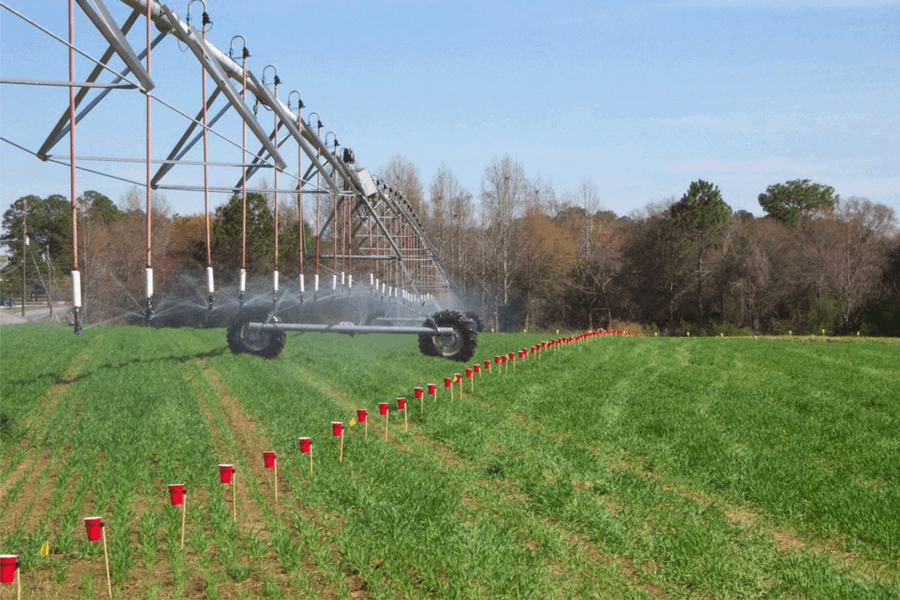
With rising fuel prices it is increasingly important that irrigation systems apply water uniformly in order to achieve maximum benefit from the water applied. The uniformity of water application under a center pivot is determined by setting out cans or rain gauges along the length of the pivot, bringing the irrigation system up to proper operating pressure, and letting the system pass over them.
|
-

C 1027-12
Irrigation
This publication describes irrigation methods suitable for community or school gardens, including overhead sprinklers, hand watering and drip irrigation.
|
-
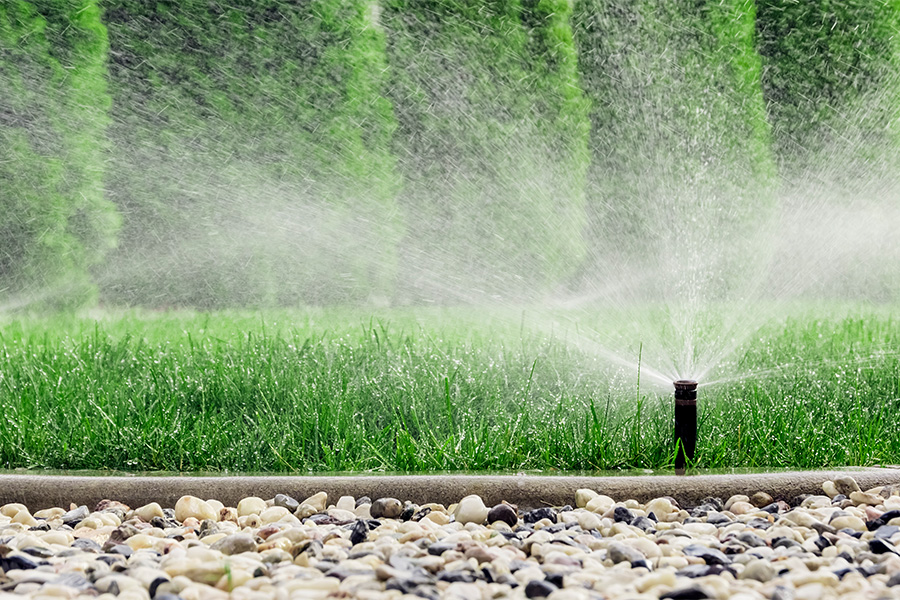
Selecting a qualified irrigation contractor is very important. There are many irrigation products available and the installation process requires skill, knowledge and equipment. This publication outlines general considerations for purchasers of a landscape irrigation system. It also underscores the importance of considering the cost of water when selecting a contractor and protecting desirable trees during the installation process.
|
-

Frost protection systems tremendously benefit commercial blueberry production in Georgia. These systems are expensive and usually configured as overhead irrigation systems. For the system to provide protection, it must operate as soon as it’s needed. The best practice for maintaining a frost protection system is to perform preventative maintenance service every late fall or early winter. This publication offers blueberry growers suggestions on how to prepare their frost protection systems for future operation. Recommendations include a check-off list for maintenance and inspection of overhead irrigation systems, important considerations when preparing for freeze events.
|
-
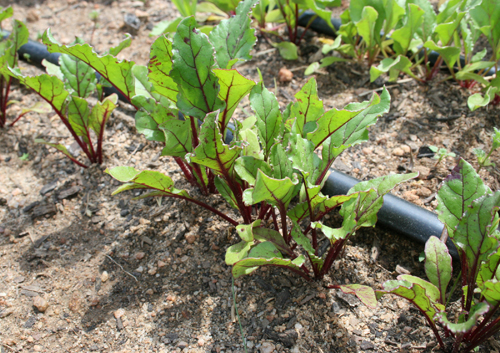
This publication is designed to give small market growers, homeowners, and Master Gardener audiences a quick guide to selecting and installing drip irrigation in the vegetable garden.
|
-

B 1276
Water Management Assessment
The Greenhouse*A*Syst series of publications is a confidential self-assessment program you can use to evaluate your greenhouse business for risks associated with water management issues. Armed with facts and figures, you will then be able to reevaluate your management strategies and determine ways to conserve water and minimize those risks. By following the guidelines, you will be able to establish a formal companywide water conservation plan. Implementation of this plan will facilitate more efficient use of resources and impart significant savings in water use, fertilizer and pesticides. This publication will help you take a candid look at how you approach water management.
|