Irrigation Resources
-
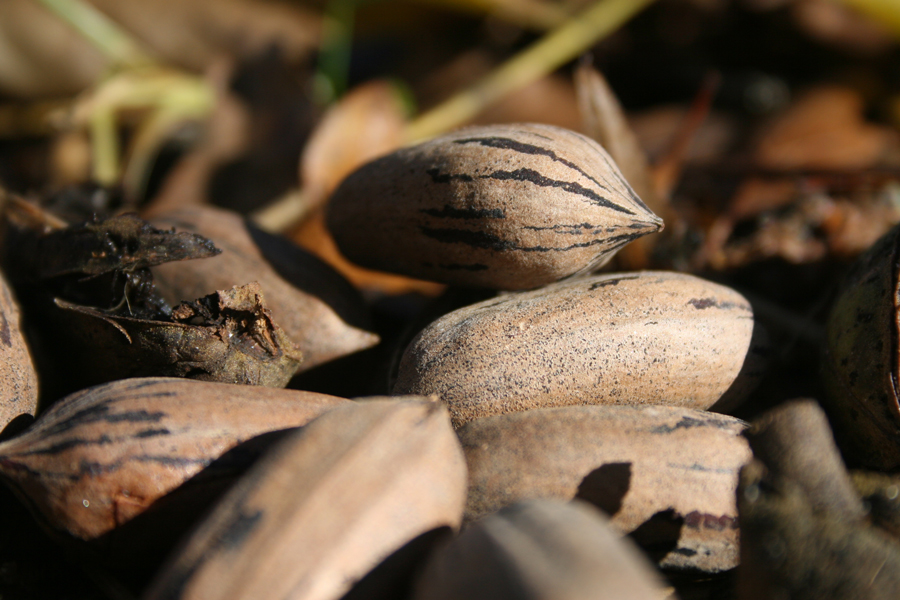
Pecan trees have high water requirements, using as much as 60 inches of total water (including rainfall) during the growing season. Georgia receives an average of 50 inches or more of rainfall annually. While the rainfall received certainly meets a portion of the water requirement for pecan trees, periods of moisture stress occur during the growing season, particularly during the months of August and September when pecans are in the kernel filling stage and water demand is at its peak. Thus, irrigation has been proven to markedly enhance pecan production in the region.
With increasing agricultural water use, a growing population, and declining groundwater levels, irrigation efficiency in the region is necessary for sustainability. Drip and micro-irrigation system design capacity for a mature pecan orchard should be 3600-4000 gallons of water per acre per day. Because of evaporation losses, solid-set sprinkler irrigation can require as much as 3 times more supplemental water than drip or micro-irrigation.
Solid set irrigation systems should have a design capacity of 1.5–2 inches per week. Water stress in pecan is correlated with soil moisture from budbreak through the end of nut sizing. Pecan trees bearing a moderate to heavy crop load may undergo water stress during the kernel filling stage regardless of soil moisture level. This suggests that crop load and nut development drive the tree’s demand for water.
|
-
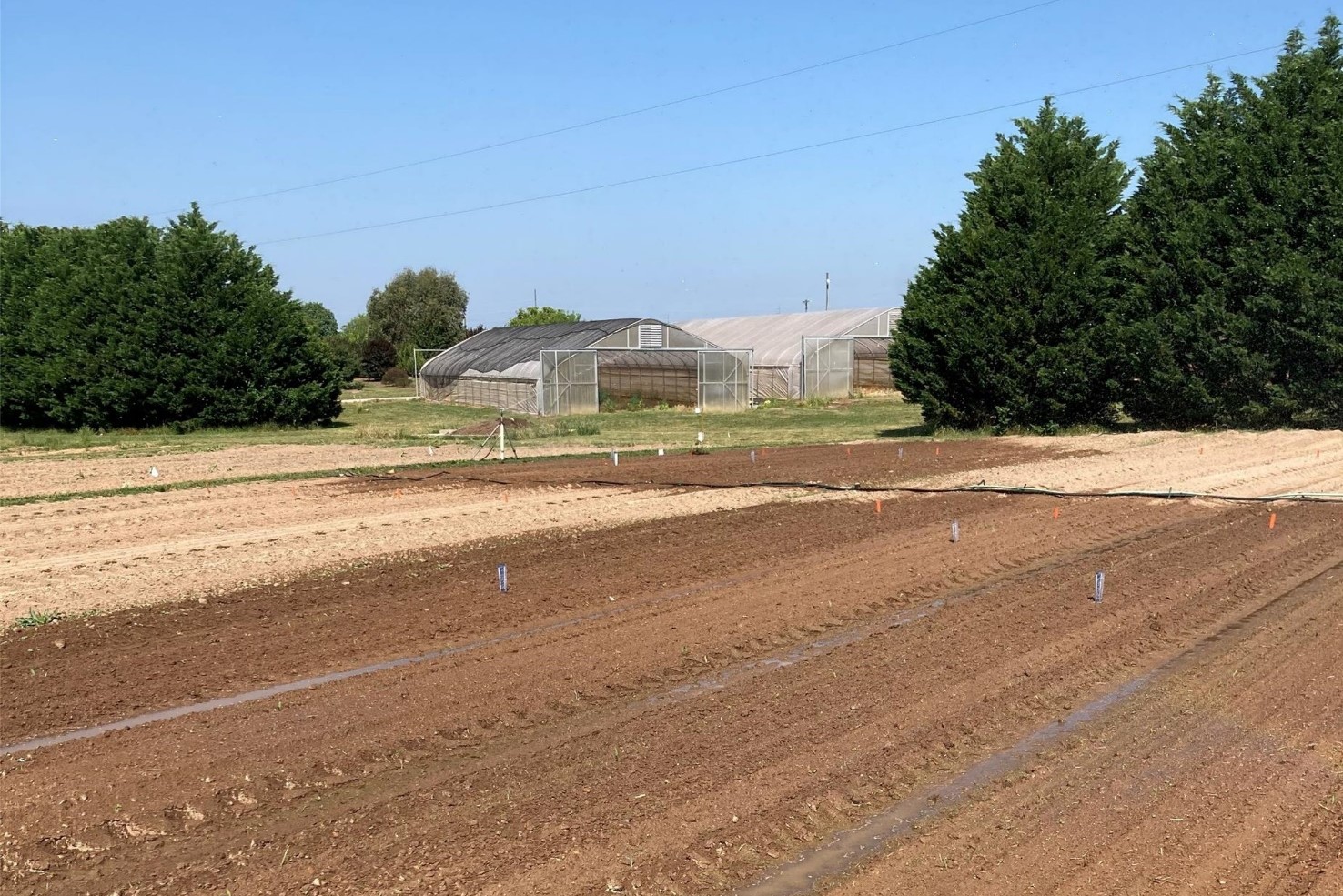
This publication highlights some of the ongoing research into using SSDI in organic vegetable crop production. SSDI facilitates cultivation without harming drip tubing and limits surface soil wetting, which may also reduce weed pressure. Prior research has shown that SSDI offers some advantages over surface-placed drip tubing in conventionally grown crops (Coolong, 2016).
|
-
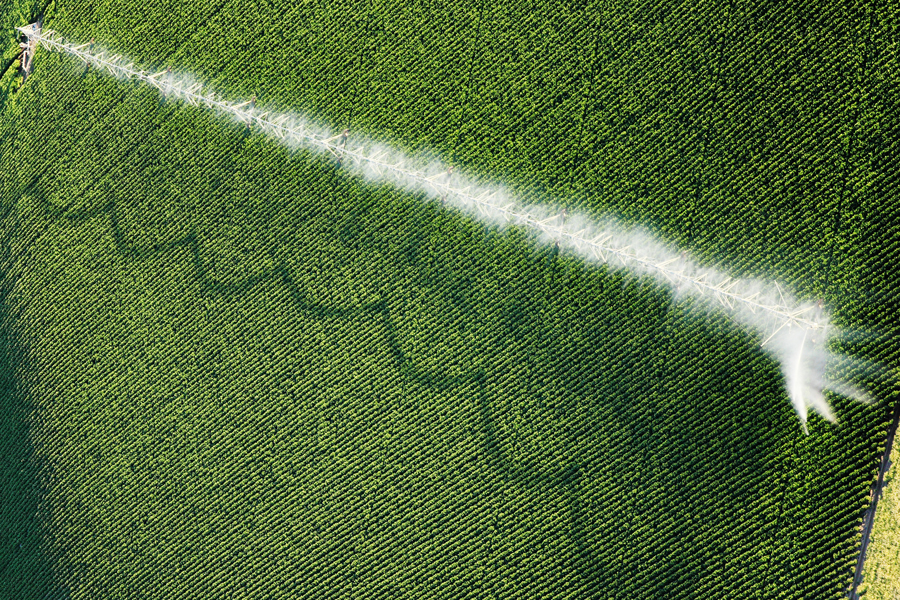
This publication was developed to provide farmers applying animal wastewater with step-by-step instructions to calibrate their center pivot irrigation systems. Within each step, the publication provides reasoning for that step and any equations to calculate the needed values. Along with instructions, the publication also provides a fillable table to collect data and charts to help determine application rates.
|
-
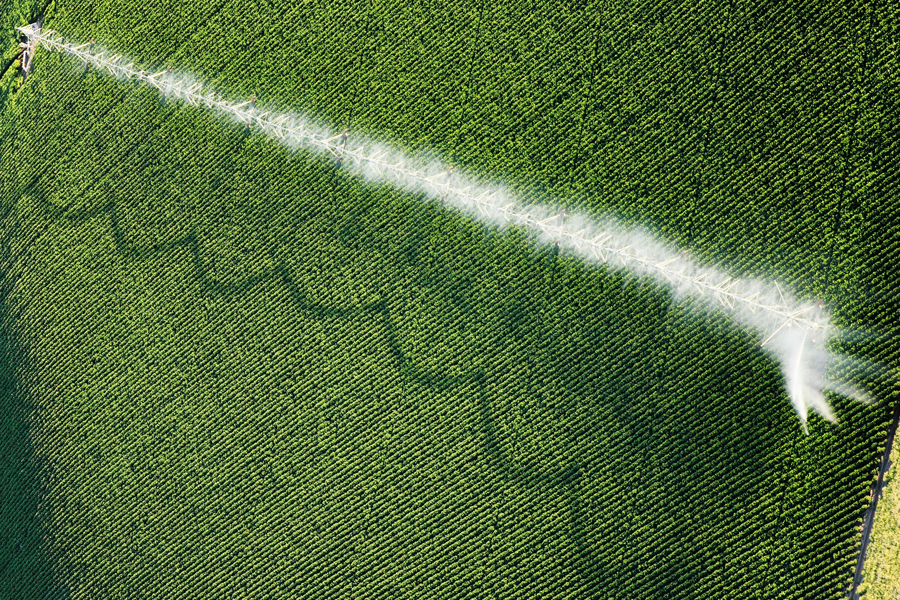
This publication is intended to be used by those familiar with calibrating a center pivot system. The circular lists the steps, calculations, and charts needed to calibrate a center pivot irrigation system pumping wastewater, without explanations of the process itself. The PDF version contains worksheets and formulas.
The step-by-step calibration procedure includes determining: the wetted diameter of your nozzle or sprinkler; spacing between collection cups; the number of cups needed to collect wastewater from all sprinklers/nozzles. Next, place collection cups in a row, equally spaced in the direction of travel, mark the starting point and then operate the pivot normally and mark the end point. Measure the time taken for the system to pass over all cups. Measure between the start and end points to determine the travel distance. Immediately record the volumes or depths of water in each collection cup and use this to calculate the average application depth (in inches, centimeters, or millimeters). Next, determine your “usable” cups and effective diameter of pivot, and then recalculate the average application depth for the “usable” collection cups. Calculate the reference travel speed and the deviation depth for each “usable” collection cup. Next, determine the average deviation depth, calculate the application uniformity and determine the calibration results.
|
-

Subsurface drip irrigation is the practice of installing drip irrigation below the ground surface. This publication is designed to provide a brief introduction to the site selection, design, installation, and management of subsurface drip irrigation.
|
-
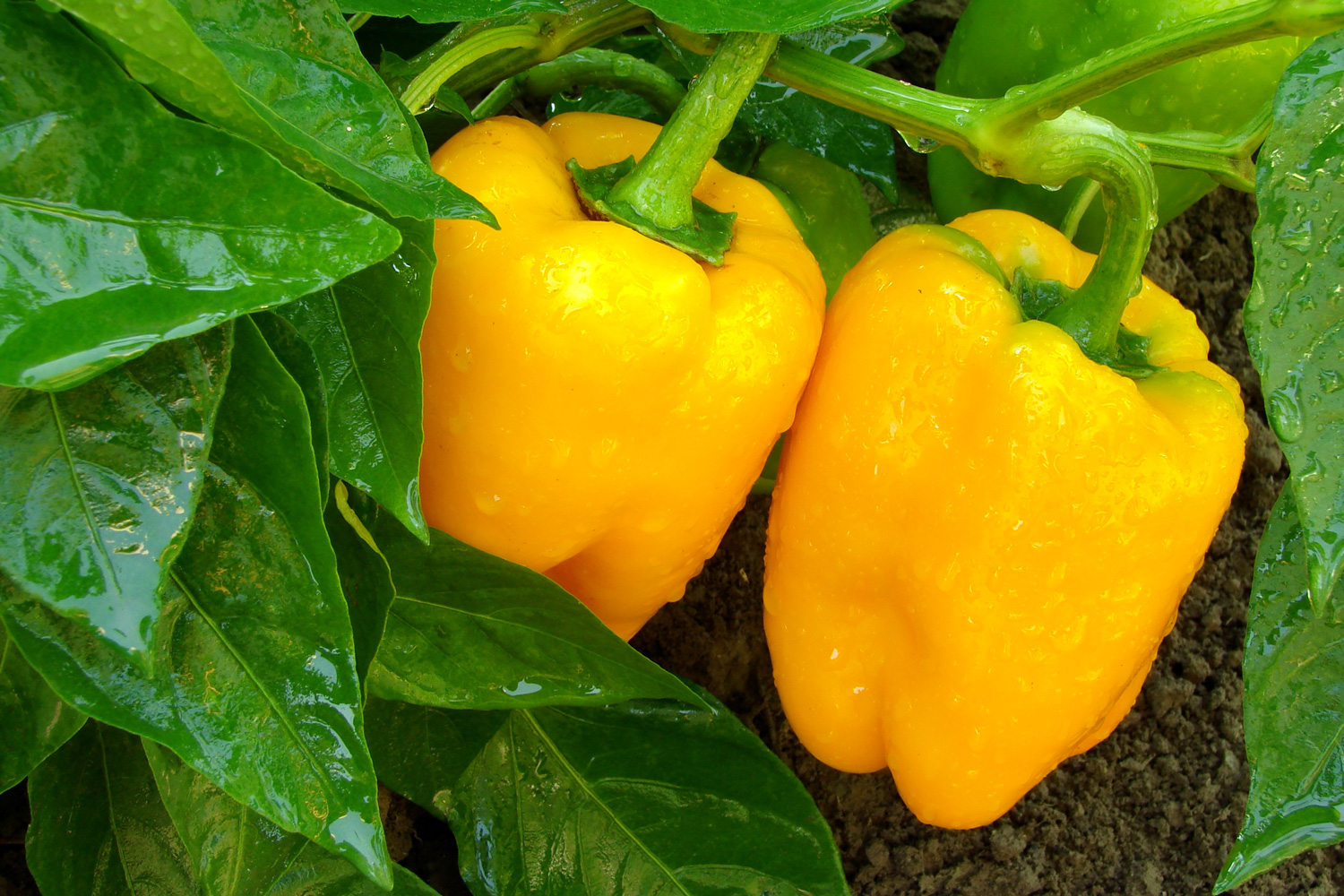
This publication is part of a series focusing on irrigation scheduling for vegetable crops. It contains basic information on water use and irrigation management using the crop water demand method for Solanaceae crops such as bell peppers, tomatoes, and eggplants.
|
-

Learn about irrigation scheduling methods for commercial vegetable production in Georgia through this video resource.
|
-
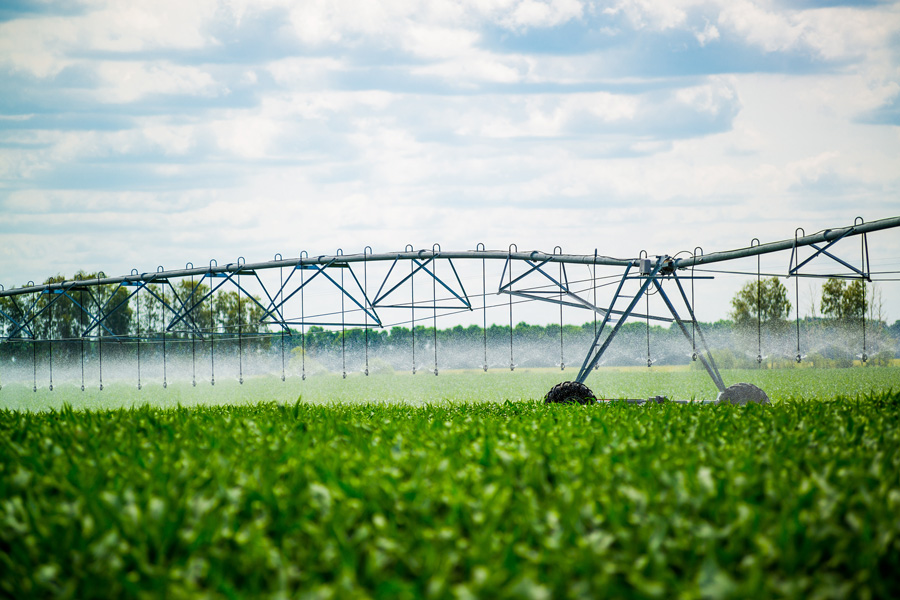
B 1298
Chemigation in Georgia
Chemigation is an inclusive term referring to the application of a chemical into or through an irrigation system. It includes the application of fertilizers, acids, chlorine and pesticides. Chemigation can save time, reduce labor requirements, and conserve energy and materials. Chemigation is beneficial, however, only to the extent that the irrigation system is adequately designed, fully functional and properly managed.
|
-

The main objective of this fact sheet is to provide a checklist of what is needed to properly prepare a center pivot or lateral irrigation system for the production season. All of the topics covered apply to both pivot and lateral irrigation systems, but for brevity, only center pivots will be referenced. By using the items in this fact sheet as a guideline for preventative maintenance, most breakdowns during the growing season should be avoided.
|