Landscaping Resources
-

The Georgia Master Gardener Handbook, 8th Edition, is the official reference text produced by the University of Georgia and developed for Master Gardener training. For more information about the Georgia Master Gardener Extension Volunteer Program, visit www.GAmastergardener.org.
This book, published in 2021, is currently available at $95 per copy (including tax). Single copies (no certificate or badge included) may be purchased online with a credit card at the UGA Extension Store website. Delivery will be 7-14 business days from receipt of order. Please include a street address rather than a P.O. box. Sales of books and data are considered final. Materials returned because of damage in shipping will be replaced.
This edition was extensively revised and updated in 2021. This edition also includes an all-new guide to the Master Gardener experience.
This 8.5 x 11″ book is perfect-bound with soft cover and contains 978 pages with color photos.
|
-
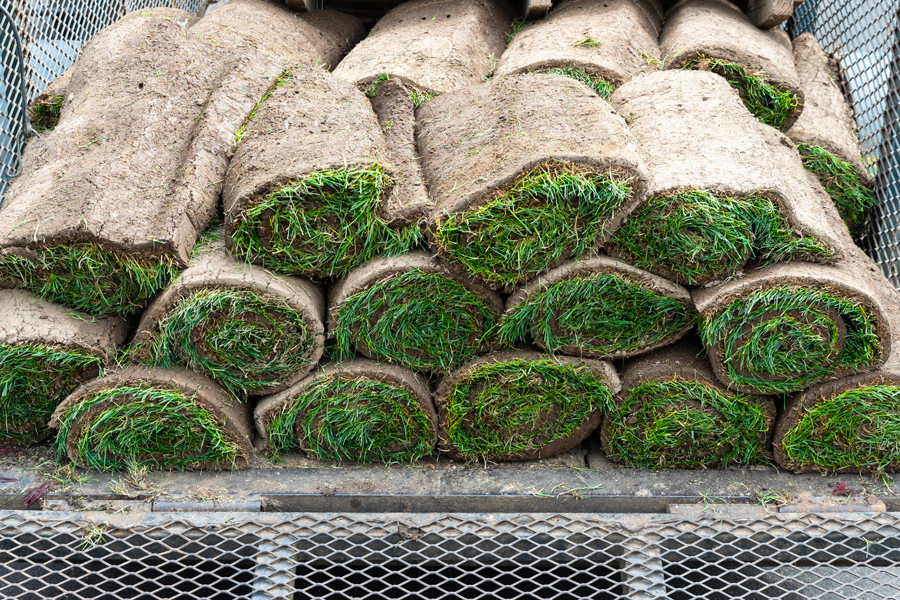
B 1533-2
Lawns in Georgia: Establishment
Turfgrass enhances the landscape in ways that can be particularly important in urban environments. Turf is one of the most effective plant covers to reduce soil erosion and surface runoff while recharging ground water, which results in more efficient use of rainfall. In most landscapes turf occupies the largest area and provides an ideal surface for outdoor activities. It begins with selecting the best adapted species and cultivar for an individual site— right plant, right place. Once the proper species and cultivar have been selected, getting the site properly prepared for growing grass and getting it established is critical in creating a sustainable lawn.
|
-
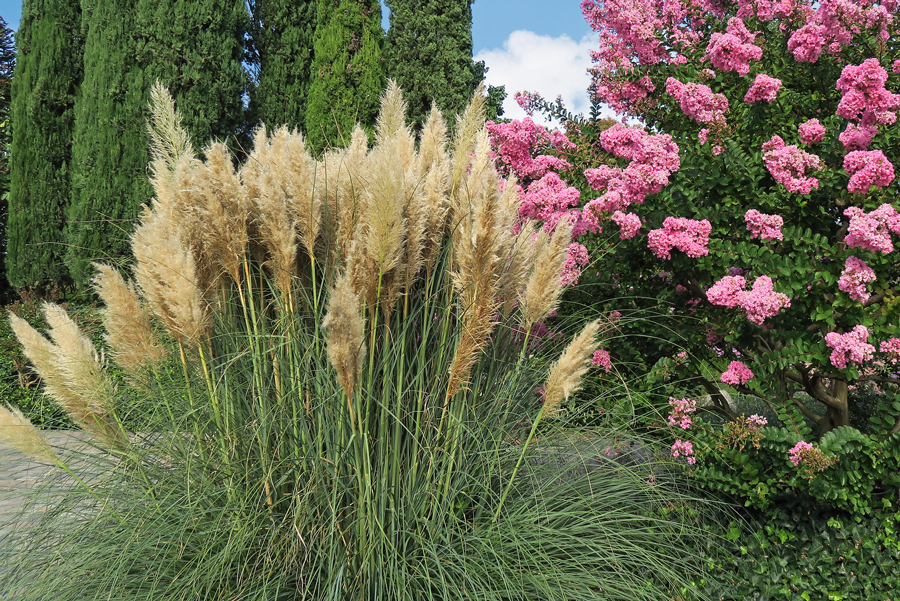
C 983
Pampas Grass
Pampas grass is a large perennial grass native to Brazil, Argentina, and Chile. Mature plants can reach 10 feet tall and 6 feet wide. In late summer, silvery-white plumes rise several feet above the foliage and make a bold, dramatic statement in the landscape.
|
-

Southern magnolia is an aristocratic tree. It grows well throughout Georgia, is widely adaptable to a variety of soils and has few pest problems. With glossy evergreen foliage and large white fragrant blossoms, it truly is one of the most handsome and durable native trees for our Southern landscapes.
|
-

Water-wise landscapes not only save water, they save time by requiring less routine care than most traditional landscapes. This publication offers guidelines to help you achieve these goals and conserve water when managing your landscape.
|
-

A landscape designed, installed and managed according to Xeriscaping’s seven steps uses up to 50% less water than a traditional landscape. And, a well-designed water-wise is just as attractive as a traditional landscape.
|
-

Planting ornamental plants correctly increases their survivability and performance in the landscape, and it helps them develop a vigorous, healthy root system that increases their drought tolerance during periods of limited rainfall. This pubication provides research-based guidelines for proper planting.
|
-

In order to maintain a lush, green lawn and productive garden, supplemental water in the form of irrigation is often needed during peak water use periods. Two basic types of irrigation are suitable for the home landscape: sprinkler irrigation and drip (or trickle) irrigation. This publication contains comprehensive information about irrigating lawns and gardens.
|
-

This publication includes three parts. Part 1 discusses stormwater as a pollution source for streams and water bodies, and provides a background on why rain gardens in our landscapes have great environmental value. Part 2 includes a thorough definition of rain gardens and their purpose, and gives step-by-step instructions on how to design a rain garden for a specific site. Part 3 discusses appropriate plants to use in rain gardens.
|