Landscaping Resources
-
B 1533-2
Lawns in Georgia: Establishment
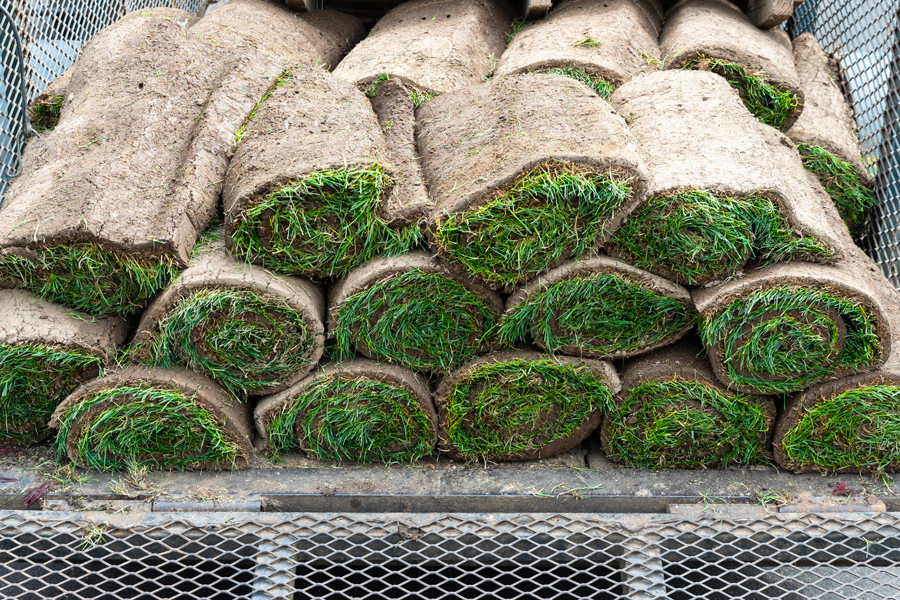
Turfgrass enhances the landscape in ways that can be particularly important in urban environments. Turf is one of the most effective plant covers to reduce soil erosion and surface runoff while recharging ground water, which results in more efficient use of rainfall. In most landscapes turf occupies the largest area and provides an ideal surface for outdoor activities. It begins with selecting the best adapted species and cultivar for an individual site— right plant, right place. Once the proper species and cultivar have been selected, getting the site properly prepared for growing grass and getting it established is critical in creating a sustainable lawn.
|
-
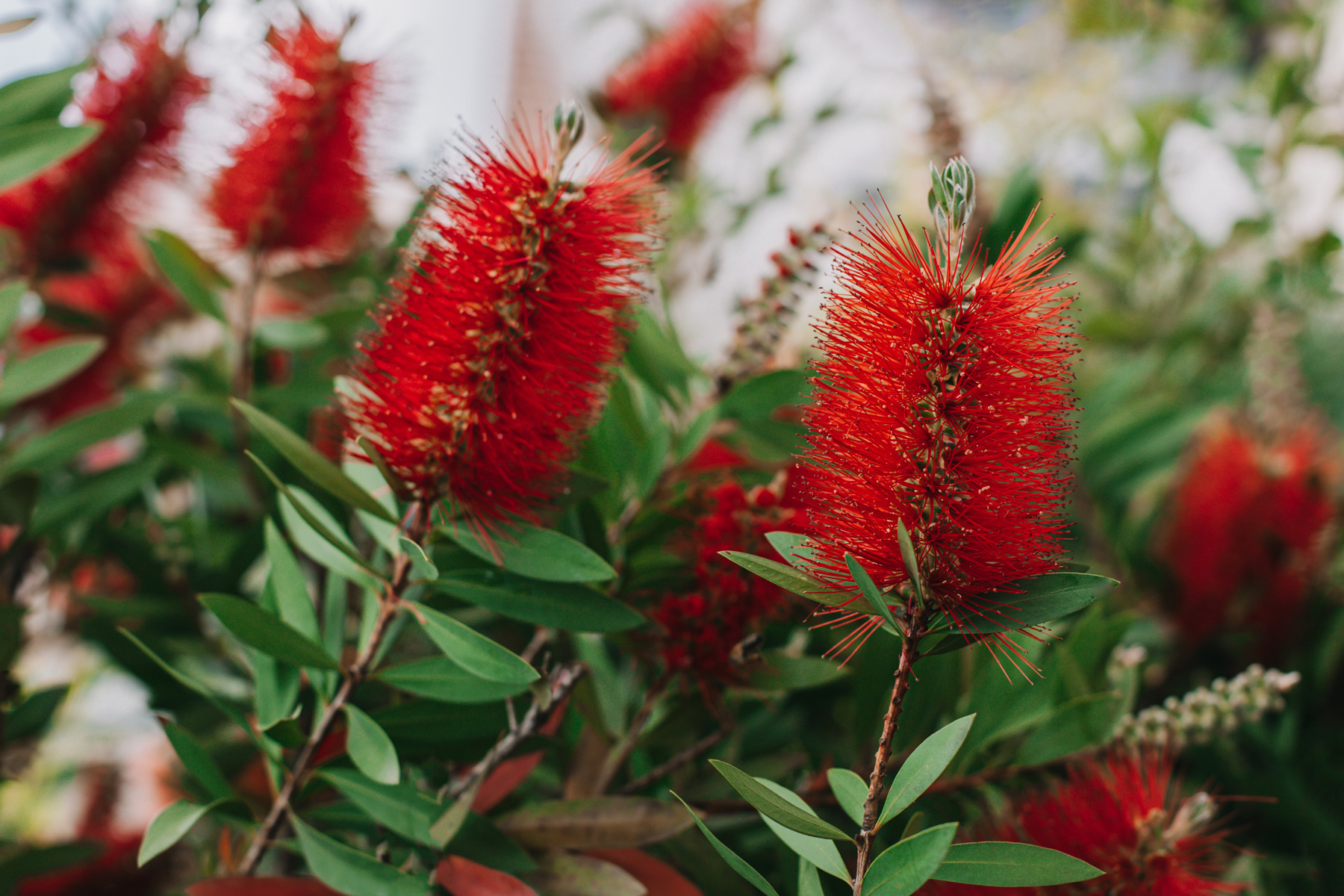
This publication explains the different sources of salt in the soil, the effects of high salt and salinity in plants, measurements of salinity in soils and water, and a list of salt-tolerant native trees alongside their ability to withstand high salinity.
The information in this bulletin was requested by the green industry, county faculty, and the public.
|
-
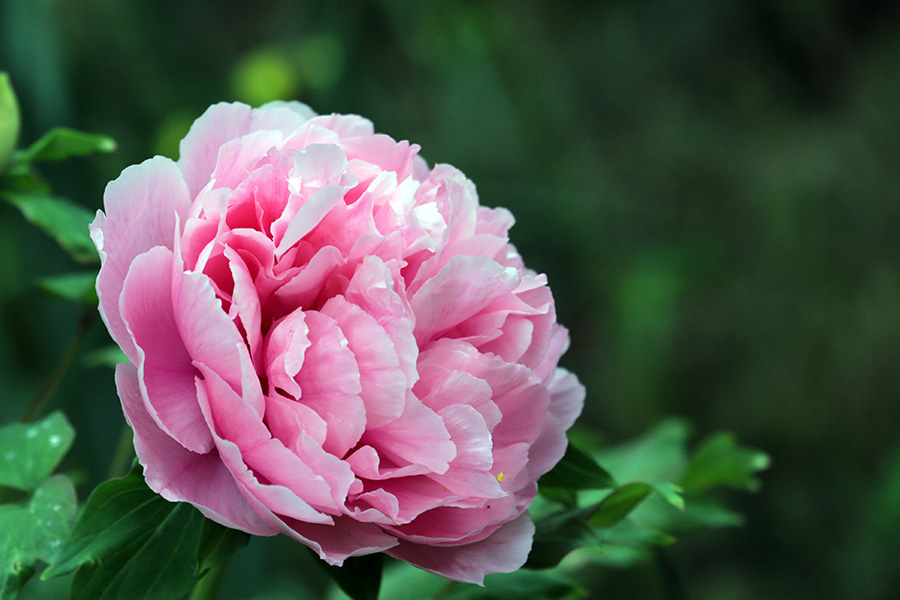
Whether in a commercial installation or residential garden, perennial plants can be successfully
used to offer more landscaping choices, distinguish your firm from the competition and create a niche for your landscape business. Perennial plants are complex, and it is best to contract or hire a professional landscape architect for the design phase and train knowledgeable staff in proper maintenance later on. This publication is intended to provide the basics of perennial plant biology, ideas on design and installation, and information on cultivation and maintenance of perennial beds. It should also serve as a quick guide for the most common and recommended perennials for Georgia. Common-sense tips from a professional landscaper’s perspective are also included.|
-

Landscape professionals must consider many factors when choosing the right flowering annuals to plant for a particular location. Primary considerations include high visual impact, consistent bloom for color, foliage for texture and color, sun exposure, growth habit and low-water tolerance. Cost plays an important role as well. Many landscapers typically choose common annual ornamentals and tropical perennials marketed as annuals. Particular species and cultivars tend to be favored over others for a variety of reasons; these are the bread-and-butter plants, such as cool-season pansies and warm-season petunias. Because of this, staple plants tend to be planted year after year, often in the same bed – a recipe for disease build-up, pesticide applications, loss of plants, plant replacement, dissatisfied customers, and ultimately, lower profit margins. This publication explains how to effectively use crop rotation and cultural practices to reduce disease incidence in seasonal color beds.
|
-

Well-groomed landscapes are often a result of considerable effort by landscape companies. Employees make them happen with routine care and, above all, attention to detail. A quality landscape and the image employees present on the job speak highly of the professionalism of the firm. Quality control (QC) is everyone’s responsibility and an essential part of a landscaper’s job. This publication describes the basics of creating and implementing a successful quality control program for your landscaping company.
|
-

This publication explores color relationships in the landscape, ways of seeing plants in terms of color, and various ways to use color successfully in plant selection and landscape design and composition.
|
-

B 1364
Chainsaw Safety Tips
This publication discusses tips for purchasing the correct chainsaw for your needs and how to use it safely.
|
-

The goals of these investigations were to achieve an aesthetically pleasing landscape while experimenting with mixing various plant habits, leaf textures and colors, and even flowers, and to raise consumer awareness, both at industry and public levels, of the alternative uses of tropical plants in the landscape. This publication presents plant performance data collected over a three-year period in trials from two different Georgia environments, a coastal area and a mid-state area.
|
-

HORT Management is an allied program for estimating landscape management costs. This program assists the user in estimating labor, material and equipment costs on a particular job, a break-even price, and bid price on a job. Industry average data and time/task data is used throughout the program, such as the time it takes to mow 1,000 sq. ft. with a certain size mower and equipment cost per hour of operation. The user is encouraged to modify and tailor the program with his own data and costs. For more information, see http://www.hort.uga.edu/extension/programs/hortmanage.html
|