Nursery and Ornamental Horticulture Resources
-

Damage to perennial woody trees and shrubs caused by hurricanes or high wind events is often not initially apparent. In some cases, it can take months or even years to manifest, despite plants looking relatively healthy after initial inspection by growers and insurance adjustors. This publication describes common damage seen in perennial woody trees and shrubs after a hurricane or high wind event.
|
-

Pruning is one of the most important cultural practices for maintaining woody plants, including ornamental trees and shrubs, fruits and nuts. Proper pruning requires a basic understanding of how plants respond to various pruning cuts. The principles and guidelines in this publication will help you master common pruning techniques.
|
-

AP 130-4-12
2026 Green Industry Outlook
The key points for 2026 are: 2025 was a good year for many green industry firms as there was strong demand in many parts of the state; there are many unknowns going into 2026 that will impact green industry sales: mixed signals within the economy, increased input costs, and in particular the varying strength of the housing market in Georgia will play a major role; green industry demand is expected to slow, with prices expected to decrease to offset the decreased demand, which will result in decreased sales in 2026 compared to 2025.
|
-

The Greenhouse*A*Syst series of publications is a confidential self-assessment program you can use to evaluate your greenhouse business for risks associated with water management issues. Armed with facts and figures, you will then be able to reevaluate your management strategies and determine ways to conserve water and minimize those risks. By following the guidelines, you will be able to establish a formal company-wide water conservation plan. Implementing this plan will facilitate more efficient use of resources and impart significant savings in water use, fertilizer and pesticides.
|
-

The majority of the plants used for interior decoration are considered “foliage plants” because of the highly decorative value of their leaves. Most of them originated in tropical and subtropical areas of the world and are adapted to low light levels, making them a natural choice for interior environments.
|
-

Trees and lawns are not mutually exclusive, with proper care, planting, selection of trees and grasses, one can enjoy a beautiful landscape complete with cool shade and soft, inviting grass. This publication explains factors involved in plant growth, the differences between trees and grasses used in lawn settings, and provides step by step directions on achieving a healthy, beautiful landscape.
|
-
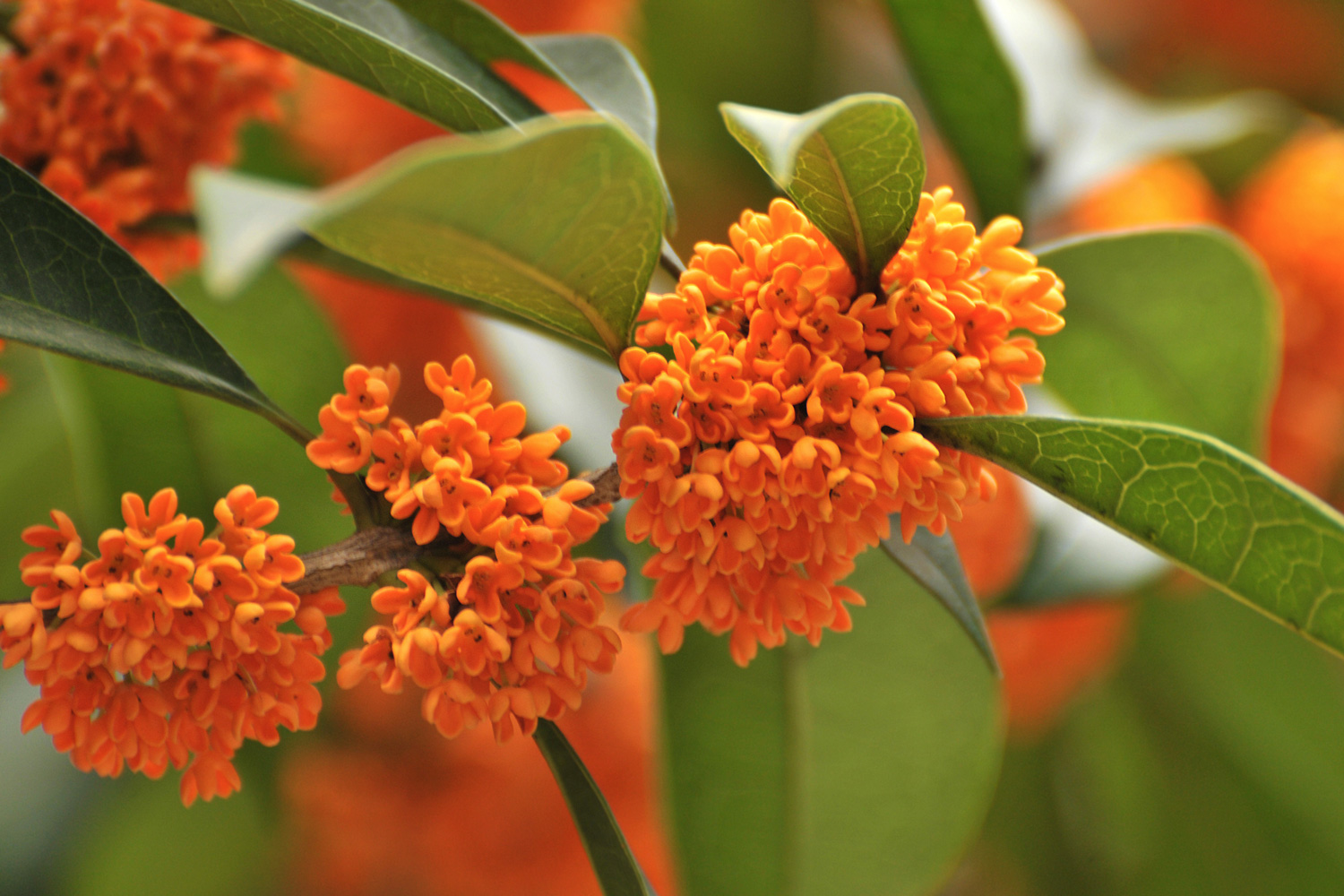
Sweet tea olives are woody, evergreen broadleaf shrubs or small trees that are widely produced in nurseries and used in landscapes because of their fragrant flowers and lower incidence of pests. This resource helps producers understand different propagation methods and how each works for sweet tea olives.
|
-
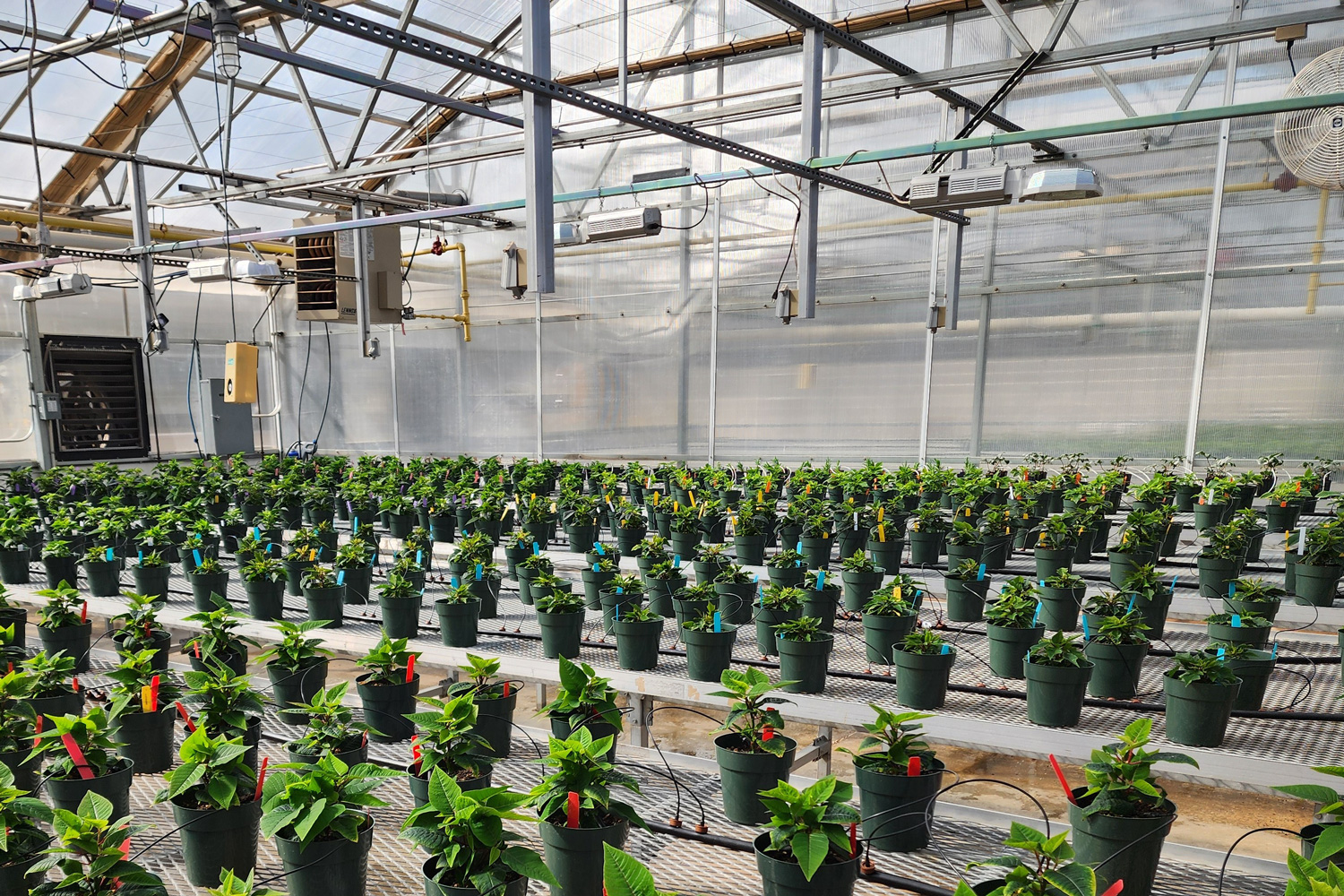
This publication contains comprehensive, in-depth information about heating, cooling and ventilating greenhouses.
|
-
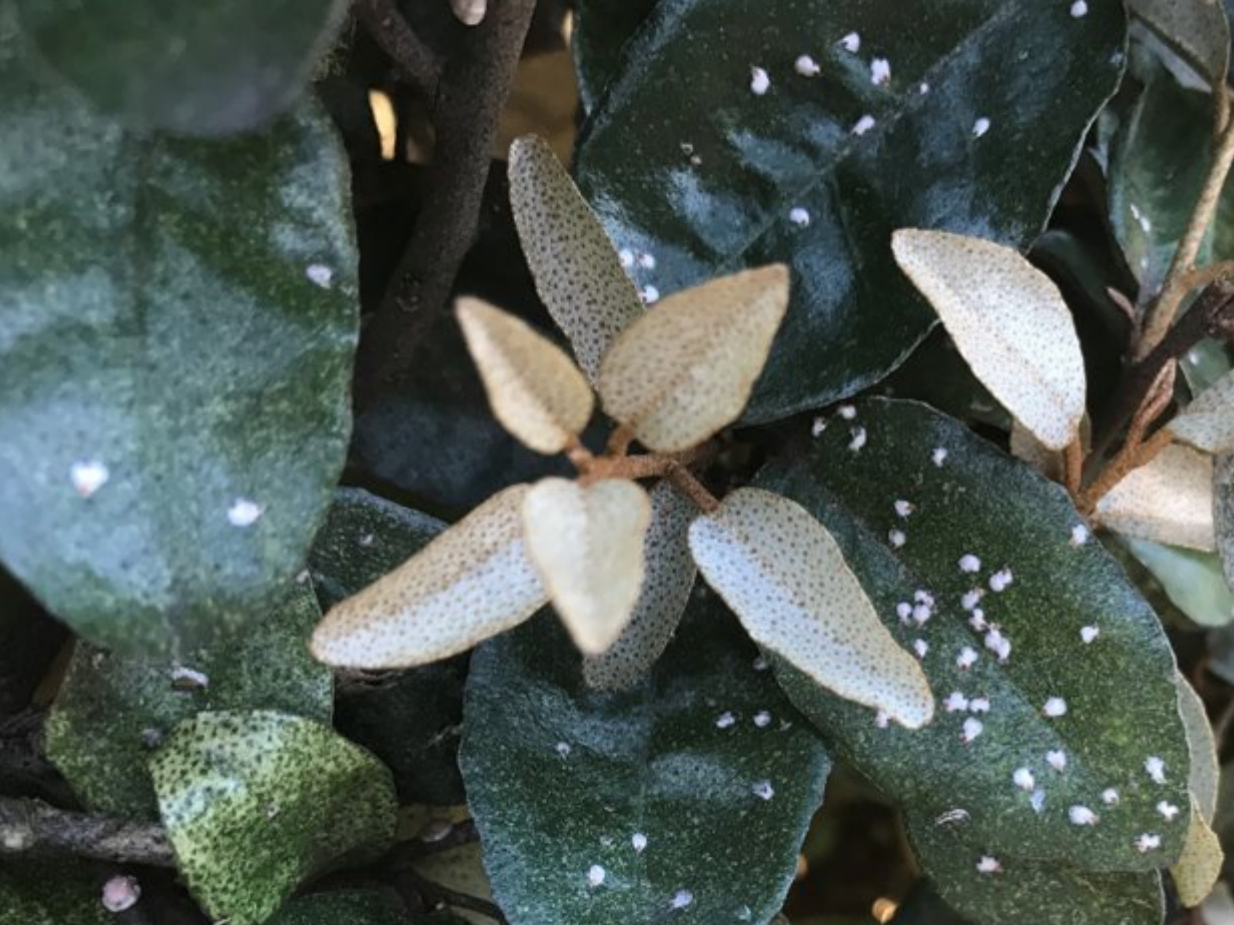
False oleander scale, which appears as white spots on leaves, is an invasive pest on ornamental plants. It is prevalent in Georgia and poses a significant threat to the aesthetic value of ornamental plants in the nursery and landscape.
|