Plant Pathology Resources
-
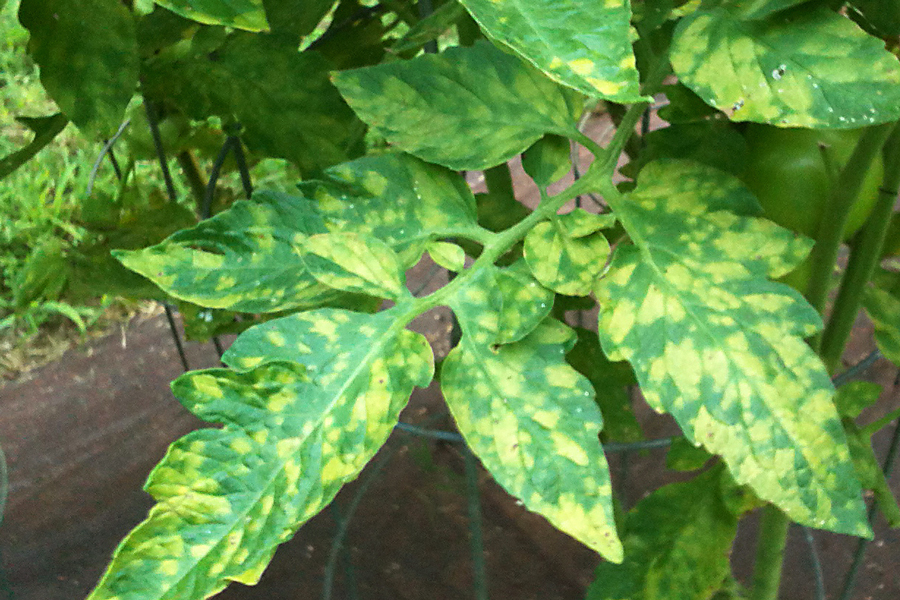
This publication contains information about common tomato diseases in Georgia. It includes photographs and descriptions of diseases such as buckeye rot and fusarium wilt.
|
-
This publication describes Macrocybe titans, the largest mushroom species in the Western Hemisphere, which has been found growing in Georgia.
|
-
C 1303
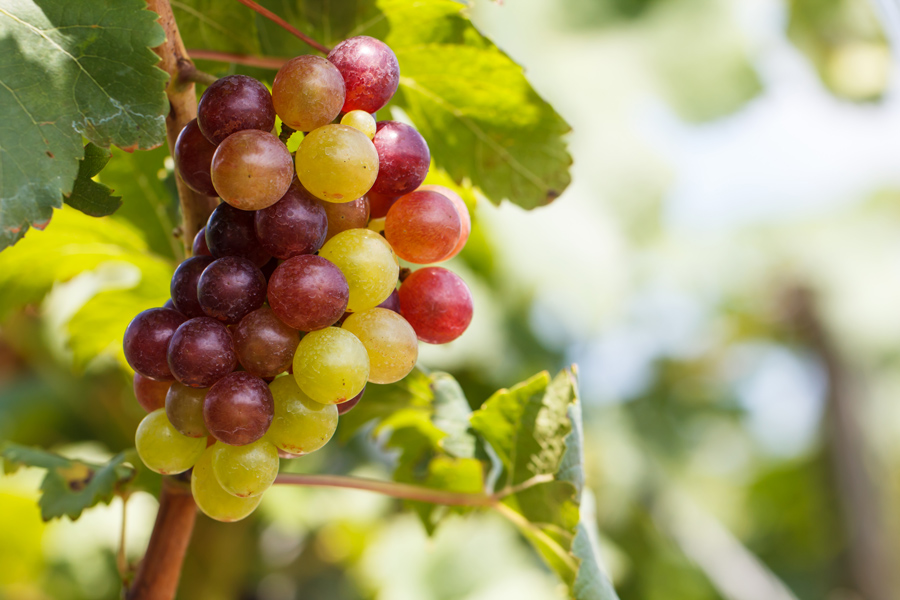
Muscadine Grape Management
This phenology-based muscadine grape management poster provides a reference for sound viticultural, disease, and insect management practices in a digestible format. Produced in cooperation with University of Tennessee, North Carolina State University, University of Arkansas, and Auburn University. A publication of the Southern Region Small Fruit Consortium.
|
-
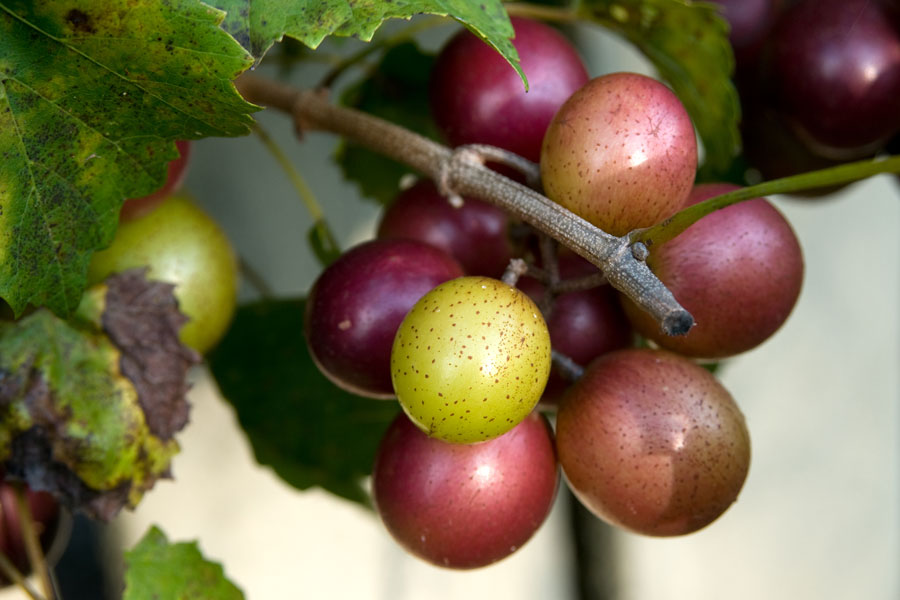
This 2024 update to the regional integrated pest management guide provides recommendations for muscadine grape production in the Southeastern U.S. Recommendations are based on information from the manufacturer’s label and performance data from research and Extension field tests. This publication is intended for use only as a guide. Specific rates and application methods are on the pesticide label, and these are subject to change at any time.
|
-
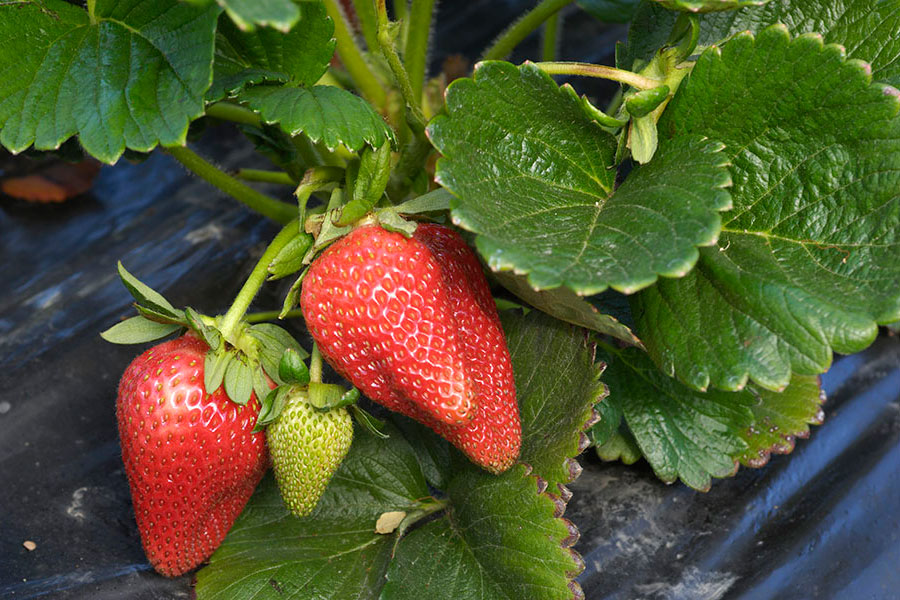
The 2024 edition of this regional integrated pest management guide provides recommendations for strawberry plasticulture production in the Southeastern U.S. Recommendations are based on information from the manufacturer’s label and performance data from research and Extension field tests. This publication is intended for use only as a guide. Specific rates and application methods are on the pesticide label, and these are subject to change at any time.
|
-
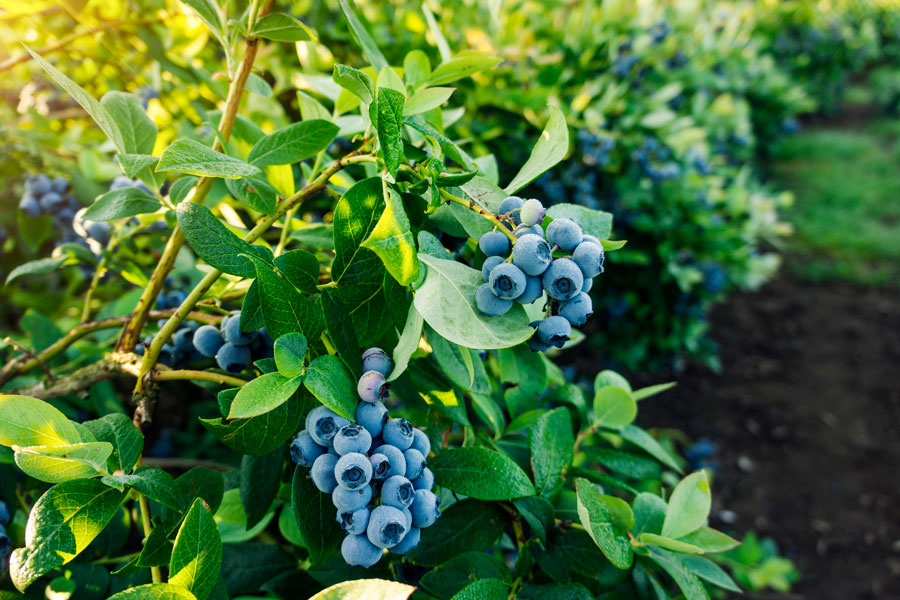
The 2024 edition of this publication covers integrated pest management information for blueberry producers in the Southeastern U.S. Recommendations are based on information from the manufacturer’s label and performance data from research and Extension field tests. This publication is intended for use only as a guide. Specific rates and application methods are on the pesticide label, and these are subject to change at any time.
|
-
SB 48-10
Ornamentals
This section of the Home & Garden Edition covers pest control in ornamentals, such as indoor plants, flowers, shrubs, and ground covers. Beginning in 2022, the Home & Garden Edition has been updated biennially. When purchasing a product based on a first-year recommendation of the Handbook, check the current product label before purchase to be sure it is still labeled for the use for which you are buying it. For pesticide products you have on hand from earlier purchases, you are allowed to use them until they are depleted without penalty under the law. Always follow label instructions before use. Contact the product’s manufacturer for the most up-to-date label.
|
-
SB 48-11
Turf
This section of the Home & Garden Edition covers insect, disease, and weed control in home turfgrass. Care should be taken when using insecticides around any flowering plants when bees are actively foraging. Timing sprays for late afternoon and evening will minimize risks from broad-spectrum contact insecticides. Beginning in 2022, the Home & Garden Edition has been updated biennially. When purchasing a product based on a first-year recommendation of the Handbook, check the current product label before purchase to be sure it is still labeled for the use for which you are buying it. For pesticide products you have on hand from earlier purchases, you are allowed to use them until they are depleted without penalty under the law. Always follow label instructions before use. Contact the product’s manufacturer for the most up-to-date label.
|
-

Detection of damaging nematode infestations may allow growers to significantly increase crop productivity and profitability. It is imperative that growers test their soil to determine which nematode species are present in their fields as well as their population densities. The best way to detect and identify nematode problems is through collecting soil and/or plant samples and having those samples analyzed in a reliable nematode diagnostic lab. It is highly recommended that, if you suspect a field has a nematode problem, test the soil and then consult with your local Extension agent or nematologist for advice on how to manage the nematode infection.
|