Sustainability Resources
-

This resource provides a practical overview of vermicomposting as an efficient composting option for home gardens, landscapes, and small farms. It explains how composting with worms can turn food scraps and organic waste into nutrient-rich worm castings, and how this process differs from traditional composting methods. This resource covers the basics of worm biology, bin selection and setup, bedding materials, feeding rates, moisture and pH management, and common troubleshooting tips with an emphasis on simple, low-cost practices.
|
-

With proper planning, planting and maintenance, a healthier landscape can be created with less expense, less work and less damage to the world around us.
|
-

This publication explains some of the options available to Green Industry professionals for dealing with these organic materials.
|
-
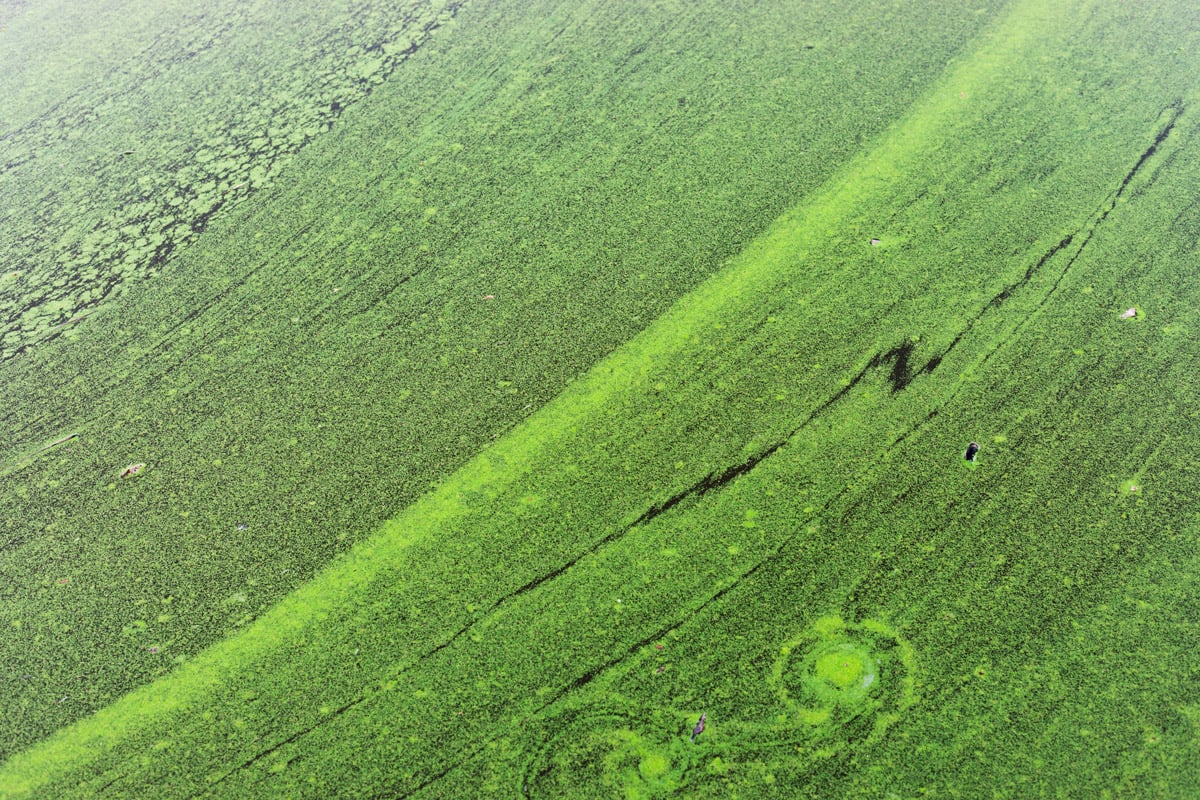
Low-energy input systems that utilize microalgae and the natural biological process of photosynthesis can drive efficient wastewater treatment systems. This publication describes the use of microalgae in wastewater treatment.
|
-
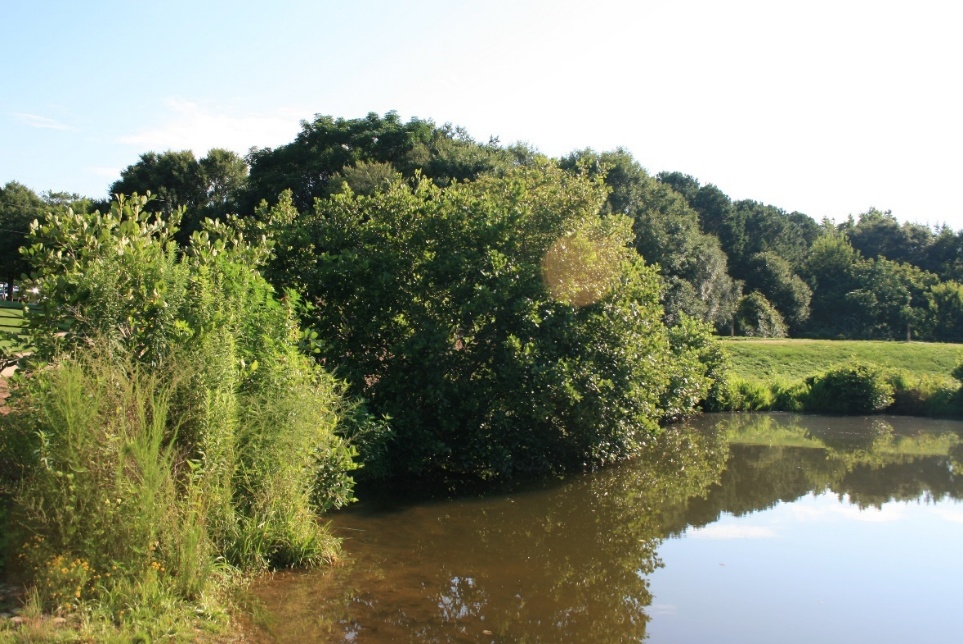
This resource explains how flooding and stormwater pollution affect waterways and how vegetation along the water reduces the negative impacts while improving aesthetics and water quality for fish habitats, recreational boating, appealing views, and property value. It provides guidance on planning, implementation and maintenance of riparian buffer vegetation, and a list of recommended plants.
|
-
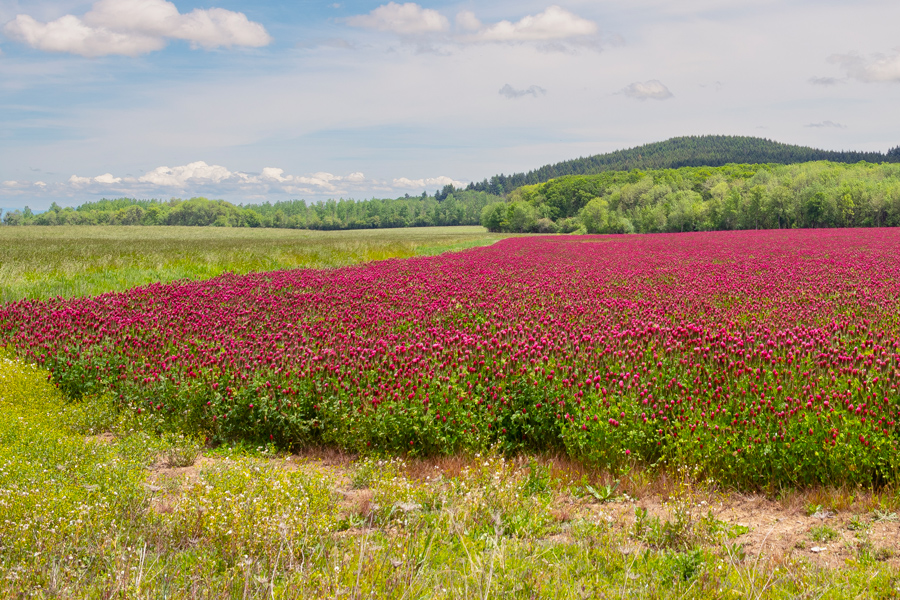
There are many ways to define what it means to be sustainable. There is increased demand for agricultural production transparency to ensure that food and fiber products are being produced sustainably. To this end, Field to Market: Alliance for Sustainable Agriculture has developed the Fieldprint Calculator through the Fieldprint Platform to help farmers of major commodity crops measure their on-farm sustainability by entering in their yearly management practices. This Extension publication defines sustainability, describes the use of the Fieldprint Calculator, and explains how growers can use this program to measure sustainable progress made on their farms. This publication was produced in collaboration with the University of Tennessee and Field to Market.
|
-
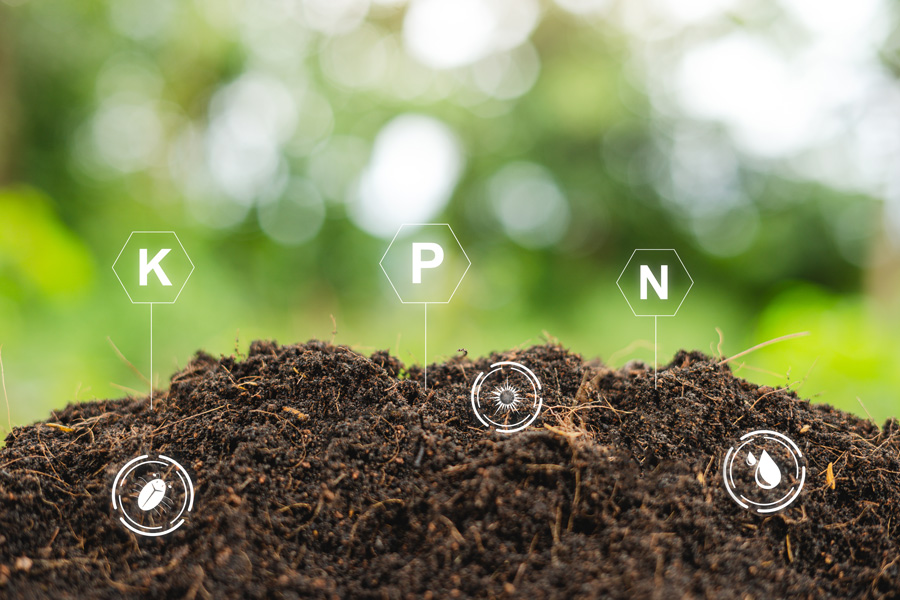
Proper use of treated industrial wastes contributes to the circular economy and reduces wastes that would have been disposed of in landfills or by incineration. This publication clarifies Georgia’s legal definition of “soil amendments” and highlights current policies governing the application of processed wastes on farm lands in Georgia. Compliance with these regulations maintains a quality environment in Georgia and ensures the long-term sustainability of manufacturing and food processing industries.
|
-

This publication provides a clear and balanced comparison of plant-based and animal-based proteins in our food. It looks at the nutritional value, environmental impact, and health effects of each type of protein. The goal is to help readers understand more about these protein sources without saying whether one is better than another—in other words, to inform and educate, giving everyone the knowledge to learn about different dietary options.
|
-
C 1135
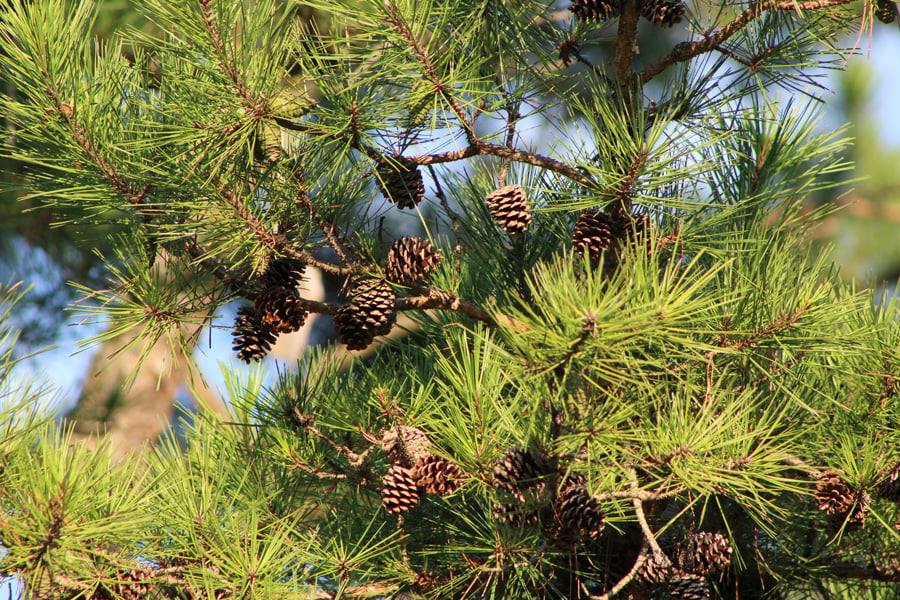
Silvics of Shortleaf Pine
Shortleaf pine is the most widely distributed, but perhaps least understood of the four major southern yellow pines. Growing in 22 states from southern New York to eastern Texas, it occupies the largest range of any pine in the southeastern United States. Its extensive distribution reflects it adaptability to a great variety of soil, average annual temperatures (48–70 °F), total precipitation (40–60 in.) and elevations (up to 3000 ft). Throughout much of its range, but especially in the East, it is a species of minor and varying occurrence often found growing with other pines and hardwoods. In Arkansas and Missouri, where it is the only naturally occurring pine, we find widespread areas of pure and mixed shortleaf-oak stands.
|