UGA College of Agricultural & Environmental Sciences Field Report
  • Stories
    Almanac

    Science in service of humanity and the environment

    Read our annual magazine here

    READ


    Dive into engaging stories that showcase our statewide, national and global impact.

    Check out our written stories here

    LOOK


    Browse curated photo galleries capturing the people, places and programs that bring CAES to life.

    Check out our photo galleries here

    WATCH


    Experience our stories through videos that highlight our people, projects and passions in action.

    Check out our video library here

    LISTEN


    Tune in to “Cultivating Curiosity,” our podcast featuring in-depth conversations with CAES experts.

    Check out our podcast here
  • Expert Resources

    Expert Resources


    Gardening
    Invasive species
    Food and food safety
    Ants, termites and other pests
    Pollinators
    Livestock
    Emergency preparedness
    Home safety and maintenance
    Health, family and finances
    Nutrition
    Water quality
    Lawn maintenance and landscaping
    Turfgrass
    View all topics

    What is an Expert Resource?


    We publish unbiased, research-backed expert advice to empower Georgians with practical, trustworthy information they can trust.

    These resources are written and reviewed by experts in the UGA College of Agricultural and Environmental Sciences and the UGA College of Family and Consumer Sciences.

    Learn how we produce science you can trust
  • Events
  • Contact
  • Read
  • Look
  • Watch
  • Listen
Subscribe
  • LinkedIn
  • Facebook
  • Instagram
  • Stories
    Almanac

    Science in service of humanity and the environment

    Read our annual magazine here

    READ


    Dive into engaging stories that showcase our statewide, national and global impact.

    Check out our written stories here

    LOOK


    Browse curated photo galleries capturing the people, places and programs that bring CAES to life.

    Check out our photo galleries here

    WATCH


    Experience our stories through videos that highlight our people, projects and passions in action.

    Check out our video library here

    LISTEN


    Tune in to “Cultivating Curiosity,” our podcast featuring in-depth conversations with CAES experts.

    Check out our podcast here
  • Expert Resources

    Expert Resources


    Gardening
    Invasive species
    Food and food safety
    Ants, termites and other pests
    Pollinators
    Livestock
    Emergency preparedness
    Home safety and maintenance
    Health, family and finances
    Nutrition
    Water quality
    Lawn maintenance and landscaping
    Turfgrass
    View all topics

    What is an Expert Resource?


    We publish unbiased, research-backed expert advice to empower Georgians with practical, trustworthy information they can trust.

    These resources are written and reviewed by experts in the UGA College of Agricultural and Environmental Sciences and the UGA College of Family and Consumer Sciences.

    Learn how we produce science you can trust
  • Events
  • Contact
  • Read
  • Look
  • Watch
  • Listen
Subscribe
  • LinkedIn
  • Facebook
  • Instagram
Subscribe
  • LinkedIn
  • Facebook
  • Instagram
  1. Home
  2. Expert Resources
  3. Topics
  4. Weeds, Diseases and Pests

Weeds, Diseases and Pests Resources

Use the Advanced Search
  • Alternatives to Synthetic Herbicides for Weed Management in Container Nurseries

    B 1410

    Alternatives to Synthetic Herbicides for Weed Management in Container Nurseries

    Weed management is one of the most critical and costly aspects for container nursery production. High irrigation and fertilization rates create a favorable environment for weed growth in addition to crop growth. Weeds can quickly out-compete the crop for light and other resources, reducing the rate and amount of crop growth as well as salability. Weed management in nursery production is most effectively achieved by preventative practices, primarily with the use of pre-emergent herbicides. However, there are valid reasons for managing weeds using alternatives to synthetic herbicides. Weed management alternatives to synthetic herbicides include sanitation, exclusion, prevention, hand weeding, mulching and use of cover crops, heat and non-synthetic herbicides. Only some of these alternative methods can be used to control weeds in containers, but all can be used to manage weeds around containers and in non-crop
    areas.

    Matthew Chappell

    |

    Jan. 5, 2026
  • C 782

    Stinging and Biting Pests

    This publication contains descriptions and images, as well as methods of control, for common stinging and biting pests found in Georgia, including: bees, wasps, hornets, fire ants, scorpions, caterpillars, spiders, chiggers and flies.

    Elmer Gray, Michael D Toews, and Beverly Sparks

    |

    Jan. 5, 2026
  • dollar spot on bright green grass appears as yellowed or brown round spots

    C 1091

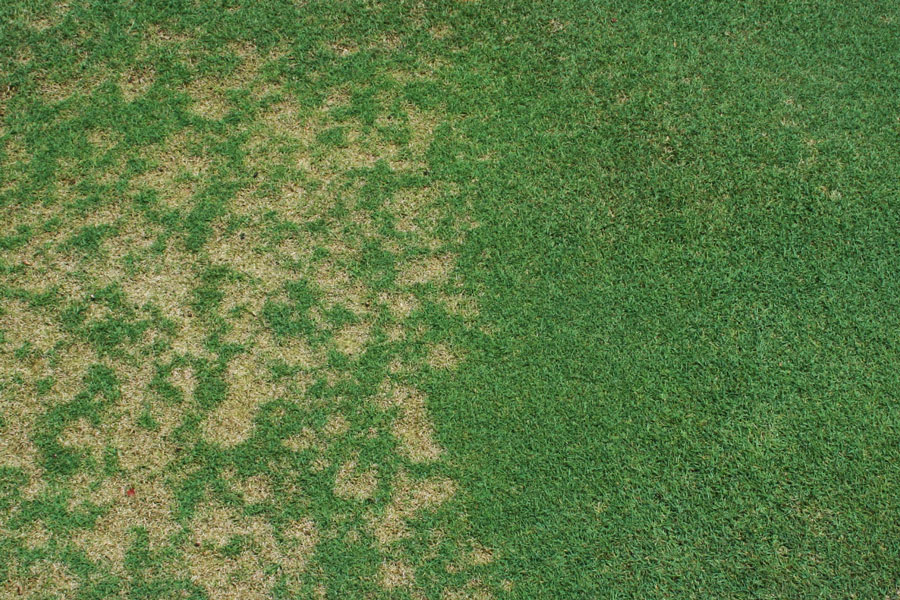
    Dollar Spot of Turfgrasses in Georgia: Identification and Control

    Dollar spot is an ever-present turfgrass disease that affects all warm and cool season grasses in the state of Georgia. The publication contains important information on the biology of the causal agent, detail description of the disease symptoms (aided by high quality-detailed pictures), relevant up-to-date information on conditions favoring the disease, as well as cultural, genetic and chemical methods of control. The publication is intended for turfgrass professionals, consultants, county faculty, homeowners and general public.

    Alfredo Martinez, Elizabeth L. Little, Kim Toal, and Brian Vermeer

    |

    Jan. 5, 2026
  • A mounted tawny crazy ant in the side view with a size marker below the ant

    C 1064

    The Tawny Crazy Ant, Nylanderia fulva, in Georgia

    This resource helps readers identify and manage tawny crazy ants, a highly invasive species from South America. The ant somewhat resembles invasive Argentine ants (also known as sugar ants).

    Dan Suiter

    |

    Jan. 5, 2026
  • Orchard Sprayers

    B 979

    Orchard Sprayers

    This publication contains comprehensive information about air blast and weed control sprayers for orchards.

    Paul E. Sumner

    |

    Jan. 5, 2026
  • B 1286

    Key to Diseases of Oaks in the Landscape

    This publication contains a guide to diseases of oak trees in the landscape.

    Jean Williams-Woodward and Mila J. Pearce

    |

    Jan. 5, 2026
  • Diagnostics System for Crop History and Disorders in Greenhouses and Nurseries

    B 1273

    Diagnostics System for Crop History and Disorders in Greenhouses and Nurseries

    This diagnostic system is designed as a tool to assist growers, Extension specialists and county agents to diagnose problems with ornamental crops. The document consists of six major sections and five appendices. Each section is designed to supply information on various important aspects of the crop under scrutiny.

    Bodie V. Pennisi

    |

    Jan. 5, 2026
  • Georgia Corn Diagnostic Guide

    B 1221

    Georgia Corn Diagnostic Guide

    The field is a complex environment with many factors that can interact to influence the growth of a corn plant. These factors can be living in the form of insects, diseases, nematodes and weeds; or, they can be non-living such as weather, nutrients or chemicals. In the proper combination of factors, corn can produce more than 200 bushels per acre in the Southeast; or in a totally unfavorable combination, every corn plant can die. When a problem is identified, it is important to determine the extent and severity of the problem to decide whether corrective measures are necessary or available. Use this guide and other technical information before implementing any management decision. Contributing authors to the original manuscript include: University of Georgia: Dewey Lee, former Extension Agronomist; Eric Prostko, Extension Weed Scientist; Steve Brown, former Extension Entomologist; Randy Hudson, former Extension Entomologist; and Bob Kemerait, Extension Plant Pathologist; University of Florida: Greg McDonald, Weed Scientist; Mississippi State University: Richard Baird, Plant Pathologist; Auburn University: Paul Mask, Extension Agronomist, and Kathy Flanders, Extension Entomologist.

    G. David Buntin, Eric P. Prostko, and Robert C Kemerait Jr

    |

    Jan. 5, 2026
  • B 1158

    Sprayer Nozzle Selection

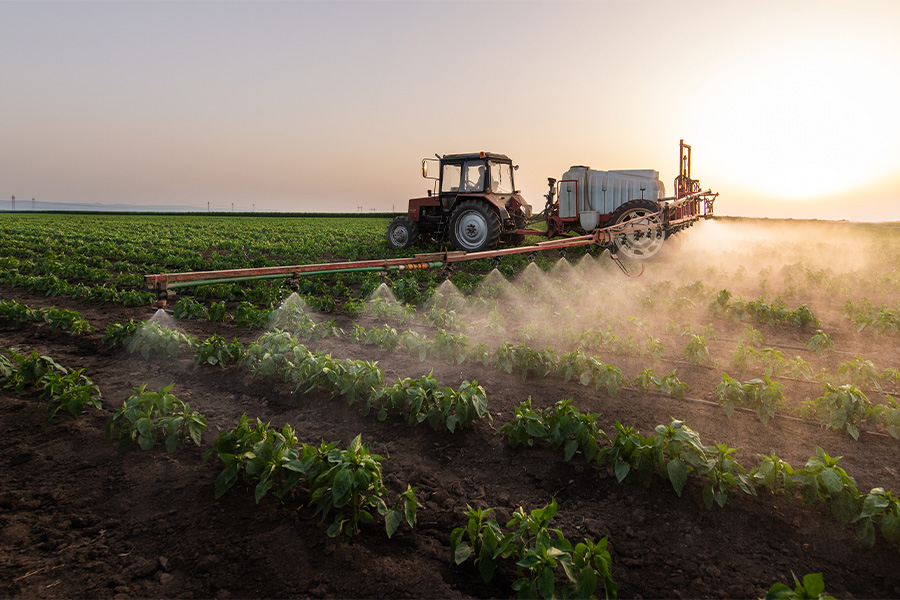
    Nozzle selection is one of the most important decisions to be made related to pesticide applications. The type of nozzle affects not only the amount of spray applied to a particular area, but also the uniformity of the applied spray, the coverage obtained on the sprayed surfaces, and the amount of drift that can occur. Each nozzle type has specific characteristics and capabilities and is designed for use under certain application conditions. This publication describes the types that are commonly used for ground application of agricultural chemicals, including flat-fan, even flat-fan and cone nozzle.

    Paul E. Sumner

    |

    Jan. 5, 2026
Previous Page
1 … 6 7 8 9 10 … 36
Next Page

About CAES

CAES Home

Overview

History

Administration

Jobs

Personnel Directory

Privacy Policy

Accessibility Policy

AI Guidelines

Affiliations

UGA Cooperative Extension

Tifton Campus

Griffin Campus

University of Georgia
  • Schools and Colleges
  • Directory
  • MyUGA
  • Employment Opportunities
  • Copyright and Trademarks
  • UGA Privacy Policy
  • Submit a Student Complaint
#UGA on
© University of Georgia, Athens, GA 30602
706‑542‑3000