UGA College of Agricultural & Environmental Sciences Field Report
  • Stories
    Almanac

    Science in service of humanity and the environment

    Read our annual magazine here

    READ


    Dive into engaging stories that showcase our statewide, national and global impact.

    Check out our written stories here

    LOOK


    Browse curated photo galleries capturing the people, places and programs that bring CAES to life.

    Check out our photo galleries here

    WATCH


    Experience our stories through videos that highlight our people, projects and passions in action.

    Check out our video library here

    LISTEN


    Tune in to “Cultivating Curiosity,” our podcast featuring in-depth conversations with CAES experts.

    Check out our podcast here
  • Expert Resources

    Expert Resources


    From farms and gardens to families and finances, our expert resources empower Georgians with trustworthy, practical science.

    Gardening
    Invasive species
    Food and food safety
    Ants, termites and other pests
    Pollinators
    Livestock
    Emergency preparedness
    Home safety and maintenance
    Health, family and finances
    Nutrition
    Water quality
    Lawn maintenance and landscaping
    Turfgrass
    View all topics

    What is an Expert Resource?


    We publish unbiased, research-backed expert advice to empower Georgians with practical, trustworthy information they can trust.

    These resources are written and reviewed by experts in the UGA College of Agricultural and Environmental Sciences and the UGA College of Family and Consumer Sciences.

    Learn how we produce science you can trust
  • Events
  • Contact
  • Read
  • Look
  • Watch
  • Listen
Subscribe
  • LinkedIn
  • Facebook
  • Instagram
  • Stories
    Almanac

    Science in service of humanity and the environment

    Read our annual magazine here

    READ


    Dive into engaging stories that showcase our statewide, national and global impact.

    Check out our written stories here

    LOOK


    Browse curated photo galleries capturing the people, places and programs that bring CAES to life.

    Check out our photo galleries here

    WATCH


    Experience our stories through videos that highlight our people, projects and passions in action.

    Check out our video library here

    LISTEN


    Tune in to “Cultivating Curiosity,” our podcast featuring in-depth conversations with CAES experts.

    Check out our podcast here
  • Expert Resources

    Expert Resources


    From farms and gardens to families and finances, our expert resources empower Georgians with trustworthy, practical science.

    Gardening
    Invasive species
    Food and food safety
    Ants, termites and other pests
    Pollinators
    Livestock
    Emergency preparedness
    Home safety and maintenance
    Health, family and finances
    Nutrition
    Water quality
    Lawn maintenance and landscaping
    Turfgrass
    View all topics

    What is an Expert Resource?


    We publish unbiased, research-backed expert advice to empower Georgians with practical, trustworthy information they can trust.

    These resources are written and reviewed by experts in the UGA College of Agricultural and Environmental Sciences and the UGA College of Family and Consumer Sciences.

    Learn how we produce science you can trust
  • Events
  • Contact
  • Read
  • Look
  • Watch
  • Listen
Subscribe
  • LinkedIn
  • Facebook
  • Instagram
Subscribe
  • LinkedIn
  • Facebook
  • Instagram
  1. Home
  2. Expert Resources
  3. Topics
  4. Environment
  5. Wildlife

Wildlife Resources

Use the Advanced Search
  • B 1519

    How Wetlands Benefit Georgia Agriculture

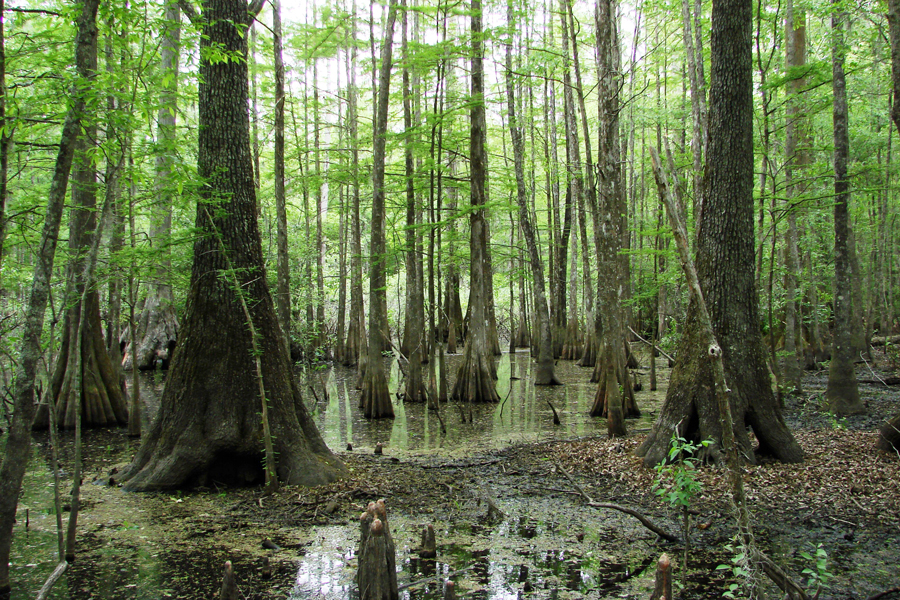
    Many people view wetlands as “wastelands,” having few virtues. But it is now known that wetlands provide many useful services, from improving water quality to providing habitat for important fish and wildlife. These kinds of benefits would be costly to create, so maintaining natural wetlands is good for both the economy and the environment. Many smaller wetlands occur in Georgia farmlands, and many of the values provided by wetlands benefit Georgia farmers. This resource highlights the key virtues of wetlands to agriculture, describing how wetlands associated with Georgia farms can contribute to agricultural value.

    Darold P Batzer, Lori Sutter, Gabriela A Cardona-Rivera, Jason Schmidt, and Ashfaq A. Sial

    |

    March 27, 2026
  • a Norway rat on a roof

    C 970

    Rats and Mice: Get Them Out of Your House and Yard

    This resource discusses getting rats and mice out of your house and yard.

    Michel Kohl and Michael T. Mengak

    |

    Nov. 5, 2025
  • C 971

    Tips for Creating a Hunting Lease Agreement

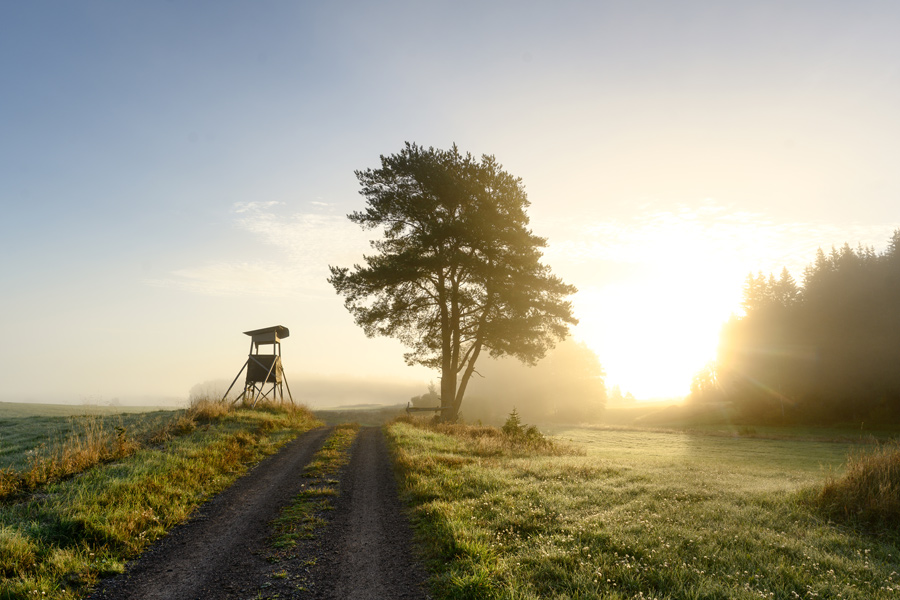
    Leasing hunting land is one of several types of hunting enterprises that can be profitable for landowners, or can at least cover some of the costs of land ownership. This publication give you tips on creating an equitable lease agreement.

    Michael T. Mengak

    |

    Oct. 24, 2024
  • C 977

    Purple Martins

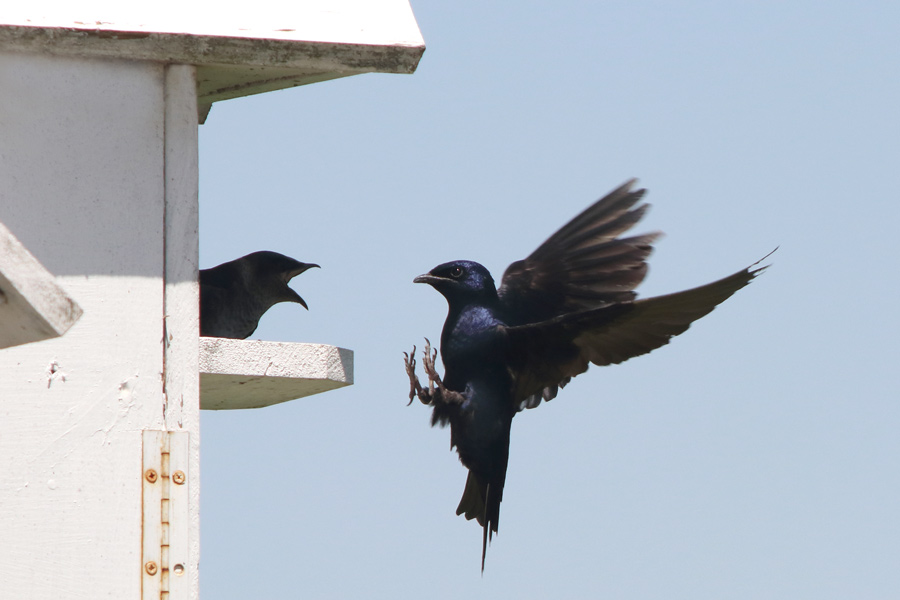
    Not too long ago, every farmhouse had boxes, gourds or other housing to attract purple martins. Martin houses are not as common today as they once were, but with increasing interest in our environment and nonchemical pest control, the martin is regaining popularity.

    Michael T. Mengak

    |

    Oct. 24, 2024
  • C 889-2

    Using Milorganite to Temporarily Repel White-Tailed Deer from Food Plots

    Food plots provide supplemental forage to wildlife during periods when native vegetation is less abundant or lacks nutritional quality. Because deer often prefer fertilized food plot plants to naturally available plants, over-browsing can damage food plots before they become sufficiently established.

    Michael T. Mengak

    |

    Aug. 26, 2024
  • Evaluating Attractants for Live-Trapping Nine-Banded Armadillos

    C 889-3

    Evaluating Attractants for Live-Trapping Nine-Banded Armadillos

    Foraging armadillos often uproot ornamental plants. Their rooting also destroys gardens, lawns and flower beds. Their burrowing can damage tree roots and building foundations. Most armadillo damage is caused by their feeding habits.

    Michael T. Mengak

    |

    Aug. 26, 2024
  • C 889-1

    Using Milorganite to Repel White-Tailed Deer from Perennials

    White-tailed deer provide aesthetic and economic value, but deer can cause a variety of negative economic impacts. Deer can damage personal property, agronomic crops, landscape plantings, and food plots, and they serve as a host for diseases common to livestock and humans.

    Michael T. Mengak

    |

    Aug. 22, 2024
  • A white-tailed deer eats garden plants

    C 1021

    Repellents and Wildlife Damage Control

    Every year, wildlife causes millions of dollars of damage in Georgia. Losses may be economic (like damage to crops) or aesthetic (for example, damage to landscapes or golf courses) and can range from physical damage to vehicles or equipment to public health issues like water pollution and disease transfer to humans, pets or livestock. However, not everyone needs to undertake a wildlife damage control program. This publication provides recommendations for repelling damage-causing wildlife.

    Michel Kohl

    |

    July 15, 2024
  • SB 48-13

    Vertebrate Pest Control

    This section of the Home & Garden Edition covers control of vertebrate pests such as beavers, chipmunks, deer, and bats, as well as repellents and how to manage reptiles, amphibians and birds. Note that prior to killing protected animals in Georgia, it is necessary to obtain a permit from the Wildlife Resources Office of the Georgia Department of Natural Resources. A permit is also required to take furbearing animals or game animals out of season. A current hunting or trapping license is required to take game or furbearing animals in season. Beginning in 2022, the Home & Garden Edition has been updated biennially. When purchasing a product based on a first-year recommendation of the Handbook, check the current product label before purchase to be sure it is still labeled for the use for which you are buying it. For pesticide products you have on hand from earlier purchases, you are allowed to use them until they are depleted without penalty under the law. Always follow label instructions before use. Contact the product’s manufacturer for the most up-to-date label.

    Carsen Dean

    |

    Feb. 7, 2024
1 2 3
Next Page

About CAES

CAES Home

Overview

History

Administration

Jobs

Personnel Directory

Privacy Policy

Accessibility Policy

AI Guidelines

Affiliations

UGA Cooperative Extension

Tifton Campus

Griffin Campus

University of Georgia
  • Schools and Colleges
  • Directory
  • MyUGA
  • Employment Opportunities
  • Copyright and Trademarks
  • UGA Privacy Policy
  • Submit a Student Complaint
#UGA on
© University of Georgia, Athens, GA 30602
706‑542‑3000