Agricultural and Environmental Services Laboratories Resources
-

With growing demands for water that is suitable for drinking (potable) and expanding irrigated acreage, there is an increased pressure on irrigated farms to consider using nonpotable alternatives. However, low quality irrigation water can adversely affect soil physical conditions and crop production. This resource provides in-depth information on the importance of irrigation water quality, water quality attributes, salts content, toxicity and the sources of toxic components, and bacteria in water sources.
|
-
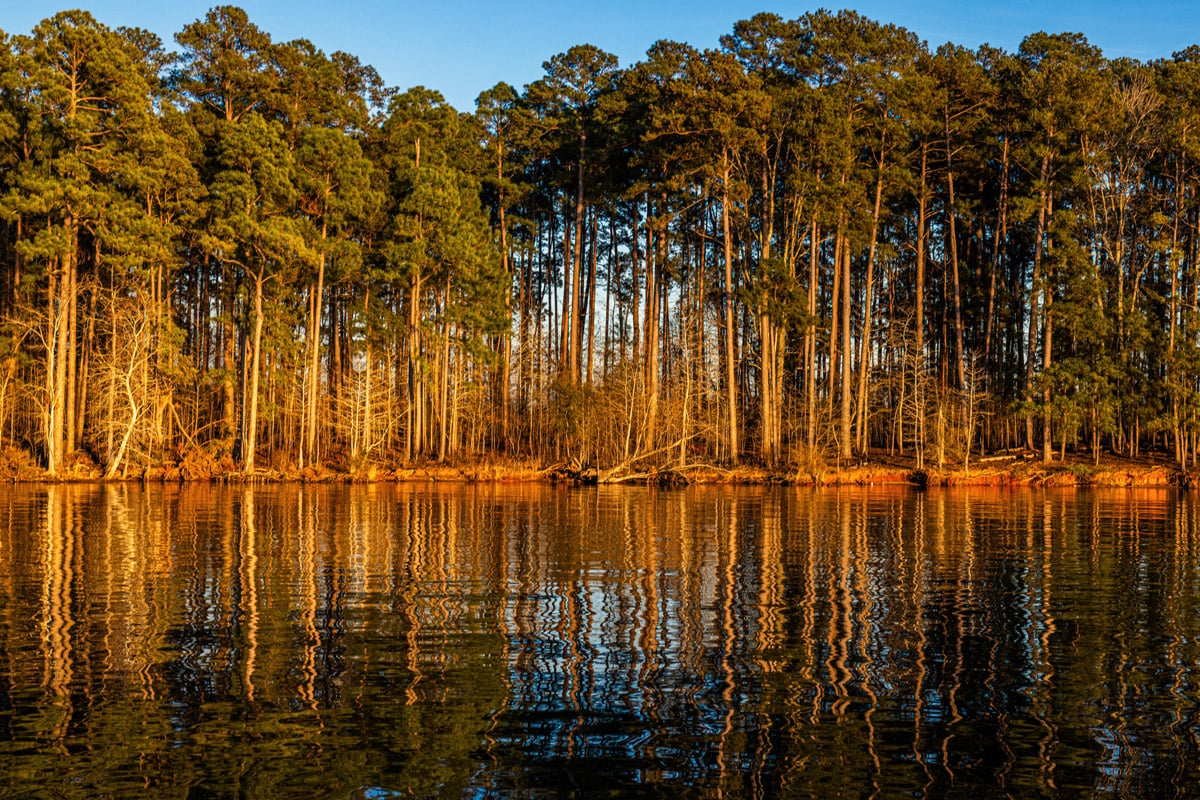
This resource addresses some general concerns and questions about how data center operations could alter water availability and affect the quality of our shared surface water, underground water, and public water systems. The extensive demands for cloud storage, streaming services, and artificial intelligence (AI) in today’s digital economy has sparked a massive boom in the establishment of data centers. Although the concerns and public discussion around this are primarily focused on the huge electricity demands of the data centers, they also have a significant localized impact on our water resources.
|
-

Pathogens in household waters pose a serious threat to human health. The CDC has recorded many drinking water microbial-associated disease outbreaks in the U.S., causing illness, hospitalization, and even death. To protect human health, disinfection is considered important in most water treatment systems. This publication provides necessary information on the various disinfection options for household water as well as important points to consider before buying disinfection equipment.
|
-

The goal of this publication is to guide the user to a better understanding of basic forage quality terms and to recommend management changes that will improve forage quality. To that end, our objectives are to explain how forage quality is measured, describe how to interpret a forage analysis, present the effects of management on forage quality, and list the key management strategies that can increase the nutritive value of forage crops.
|
-
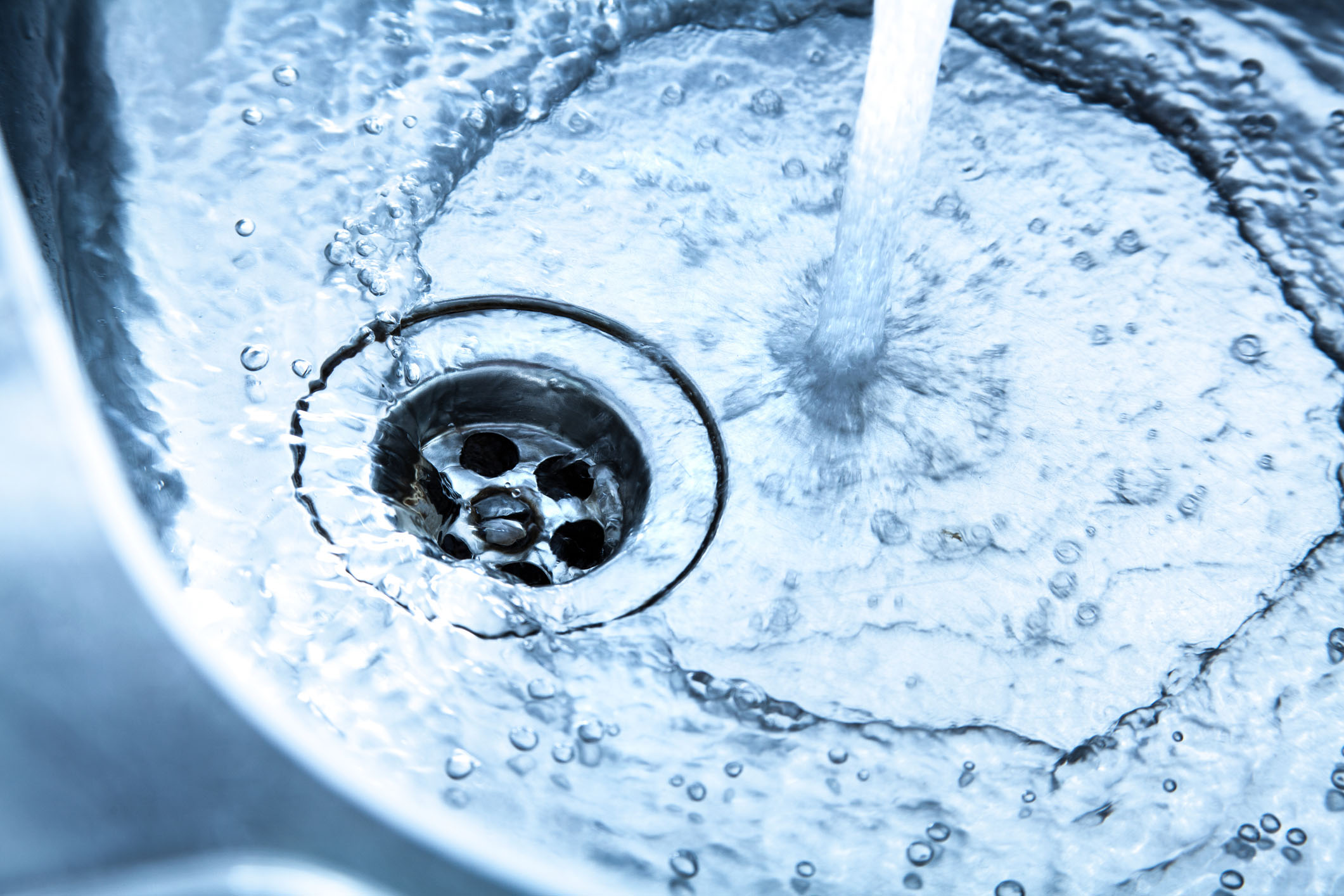
C 858-3
Home Water Quality and Treatment
The quality of your water supply can have both an immediate and a prolonged effect on the health of your household. Many Americans, especially those dependent upon well water, assume that their water is safe and healthy. Unfortunately, this is not always the case. This publication contains basic information about home water quality and treatment.
|
-
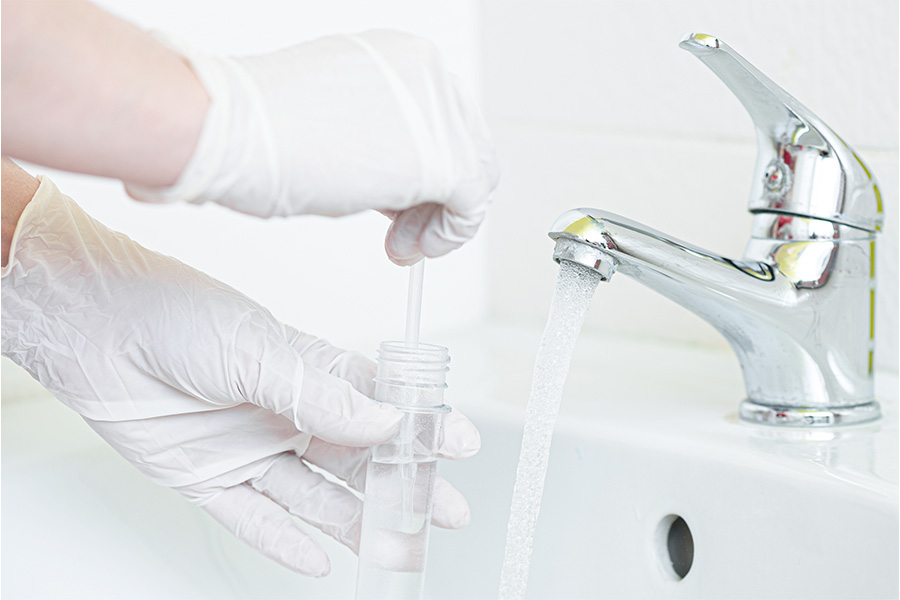
C 858-2
Testing for Water Quality
The quality and safety of drinking water is of great concern to many Americans today because of an increased interest in health and environmental quality. This new focus on water quality has led many Americans to consider testing their water. This publication is intended to help you understand water testing and to identify the tests needed.
|
-
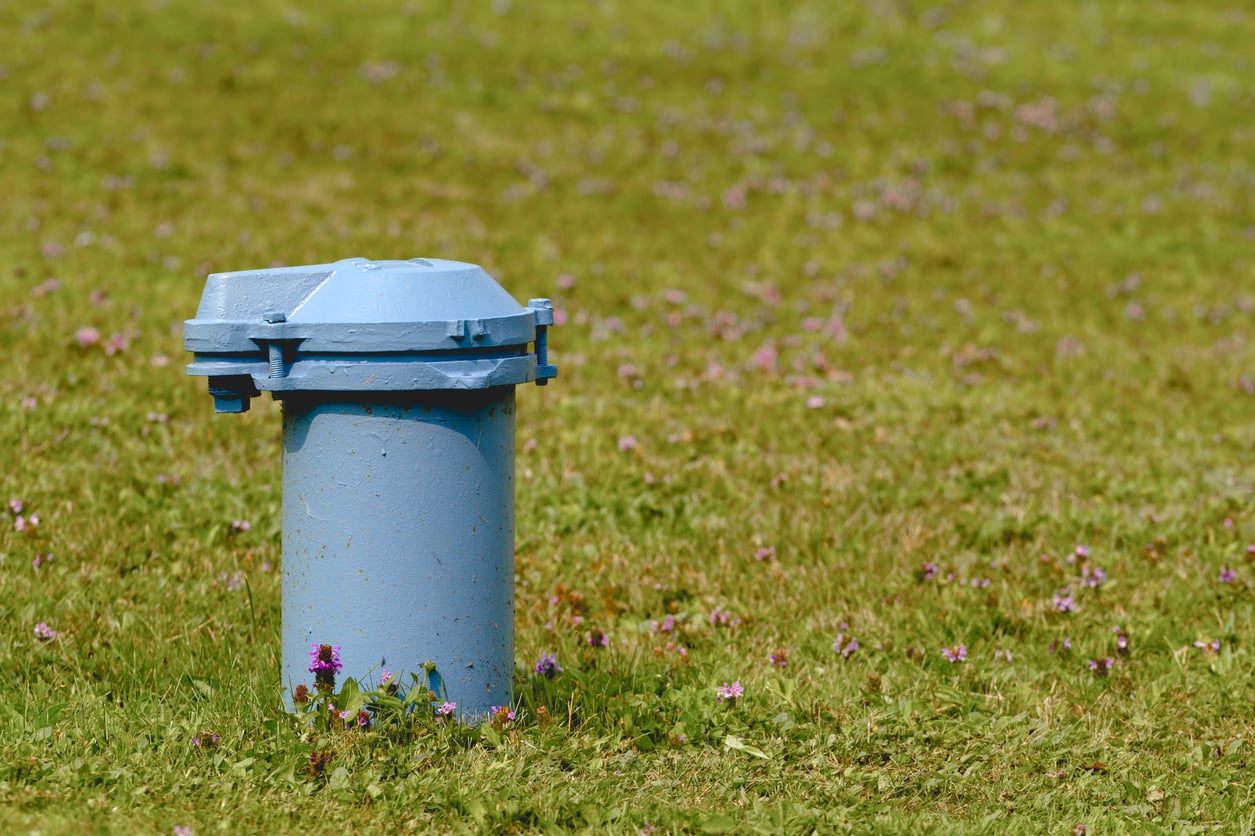
If you are one of the many Americans who use groundwater for drinking,
the proper protection of your well and wellhead is essential for the health of your family, yourself and your neighbors. This publication contains information about protecting your well and wellhead from contaminants.|
-
C 858-14
Uranium in Your Water
Uranium in your drinking water may be harmful to your health. If your water comes from a public system, it is routinely tested to ensure safe levels of uranium. If your source of household water is a private well, cistern or spring, you are solely responsible for the quality of your own drinking water. Private well owners are encouraged to monitor uranium through water testing.
|
-
This resource is for university researchers and Extension specialists, county Extension agents, and producers of livestock, forages, and feeds. It highlights the role of selenium in animal nutrition; selenium concentration and distribution in soils and feedstuffs (grains and forages) produced in various parts of the United States and in Georgia; disorders resulting from selenium deficiency or toxicity; various methods of selenium supplementation; and recommendations for selenium management in Georgia.
|