Agricultural and Environmental Services Laboratories Resources
-

Mechanical filtration removes suspended solids and dirt to greatly improve the clarity of water. Various kinds of mechanical filtration methods and devices are available for home water treatments. Primarily, the size of the suspended solids will determine the appropriate type of mechanical filtration device suitable for your unique situation. Consumers interested in filtration devices should discuss the advantages and disadvantages of various available options with a water treatment professional. This publication discusses the various aspects of mechanical filtration.
|
-

About 95 percent of Georgia’s rural residents depend on groundwater to supply their drinking water and farm needs. Wells are designed to provide clean water. If improperly constructed and maintained, however, they can allow bacteria, nitrates, pesticides, or petroleum products to contaminate ground water. These contaminates can put family and livestock health at risk. This assessment allows you to evaluate the environmental soundness of your farm and operational practices relating to the condition of your drinking water well.
|
-
C 1077
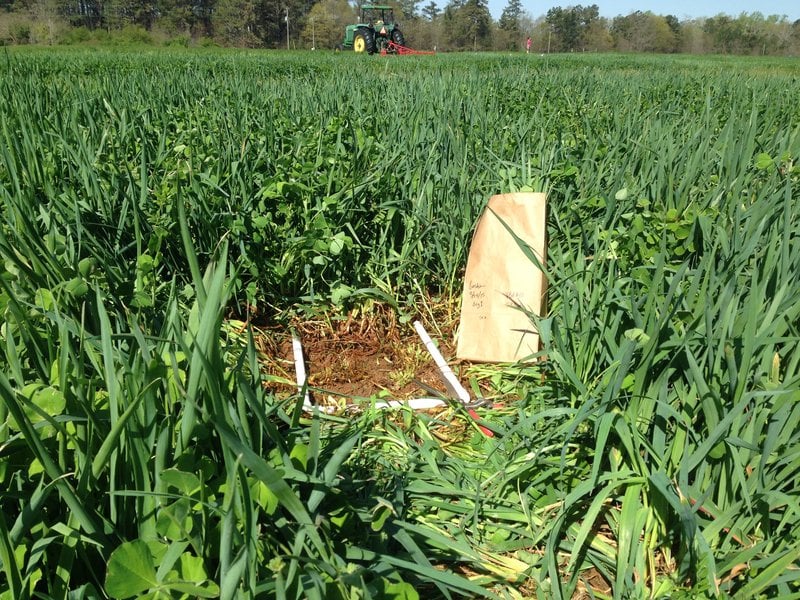
Cover Crop Biomass Sampling
Cover crops are one of the most important practices that farmers can use to improve their soils and the sustainability of their production system. Knowing how much biomass there is in a field is a critical piece of information for cover crop management. This resource covers taking a representative sample, preparing a sample for the lab, and provides a guide to help you calculate wet and dry weights.
|
-
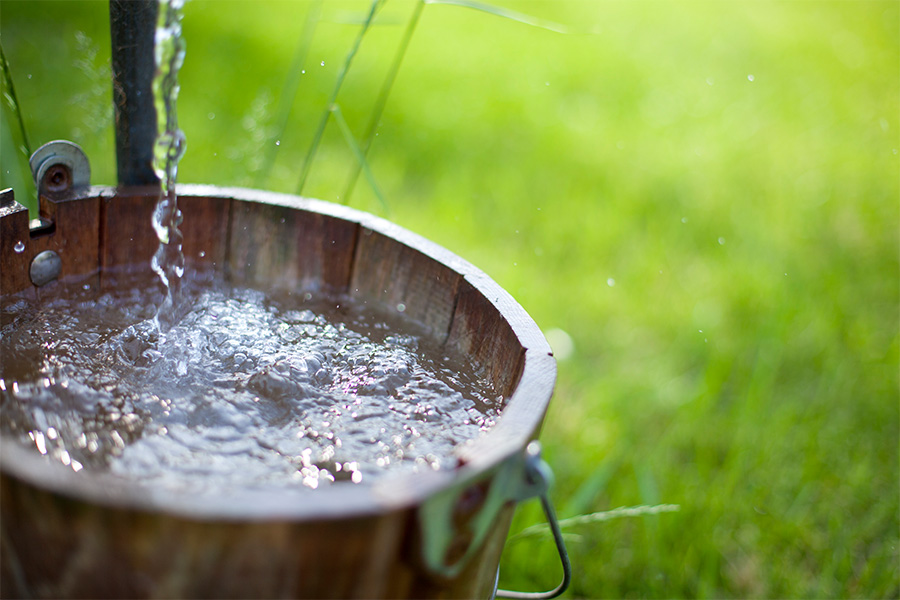
Shock chlorination is the process by which home water systems such as wells, springs, and cisterns are disinfected using household liquid bleach (or chlorine). Shock chlorination is the most widely recommended means of treating bacterial contamination in home water systems. This publication contains guidelines for safely and effectively using shock chlorination — a standard treatment for sanitizing your well system.
|
-

Radon is the second leading cause of lung cancer in the United States. A radon reduction system (radon mitigation) reduces high levels of indoor radon to acceptable levels. The system most frequently used is a vent pipe system and fan, which pulls radon from beneath the house and vents it to the outside. This publication educated homeowners on what they should do before, during and after a radon mitigation and what they should expect from a radon mitigator.
|
-
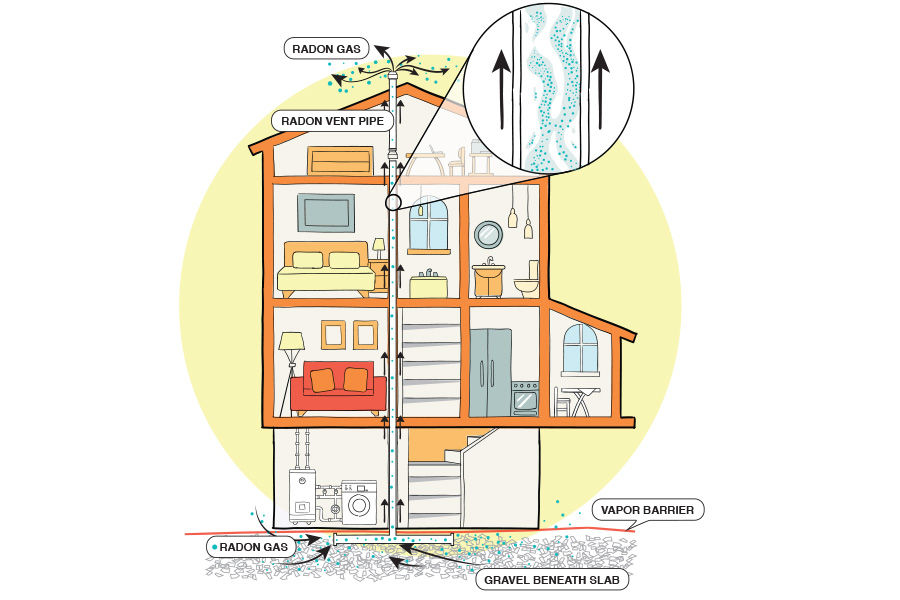
The benefits of building a radon-resistant home are that it reduces a family’s risk of lung cancer; it’s easier and less costly to include features during construction; features are incorporated into the home design and improve aesthetics compared to installing a radon mitigation system after construction; it will improve the indoor air quality and reduce moisture levels; a passive system is easy to activate if needed; and it may add to the resale value of your home.
|
-

Radon may be found in one out of every 15 homes and is the second leading cause of lung cancer in the United States. This gas can enter your home through cracks and holes in the foundation, or even underground well water. This publication provides information on radon-induced lung cancer and ways to reduce elevated radon inside your home. For more information on radon, visit ugaradon.edu.
|
-
C 858-16
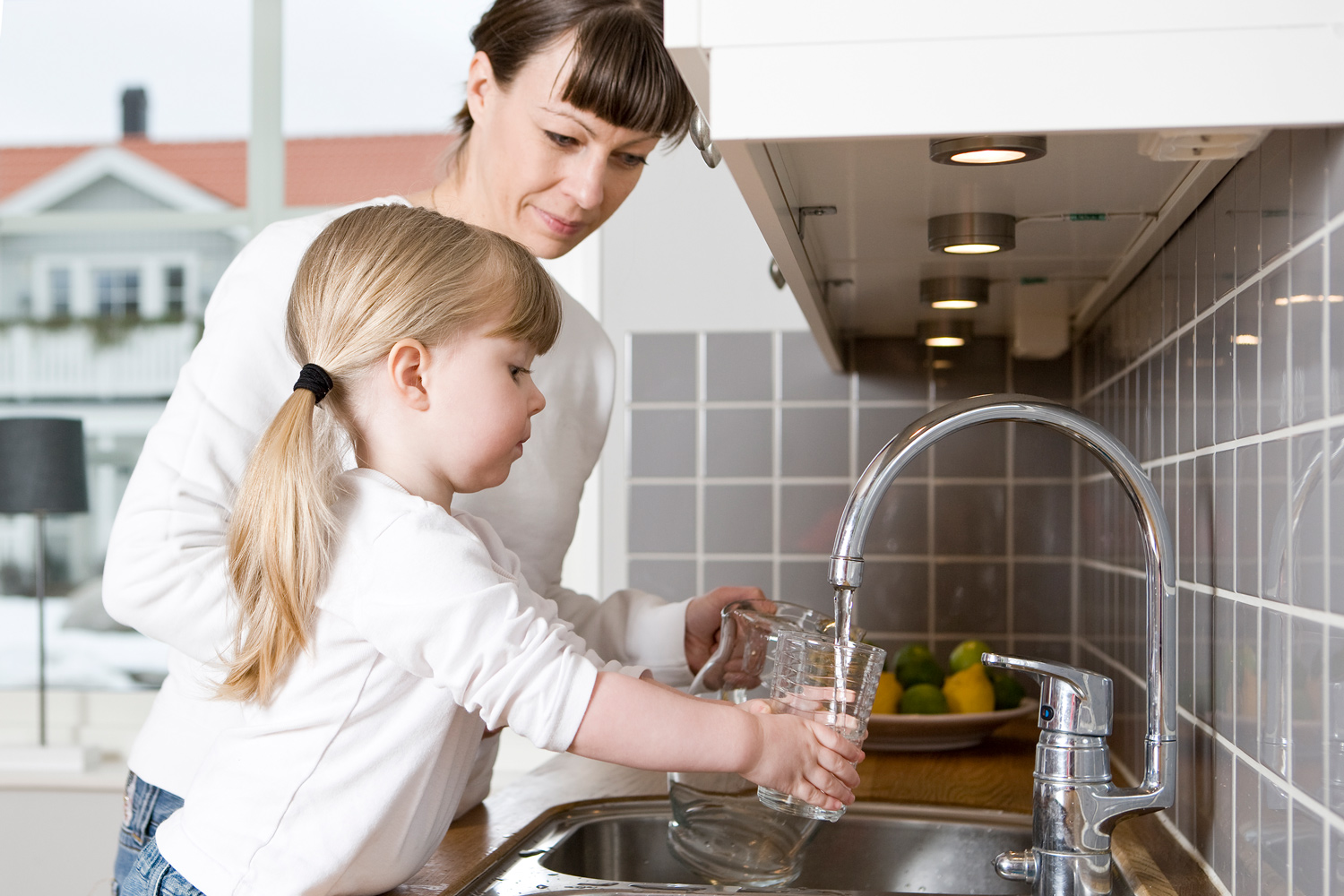
Radon in Your Water
Radon is a naturally occurring, radioactive gas formed from the decay of uranium and radium found in geologic deposits. Exposure to radon gas most commonly occurs through elevated levels in home air. However, in Georgia and neighboring states there is a lesser, though still significant, risk of exposure to radon dissolved in drinking water. This circular addresses the issues on its occurrence, human exposure pathways, testing, interpretations, and remediation strategies.
|
-

This is an annual report (PDF) highlighting research conducted on Vidalia onions in recent years. Research topics include: variety trials, irrigation and fertilizer strategies, sulfur content in soils, effect of fertilizers on yield, thrips, factors affecting postharvest incidence of bacterial bulb rot, and Botrytis leaf blight. To read or download individual articles, refer to the report series.
|