Agricultural and Environmental Services Laboratories Resources
-
C 858-9
Corrosive or Scaling Water
Corrosiveness or scaling is an inherent property of some groundwater and is related to the type of rocks or sediments in contact with the groundwater. Corrosion is caused when water reacts with and dissolves metal plumbing. This resource provides nontreatment strategies for reducing problems and treatment methods to reduce the corrosion or scale caused by your water.
|
-
C 858-8
Hydrogen Sulfide and Sulfate
This publication describes hydrogen sulfide and sulfate and its effects on household water quality.
|
-
C 858-7
Coliform Bacteria in Your Water
This publication contains information about identifying and controlling coliform bacteria in household water.
|
-
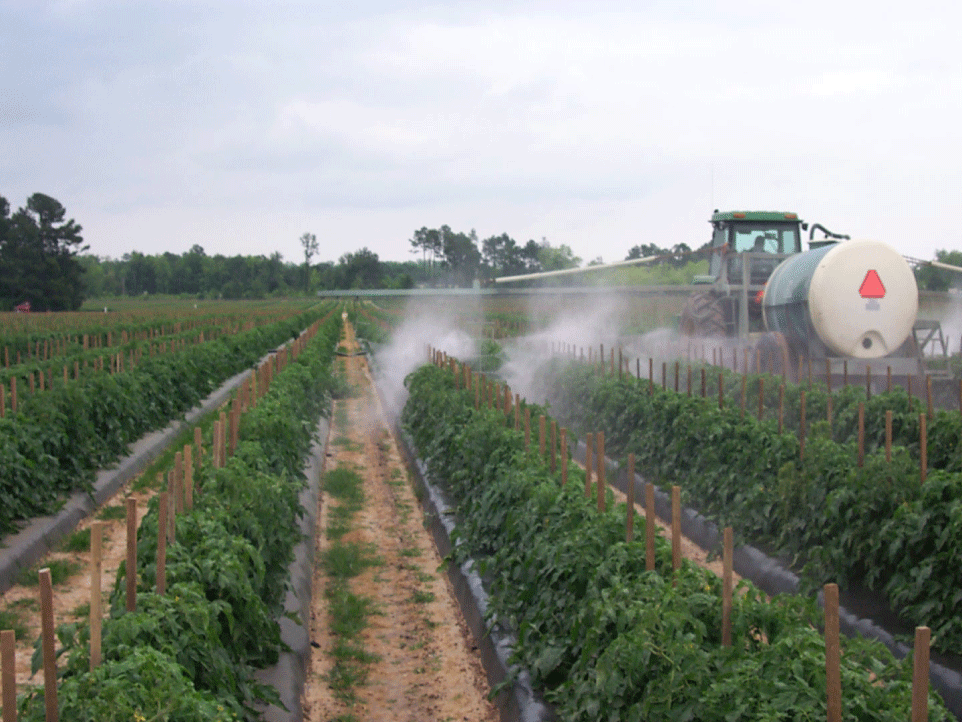
Municipal water systems are required by law to be monitored for many contaminants found in pesticides, solvents, and petroleum products. However, if your water comes from a private well or from a system that serves fewer than 25 people or has fewer than 15 connections, it is not regulated under these laws. The safety of water from these sources is the responsibility of the owners. If you suspect that your water supply may be contaminated, be sure to have your water tested. Contact your county Extension agent for more information. A home water treatment system can help to protect you from certain contaminants in your water supply.
|
-

C 858-5
Nitrate and Nitrite in Water
Private well owners are responsible for the safety of their drinking water. Maintaining a healthy well requires routine testing for possible contaminants, including nitrate and nitrite. To assist in water safety, the EPA has set standards for nitrate levels in public drinking water systems. Although private well owners are not required to meet these standards, they do serve as a reference for safe drinking water. The EPA Maximum Contaminant Level (MCL) nitrate is: 10 ppm (parts per million) or mg/L (milligrams per liter) nitrate-nitrogen or, if expressed as nitrate, 45 ppm. For nitrite, the MCL is: 1 ppm or mg/L nitrite-nitrogen or, 3.28 ppm if expressed as nitrite. Nitrite is not stable in water and rapidly transforms to nitrate fairly easy. Its presence is an indicator of high concentrations of either nitrate or ammonia.
|
-
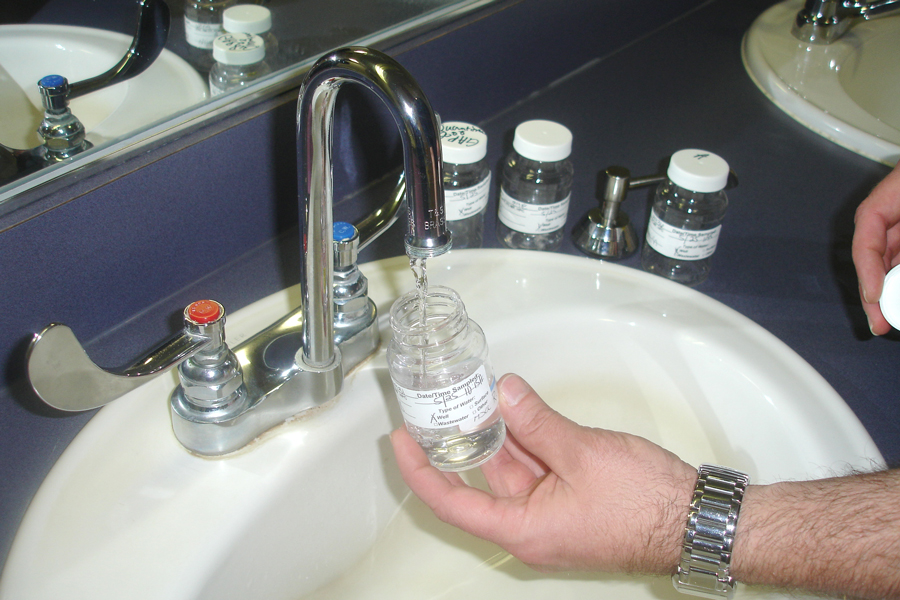
An abundant supply of clean, safe drinking water is essential for human and animal health. Water from municipal or public water systems is treated and monitored to ensure that it is safe for human consumption. Many Georgia residents, especially in rural areas, rely on private water systems for human and livestock consumption. Most private water systems are supplied by wells. Water from wells in Georgia is generally safe for consumption without treatment. Some waters, however, may contain disease-causing organisms that make them unsafe to drink. Well waters may also contain large amounts of minerals, making them too “hard” for uses such as laundering, bathing or cooking. Some contaminants may cause human health hazards and others can stain clothing and fixtures, cause objectionable tastes and odors, or corrode pipes and other system components.
|
-

Georgia is experiencing rapid growth in utility-scale solar energy development. This resource addresses some general concerns and questions residents have asked UGA Extension about how the construction and operation of these solar facilities could affect our soil and the quality of our shared surface and underground waters, including well water.
|
-

An estimated 1.7 million people in Georgia rely on 640,000 private wells for their drinking water supply, and private well water users are responsible for ensuring the quality and safety of their water supplies for domestic, livestock, and irrigation use. This online tool provides interpretations and recommendations for drinking water quality.
|
-

Bacteria in your drinking water supply do not necessarily pose a health hazard, but they can be a nuisance. The two most common types of nuisance bacteria are iron (manganese) and sulfur bacteria. Iron bacteria are generally more common than sulfur bacteria because large amounts of iron can be present in ground water. You can typically confirm the presence of iron bacteria through visual inspection. The unmistakable “rotten egg” odor of hydrogen sulfide gas is the most obvious sign of a sulfur bacteria problem. This resource includes some simple preventive measures as well as control and treatment options.
|