Commercial Pesticide Resources
-
 Revised
This publication provides information on pulse width modulation (PWM) technology including its working principle, components, benefits, and best management practices for its optimal utilization on agricultural sprayers. Pulse width modulation technology was developed to overcome pressure variation issues, as the flow rate is varied by changing the cycle of the electronically actuated solenoid valves while the system pressure remains constant throughout the boom.
|
-

Applicators used in granular applications should be calibrated to ensure uniformity and accuracy. An accurate and uniform application can reduce the quantity of an active ingredient required for a given degree of control.
|
-

This report provides research and extension results for trials conducted by the University of Georgia Vegetable Team and its collaborators in the 2024-2025 growing season. Insects continue to represent significant threats to the production of most, if not all, of our vegetable crops. While multiple approaches are used to manage insect pests, insecticides remain a key component for rapid response when pest populations exceed acceptable levels. Contributing authors include county and regional faculty as well as specialists from UGA’s horticulture, plant pathology, crop and soil sciences, and entomology departments. All research has been supported by the Georgia Commodity Commission for Vegetables.
|
-
This report provides research and extension results for trials conducted by the University of Georgia Vegetable Team and its collaborators in the 2024-2025 growing season. The objective of this study was to compare multiple spraying systems (drone, tractor, etc.) and platforms for vegetable production. Contributing authors include county and regional faculty as well as specialists from UGA’s horticulture, plant pathology, crop and soil sciences, and entomology departments. All research has been supported by the Georgia Commodity Commission for Vegetables.
|
-

This circular provides a basic summary of the best management practices of integrated mosquito management. These practices begin with education and communication and progress through surveillance, source reduction, larviciding, and adulticiding. The circular presents guidelines that communities can use to help develop the most effective mosquito management program possible with the resources available. Using these practices will help to minimize pesticide exposure to pollinators and other non-target pests.
|
-
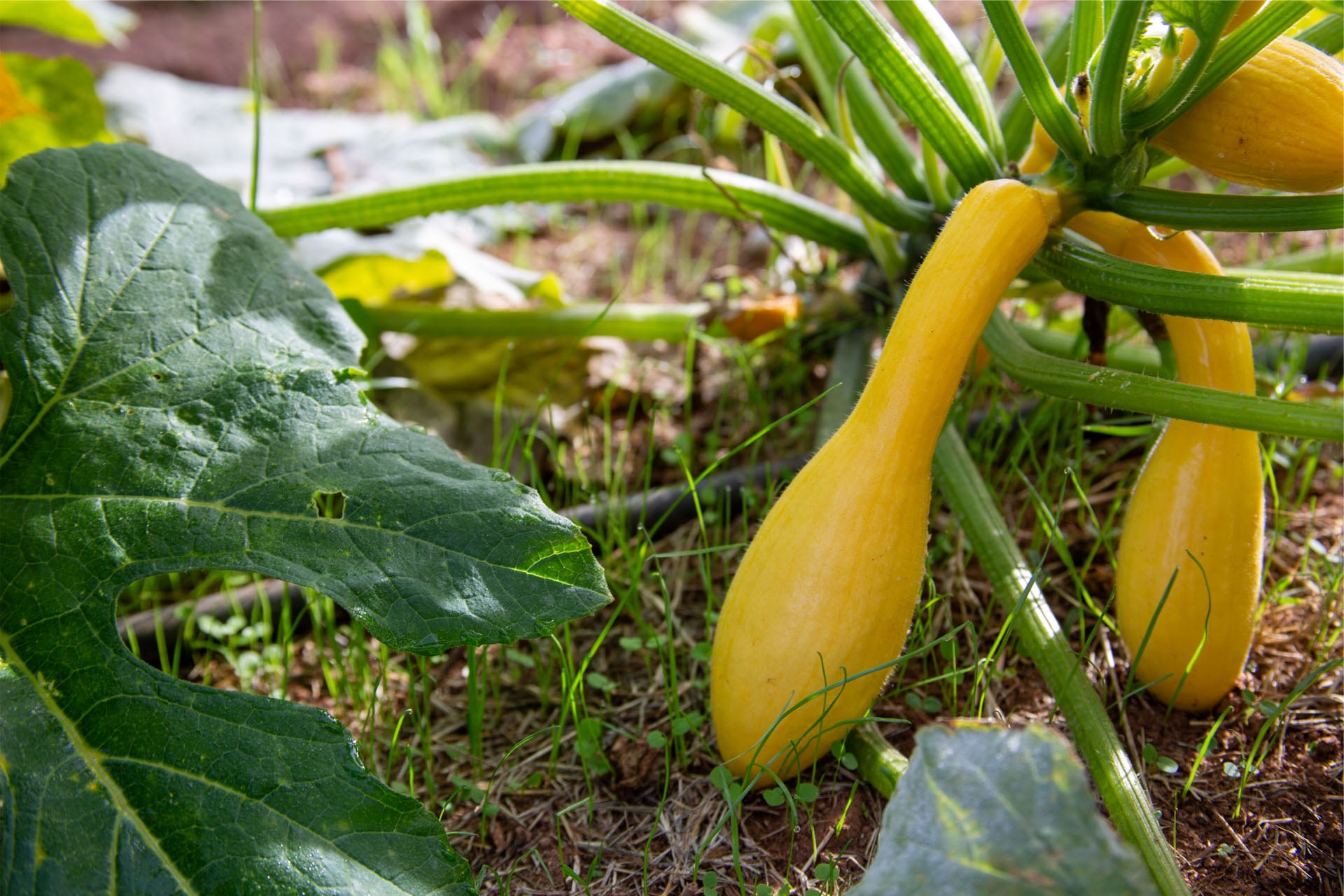
This resource provides a step-by-step guide to test for residual aminopyralid herbicide in soils using a simple bioassay (by growing test squash or green bean plants).
|
-

This is a new annual guide for managing diseases, insects, weeds, and wildlife in bunch grapes in the Southeast. This regional integrated pest management guide provides recommendations based on information from the manufacturer’s label and performance data from research and Extension field tests. This publication is intended for use only as a guide. Specific rates and application methods are on the pesticide label, and these are subject to change at any time. This publication is a product of the Southern Region Small Fruit Consortium.
|
-

This integrated pest management (IPM) guide for blackberry and raspberry production includes management of diseases, insects, and weeds through IPM principles. Topics include pesticide stewardship and safety, insect and disease control, pre-transplant and transplant operations, fungicides and insecticide efficacy comparisons, and spray schedules, weed management, wildlife damage, and more. Recommendations are based on information from the manufacturer’s label and performance data from research and Extension field tests. Specific rates and application methods are on the pesticide label, and these are subject to change at any time. This publication is a product of the Southern Region Small Fruit Consortium.
|
-

This publication provides current guidance for insect, disease, and weed control in commercial pecan orchards.
|