Commercial Vegetables Resources
-

Drip irrigation is an important component of vegetable production systems in Georgia. Drip irrigation is more desirable than other irrigation methods for several reasons. Two important advantages are (1) water conservation and (2) potentially significantly improving fertilizer management. Fertigation is the timely application of small amounts of fertilizer through drip tubes directly to the root zone. Compared to conventional ground application, fertigation improves fertilizer efficiency.
|
-

Producing greenhouse-grown containerized transplants is an increasingly popular way to establish vegetable crops. Compared to field-grown transplants, greenhouse transplants have several advantages. They can be produced earlier and more uniformly than field-grown plants. Their growth can be controlled more easily through fertility and water management and they can be held longer and harvested when needed.
|
-
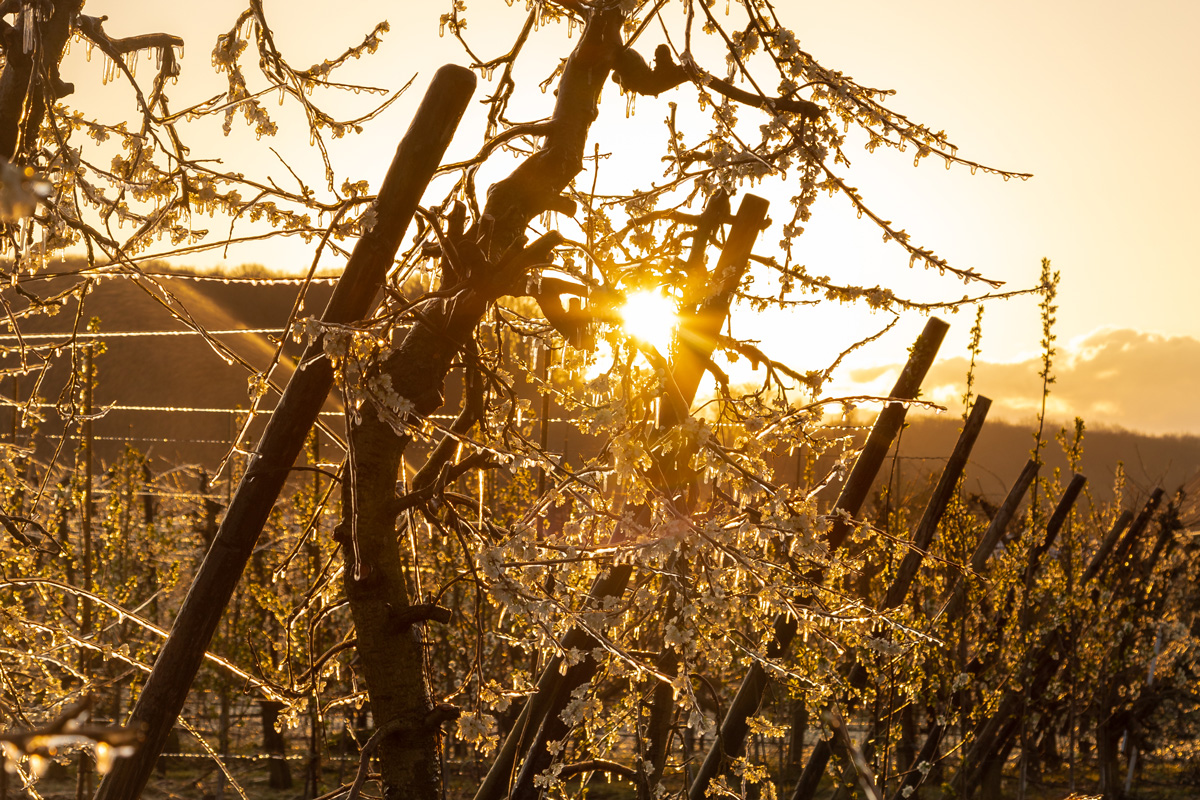
Freeze protection efforts should be based on the type of freeze, temperature, and wind speed that is impacting your crop. To apply frost protection, consider your crop value, the freeze protection capacity of your system, and the crop’s susceptibility to injury at each growth stage.
|
-
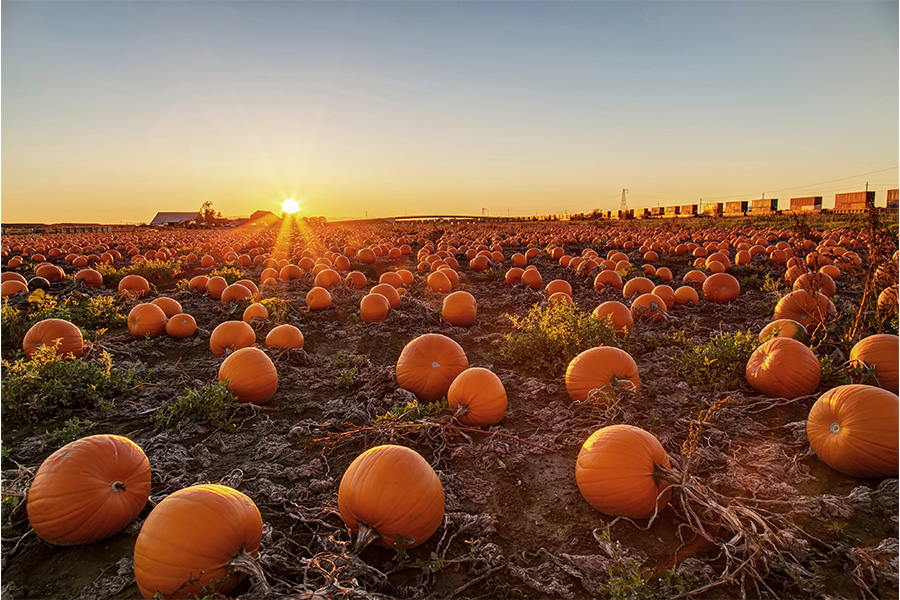
The seven topics covered in this publication are all integral parts of a successful pumpkin/gourd management program. Each topic is designed to focus on a particular aspect of production and provide the latest management technology for that phase of production. It is hoped that the information contained in this publication will assist growers in improving profitability.
|
-
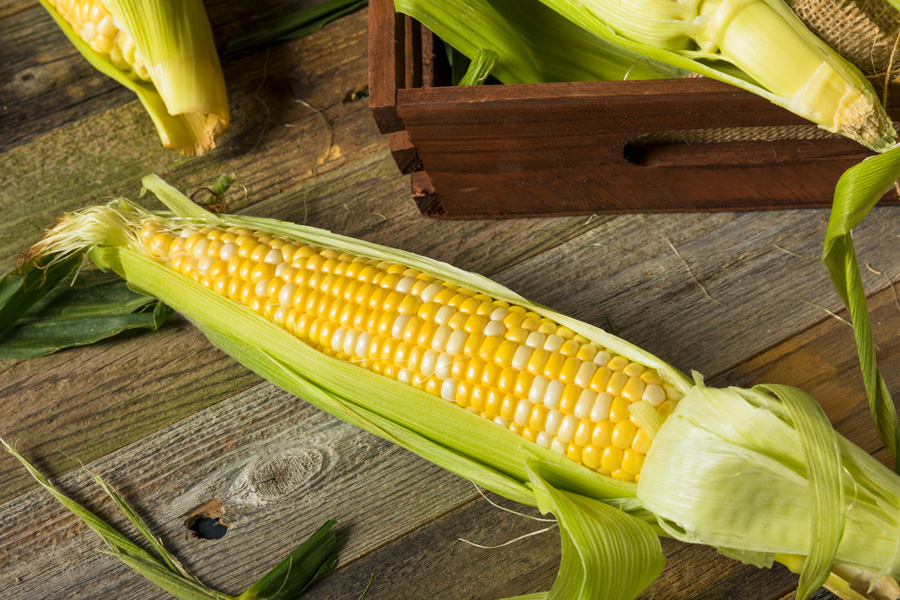
Summarizes shipper sweet corn production in southern Georgia.
|
-
Sweet potatoes are members of the Convolvulaceae family, which includes morning glory. They are native to tropical America and are a perennial plant there. In more temperate regions such as the United States, they are frost-sensitive and grown as annuals. Sweet potatoes are grown for their edible root, which is often mistakenly called a tuber, like white or Irish potatoes (Solanum tuberosum). However, the edible portion of the sweet potato is a true root and will continue to enlarge as long as the plant continues to grow. Sweet potatoes have been grown by Native Americans in Mexico, Central America, Peru, Ecuador, and the U.S. for thousands of years. This bulletin is a comprehensive resource on the production, disease, insect, nematode and weed management of sweet potato.
|
-

2020 plant disease losses in Georgia, including control costs, amounted to an estimated $806 million. The value of the crops used in this estimate was approximately $6.712 billion, resulting in a 12.01% relative disease loss across all crops included in this summary. The estimated values for most crops used to compute these disease losses are summarized in the 2020 Georgia Farm Gate Value Report (AR-22-01) by the UGA Center for Agribusiness & Economic Development. Some estimates for fruits, ornamentals, and turf rely on specialists’ knowledge of the industry and industry sources for information. Losses covered include: apple, blackberry, blueberry, bunch grape, corn, cotton, muscadine grape, ornamentals, peach, peanut, pecan, soybean, strawberry, turfgrass, vegetables, and wheat.
|
-

This report provides research and extension results for trials conducted by the University of Georgia Vegetable Team and its collaborators in 2022. Contributing authors include county and regional faculty as well as specialists from UGA’s horticulture, plant pathology, crop and soil sciences, and entomology departments. All research has been supported by the Georgia Commodity Commission for Vegetables.
|
-

The production, harvest, sorting and packing of fruits and vegetables produces close to a billion pounds of produce annually. These processes also result in material that is rotten, has bad spots, or is removed from packing lines. Properly dealing with discarded products can reduce the potential for environmental pollution while also protecting the individual who is responsible for the discarded materials.
|