Commercial Vegetables Resources
-
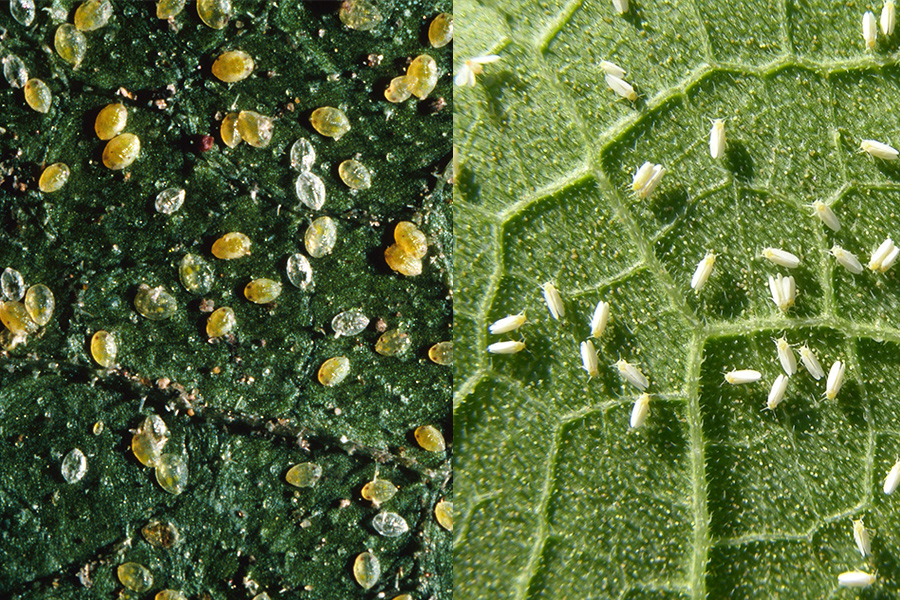
The silverleaf whitefly (also known as sweet potato whitefly) is a pest of a wide variety of horticultural and agronomic crops in southern Georgia. Their direct feeding can damage plants and lead to additional problems with the accumulation of honeydew and sooty mold, and these insects also inject salivary fluids while feeding, which can result in plant disorders and transmission of plant viruses.
|
-
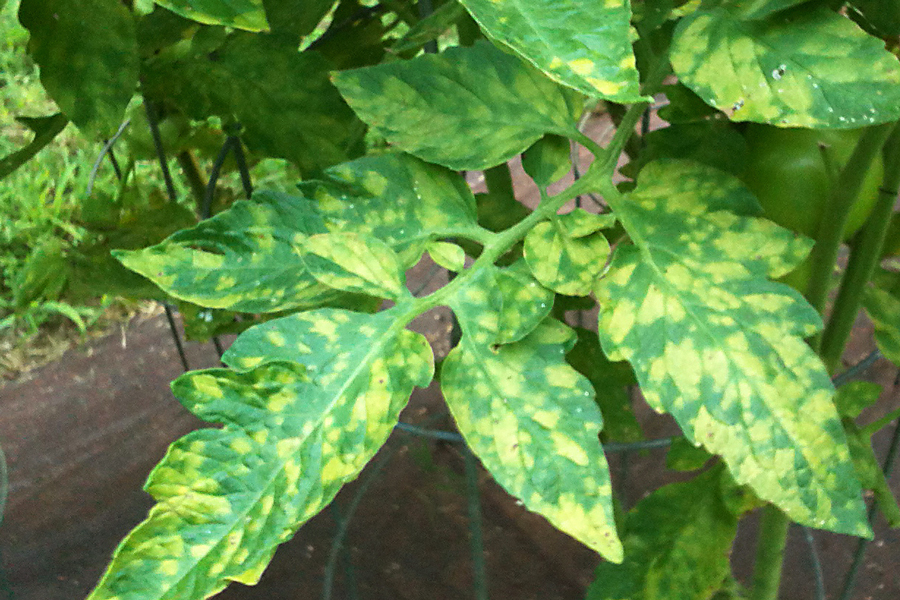
This publication contains information about common tomato diseases in Georgia. It includes photographs and descriptions of diseases such as buckeye rot and fusarium wilt.
|
-
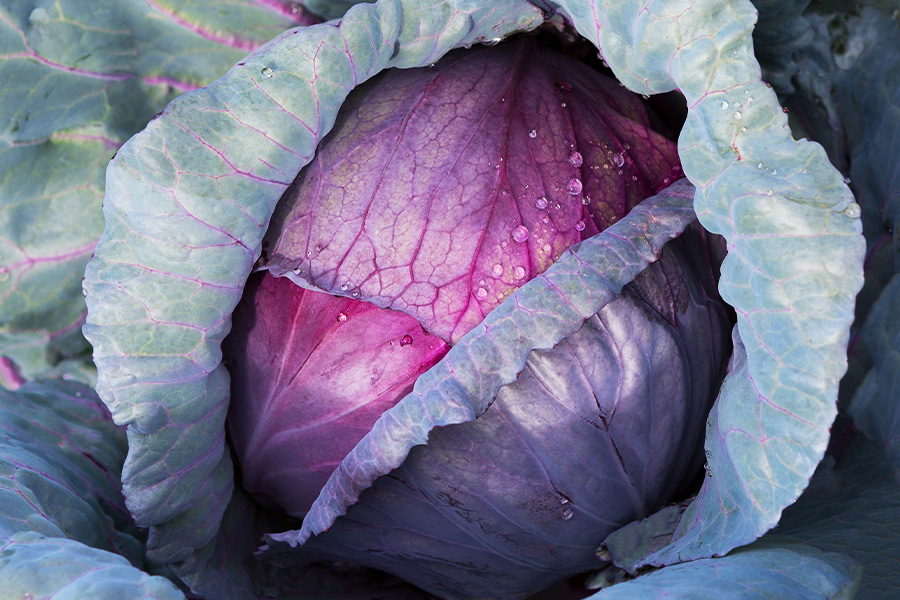
Red cabbage is a highly nutritious vegetable crop, rich in minerals, vitamins, and several other chemical compounds that are beneficial for human health, including phenols, proteins, glucosinolates and anthocyanins. While red cabbage belongs to the same group as the other cabbage varieties (white and green) widely produced and consumed in the state, red cabbage production and consumption in Georgia is still low. This publication contains basic information on crop management, food safety practices, and biochemical properties of red cabbage.
|
-
C 1300-02
Cross-Contamination
Cross-contamination, resulting in foodborne pathogen contamination of small fruits, can occur at any point throughout production and post-harvest handling. This video discusses techniques and best practices for growers and packers to ensure the production of safe, high-quality small fruits. This video was produced in collaboration with the Auburn Department of Horticulture.
|
-

AP 130-2-11
2024 Vegetables and Pulses Outlook
1. Total harvested area of vegetables and pulses decreased by 3.2% from 2021 to 2022, and fresh and processed vegetable area harvested decreased by 5.1%; the situation is expected to deteriorate in 2024.
2. 2022 total imports of vegetables and pulses were $18.7 billion, an increase of 11.1% compared to 2021; this import trend is expected to continue.
3. Per capita vegetable consumption may increase in 2024 but will not attain the level seen in the years 2020–2022.|
-

Subsurface drip irrigation is the practice of installing drip irrigation below the ground surface. This publication is designed to provide a brief introduction to the site selection, design, installation, and management of subsurface drip irrigation.
|
-

This report provides research and extension results for trials conducted by the University of Georgia Vegetable Team and its collaborators in 2023. Contributing authors include county and regional faculty as well as specialists from UGA’s horticulture, plant pathology, crop and soil sciences, and entomology departments. All research has been supported by the Georgia Commodity Commission for Vegetables.
|
-
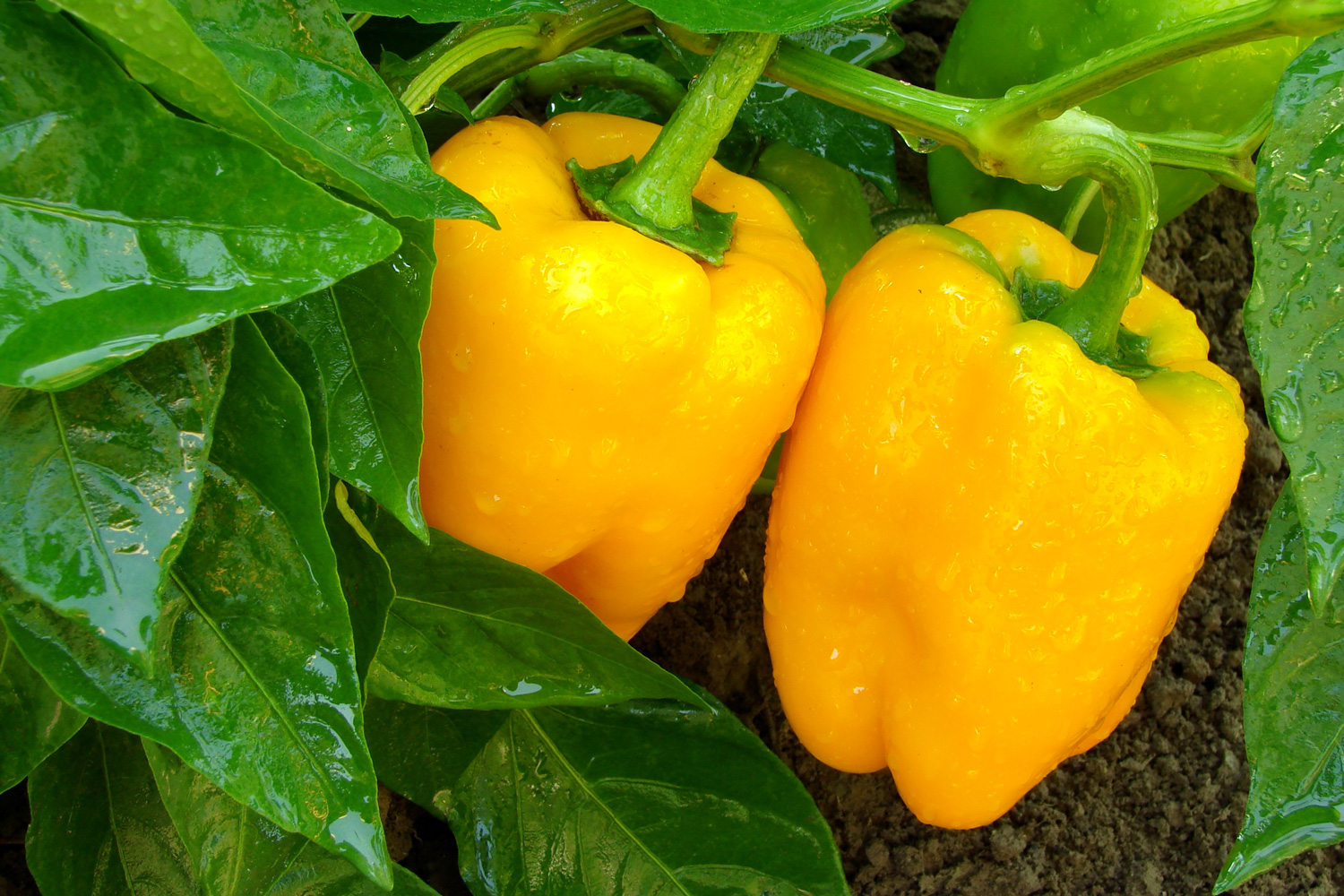
This publication is part of a series focusing on irrigation scheduling for vegetable crops. It contains basic information on water use and irrigation management using the crop water demand method for Solanaceae crops such as bell peppers, tomatoes, and eggplants.
|
-
C 1300-01
Foodborne Illnesses
Foodborne illnesses sicken approximately 48 million Americans a year and result in significant financial losses for the food industry. Outbreaks of foodborne illness have been linked to consumption of small fruit products, but growers and packers can take precautions to reduce food safety risks on their operations. This video discusses what foodborne illnesses are, what causes them, and basic steps that can be taken to ensure the production of safe fruit. This video was produced in collaboration with the Auburn Department of Horticulture.
|