Commercial Vegetables Resources
-
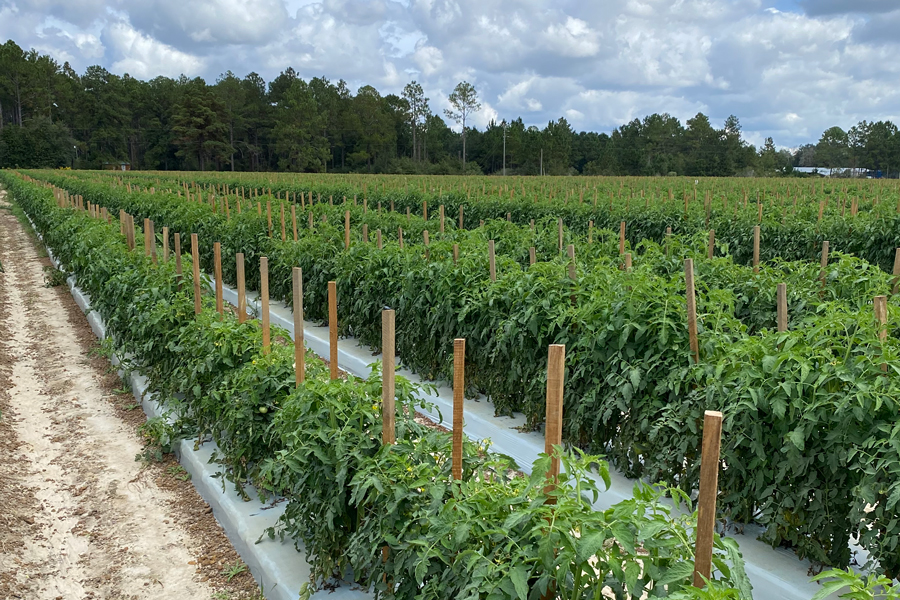
A soil test is a chemical technique used to determine the status of available nutrients in a soil sample. It is a common method used to predict how soils will react to the addition of lime or fertilizer and calculate how much of each is required for crop production.
|
-
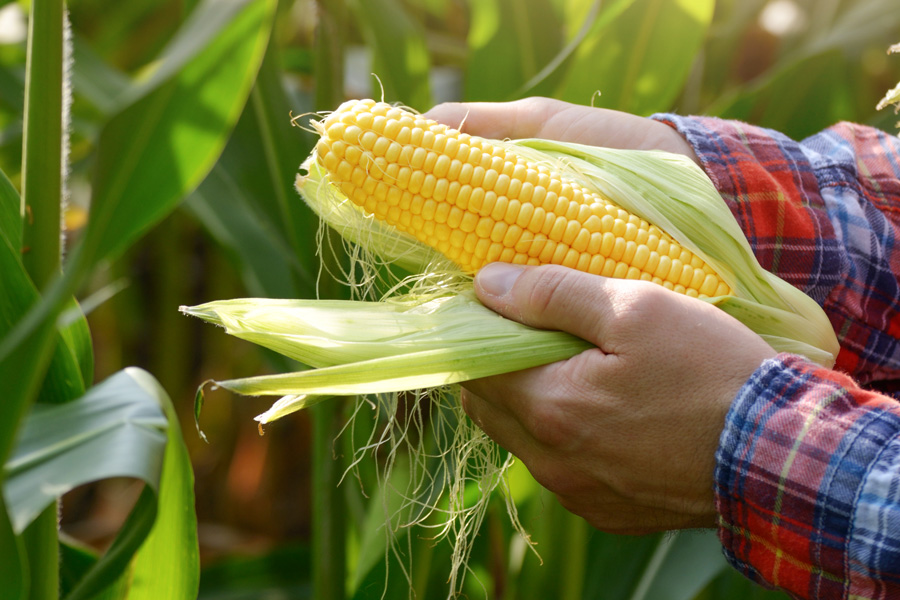
The growth and development of sweet corn is affected by accumulated heat units, measured in growing degree days (GDDs). This publication provides South Georgia sweet corn growers with insights into the relationship between temperature and GDD units and the key growth stages of sweet corn. This will help growers make informed decisions about the timing for planting, management practices, irrigation, and harvesting.
|
-
In Georgia, there are many small-scale producers that largely use ecological production practices, such as Certified Organic, and sell in farmers markets or other direct marketing channels. As these direct markets begin to saturate, these producers may need to forge a path beyond direct markets to wholesale or institutional markets that want sustainable products. Food hubs may offer a path for these small farms to scale up. There are three overlapping forms of food hubs in Georgia. Each has different markets and thus different requirements for the producers who sell to them. This publication discusses the types of food hubs in Georgia and gives producers guidelines on which form of food hub may work best for them.
|
-

AP 130-3-11
2025 Vegetables and Pulses Outlook
1. The total harvested area of vegetables and pulses has been declining for the past 5 years, including a 25%–30% loss of Georgia’s fall vegetable crop because of Hurricane Helene, and the downward trend is expected to continue in 2025.
2. Total imports of vegetables and pulses were $20 billion in 2023, an increase of 7% compared to 2022. This increased import trend and value is expected to continue in 2025.
3. Although vegetable per capita consumption increased by 1.7% in 2023, the increase did not surpass the 405.4 lb consumed per capita in 2020. It is expected that 2025 will be much better.|
-
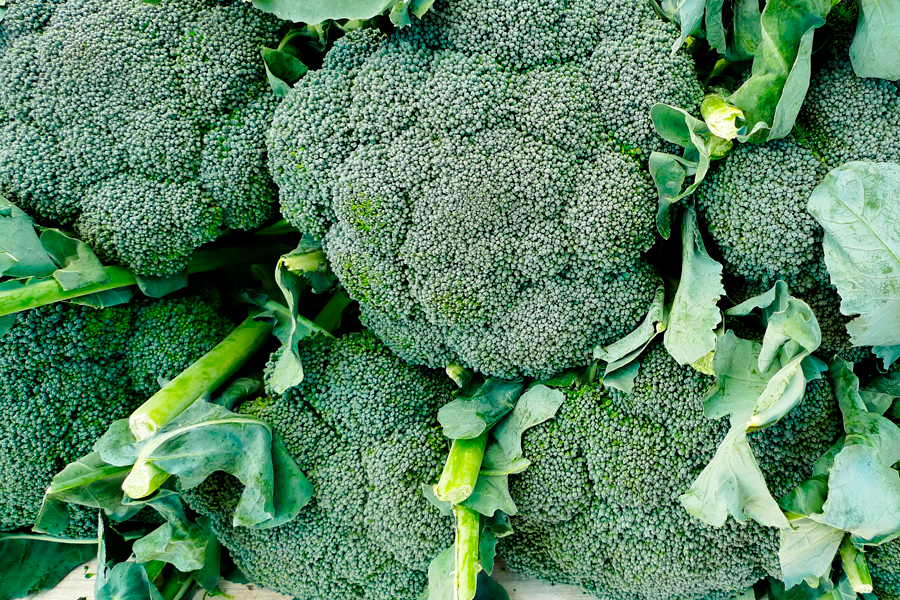
Broccoli is grown throughout Georgia in both the fall and spring growing seasons. A locally significant wholesale industry developed in southwest Georgia, and acreage devoted to broccoli production has increased. The wholesale broccoli industry fills a market window in late fall, through winter, and into early spring. Plantings also occur in north Georgia, where lower winter temperatures limit late fall plantings but allow plantings later into the spring growing season. This publication addresses considerations of horticulture, entomology, and plant pathology for production of fresh market broccoli in Georgia.
|
-
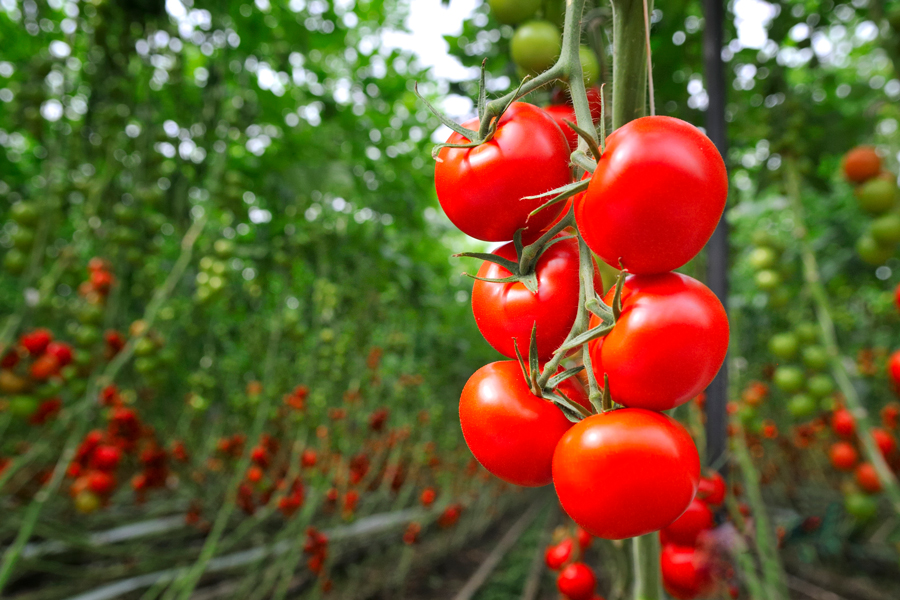
This report provides research and extension results for trials conducted by the University of Georgia Vegetable Team and its collaborators in 2024. Contributing authors include county and regional faculty as well as specialists from UGA’s horticulture, plant pathology, crop and soil sciences, and entomology departments. All research has been supported by the Georgia Commodity Commission for Vegetables.
|
-
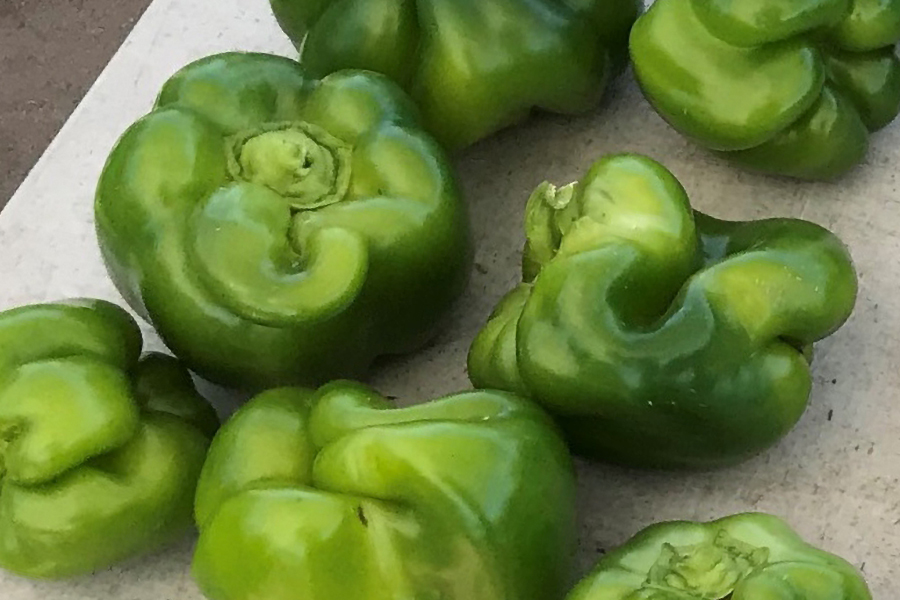
Various physiological disorders can affect the appearance and desirability of fresh market bell peppers; these often arise from environmental stresses and nutritional imbalances. Understanding these physiological issues is essential for growers to manage and mitigate them effectively. These disorders are common and are related to plant growth and development, not diseases. This circular shows these horticultural characteristics or traits that are expressed by certain genotypes.
|
-
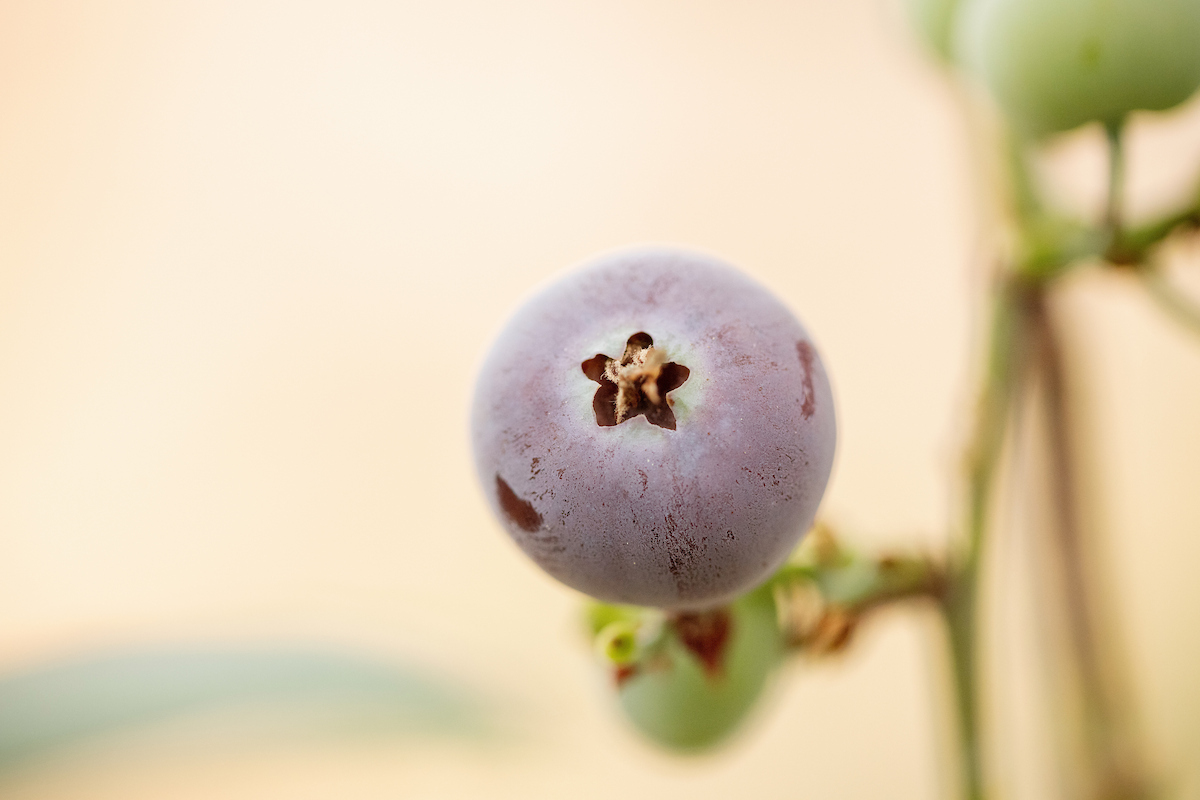
2022 plant disease losses, including control costs, amounted to an estimated $933 million. The value of the crops used in this estimate was approximately $8200 million, resulting in a 11.4% relative disease loss across all crops included in this summary. The estimated values for most crops used to compute these disease losses are summarized in the UGA Center for Agribusiness & Economic Development 2022 Georgia Farm Gate Value Report (AR-24-01). Some estimates for fruits, ornamentals, and turf rely on Extension specialists’ knowledge of the industry and industry sources for information.
|
-
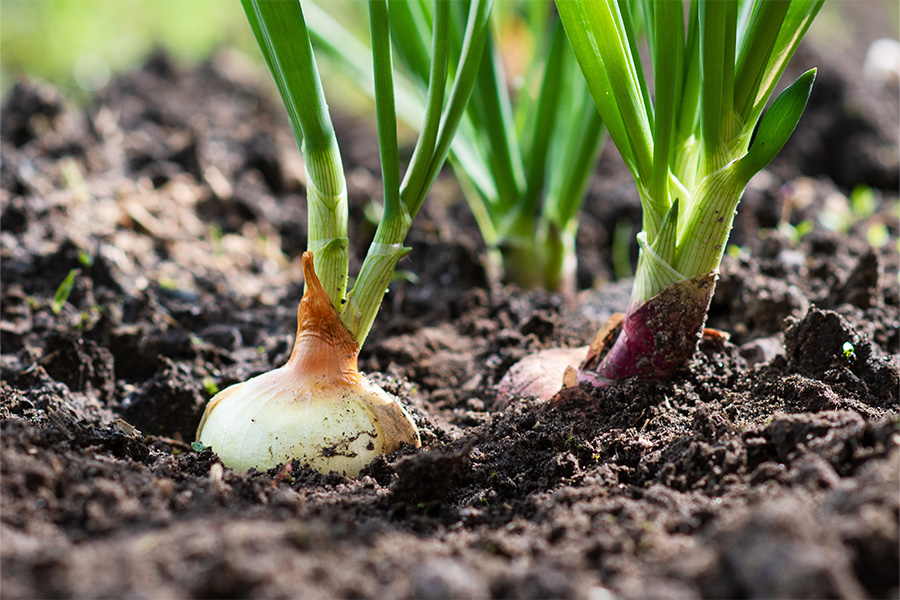
Bacterial diseases are among the major production and economic challenges that onion growers face in Georgia. There are six bacterial diseases that commonly affect onion foliage and bulbs in the state. These diseases are difficult to manage and rely mainly on cultural practices and the use of protective bactericides. Host resistance is limited with little information on pathogen biology and the infection process. This bulletin provides a comprehensive outlook on specific symptoms associated with bacterial diseases, modes of infection and spread, and potential management options.
|