UGA College of Agricultural & Environmental Sciences Field Report
  • Stories
    Almanac

    Science in service of humanity and the environment

    Read our annual magazine here

    READ


    Dive into engaging stories that showcase our statewide, national and global impact.

    Check out our written stories here

    LOOK


    Browse curated photo galleries capturing the people, places and programs that bring CAES to life.

    Check out our photo galleries here

    WATCH


    Experience our stories through videos that highlight our people, projects and passions in action.

    Check out our video library here

    LISTEN


    Tune in to “Cultivating Curiosity,” our podcast featuring in-depth conversations with CAES experts.

    Check out our podcast here
  • Expert Resources

    Expert Resources


    From farms and gardens to families and finances, our expert resources empower Georgians with trustworthy, practical science.

    Gardening
    Invasive species
    Food and food safety
    Ants, termites and other pests
    Pollinators
    Livestock
    Emergency preparedness
    Home safety and maintenance
    Health, family and finances
    Nutrition
    Water quality
    Lawn maintenance and landscaping
    Turfgrass
    View all topics

    What is an Expert Resource?


    We publish unbiased, research-backed expert advice to empower Georgians with practical, trustworthy information they can trust.

    These resources are written and reviewed by experts in the UGA College of Agricultural and Environmental Sciences and the UGA College of Family and Consumer Sciences.

    Learn how we produce science you can trust
  • Events
  • Contact
  • Read
  • Look
  • Watch
  • Listen
Subscribe
  • LinkedIn
  • Facebook
  • Instagram
  • Stories
    Almanac

    Science in service of humanity and the environment

    Read our annual magazine here

    READ


    Dive into engaging stories that showcase our statewide, national and global impact.

    Check out our written stories here

    LOOK


    Browse curated photo galleries capturing the people, places and programs that bring CAES to life.

    Check out our photo galleries here

    WATCH


    Experience our stories through videos that highlight our people, projects and passions in action.

    Check out our video library here

    LISTEN


    Tune in to “Cultivating Curiosity,” our podcast featuring in-depth conversations with CAES experts.

    Check out our podcast here
  • Expert Resources

    Expert Resources


    From farms and gardens to families and finances, our expert resources empower Georgians with trustworthy, practical science.

    Gardening
    Invasive species
    Food and food safety
    Ants, termites and other pests
    Pollinators
    Livestock
    Emergency preparedness
    Home safety and maintenance
    Health, family and finances
    Nutrition
    Water quality
    Lawn maintenance and landscaping
    Turfgrass
    View all topics

    What is an Expert Resource?


    We publish unbiased, research-backed expert advice to empower Georgians with practical, trustworthy information they can trust.

    These resources are written and reviewed by experts in the UGA College of Agricultural and Environmental Sciences and the UGA College of Family and Consumer Sciences.

    Learn how we produce science you can trust
  • Events
  • Contact
  • Read
  • Look
  • Watch
  • Listen
Subscribe
  • LinkedIn
  • Facebook
  • Instagram
Subscribe
  • LinkedIn
  • Facebook
  • Instagram
  1. Home
  2. Expert Resources
  3. Topics
  4. Departments and Units
  5. Crop and Soil Sciences

Crop and Soil Sciences Resources

Use the Advanced Search
  • B 1298

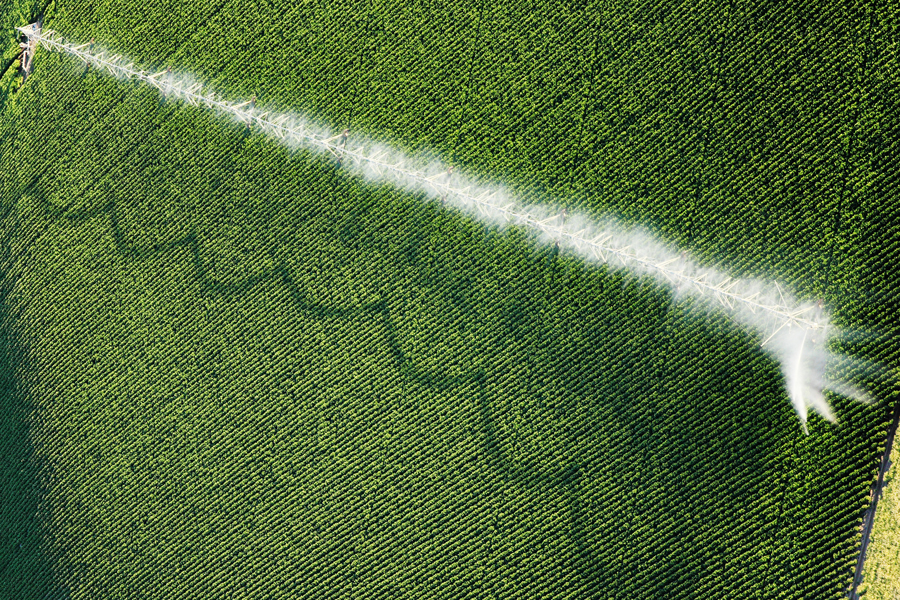
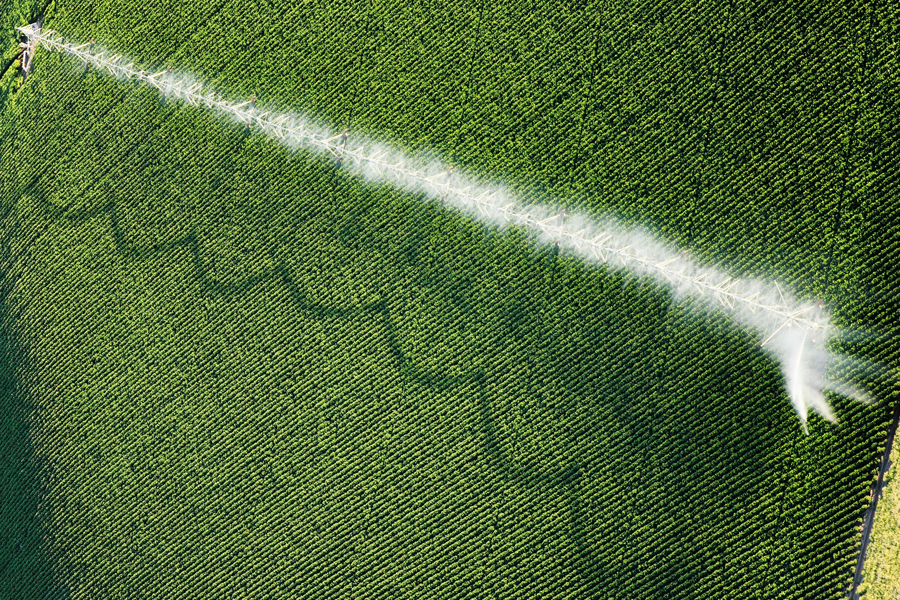
    Chemigation in Georgia

    Chemigation is an inclusive term referring to the application of a chemical into or through an irrigation system. It includes the application of fertilizers, acids, chlorine and pesticides. Chemigation can save time, reduce labor requirements, and conserve energy and materials. Chemigation is beneficial, however, only to the extent that the irrigation system is adequately designed, fully functional and properly managed.

    Kerry A. Harrison, Calvin D. Perry, Wesley Porter, Cale Cloud, and David Hall

    |

    Aug. 17, 2023
  • B 1362

    The Management and Use of Bahiagrass

    Bahiagrass is a long-lived, perennial warm season grass that is grown extensively in the southeastern United States. It is most commonly used as a pasture species, but can be used for hay production, erosion control, and wildlife habitat. Bahiagrass can also be used in “sod-based rotation” sequences that have been found to suppress pest problems (nematode and disease issues) in crops such as peanuts.

    Lisa Baxter, Lawton Stewart, Ronald Scott Tubbs, Jeremy Kichler, and William Secor

    |

    July 7, 2023
  • B 939

    Water Quality and Common Treatments for Private Drinking Water Systems

    An abundant supply of clean, safe drinking water is essential for human and animal health. Water from municipal or public water systems is treated and monitored to ensure that it is safe for human consumption. Many Georgia residents, especially in rural areas, rely on private water systems for human and livestock consumption. Most private water systems are supplied by wells. Water from wells in Georgia is generally safe for consumption without treatment. Some waters, however, may contain disease-causing organisms that make them unsafe to drink. Well waters may also contain large amounts of minerals, making them too “hard” for uses such as laundering, bathing or cooking. Some contaminants may cause human health hazards and others can stain clothing and fixtures, cause objectionable tastes and odors, or corrode pipes and other system components.

    Uttam K. Saha and L. Mark Risse

    |

    June 22, 2023
  • B 1498

    Organic Cool-Season Vegetable Crop Rotations for the Southeast

    Interest in organic food has been growing over the past twenty years. In Georgia, growing conditions during the summer are particularly difficult for organic producers due to high insect, disease, and weed pressure. However, pest pressures are much reduced when the weather cools. The moderate conditions of late fall to spring are ideal for production of many cool-season crops in the Southeast, including many crops that are traditionally grown as summer crops in other parts of the country. Shifting cash crop production to the fall through spring season may allow farmers to produce high-value crops more efficiently. This strategy may be particularly effective for those interested in wholesale production. This also leaves a window in the summer for cover crops that have many benefits. This bulletin discusses organic cool-season vegetable production and gives guidance for maintaining both soil health and successful production.

    Elizabeth L. Little

    |

    June 22, 2023
  • Irrigation Water Quality for Agriculture

    B 1448

    Irrigation Water Quality for Agriculture

    With growing demands for potable (suitable for drinking) water (due to population increase) and expanding irrigated acreage, there is an increased pressure on irrigated farms to consider using nonpotable alternatives. However, low quality irrigation water can adversely affect soil physical conditions and crop production.

    This publication provides in-depth information on the following aspects of agricultural irrigation water quality:
    -Importance of irrigation water quality
    -Major attributes of irrigation water quality
    -Common units used
    -Salts content
    -Toxicity and their sources
    -Bacteria in water sources

    Gary L. Hawkins, Stephanie Butcher, Uttam K. Saha, Wesley Porter, and Jason Lessl

    |

    June 16, 2023
  • Managing Bermudagrass Stem Maggots

    B 1484

    Managing Bermudagrass Stem Maggots

    This publication summarizes the latest and most relevant information regarding the management of the bermudagrass stem maggot (BSM), including biological, cultural, physical and chemical mitigation strategies. In addition to information about how to control the pest, this bulletin provides detailed information about the history, identification, and biology of the bermudagrass stem maggot.

    Lisa Baxter and Jennifer J. Tucker

    |

    June 9, 2023
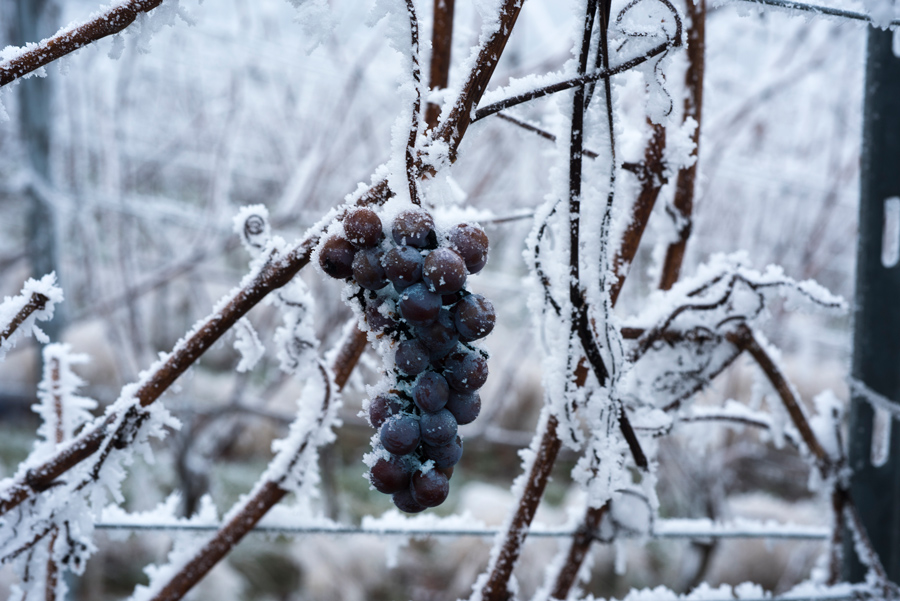
  • A field of fruit plants is iced over with irrigation to protect it during a freeze

    B 1479

    Commercial Freeze Protection for Fruits and Vegetables

    Freeze protection efforts should be based on the type of freeze, temperature, and wind speed that is impacting your crop. To apply frost protection, consider your crop value, the freeze protection capacity of your system, and the crop’s susceptibility to injury at each growth stage.

    Erick Smith, Timothy Coolong, and Pam Knox

    |

    June 8, 2023
  • Using a Rising Plate Meter to Measure Pasture Mass

    B 1528

    Using a Rising Plate Meter to Measure Pasture Mass

    Measuring, monitoring, and managing forage requires producers to regularly measure how much forage mass is present and how quickly that forage is growing. By using a rising plate meter, producers can assess the forage mass across several pastures quickly and with reasonable accuracy. Then, by comparing available forage in individual paddocks from one week to another, producers can determine the growth rate of the forage. In periods of poor growing conditions, management can be deployed to increase growth rates. In periods of rapid growth rate, decisions can be made to alter grazing sequences or plans can be made to harvest excess forage for hay or baleage. In short, the rising plate meter helps producers to assess the current status of each pasture and then make better decisions to increase the efficient use of that forage.

    Lawton Stewart, Jennifer J. Tucker, and Lisa Baxter

    |

    June 6, 2023
  • Corrosive or Scaling Water

    C 858-9

    Corrosive or Scaling Water

    Corrosiveness or scaling is an inherent property of some groundwater and is related to the type of rocks or sediments in contact with the groundwater. Corrosion is caused when water reacts with and dissolves metal plumbing. This can add toxic levels of metals like copper and lead to your water. Other problems associated with corrosive water include:
    • Deterioration and damage to the plumbing
    • Water damage caused by leaks
    • Staining of laundry
    • Bitter taste
    • Staining of plumbing fixtures
    Scaling occurs when water has high levels of minerals like calcium carbonate, which can build-up on surfaces. Slight scaling can be considered beneficial because the inside surfaces of metal pipes become coated with harmless minerals that act as a barrier to corrosion. Increased levels of scaling, however, can be harmful. Hot-water heaters are the most common place for scale formation in a home water system. Problems caused by scaling include:
    • Reduced efficiency of the hot-water heater
    • Reduced or blocked flow to fixtures or appliances
    • Leaky valves
    The degree of either corrosiveness or scaling can be predicted using a Saturation Index (SI). The following information contains a description of the SI, non-treatment strategies for reducing problems, and treatment methods to reduce the corrosion or scale caused by your water.

    Gary L. Hawkins, Pamela R. Turner, and Uttam K. Saha

    |

    June 6, 2023
Previous Page
1 … 9 10 11 12 13 … 31
Next Page

About CAES

CAES Home

Overview

History

Administration

Jobs

Personnel Directory

Privacy Policy

Accessibility Policy

AI Guidelines

Affiliations

UGA Cooperative Extension

Tifton Campus

Griffin Campus

University of Georgia
  • Schools and Colleges
  • Directory
  • MyUGA
  • Employment Opportunities
  • Copyright and Trademarks
  • UGA Privacy Policy
  • Report an Accessibility Barrier
  • Submit a Student Complaint
#UGA on
© University of Georgia, Athens, GA 30602
706‑542‑3000