Crop and Soil Sciences Resources
-
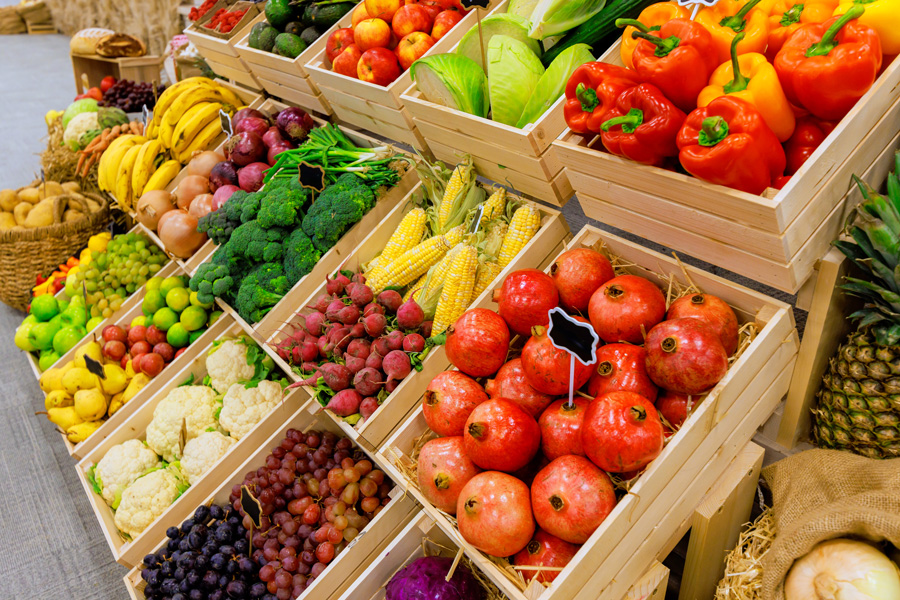
In Georgia, there are many small-scale producers that largely use ecological production practices, such as Certified Organic, and sell in farmers markets or other direct marketing channels. As these direct markets begin to saturate, these producers may need to forge a path beyond direct markets to wholesale or institutional markets that want sustainable products. Food hubs may offer a path for these small farms to scale up. There are three overlapping forms of food hubs in Georgia. Each has different markets and thus different requirements for the producers who sell to them. This publication discusses the types of food hubs in Georgia and gives producers guidelines on which form of food hub may work best for them.
|
-

Perfluoroalkyl and polyfluoroalkyl substances (PFAS) are a group of more than 9,000 manmade chemicals that have been in use worldwide since 1940, primarily in industry and numerous commercial and consumer products. The widespread use of PFAS for the past several decades has raised concerns due to their persistence, bioaccumulative nature, and potential adverse health effects. This resource provides information about the background, uses, and environmental and human health consequences of PFAS chemicals.
|
-
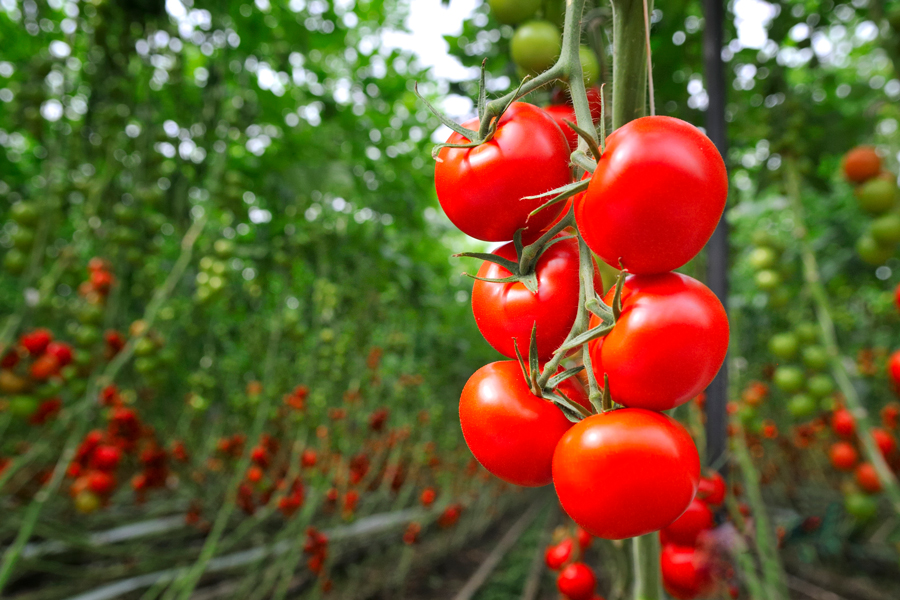
This report provides research and extension results for trials conducted by the University of Georgia Vegetable Team and its collaborators in 2024. Contributing authors include county and regional faculty as well as specialists from UGA’s horticulture, plant pathology, crop and soil sciences, and entomology departments. All research has been supported by the Georgia Commodity Commission for Vegetables.
|
-
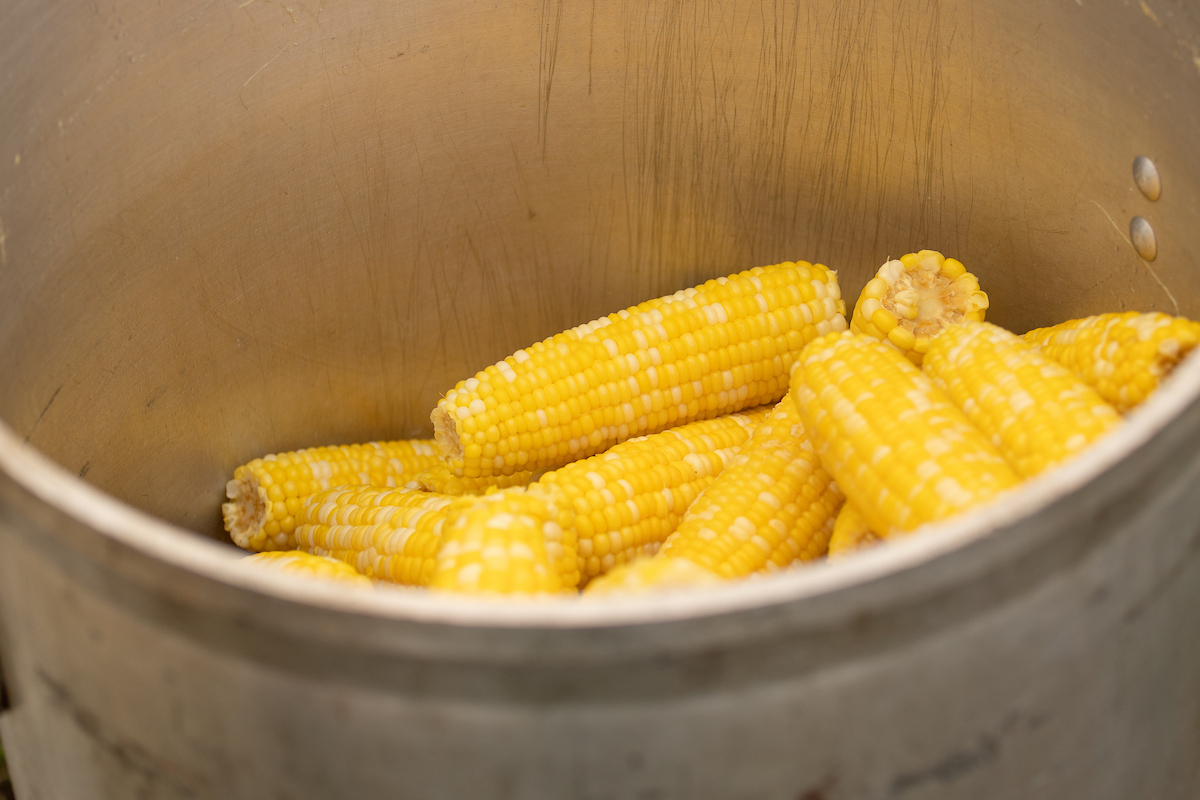
AP 132-01
2024 Georgia Corn Production Guide
This is the Extension Corn Team’s full production guide for recommended practices to plant and maintain a corn crop in Georgia. Topics include agronomic practices, growth and development, fertilization, irrigation, weed, insect and disease management, harvesting and drying, protecting stored corn, soil health, and economics/budgets.
|
-
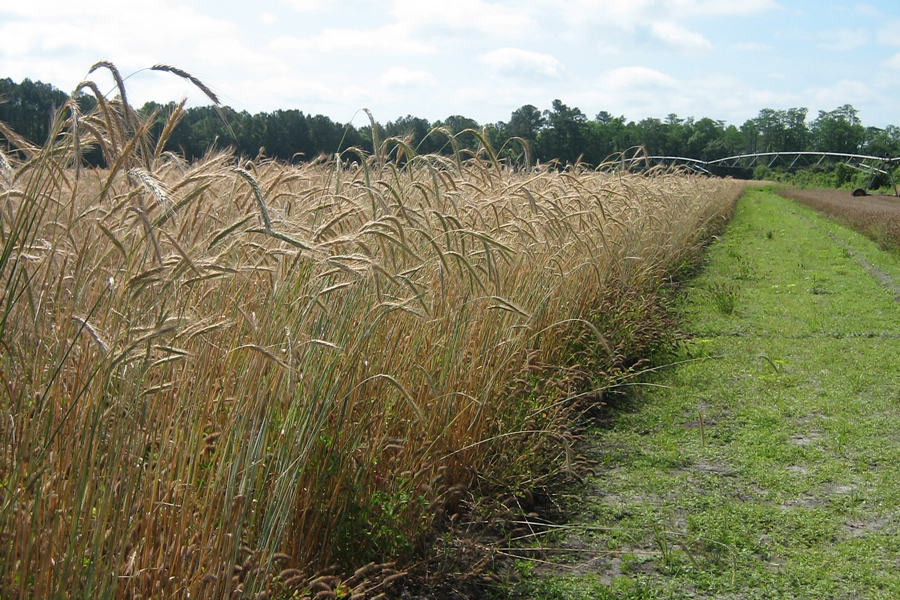
Cover crops have many benefits for farmers, including erosion control, weed suppression, and feeding the food soil web. Cover crops also play an important role in fertility, particularly for nitrogen.
One of the challenges facing farmers who use cover crops is quantifying the available nitrogen supplies to the following cash crop by the decomposing cover crop residues and how they might change their fertilizer management to account for this. This publication is intended to educate farmers on the nitrogen cycle, cover crops, and nitrogen; how nitrogen is released from cover crops; and the new Cover Crop Nitrogen Availability Calculator, including the steps necessary to use the Calculator.
|
-

AP 133-1
Hurricane Helene Impact Report
We estimate that Hurricane Helene’s damages to Georgia agriculture and forestry will cost the state economy at least $5.5 billion in 2024 present value. This figure represents the sum of direct crop losses, losses to firms that support agriculture and forestry, losses to workers in those and related industries, and the recovery and restoration costs that firms in these industries will face. The Georgia Forestry Commission is a collaborator with UGA on this publication.
|
-
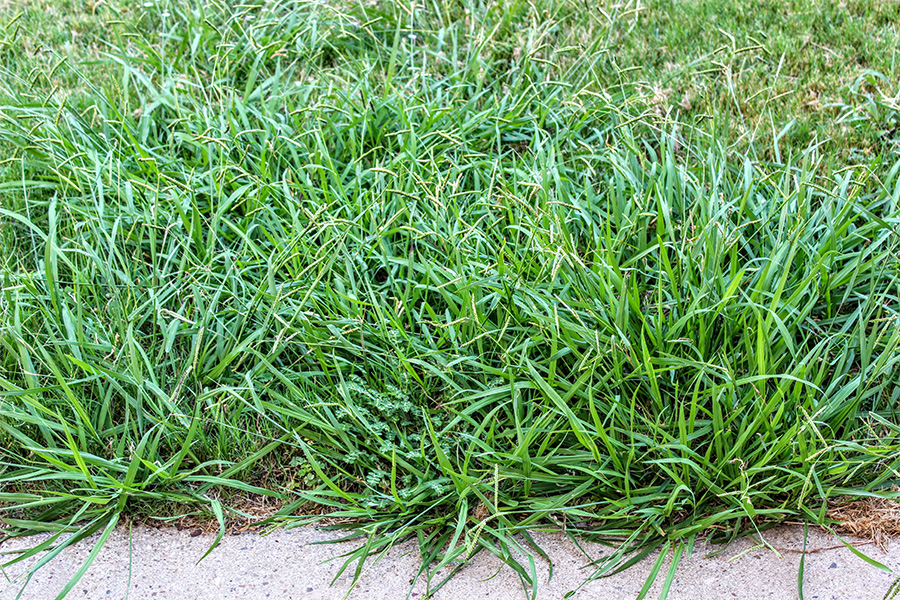
Sethoxydim has been widely used for grassy weed control in centipedegrass lawns, roadsides, and sod farms. Decades of exclusive sethoxydim use in Georgia have led to the emergence of ACCase-resistant goosegrass and southern crabgrass in turf. This publication covers the development, detection, and control of ACCase-resistance crabgrass and goosegrass for professional turfgrass managers.
|
-

This publication includes recommendations and current guidelines for turfgrass pest control methods and materials in Georgia, as well as a turfgrass management calendar.
|
-
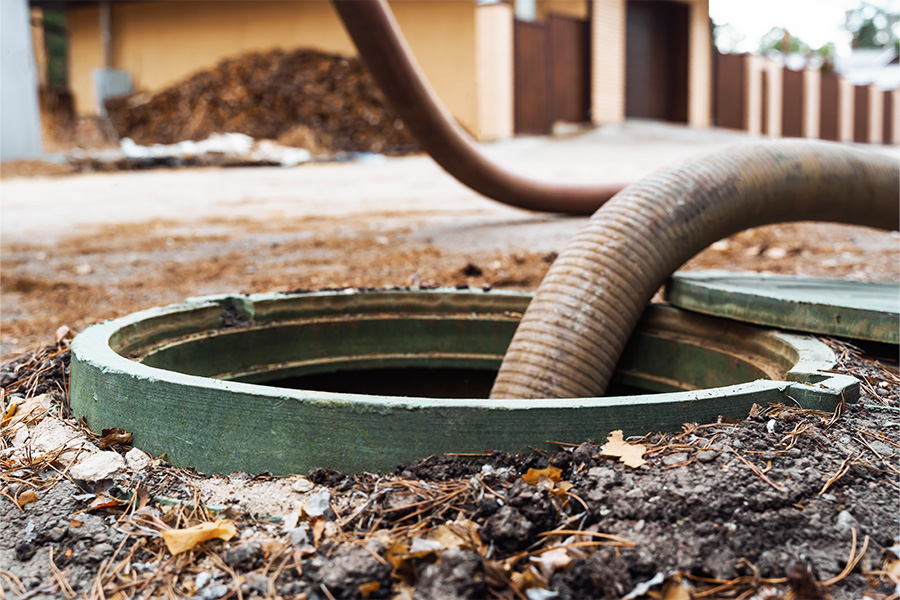
Many buildings and homes have on-site wastewater management systems, commonly called septic systems. Because septic systems are buried, it is easy to forget about them as they quietly, elegantly and efficiently maintain human and environmental health. Septic systems are the norm in rural areas, but they can be quite common in urban areas as well. It is important to know if your building is on a septic system. This publication explains the basics of septic systems.
|