Crop and Soil Sciences Resources
-

B 1331
Canola Production in Georgia
This publication covers best management practices for canola production in Georgia. Growing canola profitably takes planning and good management, from seed selection to harvest to marketing.
|
-
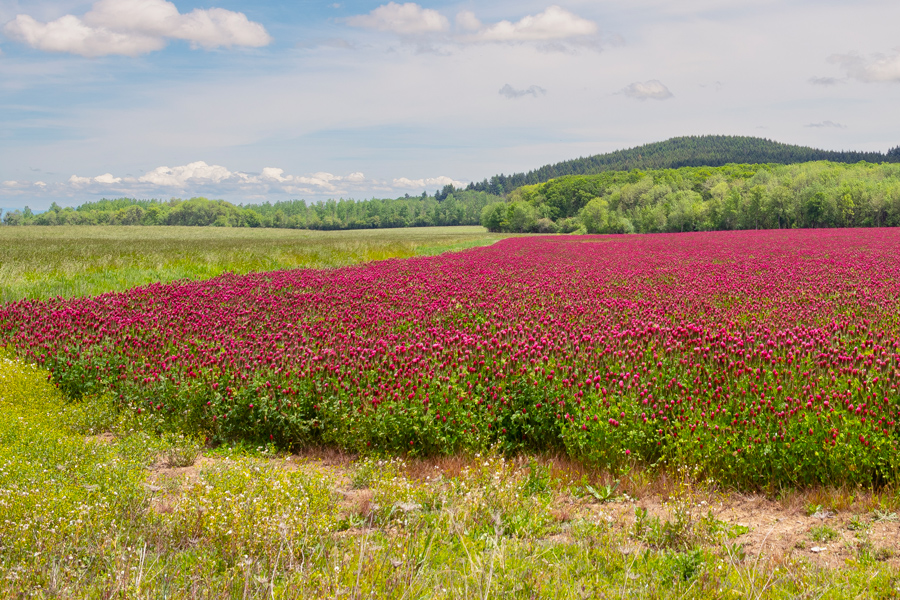
There are many ways to define what it means to be sustainable. There is increased demand for agricultural production transparency to ensure that food and fiber products are being produced sustainably. To this end, Field to Market: Alliance for Sustainable Agriculture has developed the Fieldprint Calculator through the Fieldprint Platform to help farmers of major commodity crops measure their on-farm sustainability by entering in their yearly management practices. This Extension publication defines sustainability, describes the use of the Fieldprint Calculator, and explains how growers can use this program to measure sustainable progress made on their farms. This publication was produced in collaboration with the University of Tennessee and Field to Market.
|
-
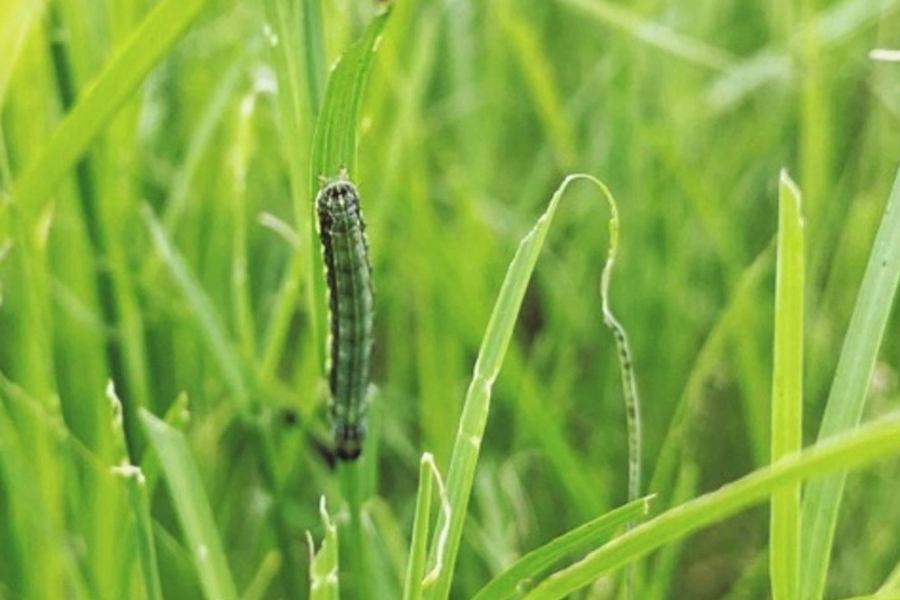
Fall armyworms can quickly decimate a field of any forage crop or pasture, often eating higher quality forage first. Growers and farmers can face severe economic damage and total forage loss. Anyone growing forage or pasture used to feed livestock can use this publication to find answers to the most common questions about fall armyworm in Georgia pastures and hayfields.
|
-
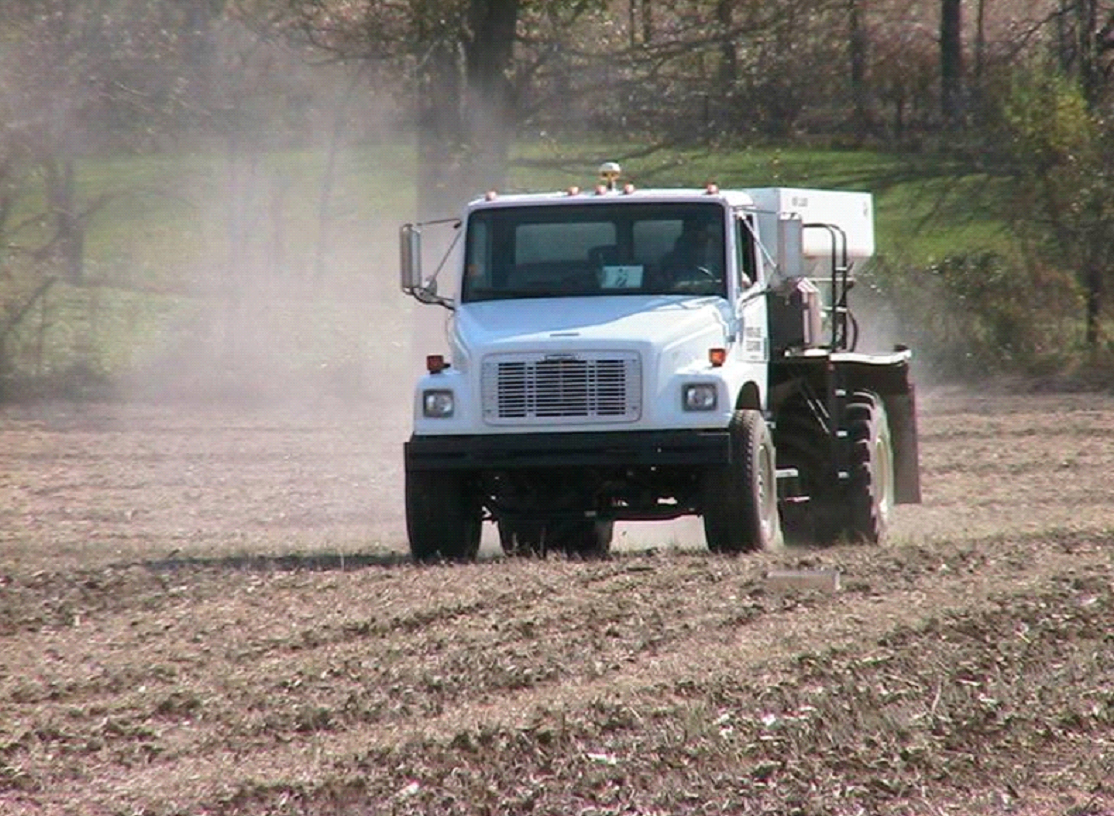
Lime mud is a by-product produced in pulp mills as part of the process that turns wood chips into pulp for paper. The pulp mill cooks wood chips with sodium hydroxide to extract the wood fiber used to make paper from the lignin that binds the wood together. During this process, sodium hydroxide is converted to sodium carbonate. The pulp mill than adds calcium oxide, also known as quicklime, to convert the sodium carbonate back to sodium hydroxide in order to use it again. In the process, calcium carbonate is formed.
|
-
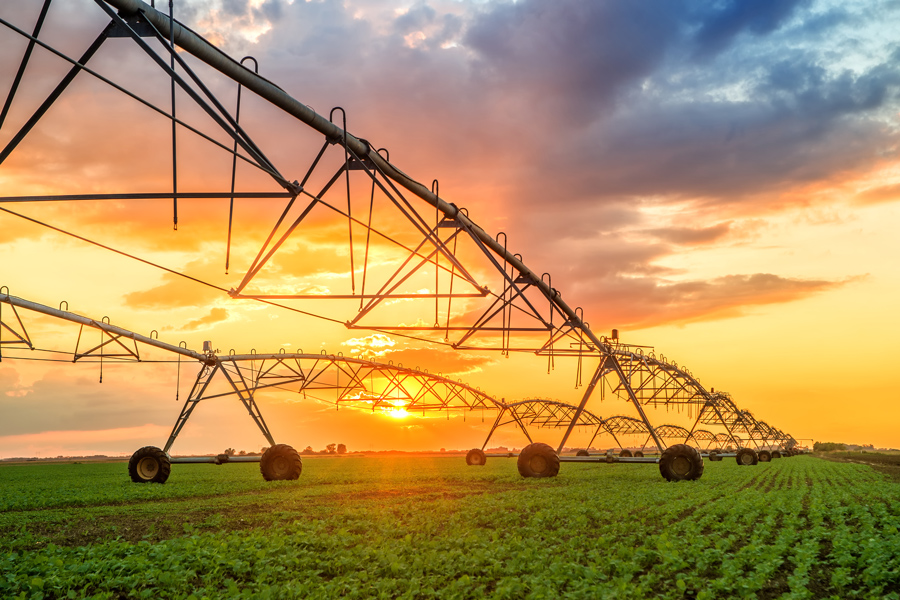
Crop water requirements are not static during the growing season. They vary with crop growth stages and environmental conditions. Advanced irrigation scheduling tools use data collected from or near the field where crops are growing to provide timely information on how much water crops need and when they need it, and generally result in optimizing irrigation water use.
|
-
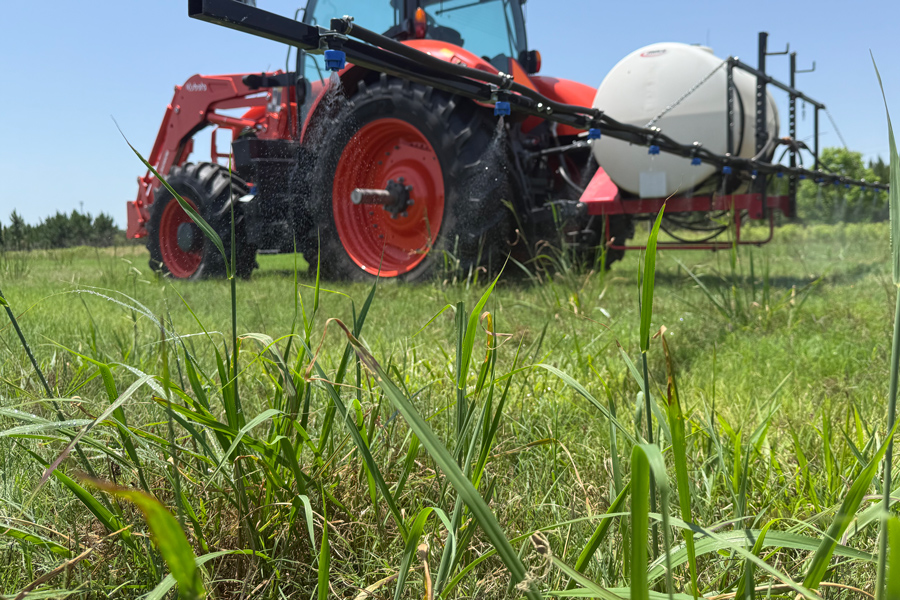
Vaseygrass is a warm-season perennial grass weed commonly found in pastures and hayfields in the southern half of Georgia. Recently, vaseygrass has begun to spread north in Georgia and can now be found sporadically throughout the Piedmont region of the state.
|
-
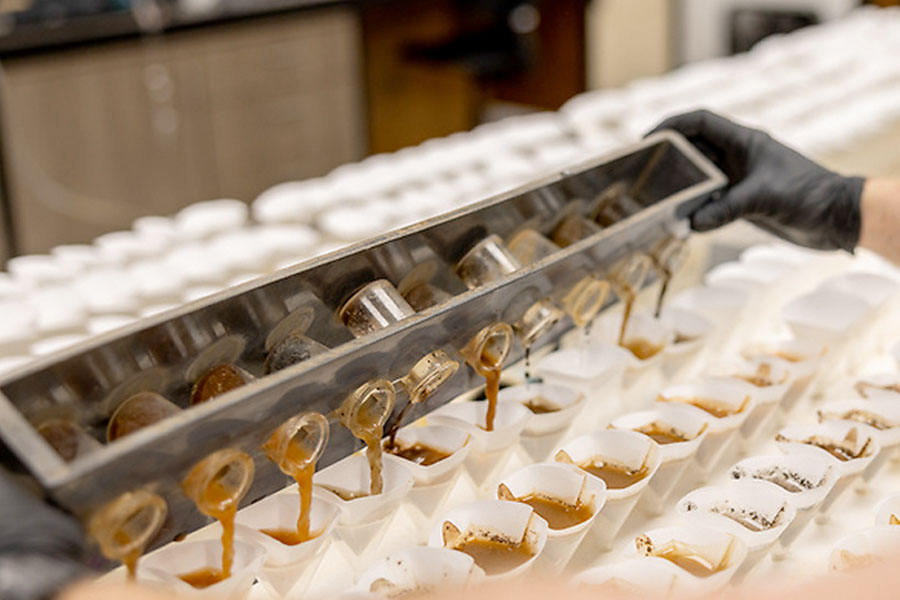
Soil test extractants are chemical solutions used to dissolve or exchange nutrients in soil samples. They are used when performing soil analyses to determine nutrient recommendations.
|
-
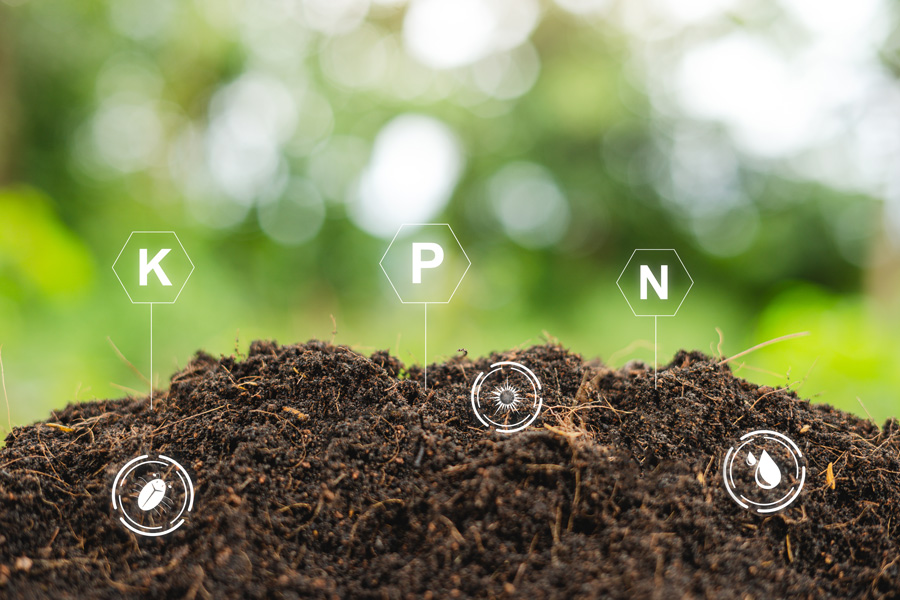
Proper use of treated industrial wastes contributes to the circular economy and reduces wastes that would have been disposed of in landfills or by incineration. This publication clarifies Georgia’s legal definition of “soil amendments” and highlights current policies governing the application of processed wastes on farm lands in Georgia. Compliance with these regulations maintains a quality environment in Georgia and ensures the long-term sustainability of manufacturing and food processing industries.
|
-
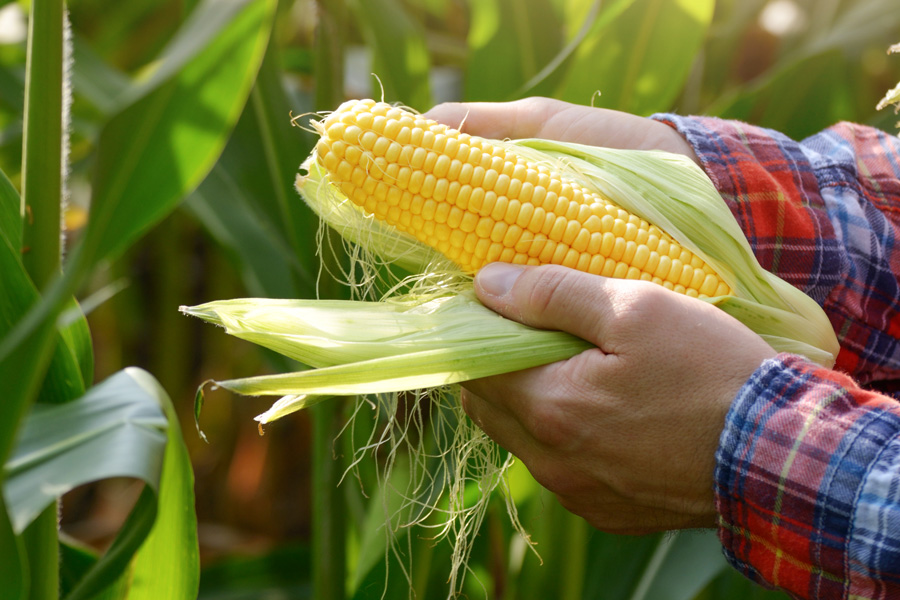
The growth and development of sweet corn is affected by accumulated heat units, measured in growing degree days (GDDs). This publication provides South Georgia sweet corn growers with insights into the relationship between temperature and GDD units and the key growth stages of sweet corn. This will help growers make informed decisions about the timing for planting, management practices, irrigation, and harvesting.
|