Crop and Soil Sciences Resources
-
 Revised
Applicators used in granular applications should be calibrated to ensure uniformity and accuracy. An accurate and uniform application can reduce the quantity of an active ingredient required for a given degree of control.
|
-

This report provides research and extension results for trials conducted by the University of Georgia Vegetable Team and its collaborators in the 2024-2025 growing season. The goal of this project was to find potential ways to manage wild radish in seeded greens such as mustard, turnips, collards, and others. Wild radish, a member of the mustard family, has historically been recognized as a winter annual weed mainly infesting winter crops grown across the Southeast. Contributing authors include county and regional faculty as well as specialists from UGA’s horticulture, plant pathology, crop and soil sciences, and entomology departments. All research has been supported by the Georgia Commodity Commission for Vegetables.
|
-
AP 113-07-03
Support of UGA Georgia Weather Network in 2025
The University of Georgia weather network provides weather information to growers in the state of Georgia from a network of 90 automated weather stations distributed across the state. This network is vital to serving the needs of vegetable growers across the state. All research in the 2025 Vegetable Extension and Research Report has been supported by the Georgia Commodity Commission for Vegetables.
|
-
This report provides research and extension results for trials conducted by the University of Georgia Vegetable Team and its collaborators in the 2024-2025 growing season. The objective of this study was to compare multiple spraying systems (drone, tractor, etc.) and platforms for vegetable production. Contributing authors include county and regional faculty as well as specialists from UGA’s horticulture, plant pathology, crop and soil sciences, and entomology departments. All research has been supported by the Georgia Commodity Commission for Vegetables.
|
-
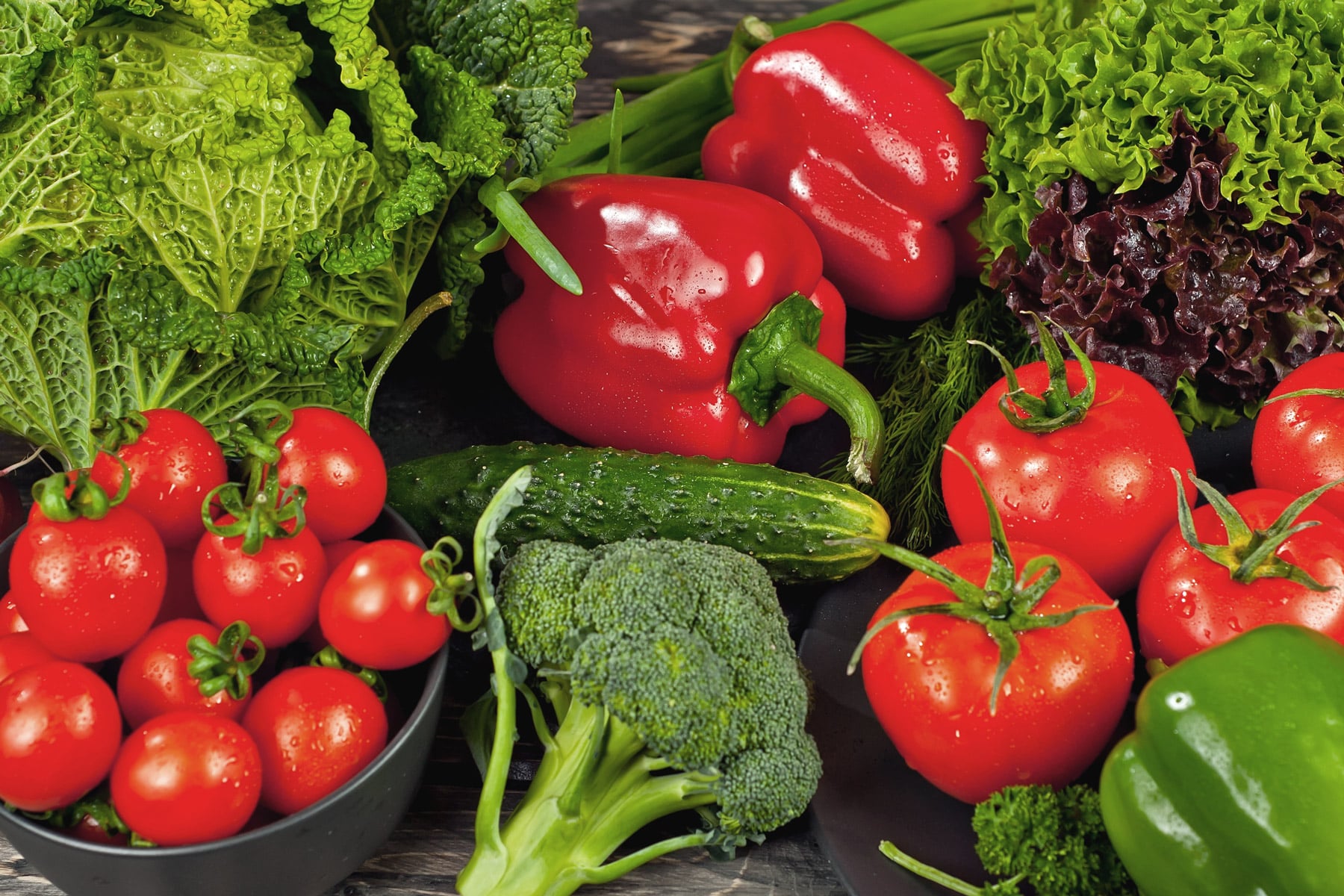
This report provides research and extension results for trials conducted by the University of Georgia Vegetable Team and its collaborators in the 2024-2025 growing season. Contributing authors include county and regional faculty as well as specialists from UGA’s horticulture, plant pathology, crop and soil sciences, and entomology departments. All research has been supported by the Georgia Commodity Commission for Vegetables.
|
-

AP 117-5-00
2026 Turfgrass Research Field Day Program
Download the program PDF for the 2026 Turfgrass Research Field Day, held every other year on the UGA campus in Griffin, GA.
|
-

This presentation at the Turfgrass Research Field Day covers how to sustainably manage diseases in turfgrass.
|
-
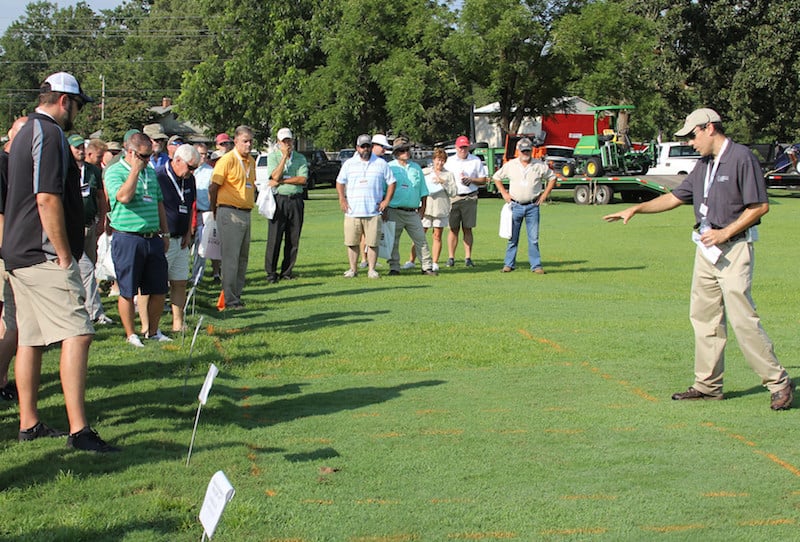
AP 117-5-04
Summer Weed Control and Preemergent Herbicides
This presentation at the Turfgrass Research Field Day covers ongoing research to combat summer weed control and preemergent herbicides for turfgrass.
|
-
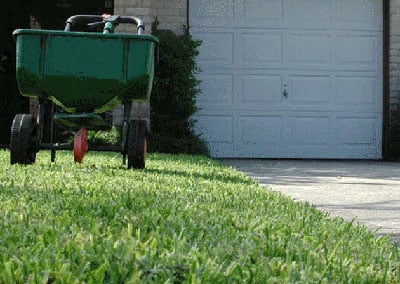
AP 117-5-06
Turfgrass Fertility for Reestablishment
This presentation at the Turfgrass Research Field Day covers a research study exploring how nitrogen treatments affect growth rates and resource allocation in turfgrass cultivar ‘TifTuf’.
|