Crop and Soil Sciences Resources
-
AP 117-5-07
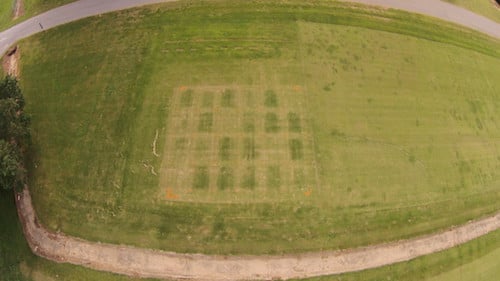
Confronting Prostrate Spurge
NewThis presentation for golf course and sports field managers at the Turfgrass Research Field Day covers how the UGA turfgrass team is confronting and combatting prostrate surge in turfgrass.
|
-

AP 117-5-09
Late Summer and Fall Weed Control
NewThis presentation for lawn care operators at the Turfgrass Research Field Day covers controlling key problematic weeds during late summer and early fall.
|
-
AP 117-5-11
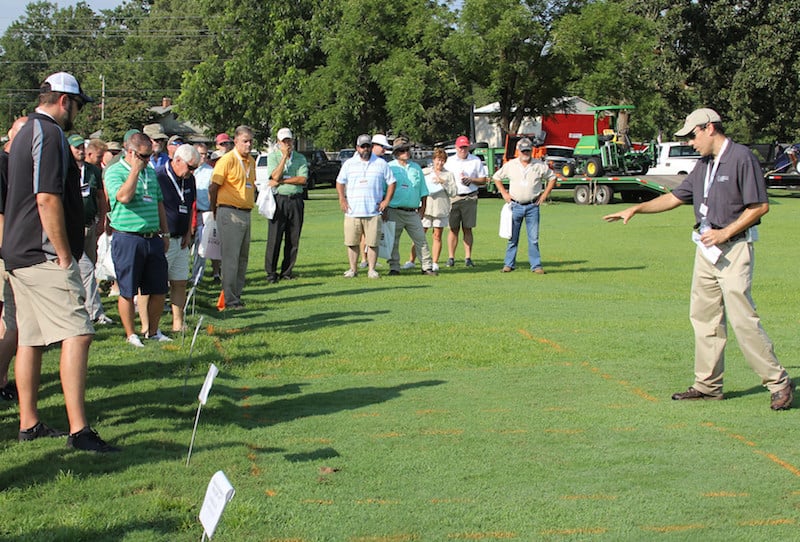
Summer Weed Control and Identification
NewAt this stop on the Turfgrass Research Field Day tour, participants will learn how to identify the most common summer weeds found in home lawns and landscapes and discover practical strategies for controlling them.
|
-
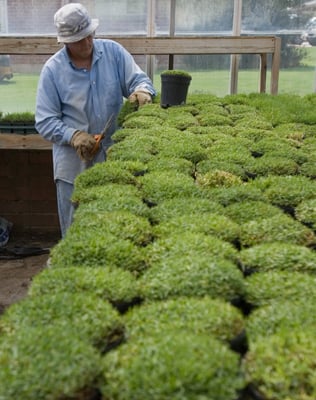
This article covers the activities of the UGA turfgrass breeding program, which develops improved cool- and warm-season turfgrasses that are well-adapted to the southeastern United States. Objectives focus on improving turf quality, persistence, environmental adaptation, and resistance to stress. Future breeding efforts will focus on the development of climate-resilient turfgrass that performs well under increasingly challenging environmental conditions.
|
-
 Renewed
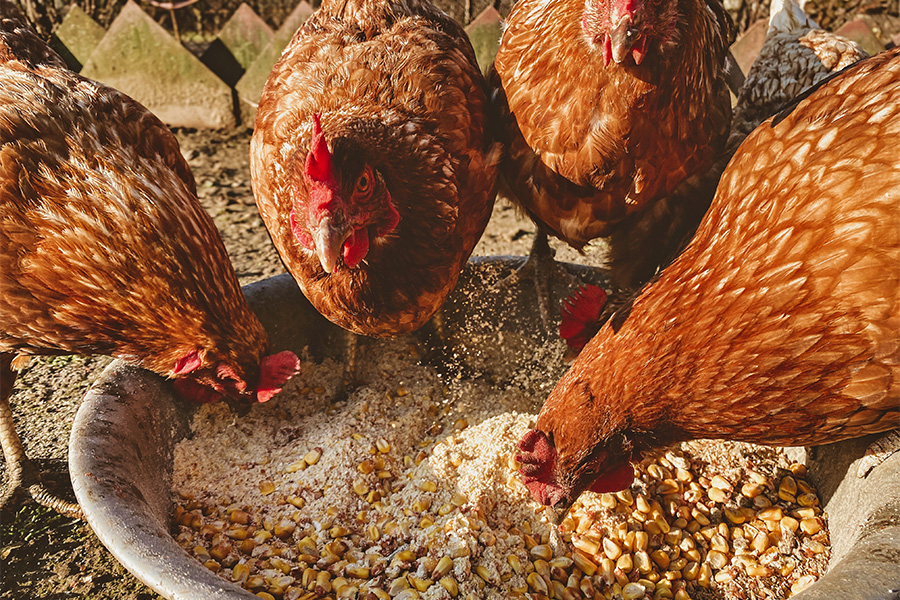
This bulletin is an educational reference for those who are interested in animal feeding and nutrition. It defines common terms used when discussing or reading about animal feeding and nutrition.
|
-
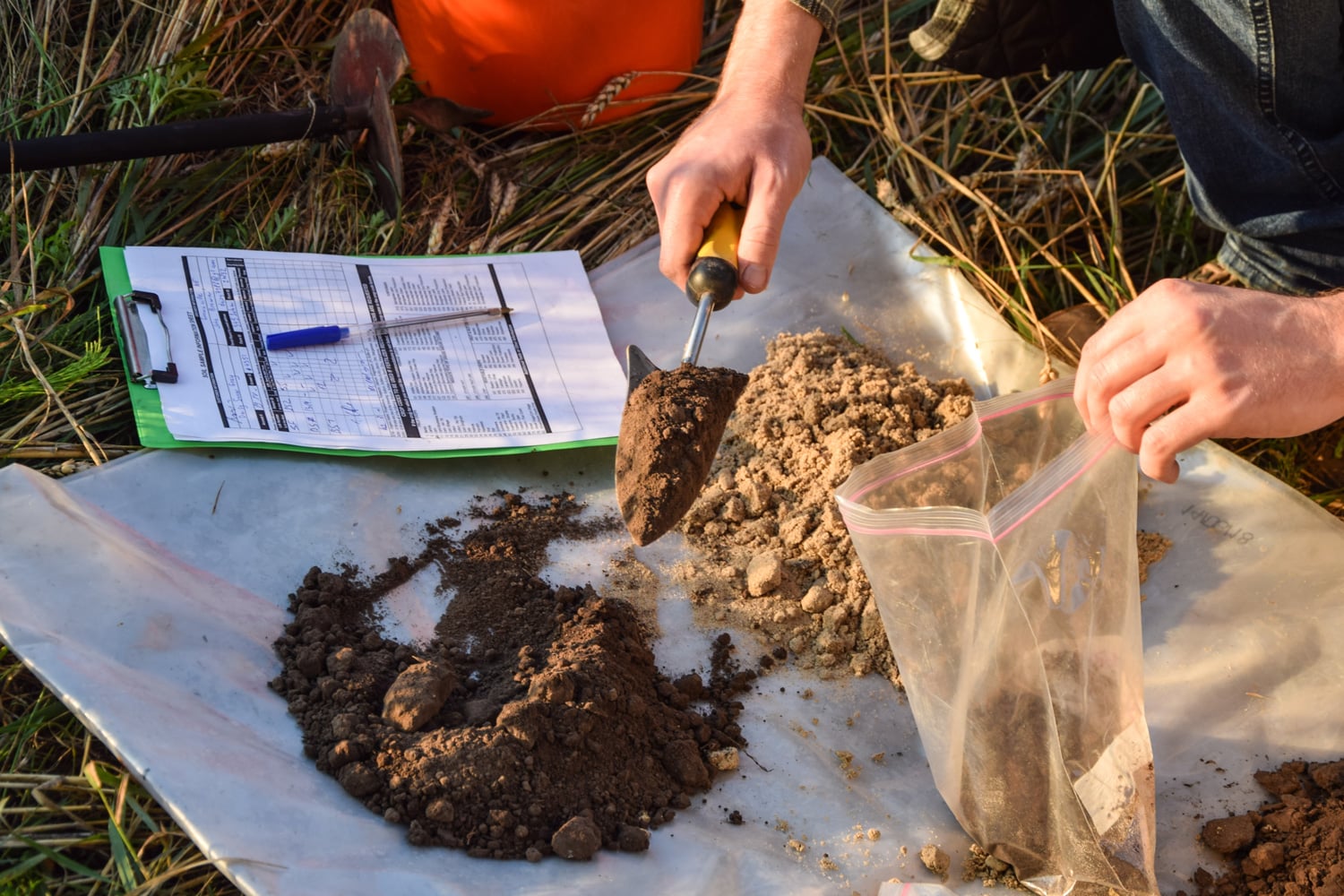
Soil pH is one of the most important measurements of soil fertility. Knowing a soil’s pH may help in diagnosing nutritional problems of agricultural crops and other plants.
|
-
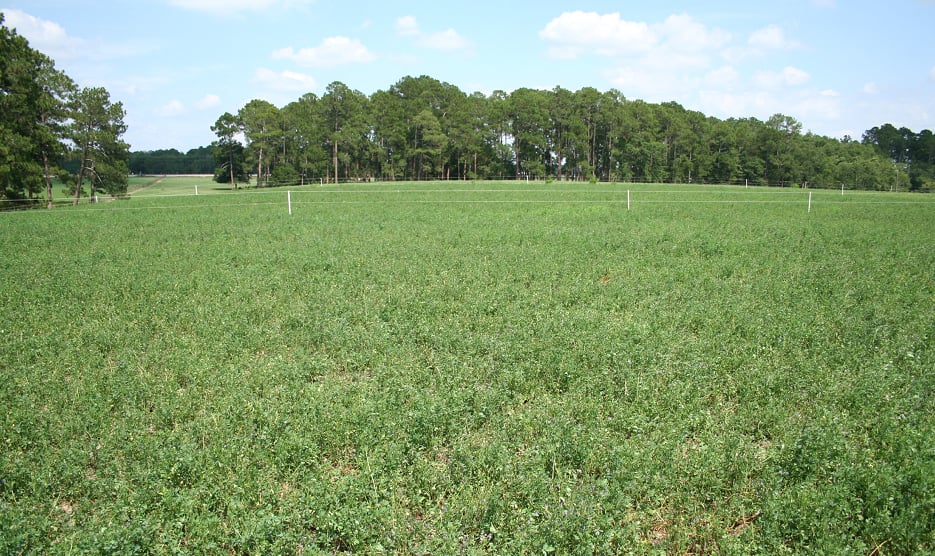
Measuring, monitoring, and managing forage requires producers to regularly measure how much forage mass is present and how quickly that forage is growing. By using a rising plate meter, producers can assess the forage mass across several pastures quickly and with reasonable accuracy. Then, by comparing available forage in individual paddocks from one week to another, producers can determine the growth rate of the forage. In periods of poor growing conditions, management can be deployed to increase growth rates. In periods of rapid growth rate, decisions can be made to alter grazing sequences or plans can be made to harvest excess forage for hay or baleage. In short, the rising plate meter helps producers to assess the current status of each pasture and then make better decisions to increase the efficient use of that forage.
|
-
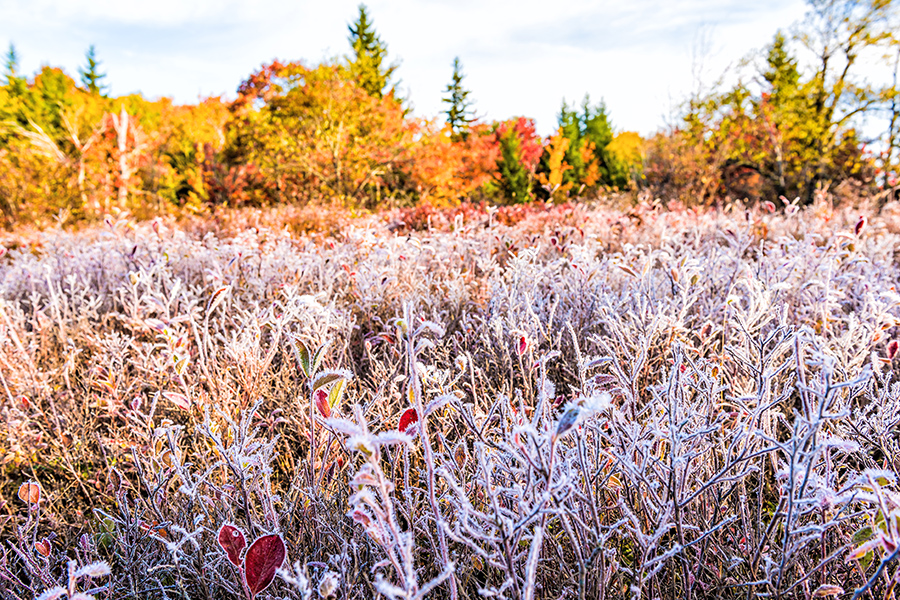
Frost protection systems tremendously benefit commercial blueberry production in Georgia. These systems are expensive and usually configured as overhead irrigation systems. For the system to provide protection, it must operate as soon as it’s needed. The best practice for maintaining a frost protection system is to perform preventative maintenance service every late fall or early winter. This publication offers blueberry growers suggestions on how to prepare their frost protection systems for future operation. Recommendations include a check-off list for maintenance and inspection of overhead irrigation systems, important considerations when preparing for freeze events.
|
-

The field is a complex environment with many factors that can interact to influence the growth of a corn plant. These factors can be living in the form of insects, diseases, nematodes and weeds; or, they can be non-living such as weather, nutrients or chemicals. In the proper combination of factors, corn can produce more than 200 bushels per acre in the Southeast; or in a totally unfavorable combination, every corn plant can die. When a problem is identified, it is important to determine the extent and severity of the problem to decide whether corrective measures are necessary or available. Use this guide and other technical information before implementing any management decision.
|