Crop and Soil Sciences Resources
-
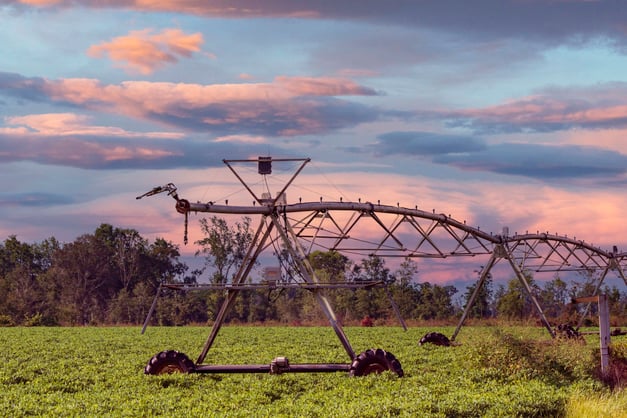
The main objective of this fact sheet is to provide a checklist of what is needed to properly prepare a center pivot or lateral irrigation system for the production season. All of the topics covered apply to both pivot and lateral irrigation systems, but for brevity, only center pivots will be referenced. By using the items in this fact sheet as a guideline for preventative maintenance, most breakdowns during the growing season should be avoided.
|
-
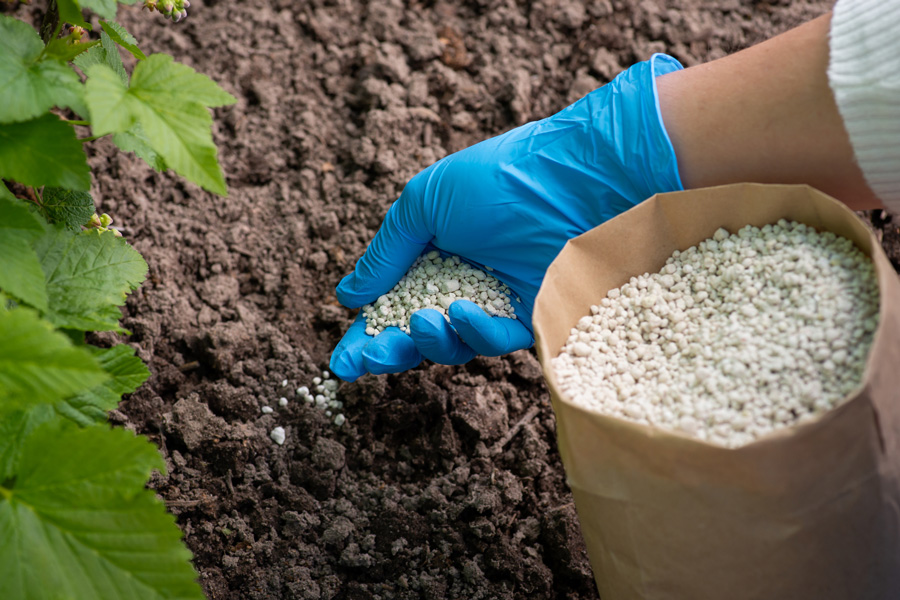
Use this resource to calculate planting densities, fertilizer application rates, sprayer calibration, and soil amendment applications using unit conversions. We demonstrate the “raw math” behind common calculations to provide you with the tools for solving any equation using simple addition, subtraction, multiplication, and division. No longer will you be dependent on having production guides, fertilizer charts, planter manuals, and spray nozzle catalogs to tell you what to do.
|
-

Brassica carinata is an annual oilseed crop used for the commercial production of jet fuel, animal feed, and valuable chemicals. Carinata has recently been introduced in Georgia as a cool season cash crop with cover crop benefits. Because it is grown in the winter, it has the potential to sustain and recover from frost damage. This publication outlines conditions that can cause frost damage and how the plant will react to this stress.
This resource was written in collaboration with the University of Florida’s Institute of Food and Agricultural Sciences Extension, the U.S. Department of Agriculture National Institute of Food and Agriculture, and the Southeast Partnership for Advanced Renewables from Carinata.
|
-
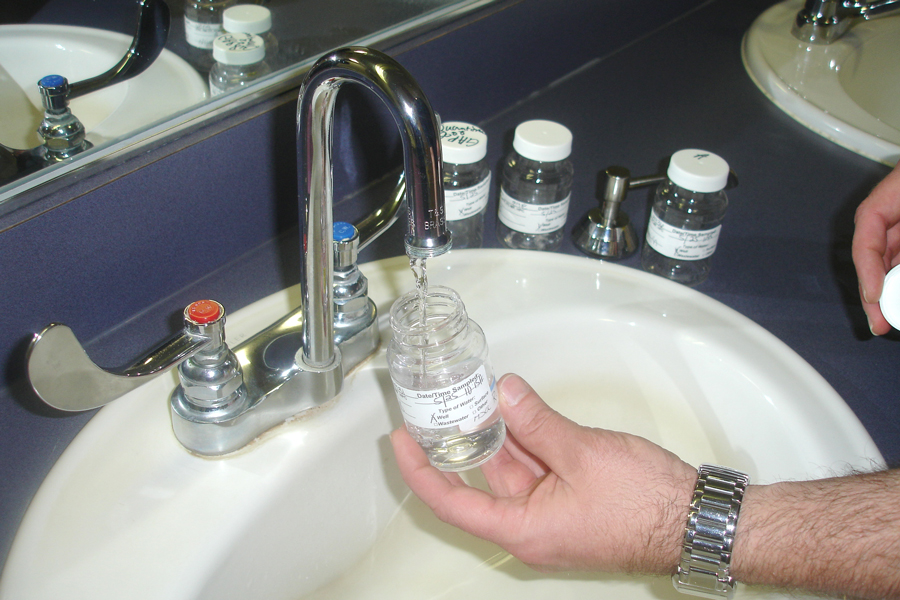
An abundant supply of clean, safe drinking water is essential for human and animal health. Water from municipal or public water systems is treated and monitored to ensure that it is safe for human consumption. Many Georgia residents, especially in rural areas, rely on private water systems for human and livestock consumption. Most private water systems are supplied by wells. Water from wells in Georgia is generally safe for consumption without treatment. Some waters, however, may contain disease-causing organisms that make them unsafe to drink. Well waters may also contain large amounts of minerals, making them too “hard” for uses such as laundering, bathing or cooking. Some contaminants may cause human health hazards and others can stain clothing and fixtures, cause objectionable tastes and odors, or corrode pipes and other system components.
|
-
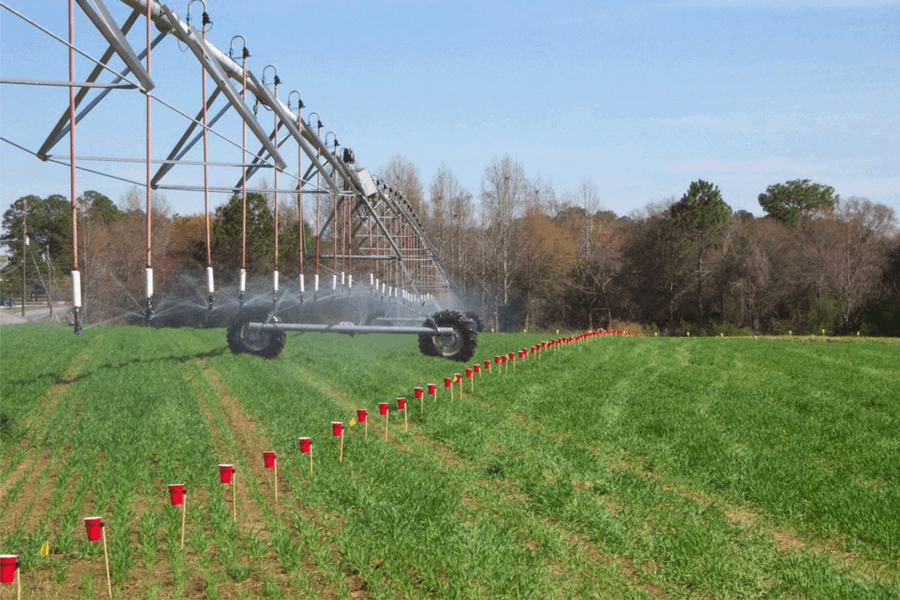
With rising fuel prices it is increasingly important that irrigation systems apply water uniformly in order to achieve maximum benefit from the water applied. The uniformity of water application under a center pivot is determined by setting out cans or rain gauges along the length of the pivot, bringing the irrigation system up to proper operating pressure, and letting the system pass over them.
|
-
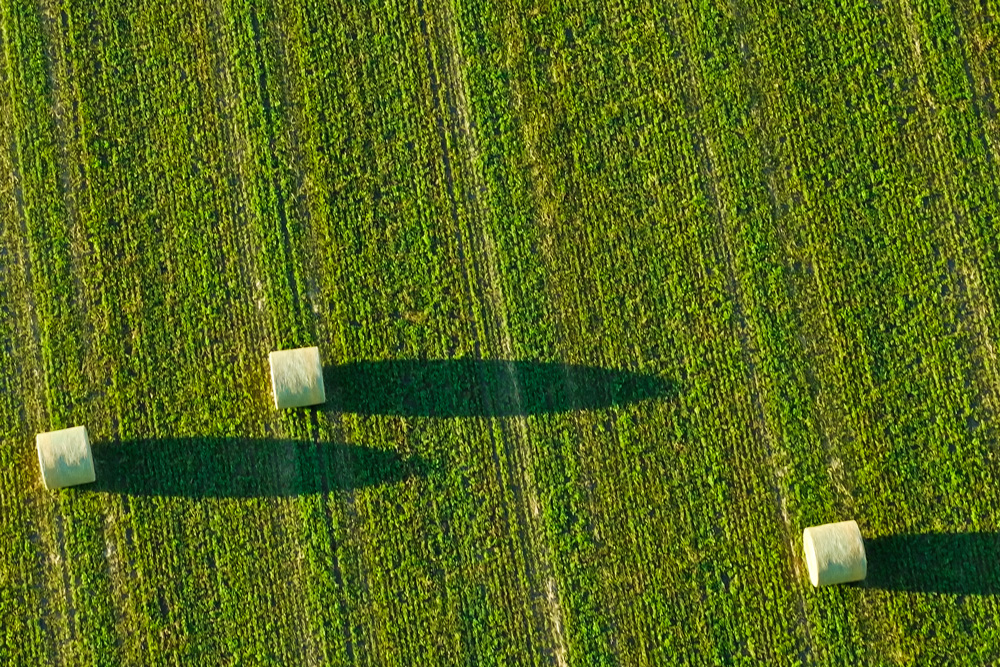
Forages are a key component to grazing animal diets in Georgia. Accurately testing the nutritive value of your forage is important. The nutritive value of most forages in Georgia can be evaluated through near infrared spectroscopy (NIRS). This resource focuses on common questions from forage-livestock producers about NIRS.
|
-

With growing demands for water that is suitable for drinking (potable) and expanding irrigated acreage, there is an increased pressure on irrigated farms to consider using nonpotable alternatives. However, low quality irrigation water can adversely affect soil physical conditions and crop production. This resource provides in-depth information on the importance of irrigation water quality, water quality attributes, salts content, toxicity and the sources of toxic components, and bacteria in water sources.
|
-
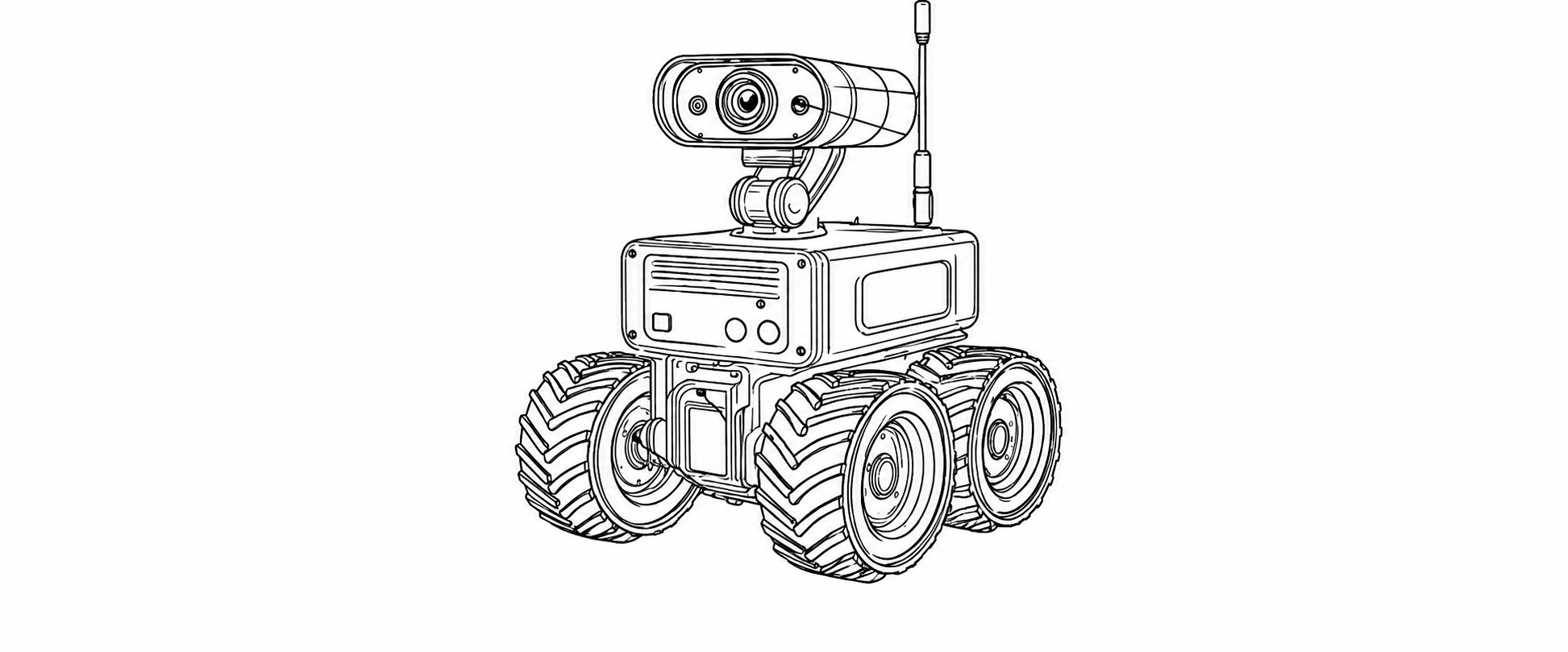
Robotics will soon become a common reality on farms. This Extension resource helps people to understand the basics of robotics for agriculture and the applications of these new machines.
|
-
C 1180
Fescue Toxicosis in Horses
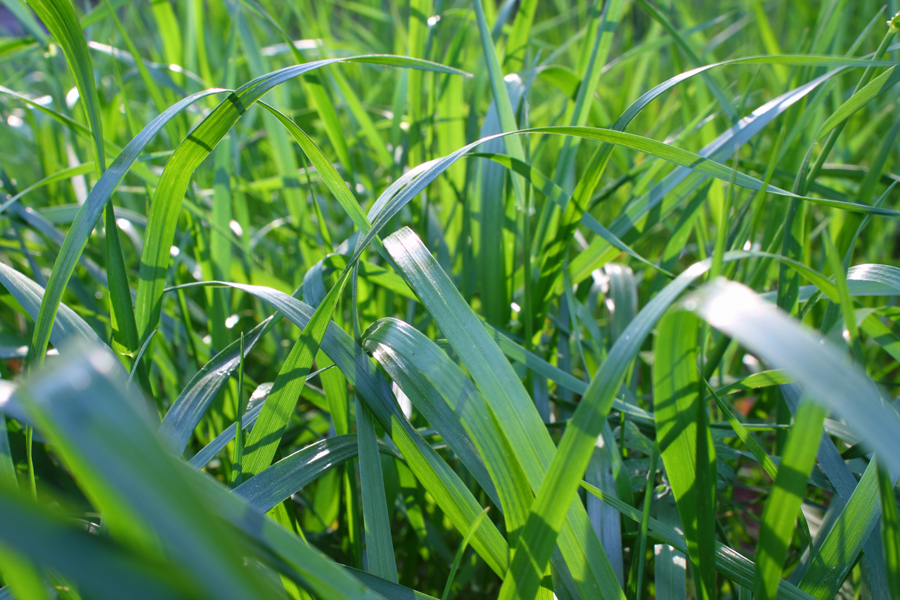
Tall fescue is the primary cool season perennial forage grown in the state of Georgia, and toxicity issues related to the grass can have significant impacts on equine reproduction. Tall fescue is the most heat tolerant of the cool season grasses due to a fungus that grows within the plant called an endophyte. This endophyte produces ergot alkaloids that can have negative effects on animals that eat the infected forage. The toxic effects of the endophyte can be successfully managed by eliminating the grazing or feeding of toxic tall fescue, as described in this publication.
|