Crop and Soil Sciences Resources
-
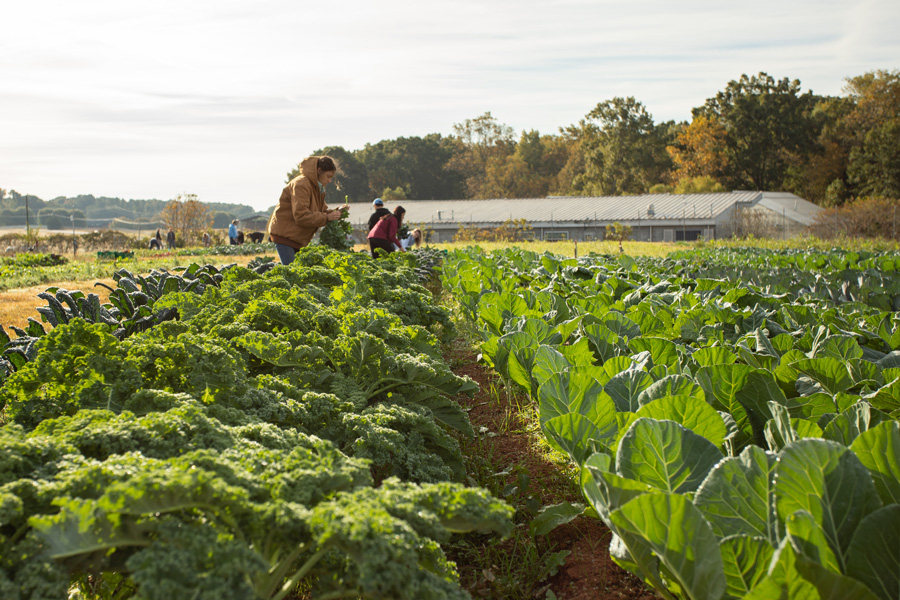
Label terms and certifications can be divided into those that are regulated and those that are unregulated. Regulated label terms and certifications are usually defined by the United States Department of Agriculture (USDA) or the Food and Drug Administration (FDA). Within the USDA, the Food Safety and Inspection Service (FSIS) is the agency responsible for the truthful labeling of meat and poultry products. The use of labels and certifications is governed by law and violations of use can have legal consequences. Unregulated terms have generally accepted definitions but do not have legal ramifications or verification of adherence. Many common label claims, such as “humanely raised” or “sustainably farmed,” refer to the process used to farm livestock but are unregulated, and there are no legal definitions for these claims. This publication summarizes some common regulated and unregulated terms in agriculture and livestock production.
|
-

Variety selection is one of the biggest decisions and investments cotton growers make each year. In 2010, the UGA Extension Cotton Agronomists implemented the UGA On-Farm Cotton Variety Evaluation Program to assist in this decision. In this annual publication, varieties were evaluated in 2020 across a wide range of environments in the cotton producing regions of Georgia in cooperation with county agents and industry partners. The implementation of this program has made a tremendous impact on variety selection from year to year, and it will continue to have the same impact in the future.
|
-

Variety selection is one of the biggest decisions and investments cotton growers make each year. In 2010, the UGA Extension Cotton Agronomists implemented the UGA On-Farm Cotton Variety Evaluation Program to assist in this decision. In this annual publication, varieties were evaluated in 2020 across a wide range of environments in the cotton producing regions of Georgia in cooperation with county agents and industry partners. The implementation of this program has made a tremendous impact on variety selection from year to year, and it will continue to have the same impact in the future.
|
-

Arsenic in your drinking water may damage your health. Because arsenic in household well water is usually dissolved from natural rock in the aquifer, water treatment is the only way to eliminate it. This publication describes methods for removing arsenic from household drinking water.
|
-

Learn about irrigation scheduling methods for commercial vegetable production in Georgia through this video resource.
|
-
B 1371
UGA Basic Balancer
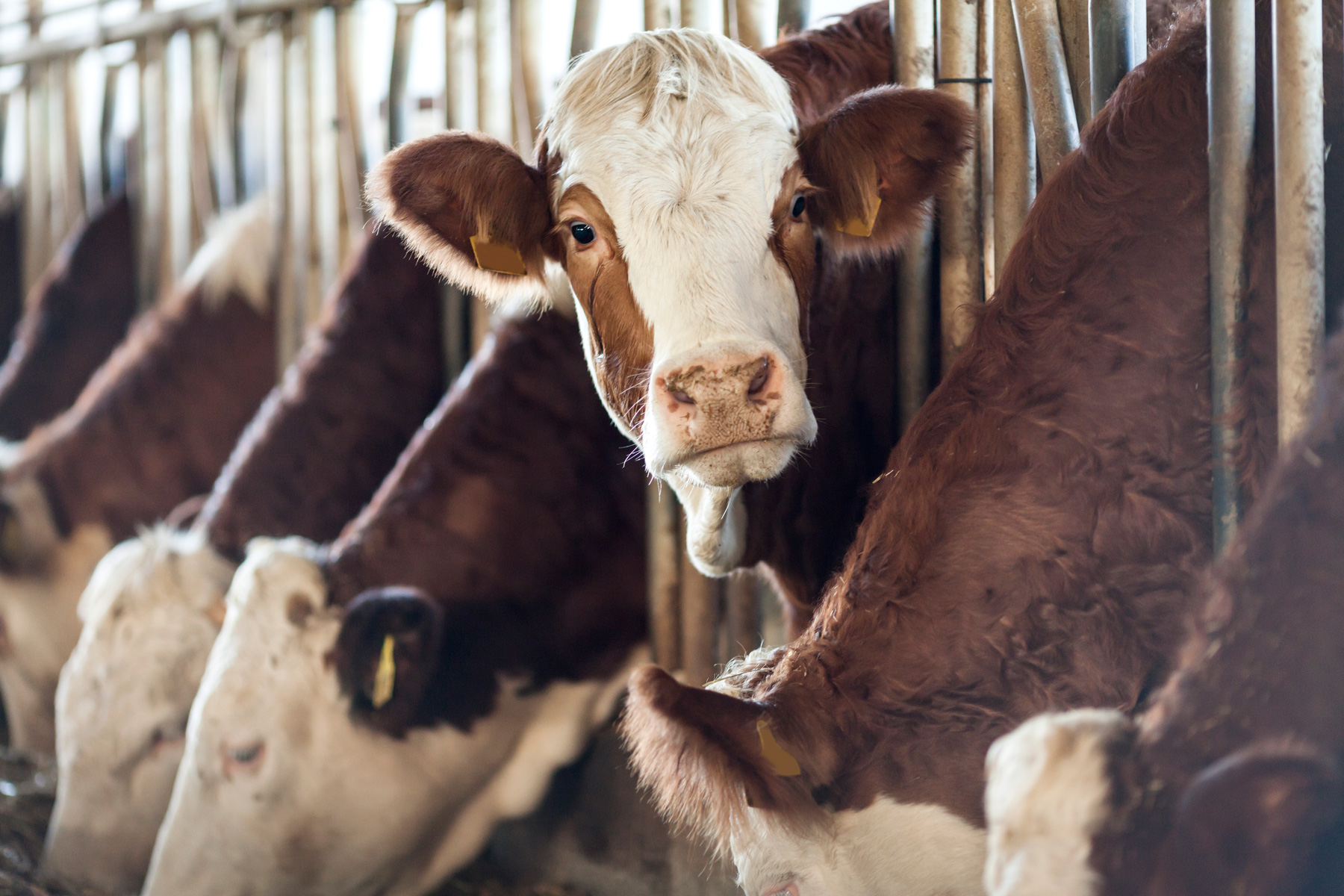
The UGA Basic Balancer is a spreadsheet-based decision aid to formulate basic rations for beef cattle operations. The UGA Basic Balancer program consists of a feed library, least cost feedstuff analyzer, a ration analyzer, and sections to balance rations for brood cows, bulls, heifers, and stockers.
The UGA Basic Balancer is intended to be a simple ration balancer that addresses energy (TDN) and crude protein (CP) requirements of cattle. This program does not take into consideration other requirements or limitations (for example, micro minerals, fat level, effective fiber, nonstructural carbohydrates, etc.). Before feeding any rations developed in this program, contact your local Extension office to address any potential problem.
|
-
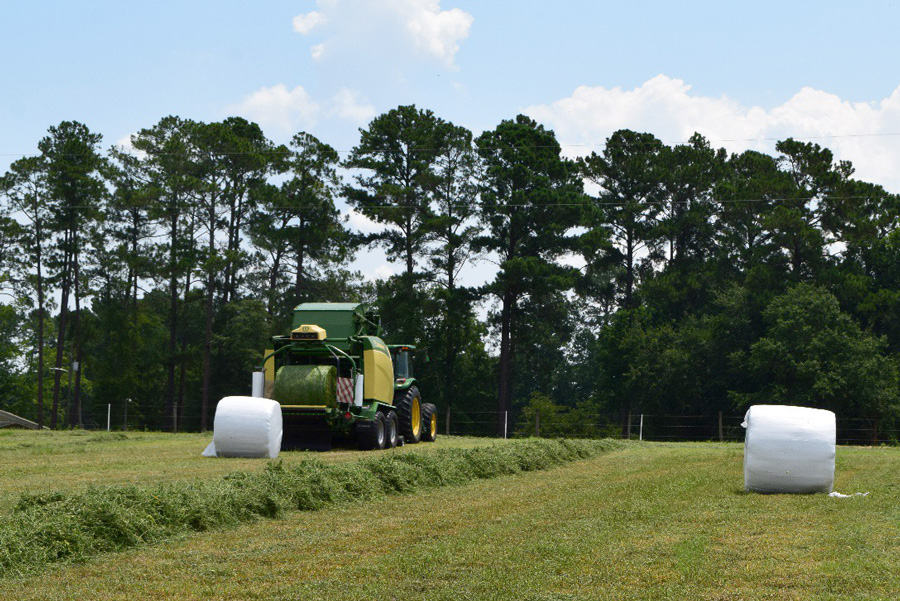
Baled silage, or “baleage,” is an excellent method for forage harvest, storage, and feed efficiency. Conserving forage as baleage enables harvests to be performed on a timely basis, allowing harvests to capture higher quality forage. This publication focuses on common questions about making and feeding baleage.
|
-
B 1298
Chemigation in Georgia
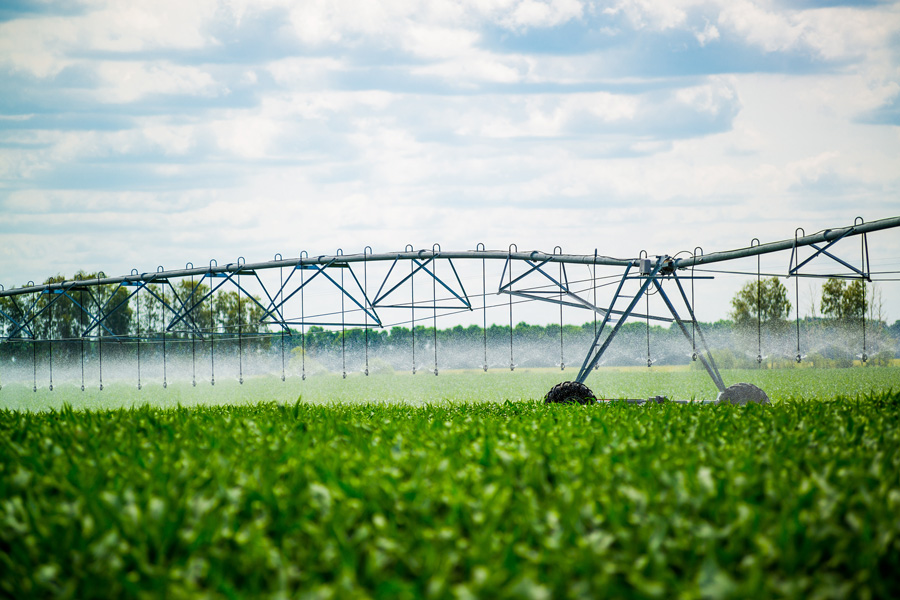
Chemigation is an inclusive term referring to the application of a chemical into or through an irrigation system. It includes the application of fertilizers, acids, chlorine and pesticides. Chemigation can save time, reduce labor requirements, and conserve energy and materials. Chemigation is beneficial, however, only to the extent that the irrigation system is adequately designed, fully functional and properly managed.
|
-
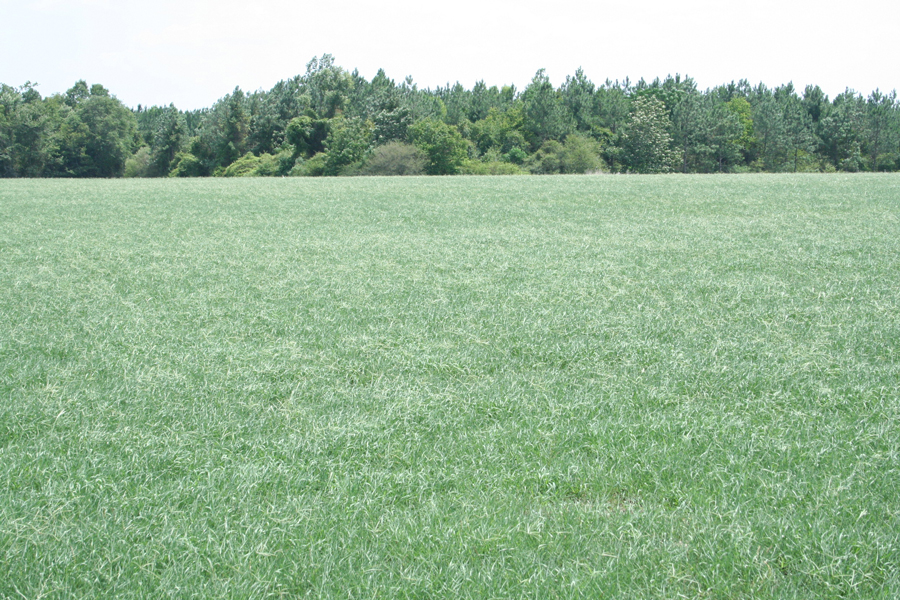
Bahiagrass is a long-lived, perennial warm season grass that is grown extensively in the southeastern United States. It is most commonly used as a pasture species, but can be used for hay production, erosion control, and wildlife habitat. Bahiagrass can also be used in “sod-based rotation” sequences that have been found to suppress pest problems (nematode and disease issues) in crops such as peanuts.
|