Crop and Soil Sciences Resources
-

This report provides research and extension results for trials conducted by the University of Georgia Vegetable Team and its collaborators in 2022. Contributing authors include county and regional faculty as well as specialists from UGA’s horticulture, plant pathology, crop and soil sciences, and entomology departments. All research has been supported by the Georgia Commodity Commission for Vegetables.
|
-
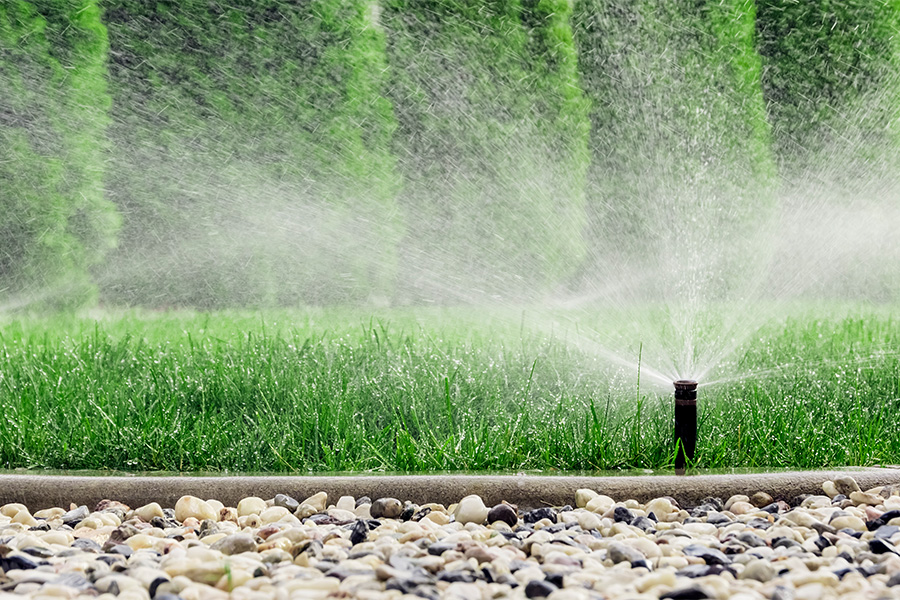
Selecting a qualified irrigation contractor is very important. There are many irrigation products available and the installation process requires skill, knowledge and equipment. This publication outlines general considerations for purchasers of a landscape irrigation system. It also underscores the importance of considering the cost of water when selecting a contractor and protecting desirable trees during the installation process.
|
-

Bermudagrass leafspot is a disease that decreases yields, nutritive value and palatability. This publication discusses leafspot diagnosis and management in bermudagrass.
|
-

This publication discusses the proper calibration methods sprayers and other liquid applicators.
|
-
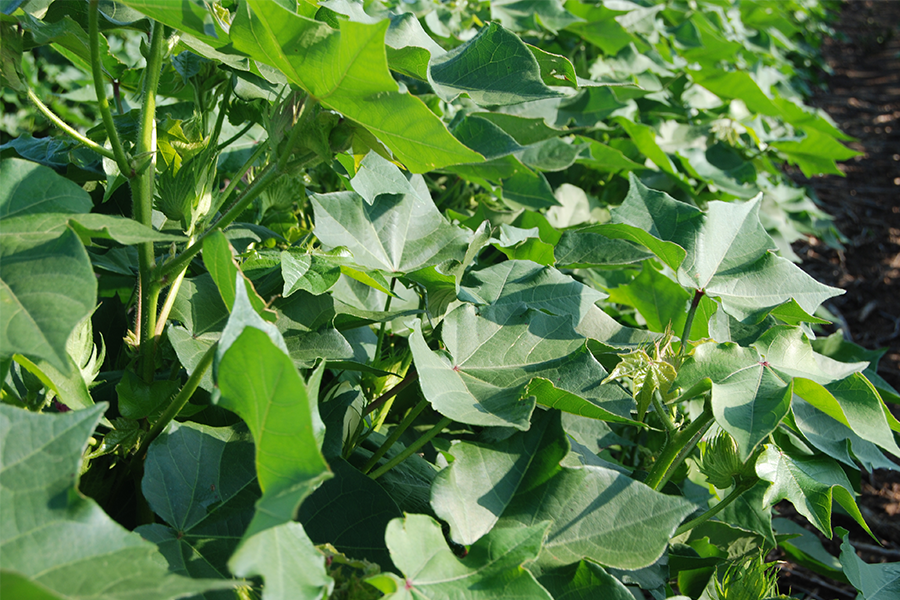
Cotton growth monitoring is vital to producing a healthy crop, making sure that the crop is growing on track, and that there are minimal stresses on the crop. Growth monitoring also can assist in making plant growth regulator (PGR) applications. PGR applications are complex, and many factors play into the decision of when to use them and at what rates. The goal of this publication is to discuss these factors and assist in determining when to make a PGR application.
|
-

This biennial publication contains the proceedings of the turfgrass field day carried out at the UGA Griffin campus every other year; 2022 was the first field day since the 2018 field day because of the COVID-19 pandemic. The guide provides professionals with continuous, real-time access to the latest up-to-date information about turfgrass research studies, products, and turfgrass Extension activities, programs, and outreach. Topics will include, but are not limited to: crop and soil science, agronomy, weed science, plant pathology, entomology, economics, tissue culture, urban agriculture, irrigation, and student posters.
|
-
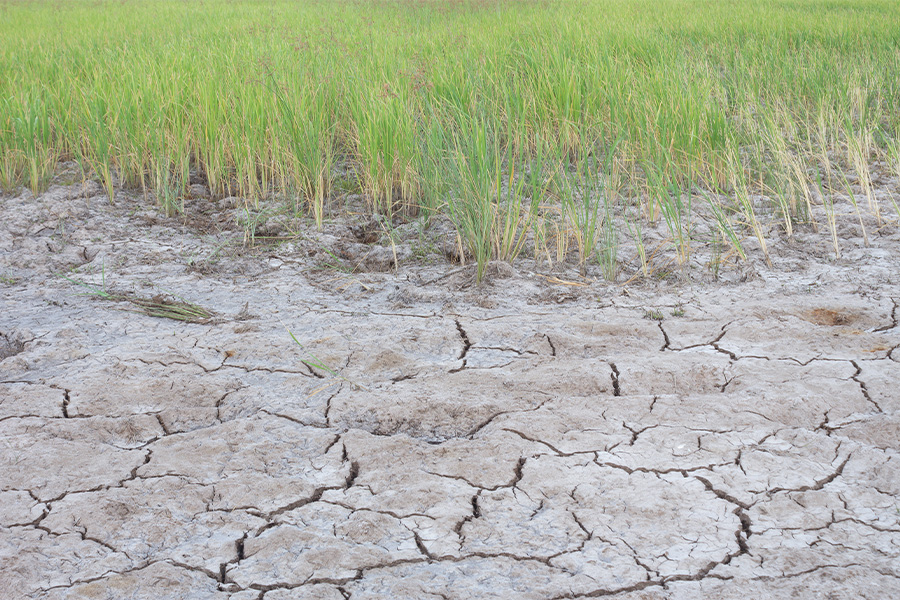
The University of Georgia Agricultural and Environmental Services Laboratories offer soil salinity testing to help farmers and the general public diagnose and manage problems associated with soil salinity. By definition, a saline soil contains excess soluble salts that reduce the growth of most crops or ornamental plants. This publication discusses soil salinity testing, data interpretation and recommendations, specifically those pertaining to the University of Georgia.
|
-
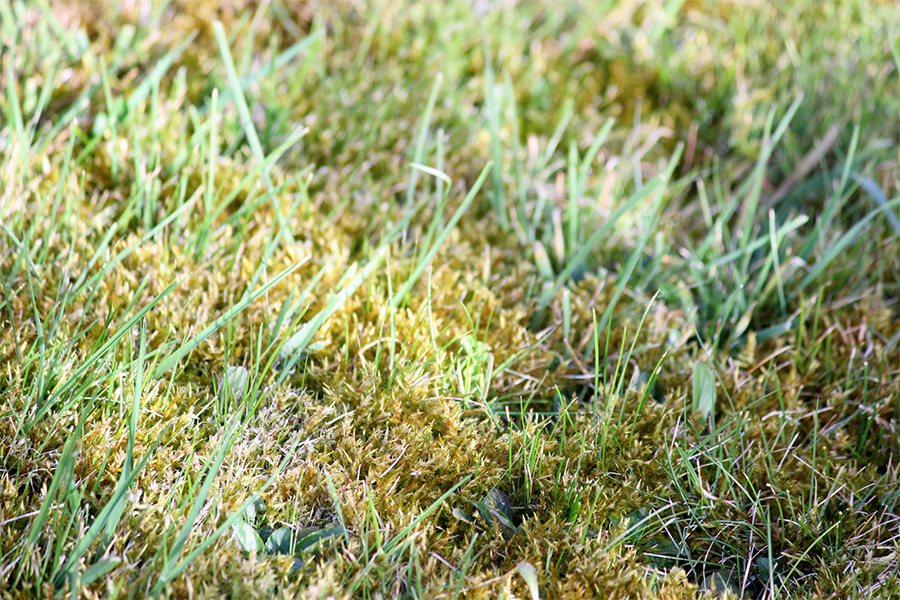
Occasionally, turfgrass areas begin to thin out and moss and algae start to form. These primitive plants develop because conditions for growing dense, healthy turf have declined. This publication gives you preventive practices and chemical suppression tips for controlling moss and algae in turf.
|
-
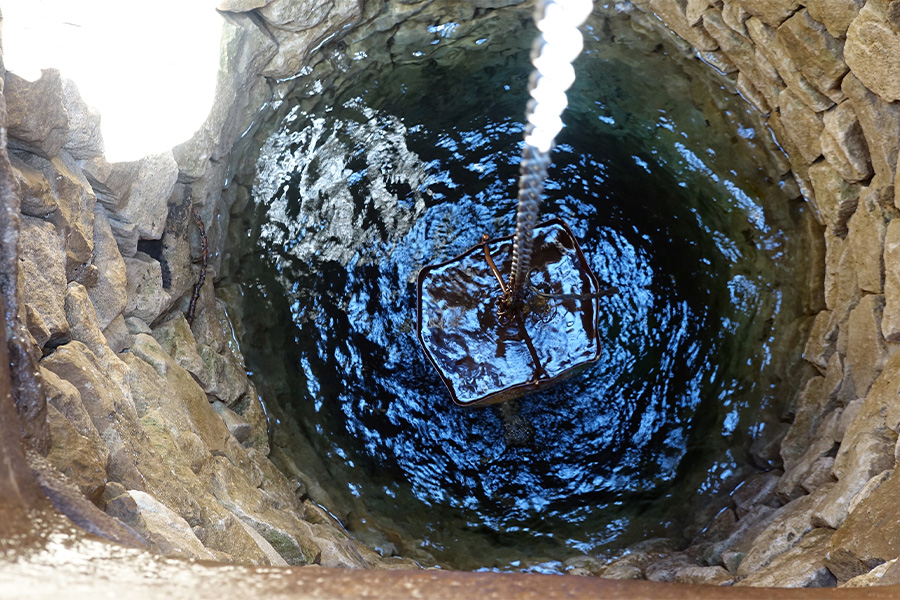
The quality of drinking water from wells may be compromised during a flood. Flooding around the well increases the risk of drinking water becoming contaminated with bacteria or any other contaminants, rendering it unsafe to drink and for washing food items. This publication describes the steps to take when you suspect that your well has been affected by flooding. Steps include well inspection, calculation of the depth of water and storage capacity of the well, shock chlorination, and laboratory bacteria testing. The circular also discusses tips on how to know whether the water is safe to drink again.
|