Crop and Soil Sciences Resources
-

AP 124-2
2022 Georgia Cotton Production Guide
The cotton production guide provides an in-depth look at cotton production in Georgia and the southeastern United States. Issues discussed include economic outlook, fertility, weed management, insect management, disease and nematode management, irrigation decisions, precision ag technology, and general agronomics of the cotton crop (varieties, PGR applications, defoliation, etc.).
|
-

B 892
Irrigating Tobacco
This publication is a comprehensive guide to irrigation methods for tobacco in Georgia.
|
-

Johnsongrass is a warm-season perennial weed in pastures and roadsides throughout central and northern Georgia. Populations may germinate from seed in spring after overwintering in the soil. However, Johnsongrass primarily emerges from dormant rhizomes in areas with a history of infestations. Rhizomes are belowground stems that produce daughter plants and storage reserves for new growth in spring. The persistence of Johnsongrass is primarily associated with extensive rhizomatous growth that enable populations to spread laterally and dominate areas by preventing desirable species from flourishing.
|
-

This bulletin describes a recommended procedure to measure soil saturated hydraulic conductivity (Ks) with a borehole permeameter and convert this value to estimates of percolation rate for on-site wastewater treatment systems. Saturated hydraulic conductivity is a fundamental hydraulic parameter for soil water flow and it is defined as the ratio of the water velocity to the hydraulic gradient. This bulletin also provides information on a computer-based program to help calculate saturated hydraulic conductivity.
|
-

This report provides research and extension results for trials conducted by the University of Georgia Vegetable Team and its collaborators in 2021. Contributing authors include county and regional faculty as well as specialists from UGA’s horticulture, plant pathology, crop and soil sciences, and entomology departments. All research has been supported by the Georgia Vegetable Commodity Commission.
|
-

These irrigation budgets, developed by University of Georgia Cooperative Extension, are estimates of the irrigation costs of a center pivot irrigation system located in southeast Georgia. Our intention is to provide flexible, user-friendly irrigation budgets with default values. That being said, the variation among different farm conditions can impact investment costs and annual costs associated with irrigation; users are suggested to modify these default values and customize their budgets according to their specific field conditions. Please consult your irrigation providers for properly designed center pivot systems that match well production to achieve your irrigation goals. This should serve as a generalized user guide for irrigation budgets and provide guidance for adjusting the default values in the budgets.
|
-

Successful lawn care requires a basic understanding of soil properties. A healthy plant starts with healthy soil. Soil is a complex relationship of soil minerals, organic matter, soil inhabiting organisms, and plants along with water and air. Understanding when and how to aerate the soil and understanding what pH is and how it affects plant health is essential for turfgrass health. This publication aims to help homeowners and landscape professionals improve soil fertility through the techniques discussed.
|
-
B 1533-2
Lawns in Georgia: Establishment
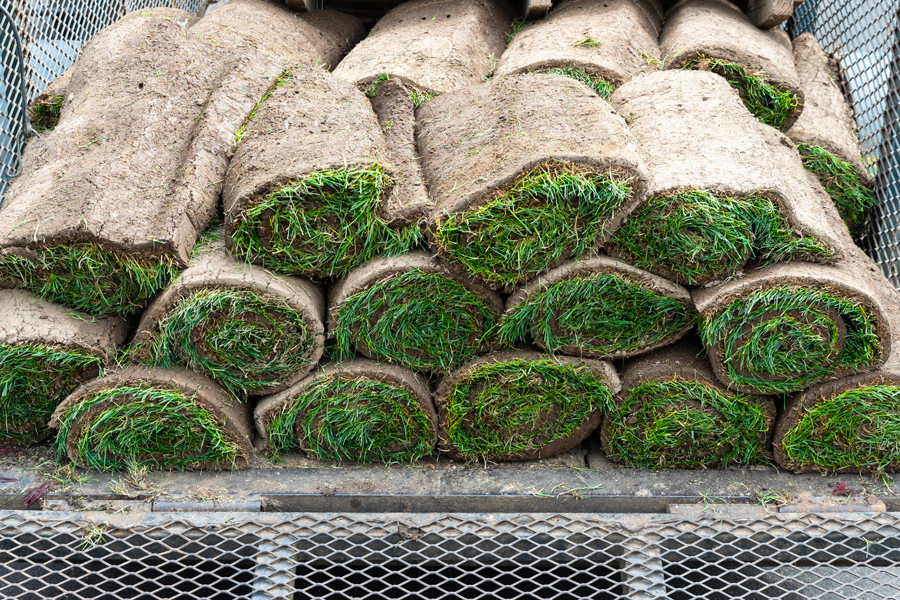
Turfgrass enhances the landscape in ways that can be particularly important in urban environments. Turf is one of the most effective plant covers to reduce soil erosion and surface runoff while recharging ground water, which results in more efficient use of rainfall. In most landscapes turf occupies the largest area and provides an ideal surface for outdoor activities. It begins with selecting the best adapted species and cultivar for an individual site— right plant, right place. Once the proper species and cultivar have been selected, getting the site properly prepared for growing grass and getting it established is critical in creating a sustainable lawn.
|
-

A farm’s return on investment is directly affected by the way water is applied to its crops. The wrong end-gun settings can result in overwatering or underwatering large portions of field acres. Clogged or partially clogged nozzles lead to obvious water shortages that can be visually observed or measured using yield monitors. Systems not properly checked and maintained can lead to significant losses in potential income. This irrigation reference guide will contain information provided by UGA Extension recommended irrigation scheduling rates for corn, cotton, peanuts and soybeans. The guide will also recognize specific center pivot application issues and how to correct them.
|