Crop and Soil Sciences Resources
-

Georgia ranks in the nation’s top 10 in cowpea (southern pea, Vigna unguiculata) production, with estimates of more than 4,900 acres grown in approximately 49 of 159 counties in the state in the 2014 production season. Colquitt County, located in southwest Georgia, leads the state in production with 1,900 acres. This cowpea crop profile is the first in the Southeast United States and will support cowpea growers, pest manager, and state research and Extension grant proposal applications.
|
-

C 990
Soil Inoculants
Soil inoculants are used for a variety of reasons. In some cases, we add soil organisms that have a known beneficial effect. A symbiotic relationship is one that is mutually beneficial. In return for the plant feeding the rhizobia carbon from photosynthesis and giving it a home, the bacteria can “fix” atmospheric nitrogen into a form that the plant can use.
|
-

This publication discusses the use of scrap wallboard at residential construction sites.
|
-

Grasscycling is the natural recycling of grass clippings by leaving them on the lawn after mowing. Grasscycling saves time, effort and, when done properly, is good for the environment and health of the grass. This publication describes the process of grasscycling, a practical and environmentally responsible way of recycling grass clippings in the landscape.
|
-

The objective of this handbook is to provide rapid and extensive transfer of modern management technologies for small grain production. The intended audience includes Extension agents, industry personnel and dedicated producers.
|
-

EB 102
Success with Cover Crops
This publication discusses the benefits of planting cover crops, how to select an appropriate cover crop to meet your needs, and includes information about using cover crops successfully.
|
-

This publication addresses safety issues inherent to corn production before and during a corn production season. We have divided safety issues into General Health and Safety, Corn Harvest, Corn Grain Bin, and Augers. Safety tips are presented that should be reviewed by anyone involved with corn production on the farm.
|
-

This research report presents the results of the 2016 statewide performance tests of peanut, cotton, and tobacco. The tests for various evaluations were conducted at several or all of the following locations: Bainbridge, Tifton, Plains and Midville in the Coastal Plain region and Athens in the Piedmont region.
Agronomic information such as grade, fiber data, plant height, lodging, disease occurrence, etc., is listed along with the yield data. Information concerning planting and harvest dates, soil type, and culture and fertilization practices used in each trial is included in footnotes.
|
-
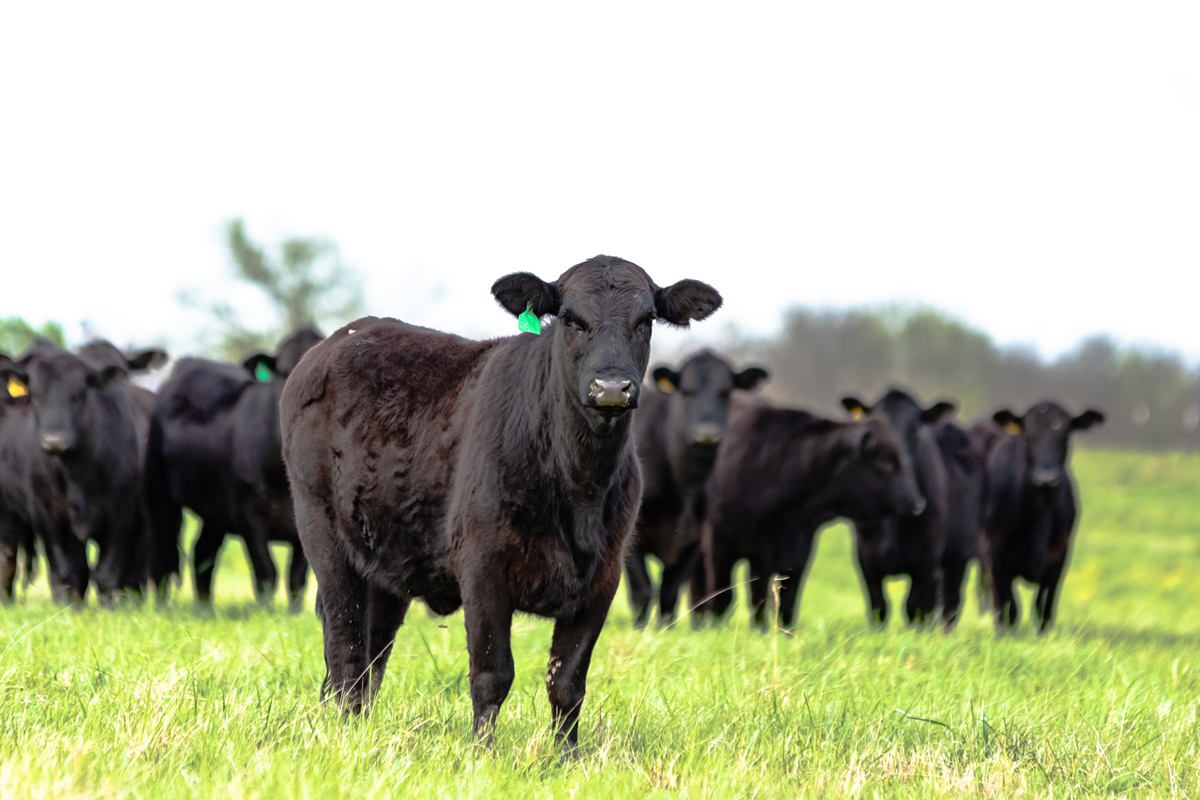
Cutting costs allows producers to survive during trying times and also teaches valuable lessons that may actually increase profits in future years. Cutting corners, on the other hand, may save some money in the short-run but ultimately will have very detrimental effects.
|