Departments and Units Resources
-
 Renewed
Your guide to home gardening in Georgia! Our climate allows us to grow something almost year-round, and these monthly checklists will help you keep your garden working well. Planting recommendations are based on long-term average last and first frost dates for Middle Georgia; adjust accordingly for South or North Georgia.
|
-
 Renewed
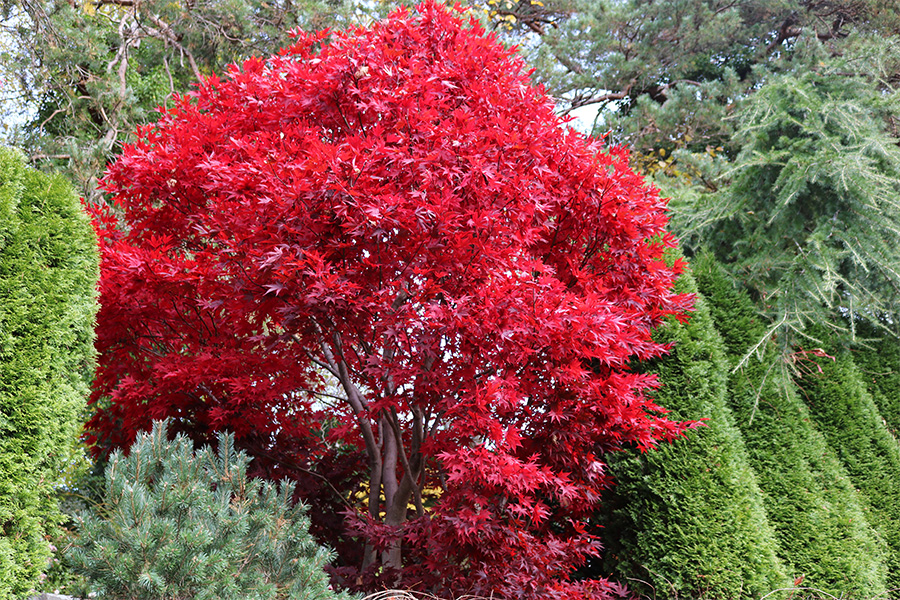
This resource will help you choose small trees and shrubs that can provide privacy from your neighbors, separation from a road with heavy traffic or a screen to hide unattractive areas.
|
-
 Renewed
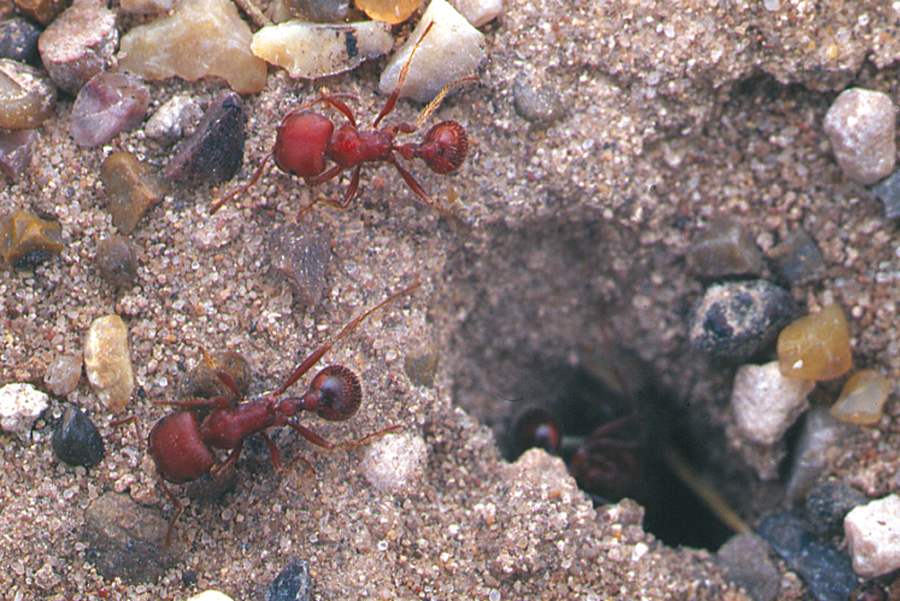
Imported fire ants interfere with outdoor activities and harm wildlife throughout the southern U.S. Ant mounds are unsightly and may reduce land values. Although fire ants do prey on flea larvae, chinch bugs, cockroach eggs, ticks and other pests, the problems they cause usually outweigh any benefits in urban areas. While it is not possible to eradicate this species, controlling fire ants is highly desirable. The best control programs use a combination of non-chemical and chemical methods that are effective, economical and least harmful to the environment.
|
-
C 742
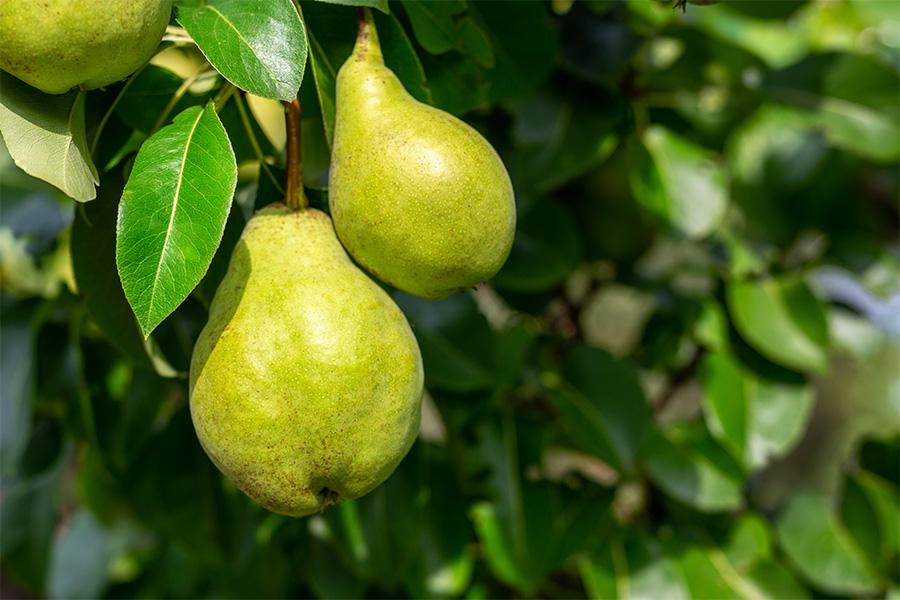
Home Garden Pears
RenewedFind out how to grow pears at home. They are adapted to nearly all of Georgia, and it’s not uncommon to find trees as much as 50 years old that are still producing fruit.
|
-
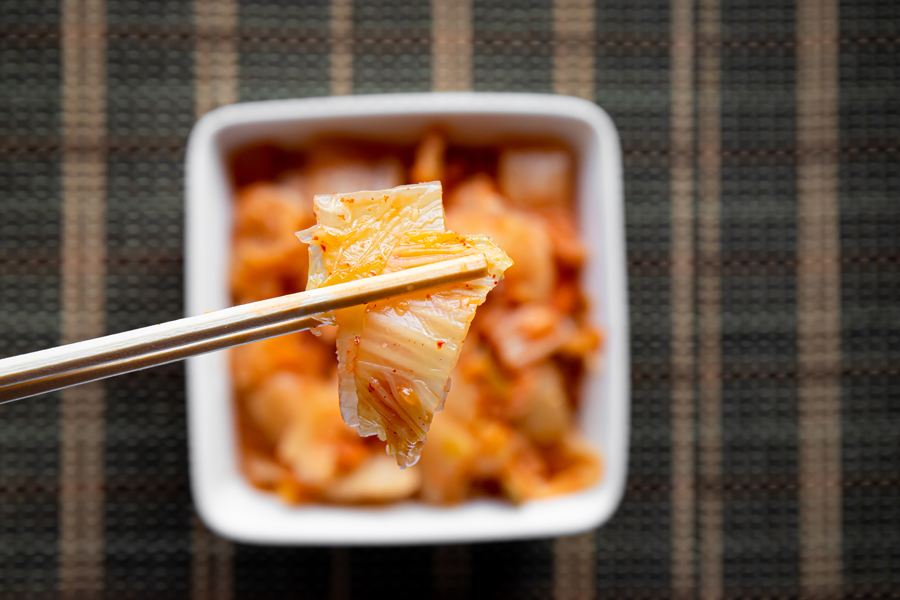
El kimchi es un plato tradicional coreano que se elabora por lo general con repollo napa (también conocida como repollo chino o de invierno), y se mezcla con diversos ingredientes como zanahorias, cebollas, cebolletas, rábanos, jengibre, ajo, salsa de pescado y gochugaru. Esta recurso proporciona orientación basada en la ciencia para ayudar a los consumidores a preparar kimchi de forma segura en casa.
|
-
 New
NewThis practical handbook provides basic answers about insects affecting vegetables in Georgia. The content is ideal for pest managers, farmers, Master Gardeners, and integrated pest management students in the Southeastern U.S.
|
-
 Renewed
Disposal of dead birds can be a problem for poultry growers. Typical methods of mortality disposal include burial, incineration, rendering, and composting. Many states have banned the use of burial pits that historically have been used to dispose of dead birds. Incineration can be costly and raise air quality concerns, and the decreasing number of renderers further complicates disposal. Composting is considered a positive alternative method of processing dead birds in an environmentally sound manner. This relatively inexpensive method of using dead birds has gained wide acceptance throughout the poultry industry.
|
-

The nutrients and organic materials found in poultry litter/manure are extremely beneficial by-products, as evidenced by the fact that years of application have transformed north Georgia from a severely depleted landscape in the 1920s and 1930s to a productive and green one today. Overapplication or improper storage of poultry litter, however, can cause nutrient contamination of the state’s waters. Given the size and economic importance of this key agricultural industry, poultry producers must properly use this material to obtain maximum economic value of its fertilizer qualities while assuring protection of the environment.
|
-
 Renewed
Deciduous fruit plants common to Georgia must be propagated asexually because they do not come true to seed. This makes it necessary to reproduce the desired fruit plants by methods such as cuttings, runners, layering, budding or grafting. This publication discusses the common techniques used to asexually propagate fruit plants adapted to Georgia.
|