Departments and Units Resources
-

The pre-breeding period (2 months prior to breeding) is essential for preparing bulls for a successful breeding season. This is particularly important for yearling bulls as they are still growing and will use for energy during their first breeding season. Pre-breeding management should include an adaptation period, breeding soundness exam, health care, exercise, and an evaluation of body condition score. These topics are discussed in the circular. Proper pre-breeding management will increase reproductive efficiency and profitability in beef herds.
|
-

In the Southeastern U.S., beef cattle producers focus on forage management and maximizing the grazing season. To that end, Southeastern cattle spend the vast majority of their lives either grazing or consuming stored forage. Cereal grains and coproduct feeds are also commonly used nutritional supplements for cattle in times of elevated nutrient requirement. Any disease or disorder in the beef herd represents a nutrient drain and subsequent economic inefficiency. Sudden shifts in dietary composition as well as mineral imbalances are the primary causes for most nutritional and metabolic disorders. This publication contains an overview of the common nutritional and metabolic disorders that may affect beef herds in the Southeast along with management strategies that can be used to minimize the effects of these disorders in beef cattle production systems.
|
-
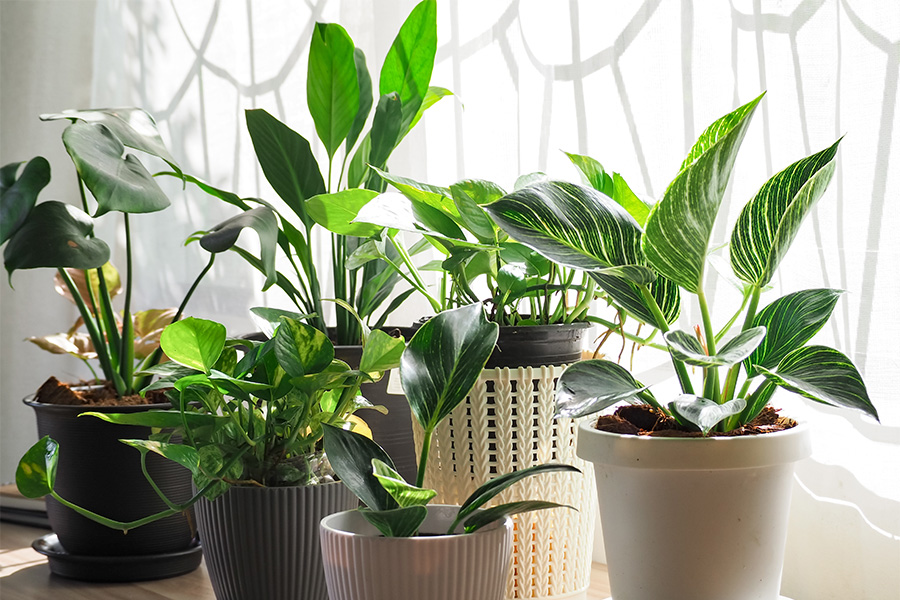
Interior plants are an ideal way to create attractive and restful settings while enhancing our sense of well being. In addition, houseplants can be a satisfying hobby and can help purify the air in our homes. To be a successful indoor gardener, you need to understand how the interior environment affects plant growth and how cultivation differs from growing plants outdoors.
|
-

Container gardening has enjoyed an increased popularity in the last decade. With increased urbanization, container gardens have come to the rescue to brighten up patios and balconies. This publication is intended to provide information on successful gardening in containers using tropical plant materials.
|
-

C 926
Argentine Ants
This resource will help readers identify Argentine ant infestations and manage them around their homes and landscapes.
|
-

C 929
Carpenter Ants
This resource discusses the most effective methods to prevent and control carpenter ants in and around your home.
|
-

This resource introduces the effective and environmentally friendly use of trap crops as an alternative to controlling damaging insects in the vegetable garden. Trap crops are sacrificial plants that can draw damaging insects away from valuable crops.
|
-
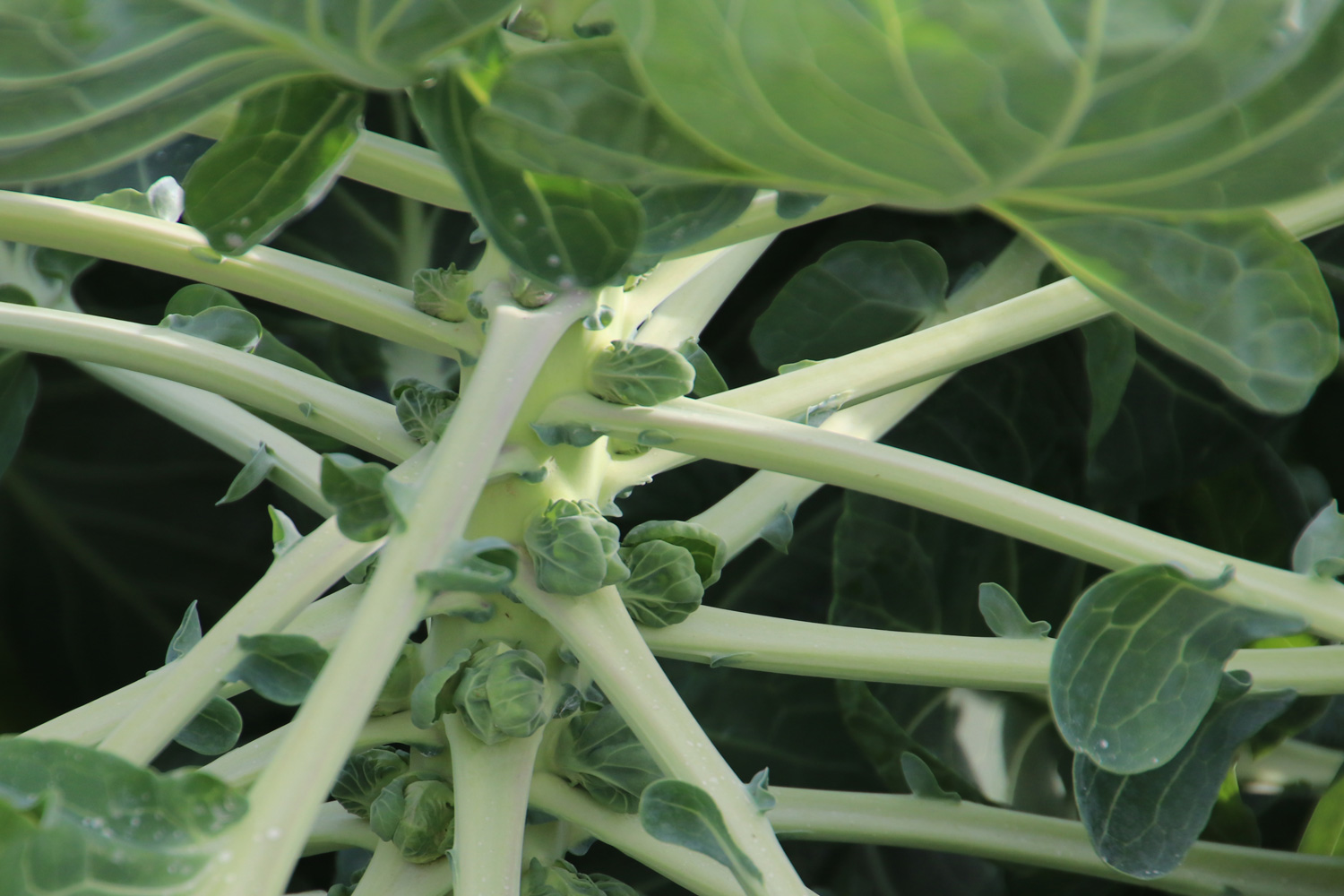
C 1069
Home Garden Brussels Sprouts
Learn how to grow Brussels sprouts in your home garden. Brussels sprouts are a cool season vegetable that can be grown both in the fall and early spring. This resource covers soil preparation, planting, and maintenance, as well as controlling pest problems.
|
-
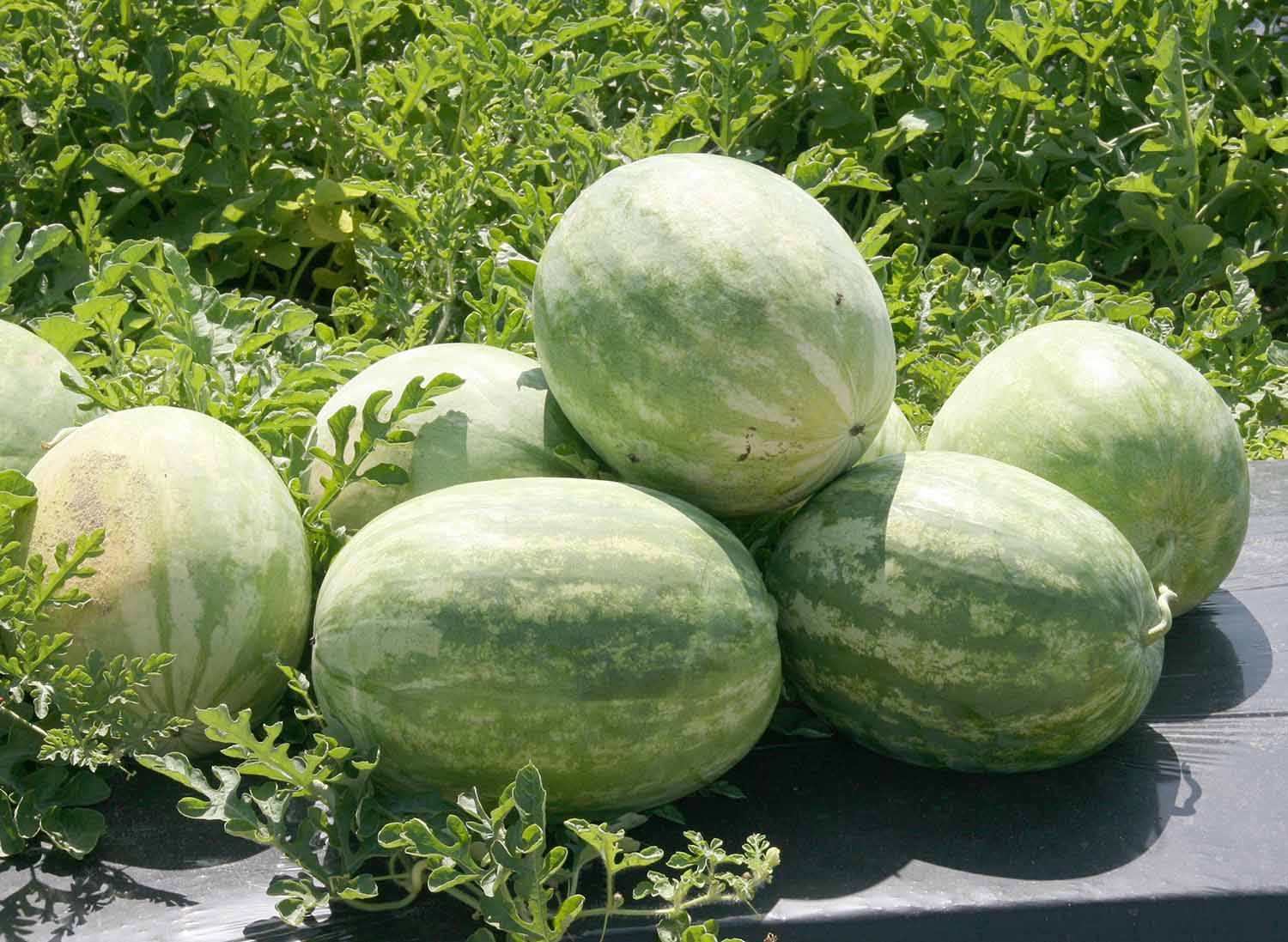
C 1035
Home Garden Watermelon
Learn all about growing watermelon in the home garden, including transplanting, starting seeds, soil preparation, culture and fertilization, harvesting, storage and use, and problems. It also includes a list of recommended varieties for Georgia.
|