Departments and Units Resources
-
C 941
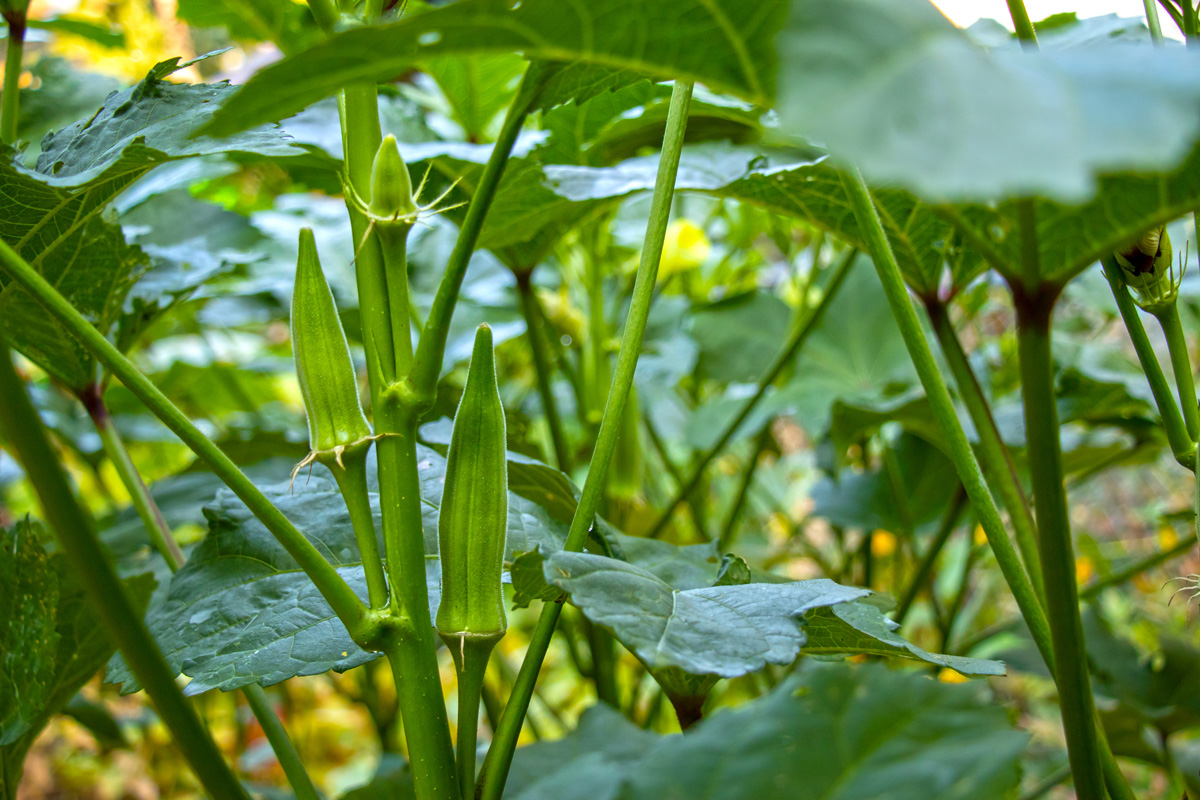
Home Garden Okra
Learn how to grow okra, a Southern staple in the home garden and at the dinner table that can be grown throughout the state of Georgia. This vegetable is both easy and fun to grow and can be used in many different culinary dishes and in dried flower arrangements.
|
-

The purpose of this publication is to introduce the problem of blossom-end rot and provide a guide to effectively diagnose and treat this problem.
|
-

All vegetables, especially tomatoes, like an even supply of water throughout the growing season, and will often develop problems if their water supply fluctuates. If watering restrictions or bans are imposed, water conservation becomes a critical issue.
|
-
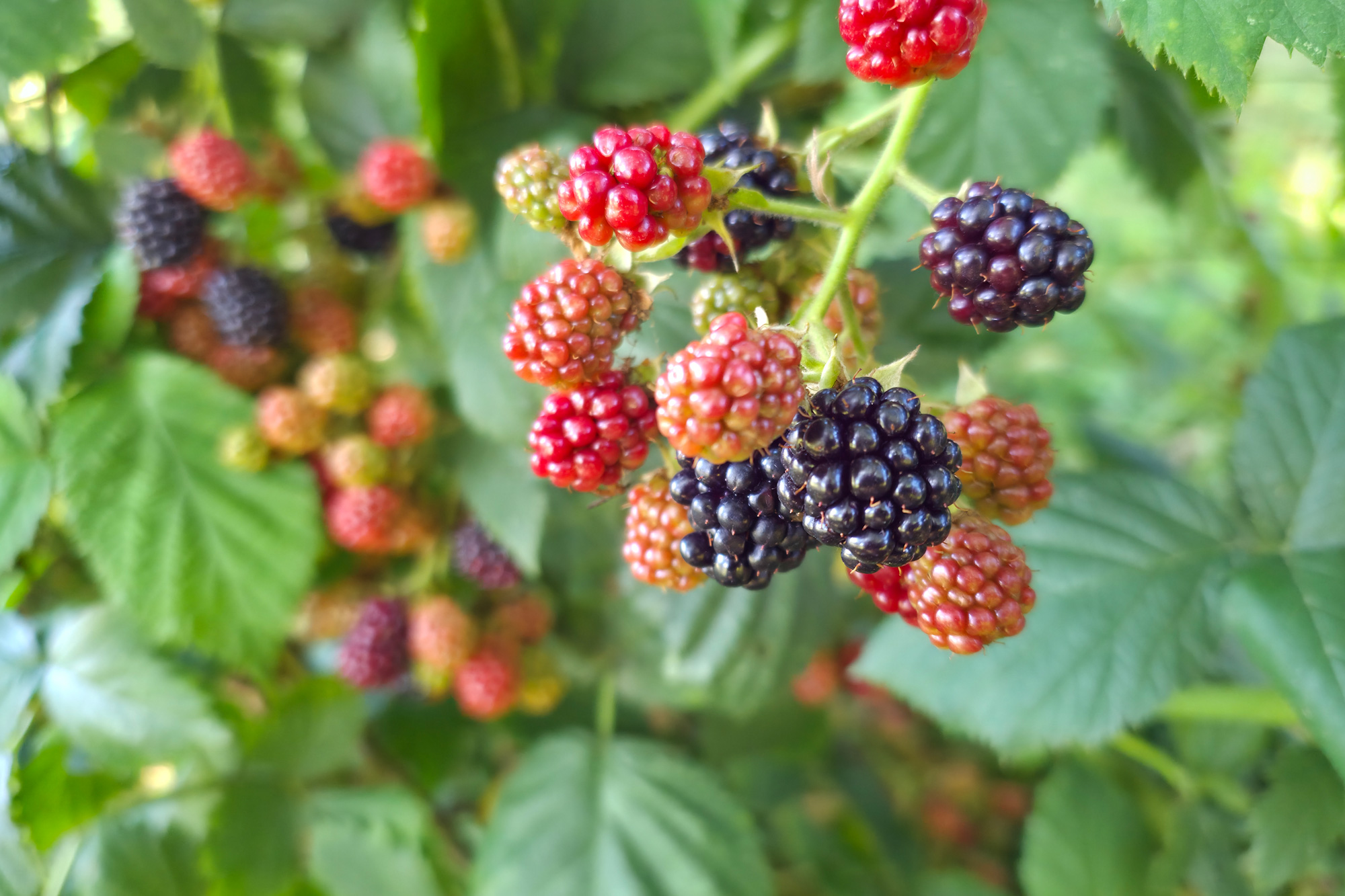
Blackberries and raspberries are one of the most popular fruits to grow and they are among the easiest for the home gardener to successfully produce. Blackberries and raspberries come as erect types (no trellis required) and trailing types (trellis required), depending on the varieties selected. This publication discusses growing raspberries and blackberries in a home garden.
|
-

C 955
Growing Hostas
Hostas are quickly becoming one of the most popular perennial plants grown in our landscapes. Sometimes referred to as plantain lilies, hostas are reliable plants for both shade and partial sun situations. This publication includes variety recommendations.
|
-

Powdery mildew, caused by Blumeria graminis f. sp. tritici (syn. Erysiphe graminis) is an obligate, host specific fungus that attacks wheat exclusively. The pathogen reduces photosynthesis and increases respiration and transpiration rates in host leaves. Colonized plants lose vigor, impairing heading and grain filling. Heavily colonized leaves can be killed prematurely. This circular provides information on symptoms and control of powdery mildew for wheat growers in Georgia.
|
-

Body condition scoring (BCS) is an easy and economical way to evaluate the body fat percentage of a cow. Cows can then be sorted and fed according to nutritional needs. Body condition scoring can be an effective tool for cattle producers who cannot weigh cattle, and it may be an even better measurement of cow condition and reproductive performance than weight. Most studies show that body condition decreases at a faster rate than weight loss. Therefore, body condition scoring can estimate the probability of re-breeding.
|
-

C 997
Pomegranate Production
This resource helps growers understand how to grow pomegranates for commercial or home use in Georgia, as well as general production practices common in other pomegranate-producing regions. There has been increasing consumer demand for the fruit and it’s being used in many consumer products, including tea and juice blends, nut mixes, and other foods.
|
-

Butterfly populations can be greatly enhanced by devoting a portion of the landscape to butterfly habitat. In addition to their natural beauty, butterflies serve as valuable plant pollinators.
|