Departments and Units Resources
-

Cover crops can be an important component to any home garden. They are used for various reasons, including building the soil, controlling soil erosion, and limiting the initiation and spread of certain diseases and insects in the soil. This publication is designed for homeowner and Master Gardener audiences and discusses the benefits, selection, planting and use of cover crops in the home garden.
|
-
C 1018
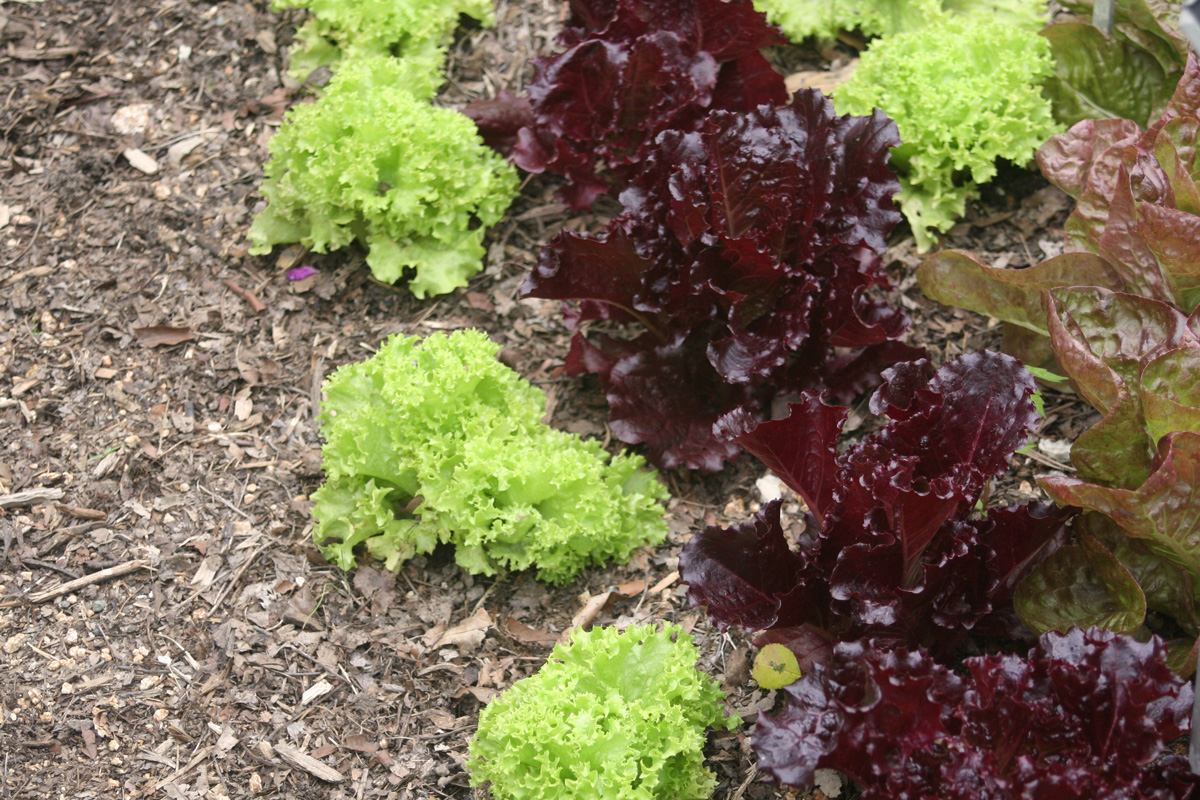
Home Garden Lettuce
Use this resource to learn how to grow lettuce, a cool-season vegetable that can be planted in early fall or early spring in Georgia.
|
-

The goals of these investigations were to achieve an aesthetically pleasing landscape while experimenting with mixing various plant habits, leaf textures and colors, and even flowers, and to raise consumer awareness, both at industry and public levels, of the alternative uses of tropical plants in the landscape. This publication presents plant performance data collected over a three-year period in trials from two different Georgia environments, a coastal area and a mid-state area.
|
-

C 1027-7
Garden Sheds
This publication provides information about storage sheds for community and school gardens, including local building codes, siting a shed, and alternatives to traditional sheds.
|
-

This diagnostic system is designed as a tool to assist growers, Extension specialists and county agents to diagnose problems with ornamental crops. The document consists of six major sections and five appendices. Each section is designed to supply information on various important aspects of the crop under scrutiny.
|
-
This publication explains the different sources of salt in the soil, the effects of high salt and salinity in plants, measurements of salinity in soils and water, and a list of salt-tolerant native trees alongside their ability to withstand high salinity.
The information in this bulletin was requested by the green industry, county faculty, and the public.
|
-

Sunflowers can be an important addition to the home garden due to their ability to attract beneficial insects as well as serve as a trap crop. Sunflowers also provide a nutritional, edible crop high in protein and low in fat. This publication covers the basics of how to grow and harvest sunflowers in the home garden. The circular introduces the benefits of growing sunflowers as well as multiple uses for the crop.
|
-
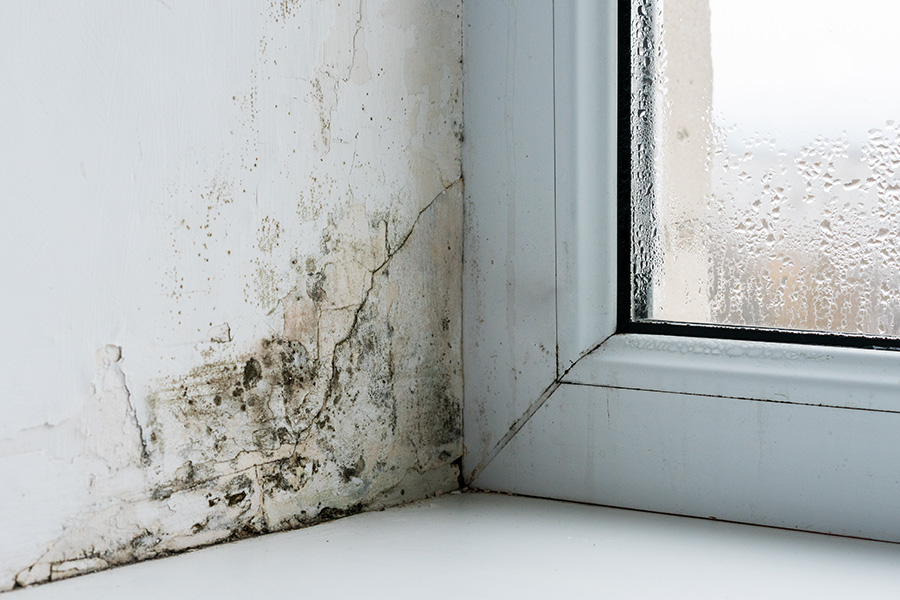
Las esporas del moho solo necesitan un ambiente favorable, alimentos (madera, papel, alfombra, etc.) y humedad para crecer. Si no se detecta o se trata, el moho puede provocar efectos negativos para la salud, como reacciones alérgicas, infecciones respiratorias y más. Use esta lista de verificación como una guía básica para inspeccionar su hogar en busca de señales de exceso de humedad y crecimiento de moho.
PRECAUCIÓN: Al investigar posibles problemas con el moho, puede alterar las áreas contaminadas al hacerlo, extenderá la contaminación al resto de la casa. Esto representa un grave riesgo para la salud de las personas con sistemas inmunes débiles, asma o alergias; por lo tanto, antes de realizar una investigación exhaustiva del moho, es mejor consultar a su médico o contratar a un profesional. Si decide realizar esta búsqueda por sí mismo, utilice el equipo de seguridad adecuado según lo recomendado por la Agencia de Protección del Medio Ambiente (EPA por sus siglas en inglés; www.epa.gov/mold).
|
-

Al igual que su salud personal, la salud de su hogar se deteriorará sin un cuidado y mantenimiento regular. Mantener un ambiente interior saludable ayuda a aumentar su calidad de vida y la vida de su casa. Con unos sencillos pasos puede mantener su hogar saludable. Utilice esta lista de verificación como guía para sus evaluaciones periódicas de mantenimiento del hogar en primavera y otoño. Tenga en cuenta que las frecuencias de mantenimiento pueden variar según el clima local y las recomendaciones de fabricación de electrodomésticos.
|