Departments and Units Resources
-

C 1052-03
Let’s Talk S-E-X
Communicating about the sexual relationship can be very difficult for some couples. In this publication, we describe the importance of communication about sex, how sex is viewed differently, and offer some tips on how to communicate about the sexual relationship.
|
-

C 1052-02
Empty Nest, Now What?
When the last child leaves home, many couples experience difficulties to this new life adjustment. In this publication, we offer suggestions on how to identify and describe these problems as a couple and move into the “second half” of marriage.
|
-

This publication is a monthly guide for professional managers of commercial, recreational, municipal, institutional or private grounds in Georgia.
|
-

Roses are one of the most popular plants among Georgia gardeners even though growing roses in the southern climate can be challenging. Knowing which rose varieties to choose is the key to success. This publication discusses selection and techniques for growing roses in Georgia.
|
-
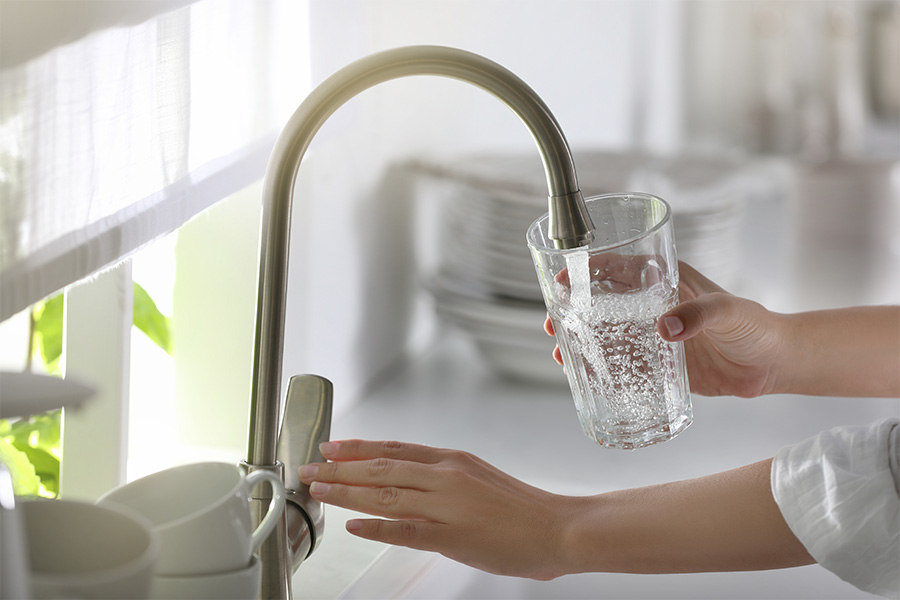
This publication explains how to identify and remove hydrogen sulfide and sulfate from household water.
|
-

C 858-13
Mercury in Your Water
Mercury in your drinking water poses a threat to your health. The U.S. EPA has set the current standard for mercury in drinking water at 2 ppb. The amount of mercury in public water systems is regulated according to EPA standards. If your water comes from a public system, it is routinely tested to ensure safe mercury levels. Unlike users of public water systems, those who use private water supplies (such as wells, springs, and cisterns) are responsible for ensuring the quality of their own drinking water. Since private systems are more susceptible to mercury than public water systems, private well owners should take steps to guard their health through routine testing and wellhead maintenance and protection.
|
-
C 858-12
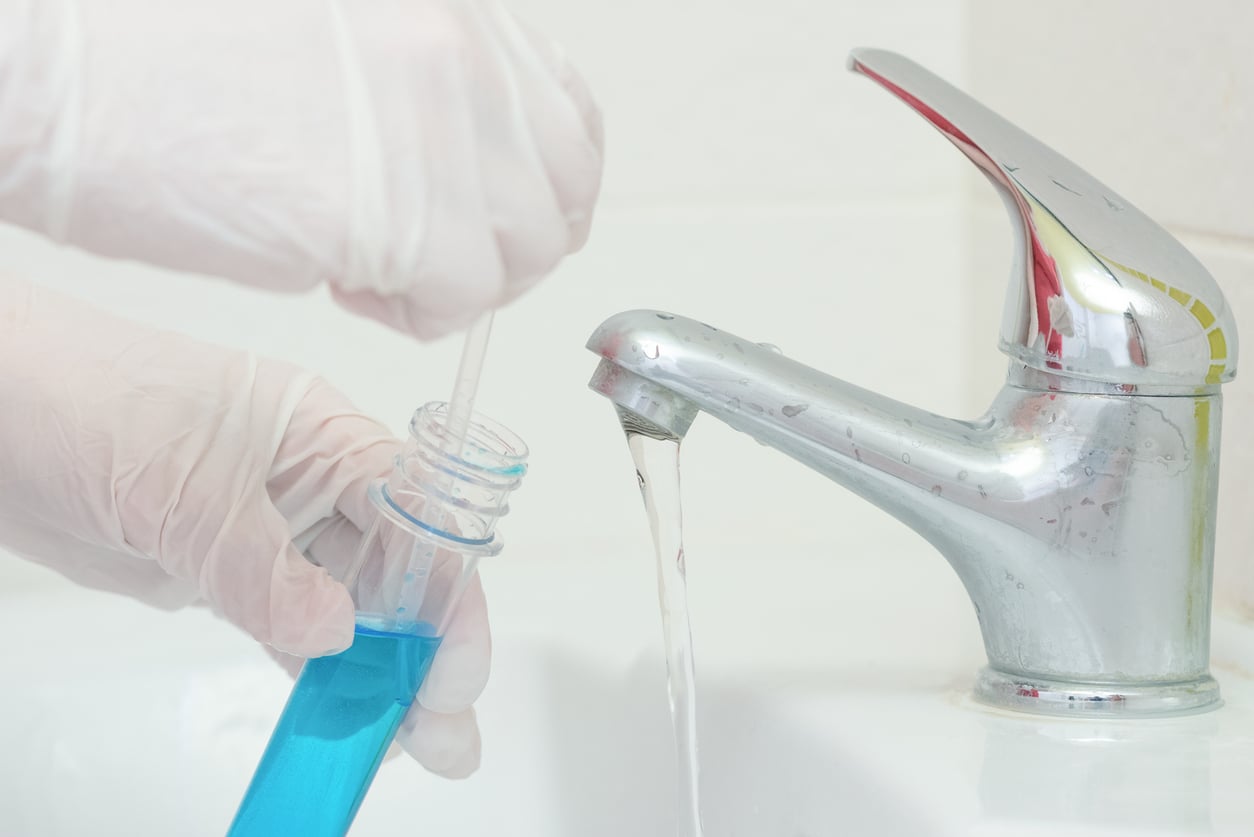
Arsenic in Your Water
Arsenic in your drinking water poses a threat to your health. Since private systems are more susceptible to arsenic than public water systems, private well owners should take steps to guard their health. Measures include routine water supply testing and wellhead maintenance and protection.
|
-

C 858-11
Iron and Manganese
Elevated levels of iron (Fe) and manganese (Mn) are two of the most common water quality problems in Georgia’s groundwater. This circular addresses problems associated with high levels of these two elements, levels considered to be a problem, and treatment options to remove the iron or manganese.
|
-
C 858-10
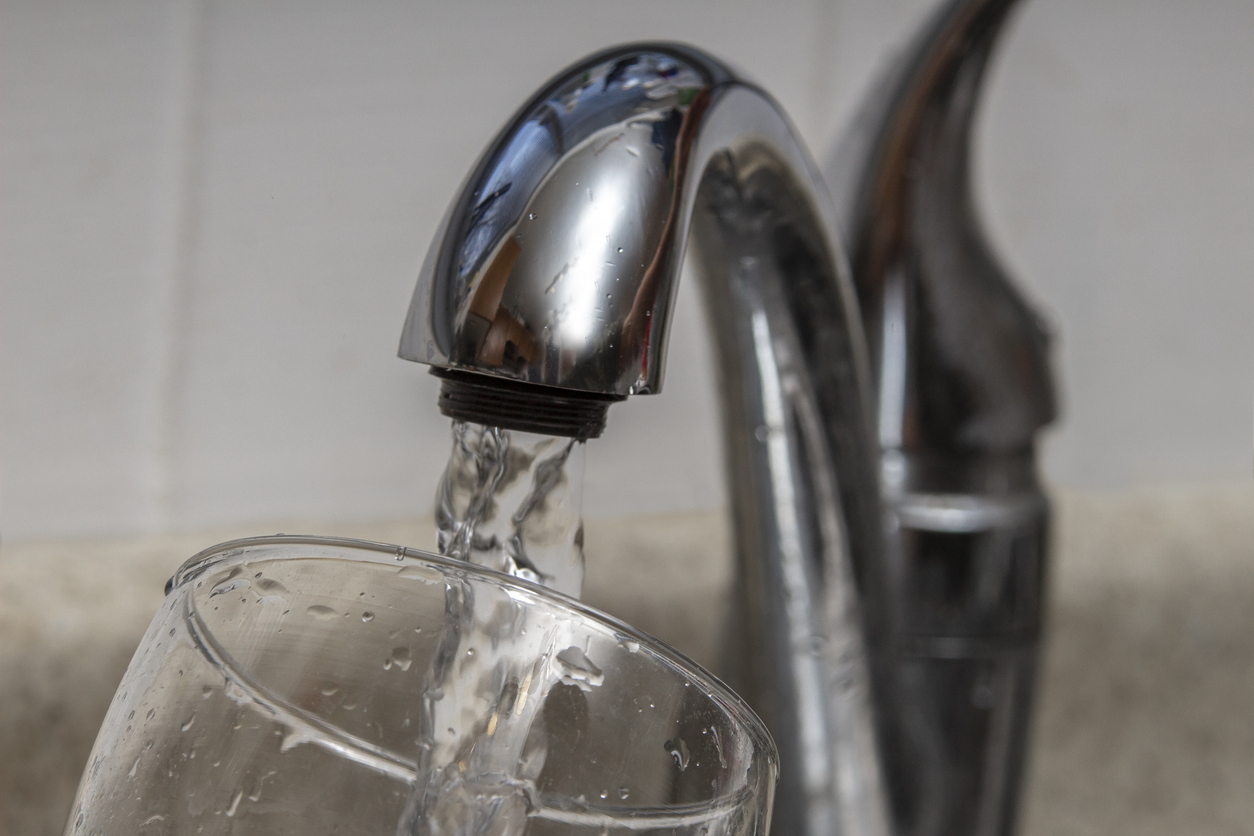
Lead and Copper
Private wells are exclusively supplied by groundwater. The source waters for most public water systems in south Georgia (and some in north Georgia) are also supplied by groundwater. Generally, lead and copper concentrations in the major underground aquifers in Georgia are far below the U.S. EPA’s action levels. Corrosive water can dissolve small amounts of these metals from plumbing which, upon drinking, may be harmful to your health.
|