Departments and Units Resources
-

C 1050-2
Recycle
In today’s disposable economy, it often seems easier to throw away old products and buy new ones. Because everything we need can be produced so quickly and cheaply, we tend to ignore the repercussions of our waste stream. Within this publication are facts and strategies which will help you rethink the notion of recycling.
|
-
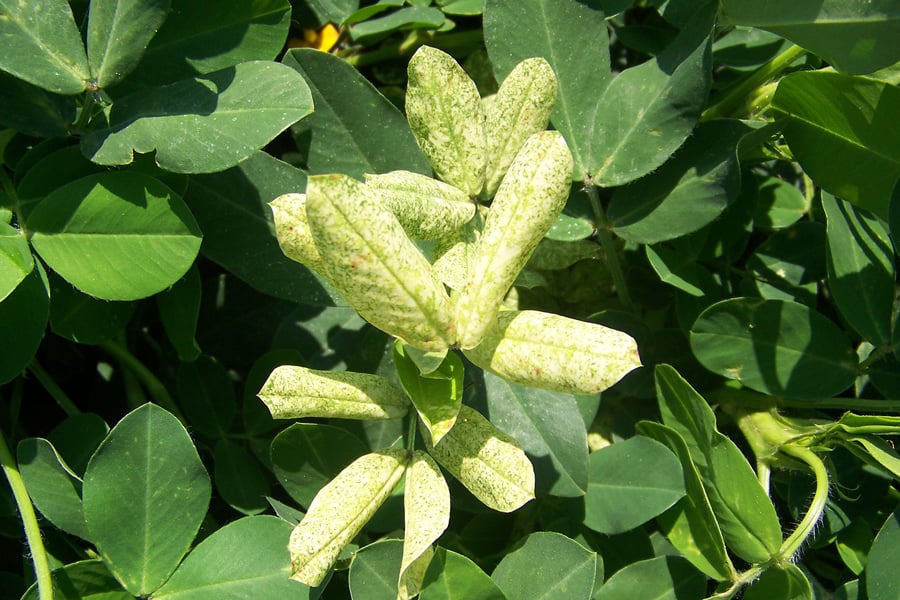
It is estimated that 2013 plant disease losses, including control costs, amounted to approximately $821.85 million. The value of the crops used in this estimate was approximately $6,551.91 million, resulting in a 12.55% total disease loss across all crops included in this summary.
Loss estimates for apple, blackberry, blueberry, bunch grape, corn, cotton, muscadine grape, ornamentals, peach, peanut, pecan, soybean, strawberry, turfgrass, vegetables, and wheat in 2013 are presented in this report.
|
-
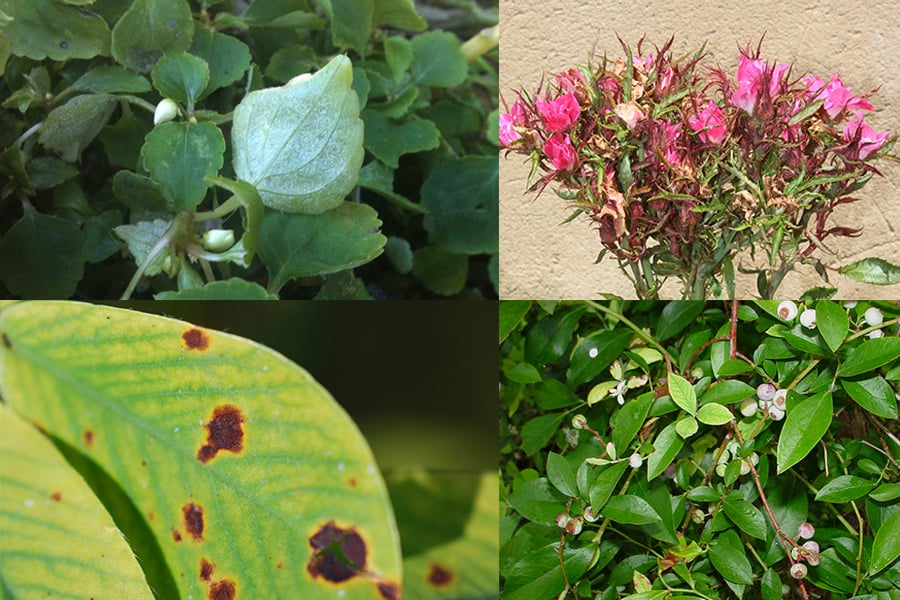
It is estimated that 2012 plant disease losses, including control costs, amounted to approximately $855.98 million. The value of the crops used in this estimate was approximately $6,647.83 million, resulting in a 12.9% total disease loss across all crops included in this summary.
Loss estimates for apple, blackberry, blueberry, bunch grape, corn, cotton, muscadine grape, ornamentals, peach, peanut, pecan, soybean, strawberry, turf grass, vegetables, and wheat in 2012 are presented in this report.
|
-
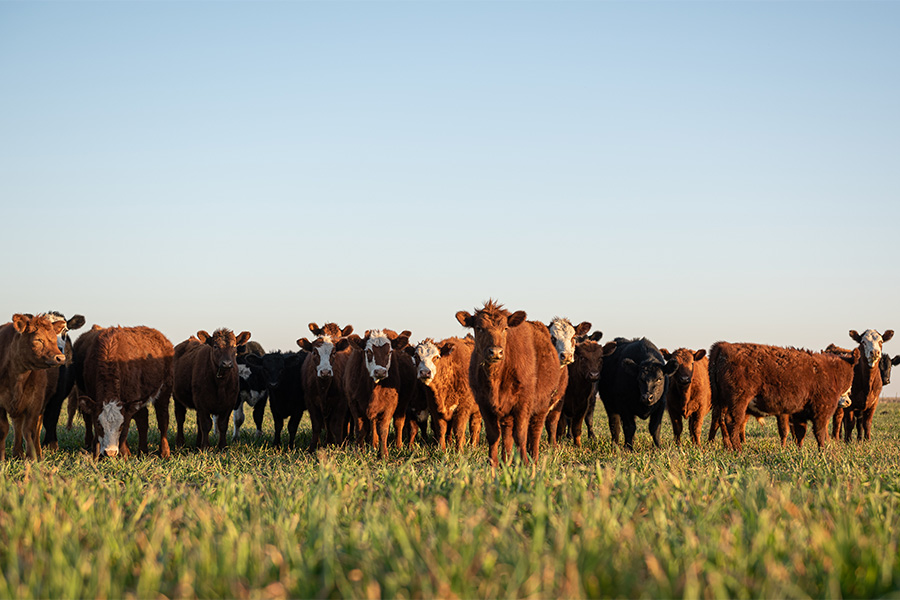
B 1161
Beef Management Calendar
This calendar contains a monthly listing of the common management practices needed for commercial beef herd production in Georgia. Some are recommended at a certain time of the year and others are recommended when calves are a certain age or at a certain point in their reproductive cycle.
|
-
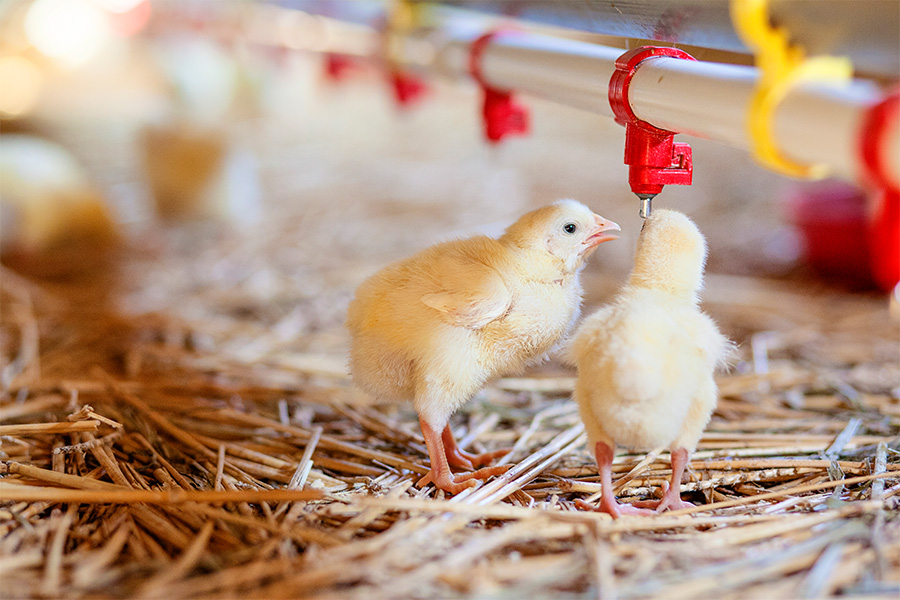
Water is a critical nutrient that receives little attention until a problem arises. Not only should producers make an effort to provide water in adequate quantity, they should also know what is in the water to be used in evaporative cooling systems and consumed by the birds.
|
-

In 2004, the Georgia General Assembly passed and the governor signed House Bill 579, which required all permitted irrigation withdrawals in Georgia to be metered by 2009, depending on available funds. Farmers are continually trying to manage their irrigation systems to increase yields and improve the quality of food and fiber. Some management examples include end gun shut-offs (repaired or installed), uniformity tests, installing new sprinkler packages and improved irrigation methods. Each of these methods help improve the system, reduce costs and distribute more of the pumped water to the growing crop. The agricultural water meter also can be used for improved yields while conserving water.
|
-

Reproductive management of dairy heifers is one area in which many dairy producers can improve. Heifers are the most fertile animals in a herd and should have the greatest genetic potential. Dairy producers need to pay more attention to getting heifers bred sooner and breeding them to genetically superior bulls. This publication describes methods for improving dairy heifer reproductive management.
|
-

SB 63-2
2008 Tobacco Research Report
The following research reports represent efforts of several research scientists to reduce production inputs in tobacco and thereby improve the profitability of tobacco production in Georgia.
|
-
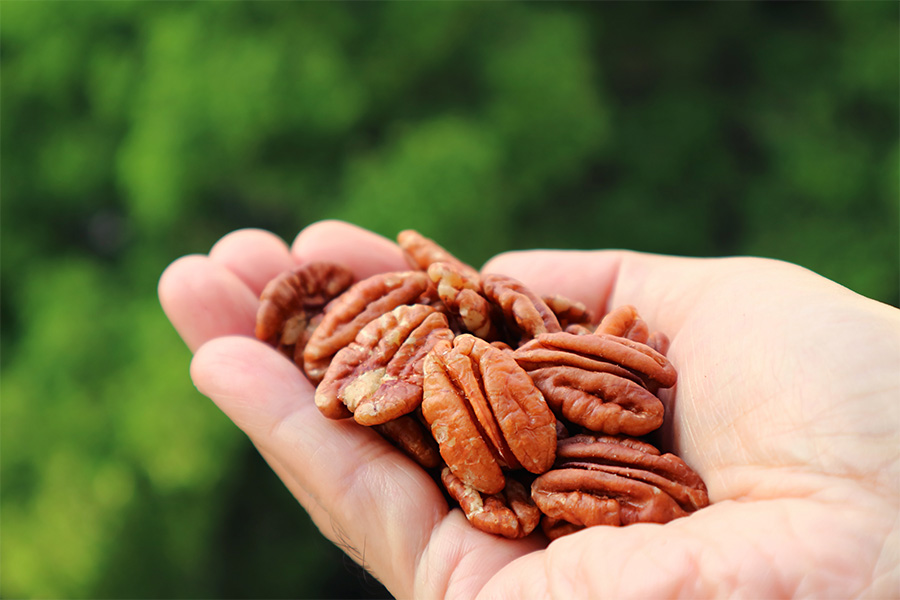
The most fundamental step in pecan production is the selection of varieties or cultivars to be planted in the orchard. Planting the wrong pecan variety can be a costly mistake, resulting in considerable expense. This publication includes descriptions and photos of pecan varieties suitable for planting in Georgia orchards.
|