Departments and Units Resources
-

Properly managed ponds supply an abundance of fish for recreation and nutrition. Stocking methods and catch rates are used to keep pond balance. Liming and fertilization recommendations for ponds in Georgia are important when planning fish harvest goals. A variety of fish species for pond stocking are discussed in this publication. Methods to improve pond balance, including fish population renovation, are also presented for consideration as part of a management plan. This resource is primarily for Cooperative Extension agents and fish pond owners and was written in an effort to consolidate currently accepted pond management methods.
|
-

AP 101-6
2014 Georgia Corn Performance Tests
In this research report, the results of the 2014 corn performance trials are presented. Short-season and mid-season hybrids were planted at Tifton, Plains, and Midville in the Coastal Plain region; at Griffin in the Piedmont region; at Calhoun in the Limestone Valley region; and at Blairsville in the Mountain region. Hybrids used for silage were evaluated at Tifton, Griffin, Calhoun, and Blairsville.
|
-
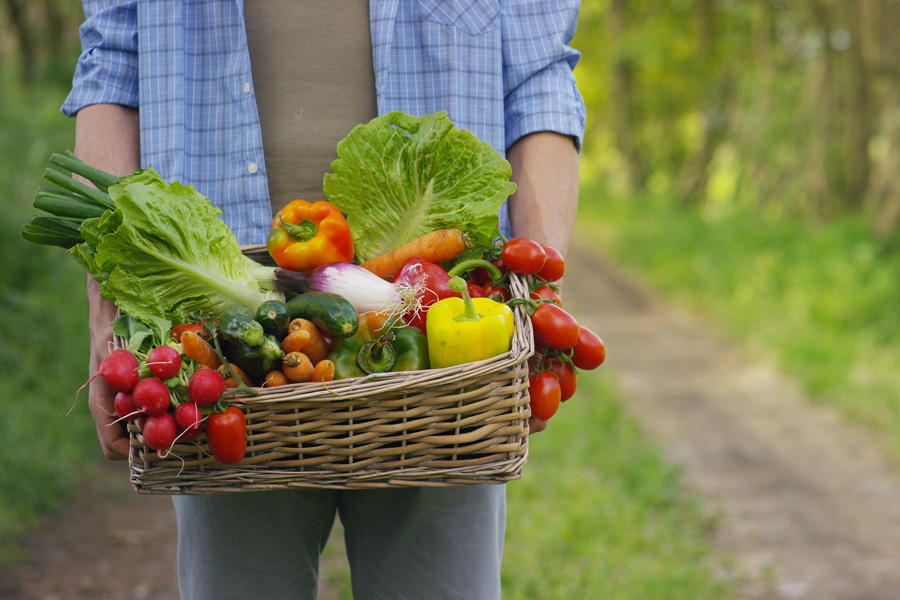
This circular gives suggestions for determining the proper stage of maturity for harvesting many vegetables.
|
-

Georgia possesses diverse soil conditions and many forage production factors are influenced by this diversity. As a result, the soil environment of a given site must be considered when selecting forage species, determining fertilization strategies and planning forage utilization systems. This article guides forage producers through the process of exploring their soil’s characteristics and sampling the soil in pastures and hayfields for testing, and provides information about specific nutrients and soil amendments relative to forage production practices. Recommendations are also made on how to minimize the economic and environmental risks associated with the addition of nutrients to pasture and hayfields.
|
-
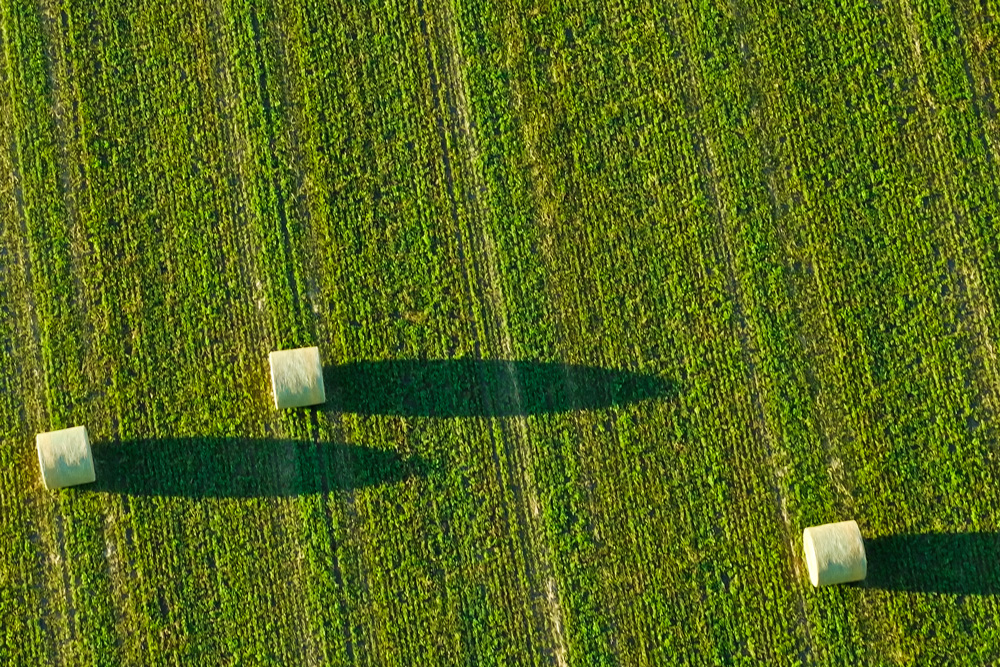
This resource provides a guide to the various forage systems that could be used for stocker development and provides guidelines for managing grazing or hay harvests for optimum forage yield and quality.
|
-
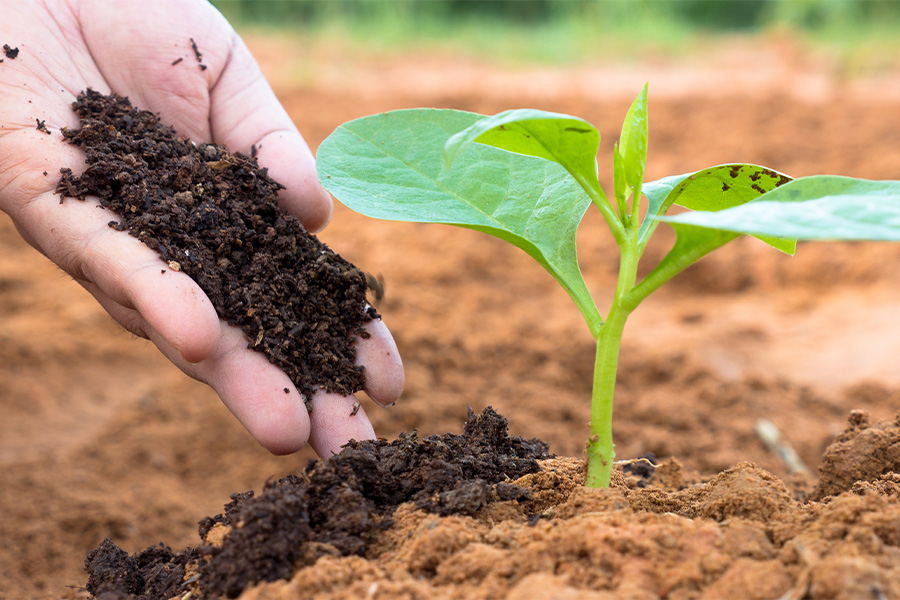
Many farmers and gardeners use natural minerals and organic fertilizers rather than synthetic ones to build their soil. If you use organic materials as all or part of your fertilization program, this publication will help you calculate the proper amount to use from the recommendations provided by a soil test.
|
-

Most structural failures in poultry houses are due to a combination of weaknesses in the structural members, including the foundation, walls, trusses and the connections between them. Improvements in any of the factors described in this publication will help the strength of the building.
|
-

This report includes both physical samples submitted to the Plant Disease Clinics and results from analyses of digital samples submitted through the DDDI system in 2007.
|
-

This publication contains a report of cotton research trials and Extension activity in Georgia for 2012-2013.
|