Departments and Units Resources
-

Although rare, Formosan subterranean termite infestations have been found in Georgia. Formosan termites are not native to the U.S. They are commonly spread by movement of infested railroad crossties used in the construction of retaining walls and other landscape features.
|
-
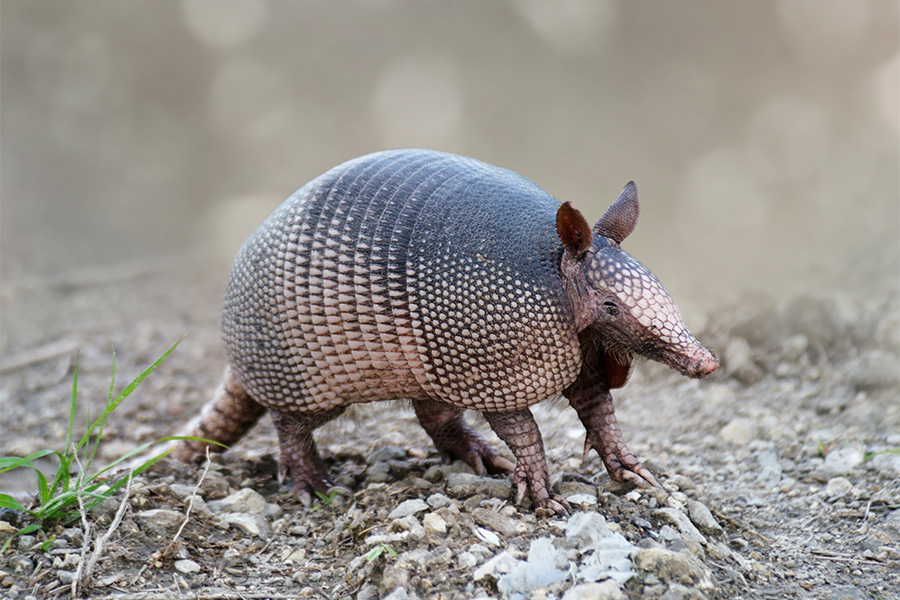
Scientists classify armadillos with anteaters and sloths. They have poorly developed teeth and limited mobility. Armadillos are considered both an exotic species and a pest.
|
-
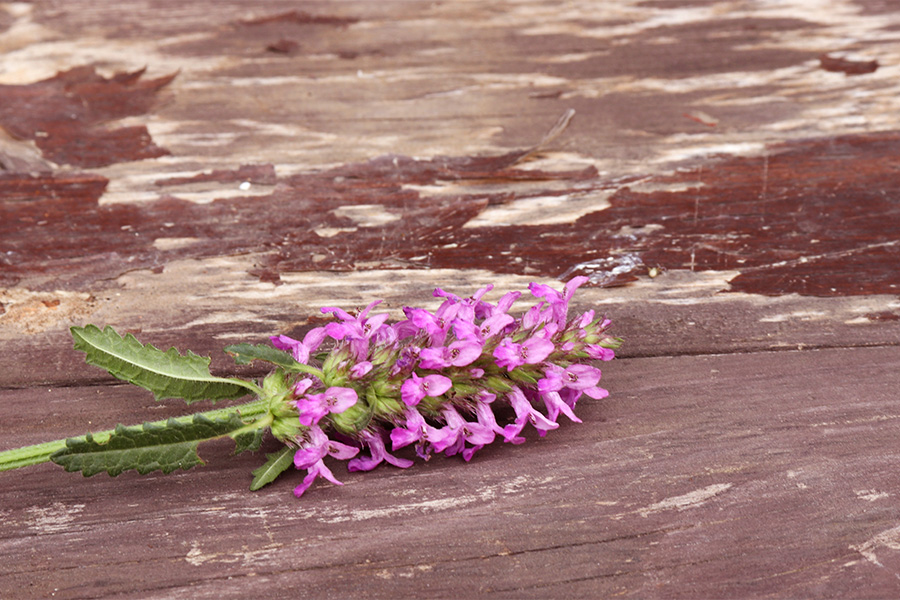
Florida betony is a “winter” perennial and has a square stem with opposite leaves. Florida betony (also called rattlesnake weed and hedge nettle) is a problem weed in both turfgrasses and ornamentals.
|
-

This report contains research that evaluates disease and insect management programs, and new cultivars for agronomic aspects of tobacco production in Georgia.
|
-

AP 101-3
2011 Georgia Corn Performance Tests
In this research report, the results of the 2011 corn performance trials are presented. Corn performance trials were conducted at six locations throughout Georgia (see map inside back cover) in 2011. Short-season and mid-season hybrids were planted at Tifton, Plains and Midville in the Coastal Plain region, at Griffin in the Piedmont region, at Calhoun in the Limestone Valley region and at Blairsville in the Mountain region. Hybrids used for silage were evaluated at Tifton, Griffin, Calhoun and Blairsville.
|
-

SB 63-5
2011 Tobacco Research Report
This report contains the most recent results of tobacco programs at the University of Georgia.
|
-
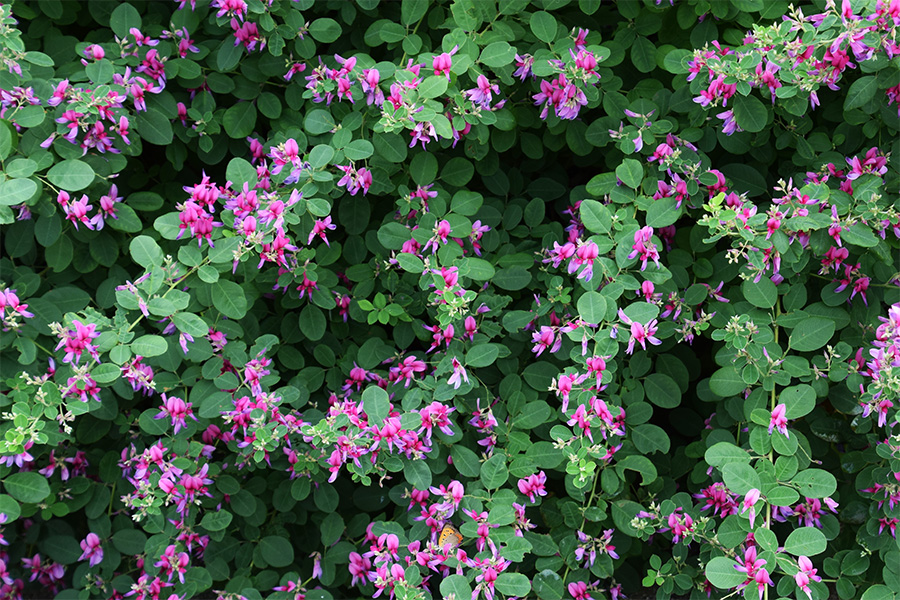
This publication describes ways to identify and control Lespedeza in turfgrass, including cultural control methods, preemergence herbicides and postemergence herbicides.
|
-

Integrated pest management (IPM) is a sustainable approach to managing pests by combining biological, cultural, physical and chemical tools in a way that minimizes economic, health and environmental risks. One hundred and seventy-eight horticultural producers were surveyed in 2009-10 to determine the IPM practices used by growers in the southeastern U.S. Growers were asked a series of questions about monitoring or scouting for pests, prevention practices or interventions used to control pests.
|
-

The key to disease control is a healthy plant. Under proper turfgrass management, disease-causing conditions are often reduced and healthy turf is maintained. The following management practices will help achieve vigorous, healthy turf and reduce turfgrass disease problems.
|