Departments and Units Resources
-
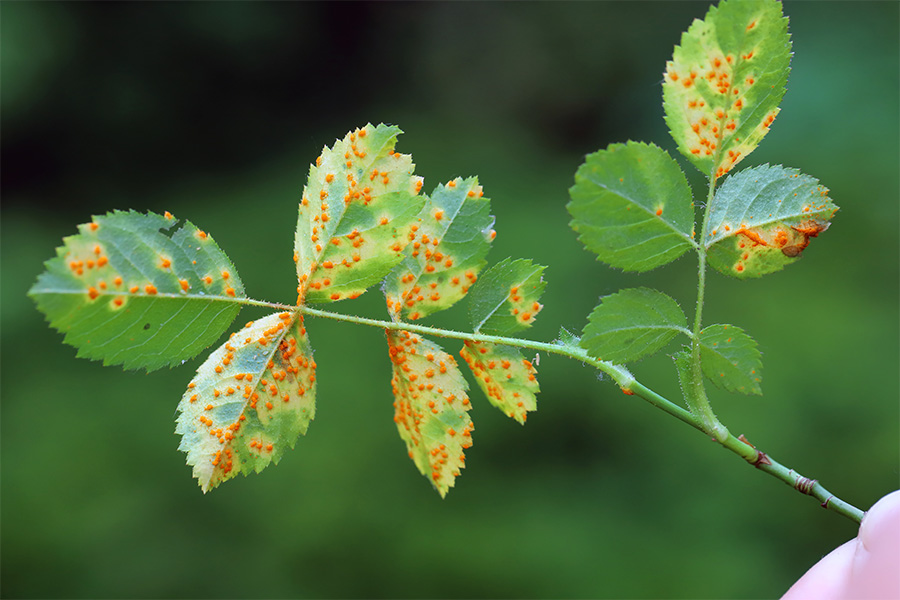
Esta publicación describe algunas de las enfermedades más problemáticas en las plantas de ornato más usadas en el jardín. El material presentado aquí le ayudará a identificar estas enfermedades y encontrará las recomendaciones para su tratamiento. El conocimiento de estas enfermedades permitirá a los jardineros profesionales y amateurs a combatir estas enfermedades y tener plantas saludables y bellas.
|
-
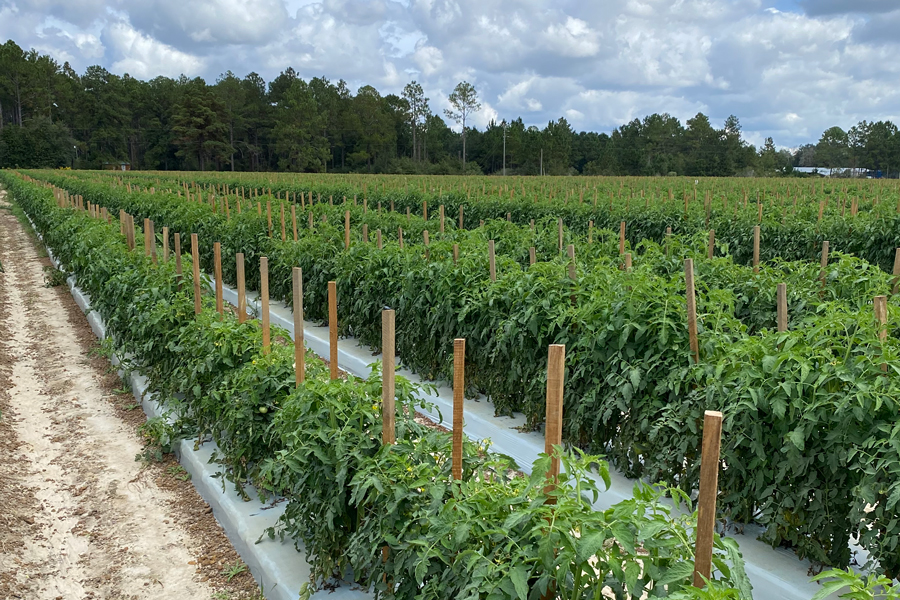
A soil test is a chemical technique used to determine the status of available nutrients in a soil sample. It is a common method used to predict how soils will react to the addition of lime or fertilizer and calculate how much of each is required for crop production.
|
-
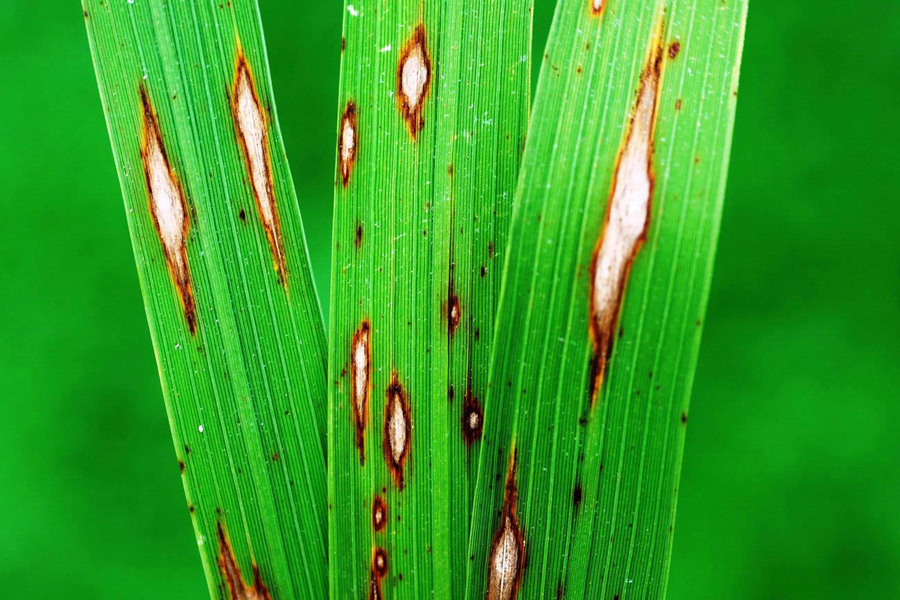
En el estado de Georgia, la mancha gris afecta primordialmente al césped San Agustín y es particularmente dañino y muy prevalente en áreas costeras del estado. En fescue alto aparece en forma esporádica y se observa anualmente en la región norte del estado (zona del Piedmont). Afectando céspedes estresados por el calor. En la región sur y central de Georgia, la mancha gris es más activa en junio a agosto, sin embargo, en las primaveras que son cálidas, la enfermedad puede presentarse temprano en el año.
|
-
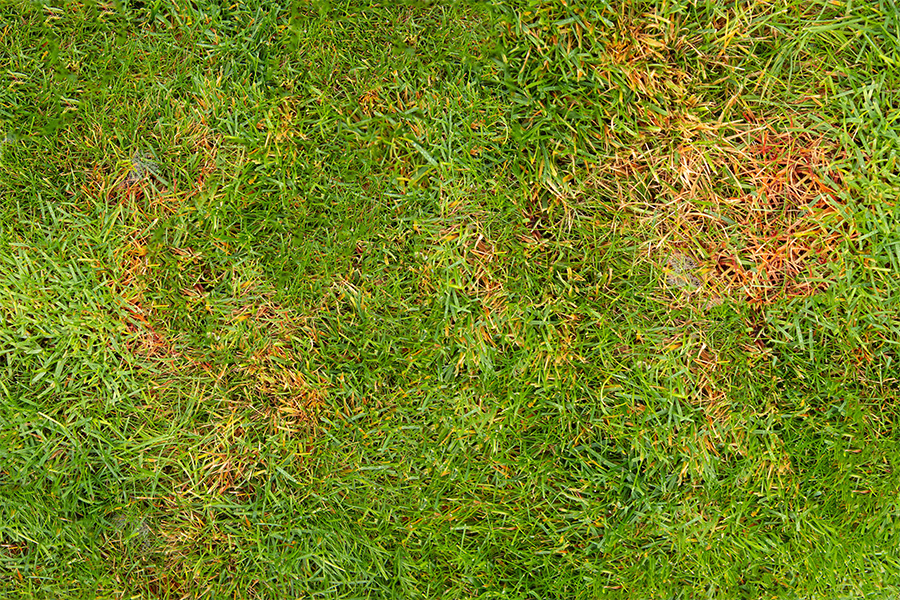
This publication is a comprehensive guide to identifying and controlling turfgrass diseases in Georgia.
|
-
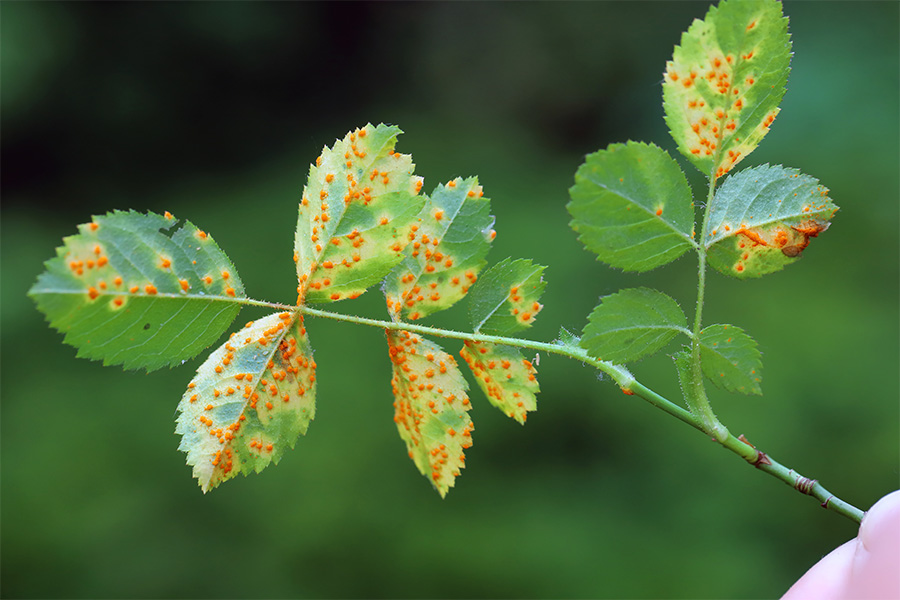
This publication describes some of the most troublesome diseases of Georgia’s landscape plants to help readers identify and treat these diseases. This resource is useful for professional and amateur growers alike to better fight plant diseases and produce healthy plants.
|
-
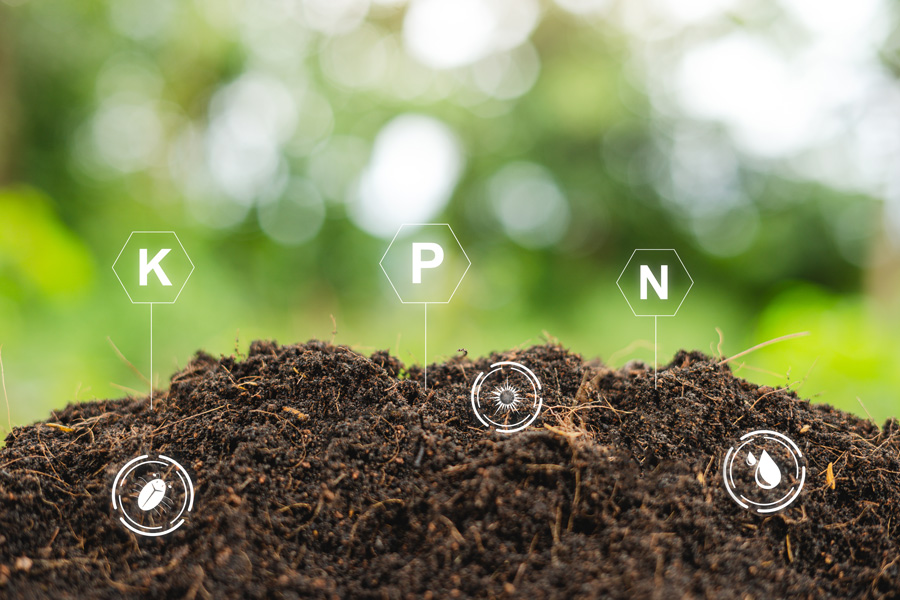
Proper use of treated industrial wastes contributes to the circular economy and reduces wastes that would have been disposed of in landfills or by incineration. This publication clarifies Georgia’s legal definition of “soil amendments” and highlights current policies governing the application of processed wastes on farm lands in Georgia. Compliance with these regulations maintains a quality environment in Georgia and ensures the long-term sustainability of manufacturing and food processing industries.
|
-

This publication provides a clear and balanced comparison of plant-based and animal-based proteins in our food. It looks at the nutritional value, environmental impact, and health effects of each type of protein. The goal is to help readers understand more about these protein sources without saying whether one is better than another—in other words, to inform and educate, giving everyone the knowledge to learn about different dietary options.
|
-
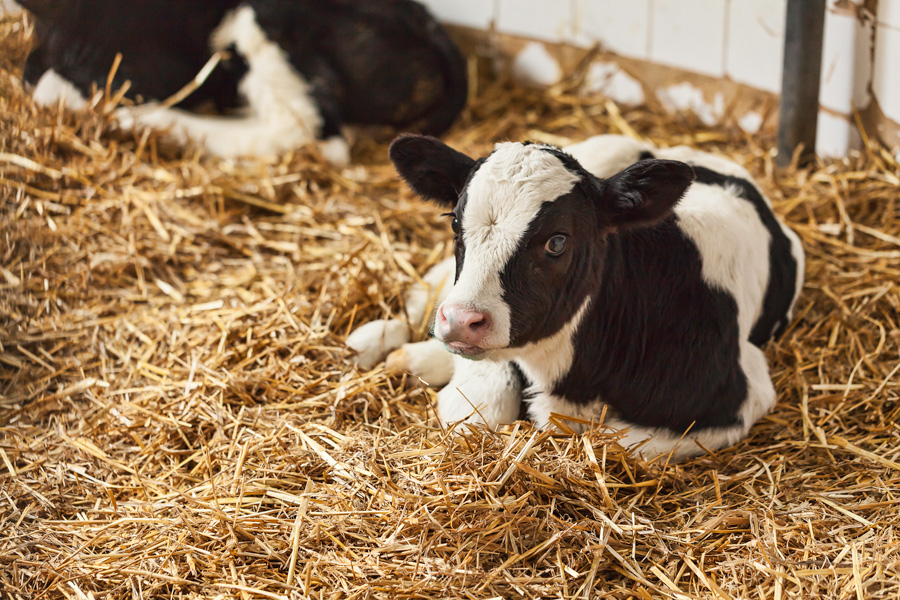
This guide to housing preweaned dairy calves is a resource for both farmers and youth participating in livestock projects. Housing can greatly impact the health and growth of dairy calves. Attention to factors that influence feed intake, comfort, and health are necessary for optimum growth and performance of calves, with long-term implication for their future productivity.
|
-
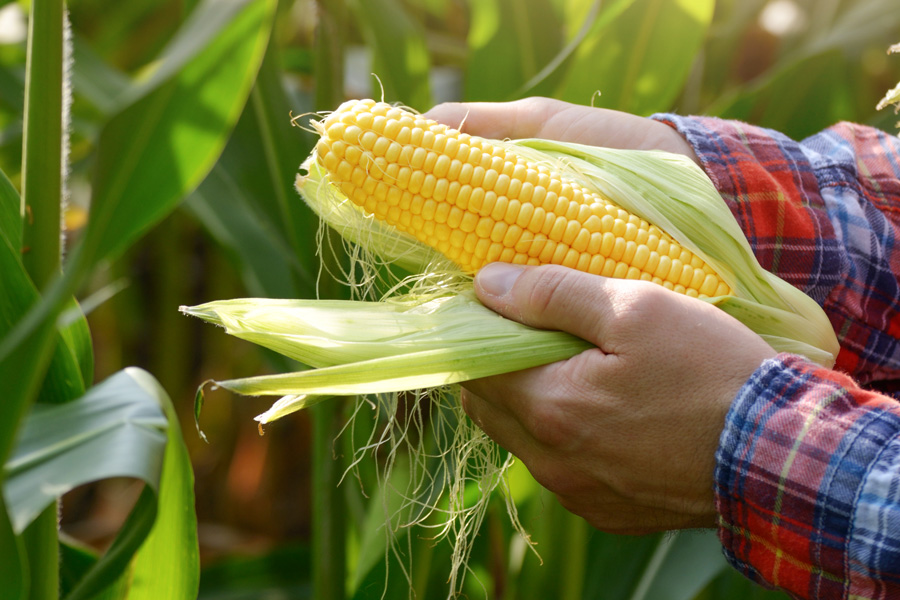
The growth and development of sweet corn is affected by accumulated heat units, measured in growing degree days (GDDs). This publication provides South Georgia sweet corn growers with insights into the relationship between temperature and GDD units and the key growth stages of sweet corn. This will help growers make informed decisions about the timing for planting, management practices, irrigation, and harvesting.
|