Departments and Units Resources
-

Wild bees are effective pollinators of crops and native flowers, shrubs, and trees. They are naturally present and can supplement honey bees in apple pollination. Boosting their numbers by habitat development and conservation can be of considerable commercial and ecological value to producers and consumers. This guide is intended to highlight most common wild bees in North Georgia apple orchards.
|
-
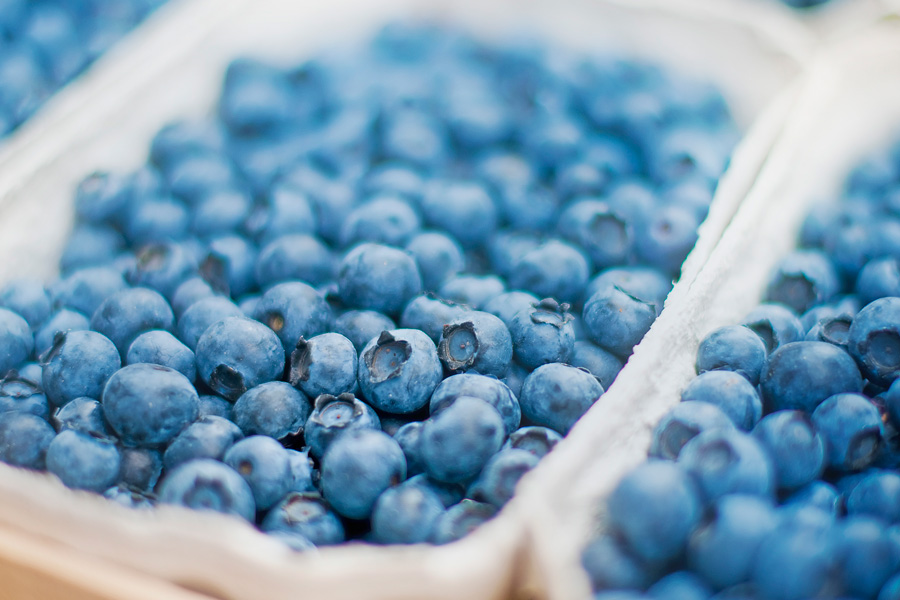
A grower survey was carried out in January 2023 during the annual blueberry update event held in Alma, Georgia. Survey responses were collected from 26 growers from eight Georgia counties. The results indicated the cultivar preference of south Georgia growers and major production constraints of blueberry production in southeast Georgia.
|
-
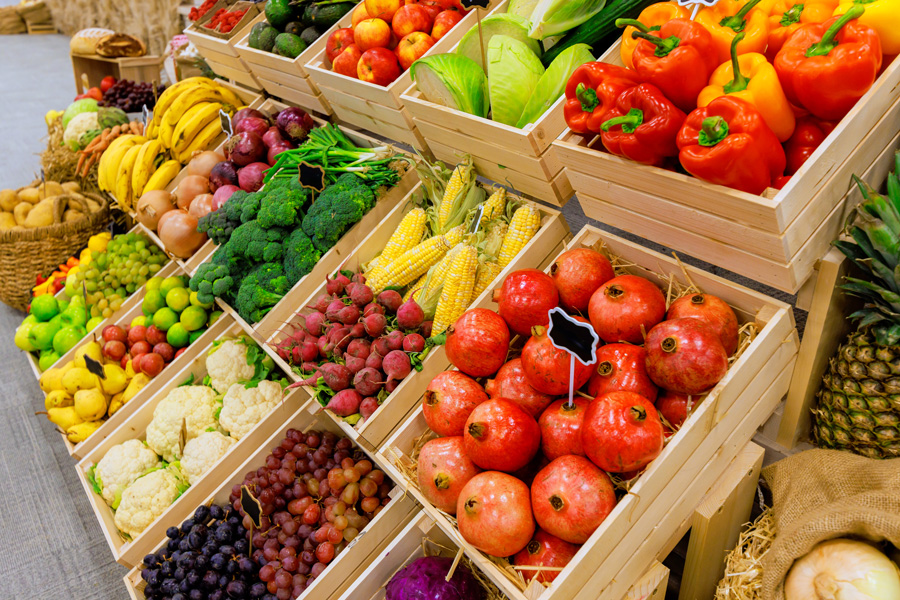
In Georgia, there are many small-scale producers that largely use ecological production practices, such as Certified Organic, and sell in farmers markets or other direct marketing channels. As these direct markets begin to saturate, these producers may need to forge a path beyond direct markets to wholesale or institutional markets that want sustainable products. Food hubs may offer a path for these small farms to scale up. There are three overlapping forms of food hubs in Georgia. Each has different markets and thus different requirements for the producers who sell to them. This publication discusses the types of food hubs in Georgia and gives producers guidelines on which form of food hub may work best for them.
|
-
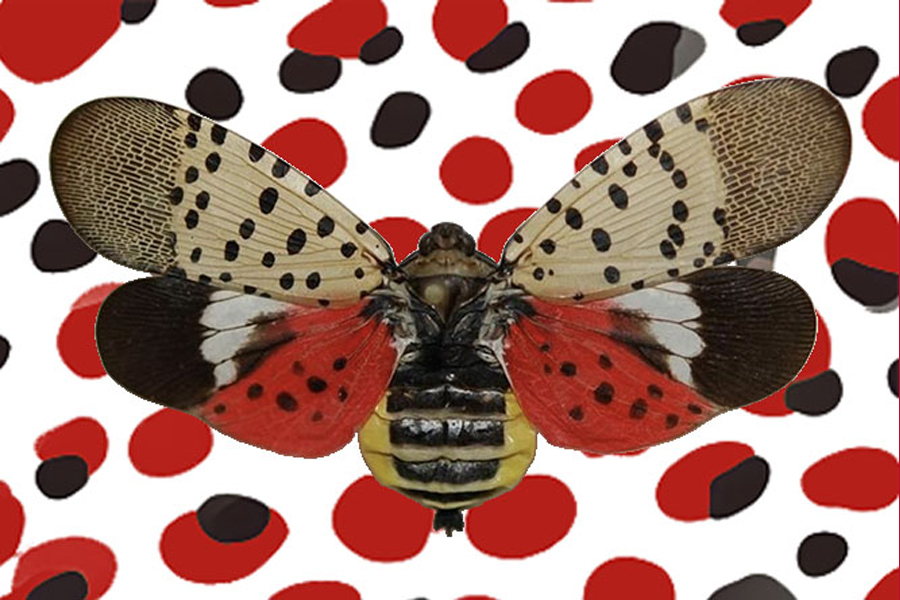
The spotted lanternfly is an invasive planthopper that can feed on a wide range of trees in the United States. The potential economic and environmental impact of spotted lanternflies is alarming, and threatens not only the livelihoods of many but also the biodiversity and beauty of our landscapes.
|
-
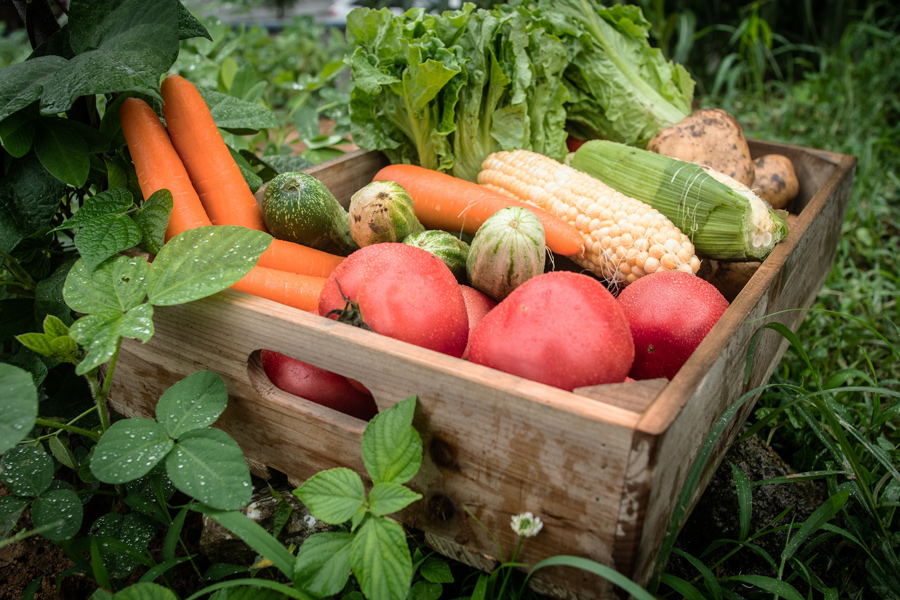
This publication lists vegetable variety recommendations for the state of Georgia. Most of these varieties have been trialed and grown successfully in the state. These are not the only varieties that can grow well in Georgia but provide new gardeners with a starting point to increase their chances of success. Gardeners may need to search print catalogs and online to find the vegetables they are looking for, as local garden centers may not always carry the varieties listed here.
|
-
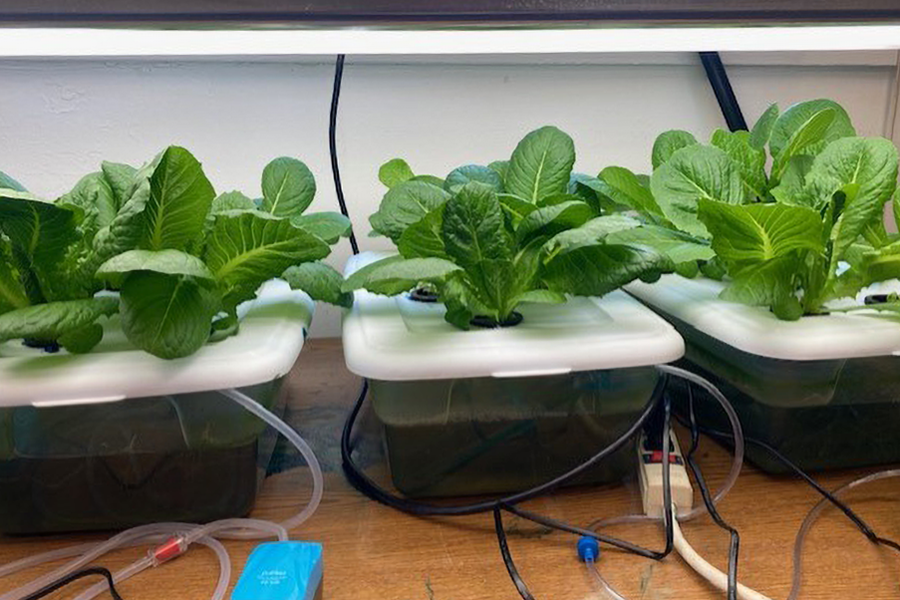
Important considerations for starting a small hydroponic operation at your home or an urban garden site.
|
-

Perfluoroalkyl and polyfluoroalkyl substances (PFAS) are a group of more than 9,000 manmade chemicals that have been in use worldwide since 1940, primarily in industry and numerous commercial and consumer products. The widespread use of PFAS for the past several decades has raised concerns due to their persistence, bioaccumulative nature, and potential adverse health effects. This resource provides information about the background, uses, and environmental and human health consequences of PFAS chemicals.
|
-
1. For Georgia breweries, the year was marked by slowed growth and heightened competition amongst craft brewers, with production volume continuing to decrease moving forward. Georgia distilleries also saw a sizable contraction in 2023, attributed primarily to an increase in out-of-state distilleries and new products entering the market—especially at competitive price points. Wineries were the only beverage segment in Georgia to experience growth, driven largely by tourism demand and increased product quality, which should carry momentum into the future.
2. Each beverage segment should continue to focus on growing on-premise sales and activities, leveraging consumer interest and demand for craft and quality to develop more dynamic experiences with tours and tastings, as well as increased opportunities to purchase products directly.
3. Given the highly competitive nature of the alcoholic beverage industry, Georgia’s breweries, wineries, and distilleries need to differentiate themselves. Marketing and communicating their locality is one relatively easy way to achieve this. This could include sourcing local ingredients, becoming more involved with the community by hosting events or sponsorships, or developing strategic partnerships with local restaurants to offer their products as signature or house exclusives.|
-
AP 130-3-01
2025 Overall U.S. and Georgia Economic Outlook
Each year, UGA’s agricultural economists develop a comprehensive overview to help various sectors of the agriculture industry navigate the year ahead. As Georgia’s land-grant university, the University of Georgia conducts cutting-edge research on critical and emerging issues that are important to the agriculture industry. From this research, UGA provides the best information and education available to producers and constituents to equip them with knowledge and decision-making tools for their businesses. Forecast by Jeffrey M. Humphreys, UGA, Director of the Selig Center for Economic Growth.
|