Departments and Units Resources
-

AP 130-3-09
2025 Corn, Soybean, and Wheat Outlook
1. Tight margins are expected to continue in 2025 for corn, soybeans, and wheat with commodity prices likely near or below the breakeven cost of production.
2. Bountiful grain and oilseed production, combined with a strong U.S. dollar and uncertain trade policy, leads to expectations for lower prices in 2025.
3. Expect more acres planted to corn, fewer acres planted to soybeans, and wheat plantings comparable to last year.|
-

AP 130-3-10
2025 Fruits and Tree Nuts Outlook
1. Blueberries will continue to lead the Georgia fruits and tree nuts industry in 2025 and subsequent years despite the damage from Hurricane Helene, which is expected to reduce production and yields.
2. The Georgia pecan industry will take several years to recover from the effects of Hurricane Helene, and this natural shortage will keep prices strong.
3. Overall, consumer and grower price indexes will remain strong in 2025.|
-

AP 130-3-11
2025 Vegetables and Pulses Outlook
1. The total harvested area of vegetables and pulses has been declining for the past 5 years, including a 25%–30% loss of Georgia’s fall vegetable crop because of Hurricane Helene, and the downward trend is expected to continue in 2025.
2. Total imports of vegetables and pulses were $20 billion in 2023, an increase of 7% compared to 2022. This increased import trend and value is expected to continue in 2025.
3. Although vegetable per capita consumption increased by 1.7% in 2023, the increase did not surpass the 405.4 lb consumed per capita in 2020. It is expected that 2025 will be much better.|
-

AP 130-3-12
Green Industry 2025
1. 2024 was a good year for many green industry firms, though Hurricane Helene mitigated these positives for many growers.
2. There are many unknowns going into 2025 that will impact green industry sales, including higher inflation and interest rates, mixed signals within the economy, increased input costs, and the varying strength of the housing market in Georgia.
3. Green industry demand is expected to have stable to moderate growth with increased prices, which will result in comparable average sales for 2025 compared to 2024.|
-

AP 130-3-13
Timber Situation and 2025 Outlook
1. Demand for softwood lumber and structural panels is expected to remain under pressure as single-family housing starts face challenges, including elevated mortgage rates, high house prices, and rising construction costs.
2. In southern Georgia counties impacted by Hurricane Helene, pulpwood prices are expected to stay low through most of 2025 as mills continue to process salvaged timber.
3. Affected areas may experience rising pine sawtimber prices in 2025 because of an inventory shortage.|
-

AP 130-3-15
Agritourism, Hospitality, and Travel 2025
1. Georgia’s hospitality and tourism industry is the second-largest economic contributor to the state, closely tied to agriculture through the lodging and food sectors.
2. In 2023, Georgia’s visitor spending reached $46.3 billion, contributing to a total economic impact of $79.7 billion, with distinct spending trends in rural and urban areas.
3. Rural: In 2023, June, March, and October showed the highest demand for lodging in rural communities. Rural counties in Georgia showed slight growth in lodging demand and an increase in average daily rate (ADR) to $107.13 in 2024.
4. Urban: While experiencing softened demand, urban counties maintained stable ADR levels ($109.49) in 2024.
5. State park visitation peaked at 14.2 million visits in 2023, demonstrating the growing appeal of nature-based and rural tourism, though 2024 showed a slight decline.
6. Economic pressures such as inflation and changes in consumer behavior have led to a leveling of demand and moderated growth projections for 2025.|
-

AP 130-3-14
Direct-to-Consumer Sales
1. We expect a growing importance of direct-to-consumer (DTC or D2C) sales in Georgia’s agricultural economy. The share of farms involved in DTC sales over time will remain steady, and there will be an increase in DTC sales as a share of total farm sales.
2. The dominance of large-scale operations will drive sales value.
3. Farmers markets will gain traction, either in-person or online, supported by nonprofit organizations or Extension services.
4. Consumer-supported agriculture (CSA) operations have faced some challenges in Georgia, including declining sales and fewer returning customers.
5. Online sales via platforms like Barn2Door are getting popular among farmers and shoppers surfing on convenience.
6. State branding remains key in increasing awareness and visibility of Georgia Grown agricultural and food products.|
-

1. For Georgia breweries, the year was marked by slowed growth and heightened competition amongst craft brewers, with production volume continuing to decrease moving forward. Georgia distilleries also saw a sizable contraction in 2023, attributed primarily to an increase in out-of-state distilleries and new products entering the market—especially at competitive price points. Wineries were the only beverage segment in Georgia to experience growth, driven largely by tourism demand and increased product quality, which should carry momentum into the future.
2. Each beverage segment should continue to focus on growing on-premise sales and activities, leveraging consumer interest and demand for craft and quality to develop more dynamic experiences with tours and tastings, as well as increased opportunities to purchase products directly.
3. Given the highly competitive nature of the alcoholic beverage industry, Georgia’s breweries, wineries, and distilleries need to differentiate themselves. Marketing and communicating their locality is one relatively easy way to achieve this. This could include sourcing local ingredients, becoming more involved with the community by hosting events or sponsorships, or developing strategic partnerships with local restaurants to offer their products as signature or house exclusives.|
-
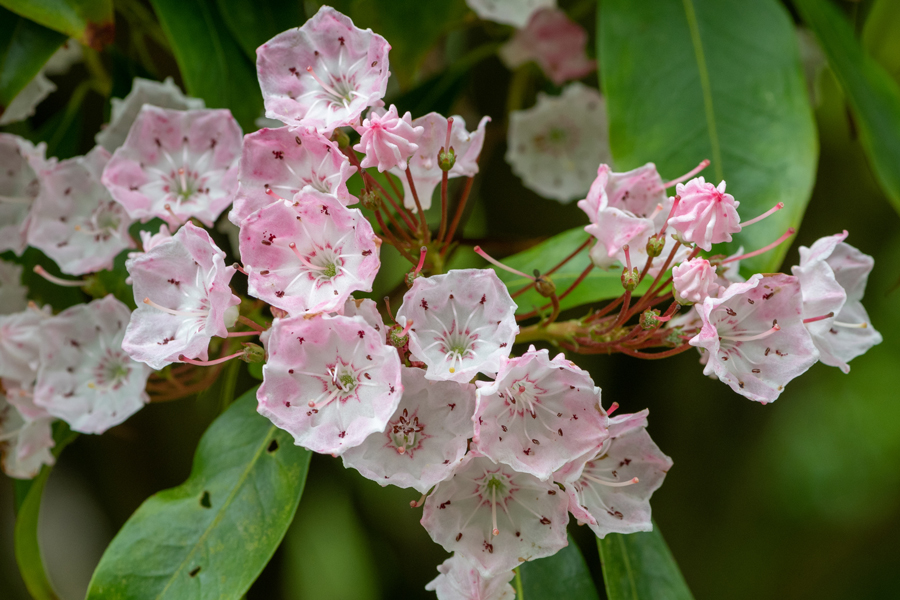
This publication includes a list of good plants for Georgia organized into various sizes and groups. The design qualities of plants—their form, size, color and texture—are emphasized according to the principles and requirements of good landscape design and plant maintenance. Hardiness and disease and insect resistant qualities are also considered.
|