Departments and Units Resources
-

A number of plants, particularly vegetables, annuals, and herbs, can be grown from seed. There are many advantages to propagating plants from seed. This publication provides information on seed selection, materials, seeding techniques, thinning, and transplanting. A step-by-step, quick reference guide is also included.
|
-
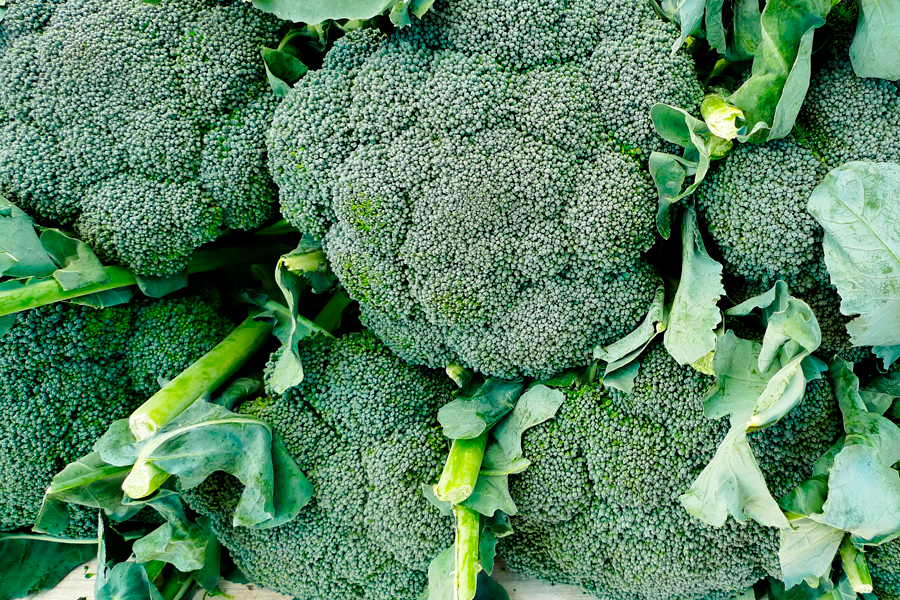
Broccoli is grown throughout Georgia in both the fall and spring growing seasons. A locally significant wholesale industry developed in southwest Georgia, and acreage devoted to broccoli production has increased. The wholesale broccoli industry fills a market window in late fall, through winter, and into early spring. Plantings also occur in north Georgia, where lower winter temperatures limit late fall plantings but allow plantings later into the spring growing season. This publication addresses considerations of horticulture, entomology, and plant pathology for production of fresh market broccoli in Georgia.
|
-

Pregnancy is a time of change, and moms-to-be have a lot to think about, for themselves and for their babies. Food safety and preventing foodborne illness (sickness caused by contaminated foods) is very important during this time. There are four easy steps that pregnant women and their families can take to protect themselves and their babies and prevent foodborne illness.
|
-
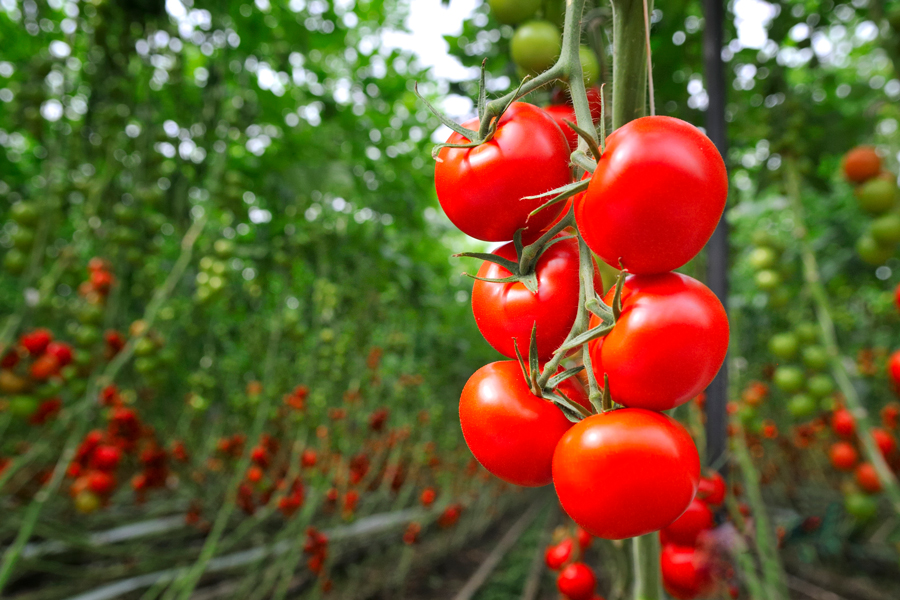
This report provides research and extension results for trials conducted by the University of Georgia Vegetable Team and its collaborators in 2024. Contributing authors include county and regional faculty as well as specialists from UGA’s horticulture, plant pathology, crop and soil sciences, and entomology departments. All research has been supported by the Georgia Commodity Commission for Vegetables.
|
-
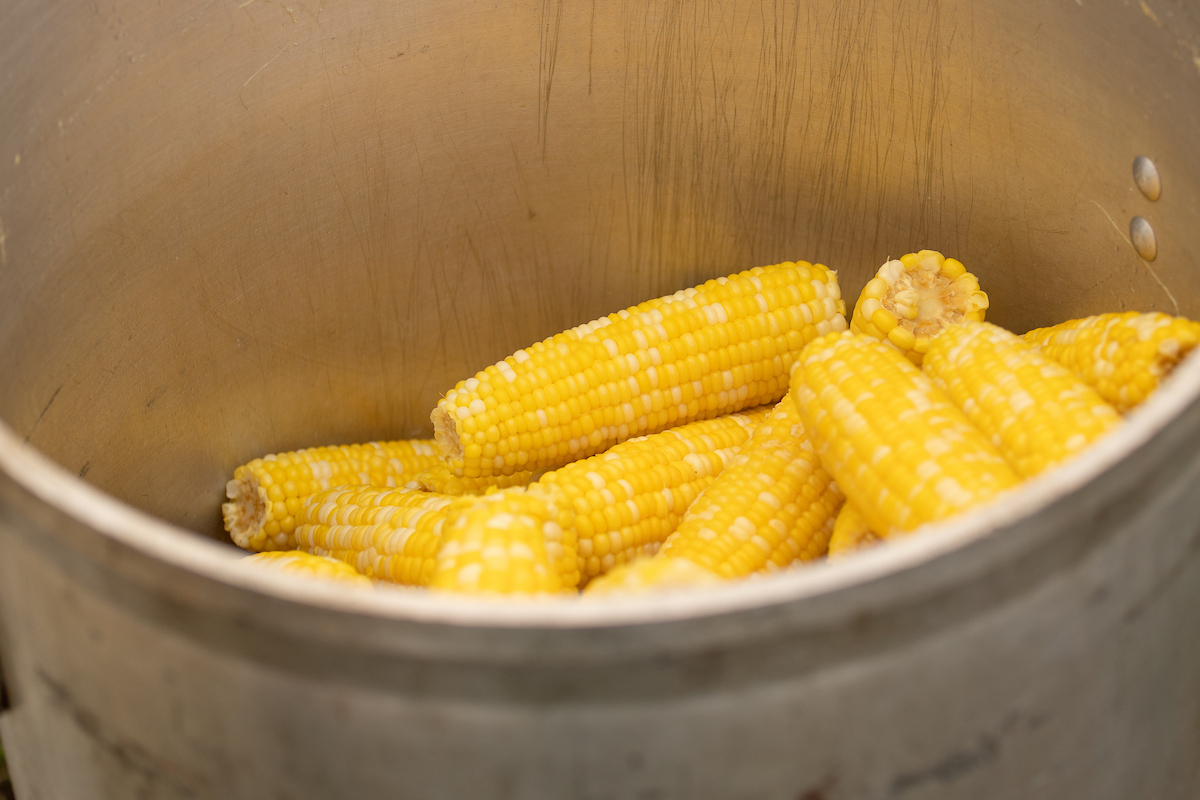
AP 132-01
2024 Georgia Corn Production Guide
This is the Extension Corn Team’s full production guide for recommended practices to plant and maintain a corn crop in Georgia. Topics include agronomic practices, growth and development, fertilization, irrigation, weed, insect and disease management, harvesting and drying, protecting stored corn, soil health, and economics/budgets.
|
-
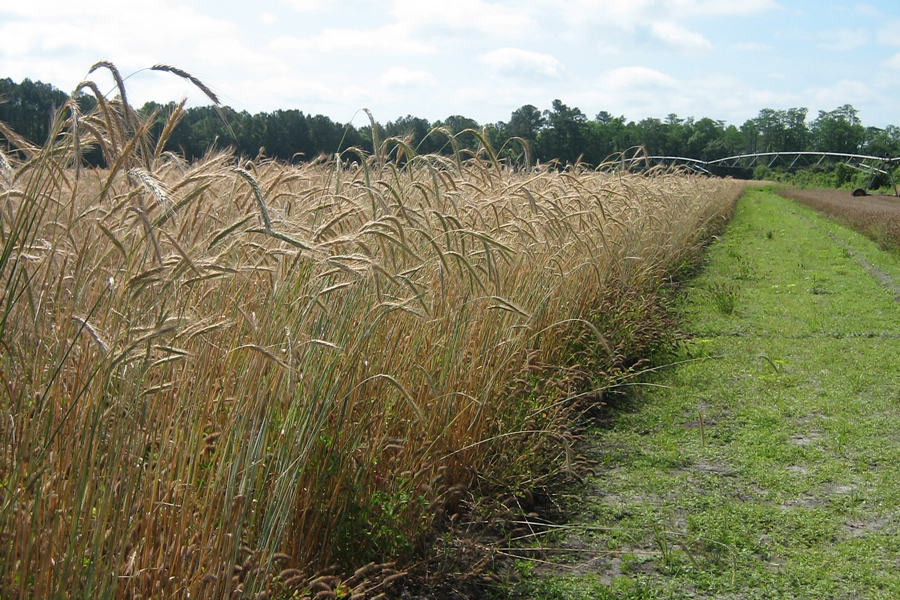
Cover crops have many benefits for farmers, including erosion control, weed suppression, and feeding the food soil web. Cover crops also play an important role in fertility, particularly for nitrogen.
One of the challenges facing farmers who use cover crops is quantifying the available nitrogen supplies to the following cash crop by the decomposing cover crop residues and how they might change their fertilizer management to account for this. This publication is intended to educate farmers on the nitrogen cycle, cover crops, and nitrogen; how nitrogen is released from cover crops; and the new Cover Crop Nitrogen Availability Calculator, including the steps necessary to use the Calculator.
|
-
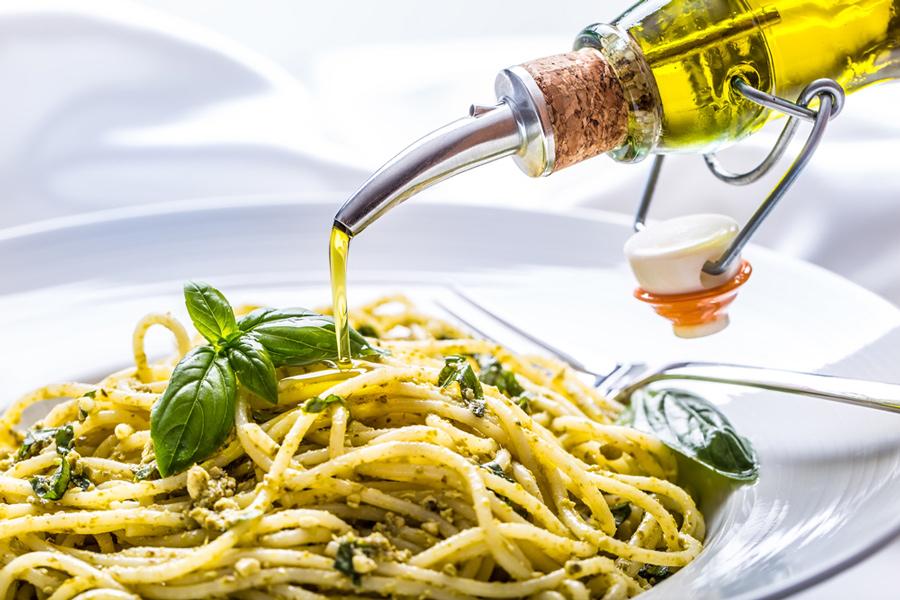
Making homemade infused cooking oils comes with food safety risks, particularly for those infused with garlic and herbs. Infused oils can enhance flavor and food presentation, but the combination of oil, garlic, and herbs creates an anaerobic (low-oxygen) environment, which is ideal for the growth of the bacteria that causes botulism, which can produce a deadly neurotoxin. The publication provides essential safety tips, such as sterilizing containers and thoroughly washing and drying ingredients, to prevent contamination and ensure safe oil infusion. By following these guidelines, home food preservers can create flavorful infused oils without compromising safety.
|
-

This publication describes Microsoft Excel workbooks designed to calculate the effects of dividing ingredients into above- and below-average portions (2-bin method) and the costs of providing nutrients at specified confidence levels.
|
-

Hort Scape streamlines the bidding process once the user builds a coded database of plants, including common and botanical names, plant sizes, plant costs, and per plant installation costs. Then, using the bid estimator, the user inputs the plant codes and quantities for the plants used on a particularly job, and the associated information on each plant is brought over from the database to the estimator. Other sections of the estimator calculate costs of bed amendments, fertilizers, turfgrass installation, grading, watering, edging, pre-kill with herbicides, plant removal, and clean-up. All these costs are then transferred to a bid summary sheet which shows labor, material and equipment cost for each task performed. The bid summary shows direct job costs, bid price, break-even price, profit on the job and overhead recovery. For more information, see https://www.hort.uga.edu/extension/programs/hortmanage.html
|