Departments and Units Resources
-
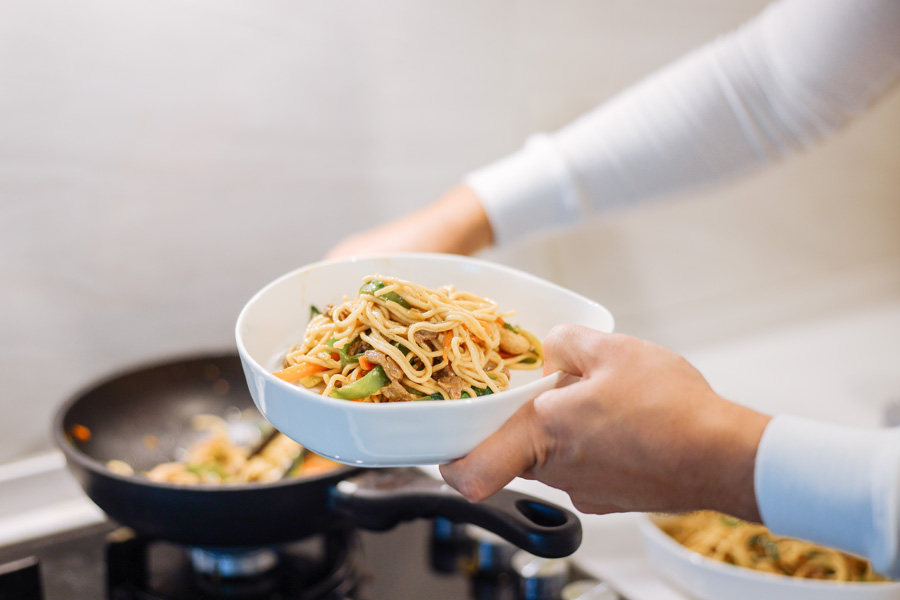
The Nutrition Facts label is a useful tool for making healthier food choices. The label makes it easier to compare products and tells you the nutritional content of the food based on a standard serving size. Our bodies need fat to survive. Fat helps regulate body temperature, protects our organs, makes hormones, and helps our body absorb essential vitamins. People with diabetes should choose foods lower in saturated and trans fat.
|
-

The body needs sodium, but consuming too much over time can increase blood pressure. Having higher blood pressure increases your risk for heart attack, stroke, and kidney disease. For people with diabetes, high blood pressure can increase the risk of complications from diabetes.
|
-

All carbohydrates are broken down into simple sugars, like glucose, during digestion. Controlling blood glucose is one of the primary goals in diabetes management. People with diabetes may desire to lower their carbohydrate, added sugar, and calorie intake by using sugar substitutes, including low-calorie or no-calorie sweeteners. These can come from natural sources, like stevia and monk fruit, or be synthesized in a laboratory, like sucralose, aspartame, and saccharin.
|
-
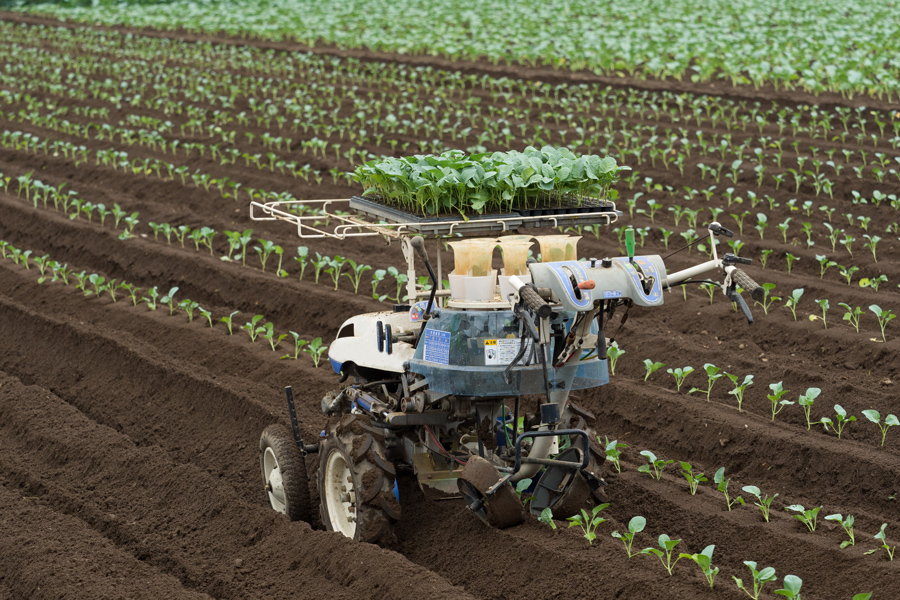
Transplanting is the process in which seedlings are transferred from a specific place where they were sown to the soil where they will develop and produce. This process is an extremely important step in fruit and vegetable production as it helps with the initial establishment of the crop. Mechanical transplanters have emerged as important agricultural machines for farmers, and are designed to automate and optimize the transplanting process.
|
-

C 1323-01
All About A1c
The A1c blood test is a tool used to help diagnose and manage diabetes. The A1c test will measure your average blood sugar over the past 2–3 months by measuring the percent of your red blood cells that have sugar-coated hemoglobin. A higher percentage indicates a greater risk of having or developing diabetes.
|
-

C 1323-02
Carbohydrates and Fiber
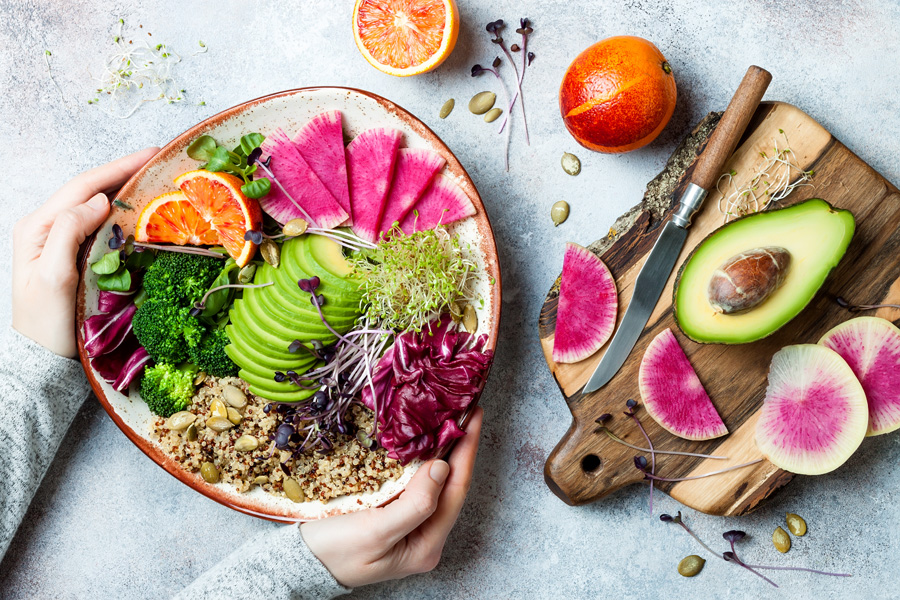
Carbohydrates are the body’s main source of energy, and foods can be high in fiber and high OR low in carbohydrates. Carbohydrates have the greatest influence on blood glucose (blood sugar), compared with protein or fat. Individuals with diabetes must be aware of how many carbohydrates they eat, but they don’t need to avoid or eliminate them altogether. Aim for at least 25–38 g of fiber daily.
|
-
C 1323-03
Glycemic Index and Glycemic Load
Glycemic index you how carbohydrate foods raise blood glucose compared to either glucose alone or white bread. Research is mixed on whether or not choosing foods based on glycemic index helps control your blood sugar over time. Speak with your healthcare provider to determine if and how you should use glycemic index to manage your blood glucose.
|
-
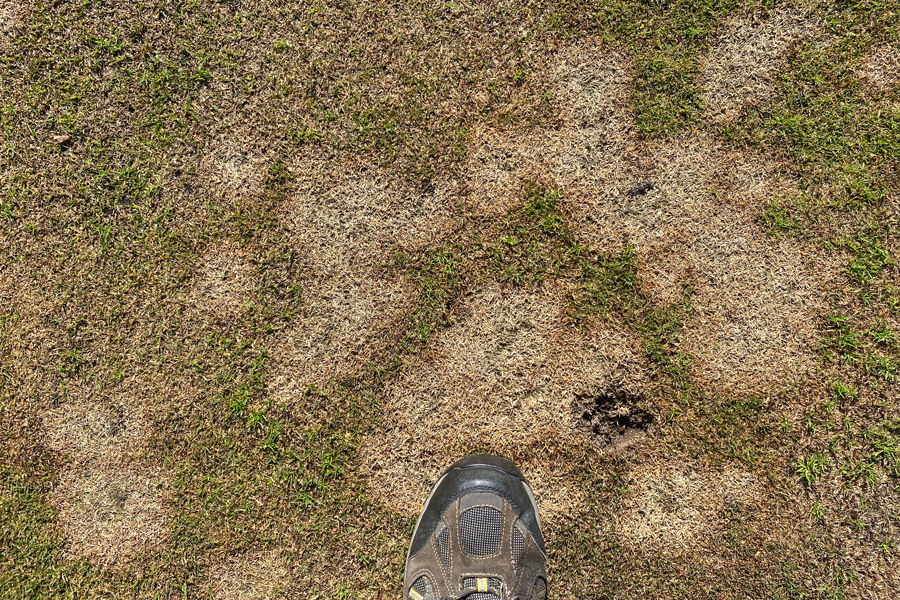
Microdochium puede ser severo tanto en el césped principal como en Poa, Lolium, Festuca pero puede infectar a céspedes de clima cálido si estos tienen un crecimiento activo o están en semi-dormancia. La enfermedad se observa comúnmente en áreas que se han sido resembradas.
|
-
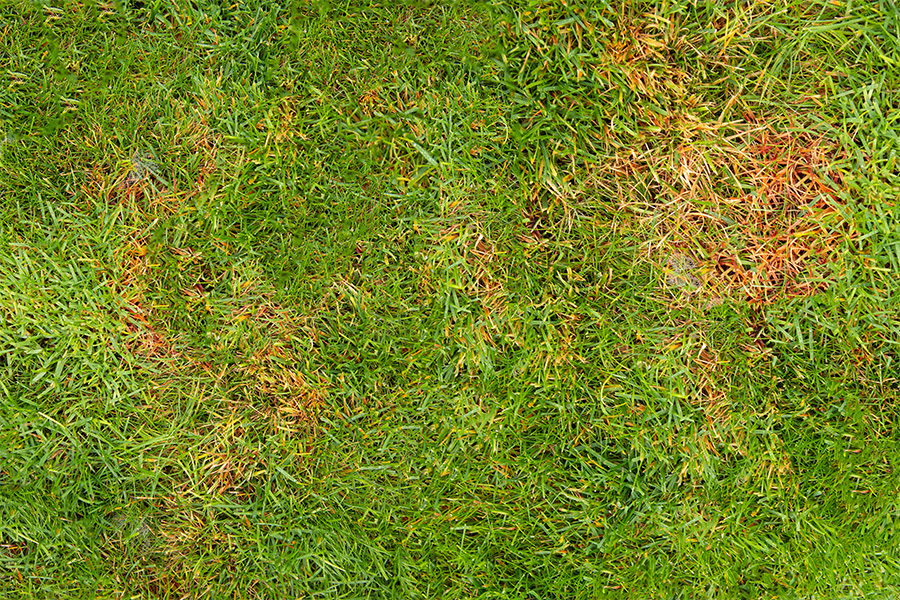
Esta publicación es una guía completa para la identificación y control de enfermedades de los céspedes en Georgia. Enfermedades incluyen: mancha “dólar”; anillos de hada; pudrición radicular “toma-todo”; Mancha parda/Mancha larga por Rhizoctonia Royas; Mancha foliar o decaimiento por Curvularia; quemazón o mancha foliar gris; antracnosis; hongos gelatinosos; y pudrición radicular por Pythium/quemazón por Pythium. La publicación también incluye una guía sistemática para el diagnóstico de enfermedades de céspedes; un clave simplificada para la identificación de enfermedades de céspedes; y el calendario de enfermedades de céspedes en Georgia.
|