Departments and Units Resources
-

C 929
Carpenter Ants
This resource discusses the most effective methods to prevent and control carpenter ants in and around your home.
|
-

Producing and/or purchasing hay to feed livestock through the winter represents a substantial expense. This publication details strategies and considerations when stockpiling and utilizing tall fescue.
|
-
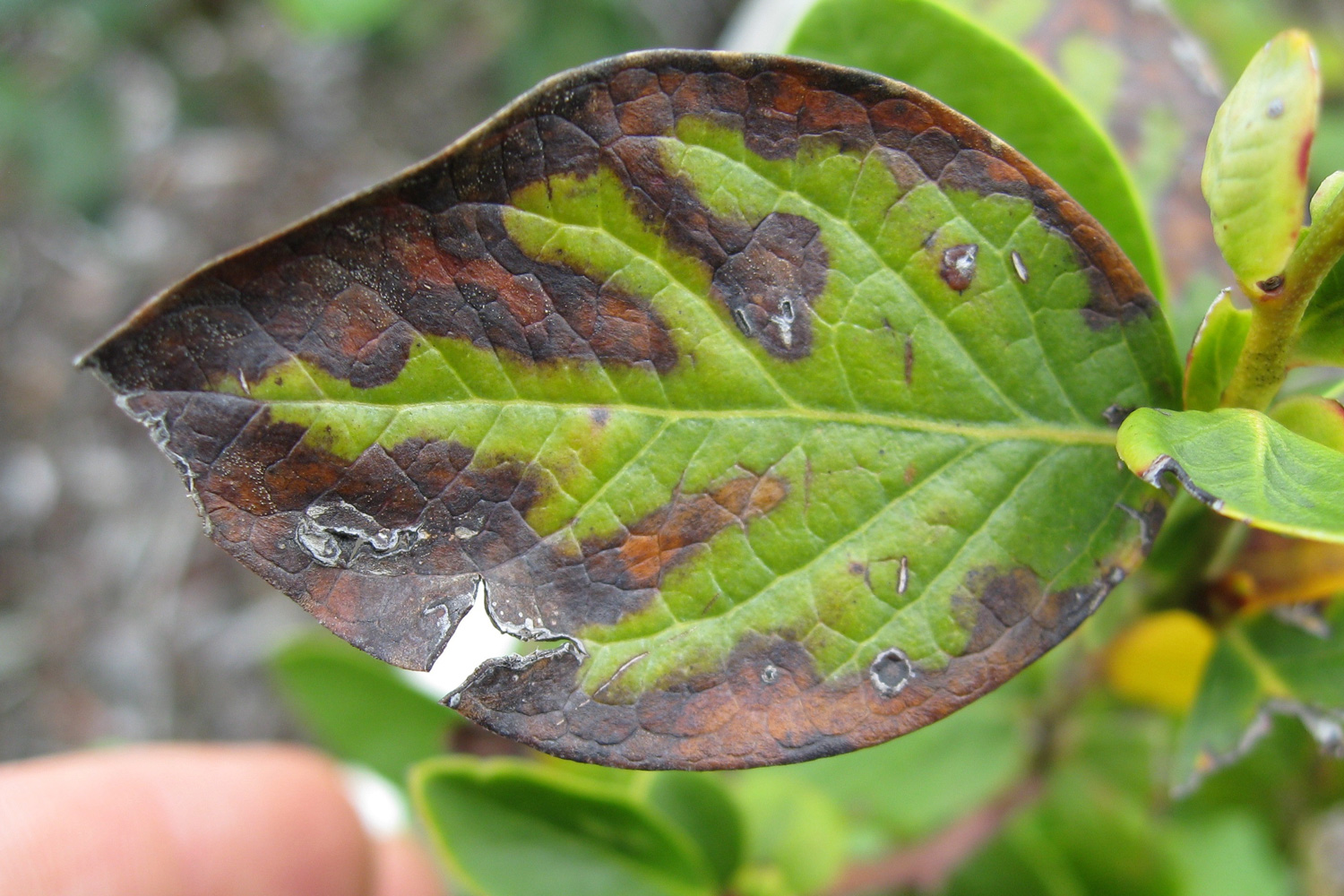
A new disease has been identified in the Georgia blueberry production region. This disease has been named “bacterial leaf scorch.” This publication includes identification and control methods.
|
-

This publication shares the collective experience of research and extension personnel on bermudagrass cultivars that are (or could be) grown in Georgia.
|
-

Blister beetles sometimes infest forage crops such as alfalfa, where they may become incorporated in hay. This publication discusses biology, cause of illness and management of blister beetles.
|
-

This publication discusses organic Vidalia onion production in Georgia, from site selection and harvesting to certification.
|
-

This brief management guideline provides producers with specific management tactics that may minimize the potential for short- and long-term problems. These tactics, categorized in order of early, advanced, and severe drought stages, are based on specific characteristics including water loss, forage growth, and rainfall.
|
-

C 915
Nitrate Toxicity
This resource summarizes the effect that high nitrates have on animals, presents the conditions to expect in toxic concentrations of nitrates, and outlines strategies that could prevent or reduce the risk of nitrate toxicity.
|
-
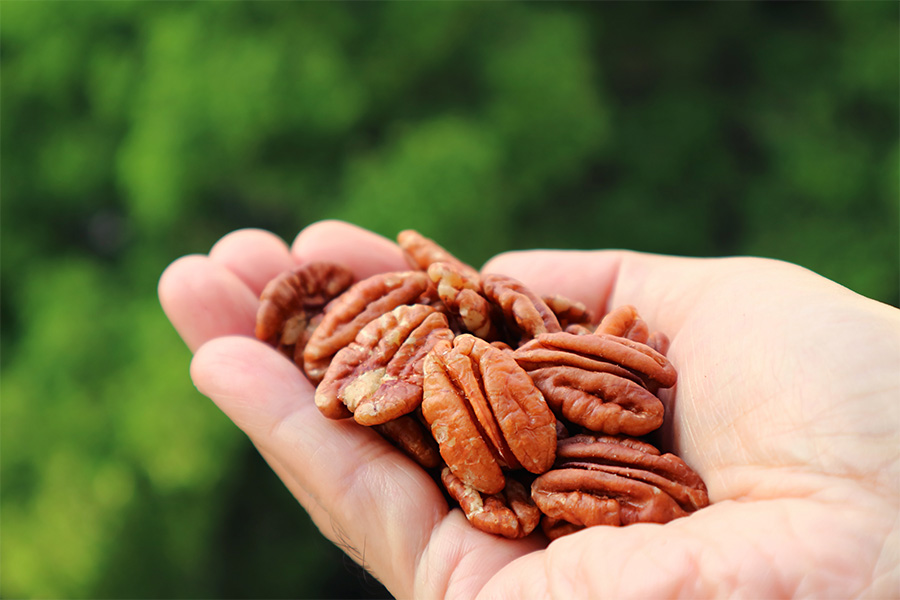
The most fundamental step in pecan production is the selection of varieties or cultivars to be planted in the orchard. Planting the wrong pecan variety can be a costly mistake, resulting in considerable expense. This publication includes descriptions and photos of pecan varieties suitable for planting in Georgia orchards.
|