Departments and Units Resources
-
B 807
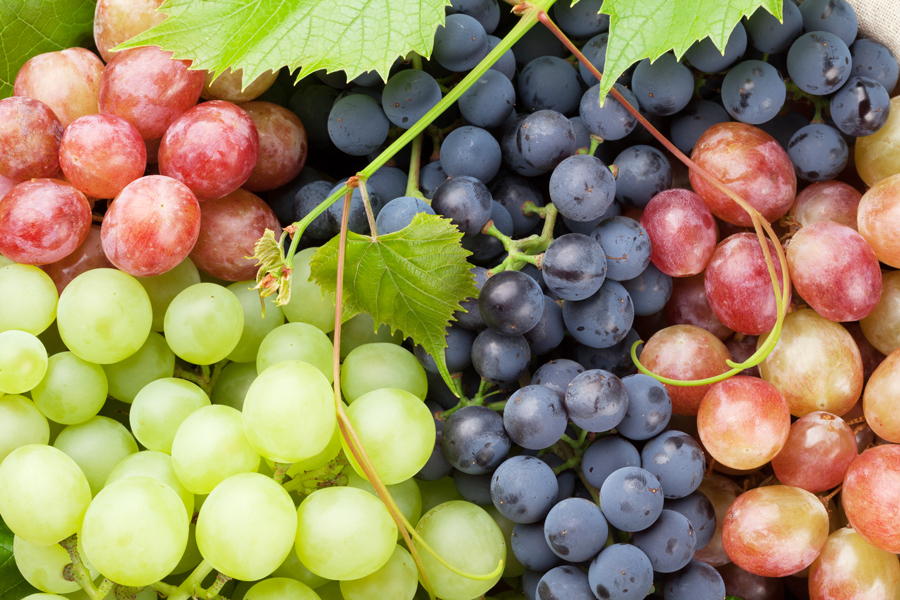
Home Garden Bunch Grapes
Bunch grapes are often called “pod” grapes in rural Georgia since they produce large clusters of fruit. Georgia’s climate is not well-suited to home garden production of European bunch grapes, but American bunch grapes and hybrids between the two species (French hybrids) grow well in Georgia. If grapes are well cared for and sprayed when diseases and insects threaten, you can expect yields of 20 to 30 pounds of fruit per vine.
|
-
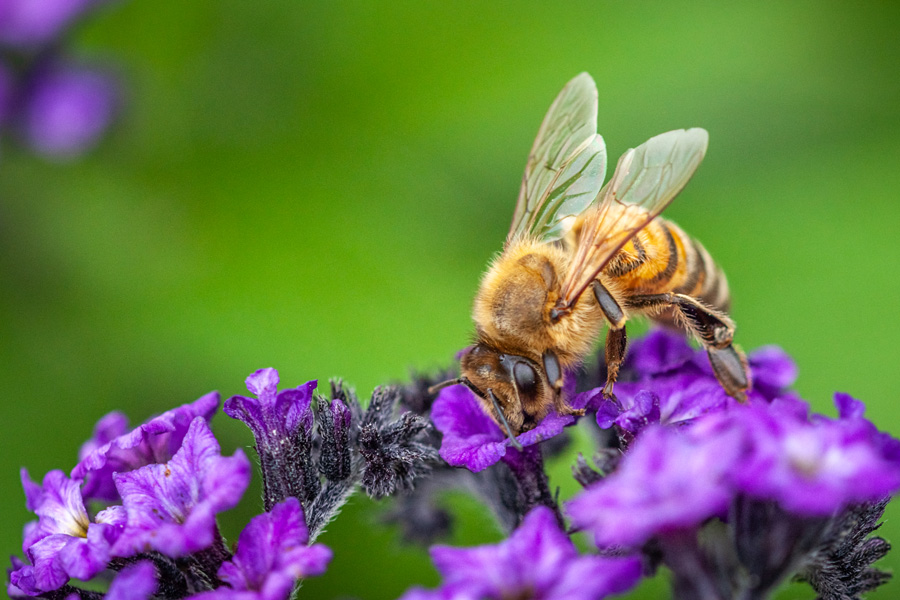
Mosquitoes can transmit a wide variety of pathogens and significantly reduce our quality of life with their aggressive biting behavior. On the other end of the spectrum, pollinators are a critical part of our natural environment, contributing significantly to food production and ecological diversity. Honey bees, along with other pollinators, are susceptible to pesticides, and significant bee kills have occurred because of mistimed or misguided pesticide applications. When conducted properly, an integrated pest management approach does not pose a significant risk to honey bee colonies.
|
-

Disease prevention is much less stressful and costly than disease control and recovery. Biosecurity measures are a critical component of disease prevention. Use this list to rate your disease prevention practices and preparedness.
|
-
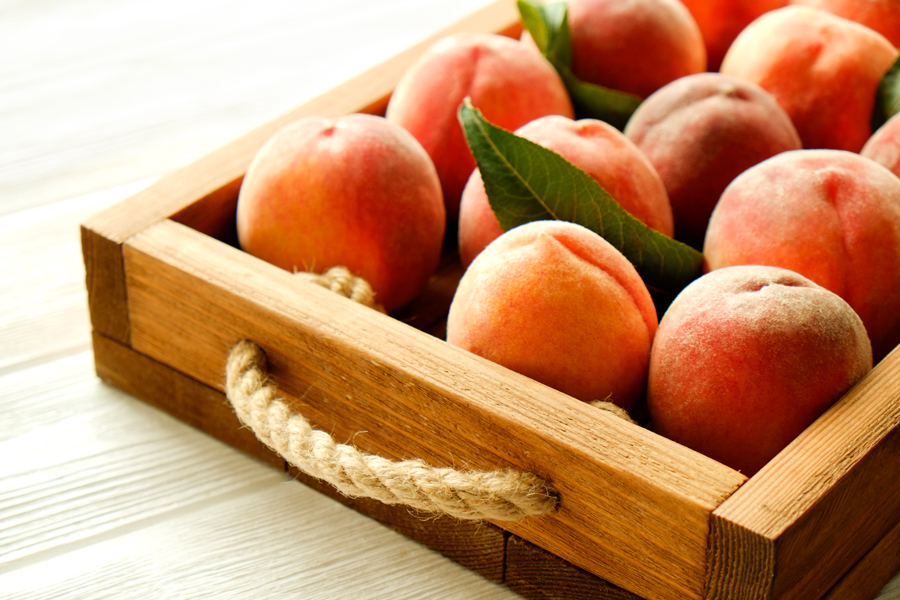
This resource is for peach producers, pickers, packers, and shippers, and provides maturity indices and postharvest handling recommendations for fresh-market peaches to reduce peach postharvest losses and prevent quality deterioration, recalls, and loss of value during the production and trade of peaches in the Southeastern U.S.
|
-
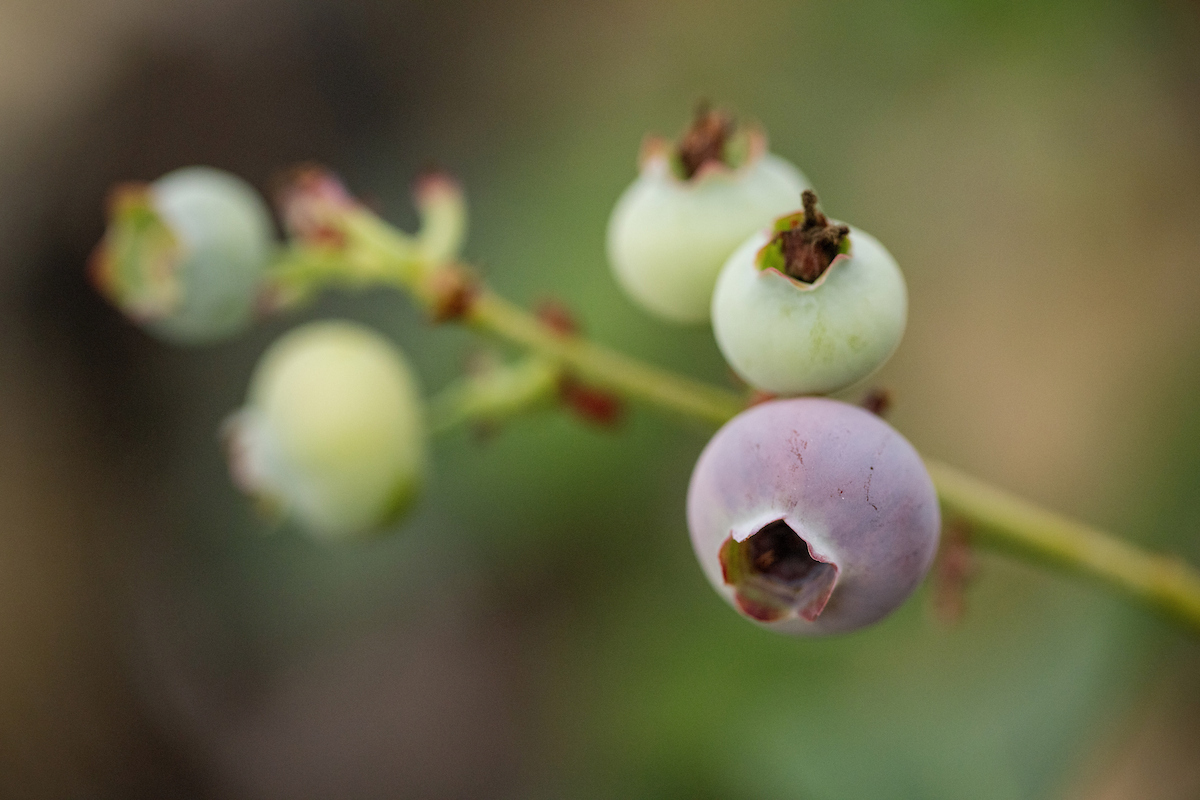
Phenology refers to the sequential developmental stages, also called growth stages, that may occur in perennial plants every season. The growth stages of blueberry plants are affected by temperature, light intensity, and light duration (photoperiod). Erratic weather can impact the plant’s developmental phases. The different types of cultivated blueberries—northern highbush, southern highbush, lowbush, and rabbiteye—all possess a similar response to temperature, light levels, and photoperiod. Yield is directly related to flower bud initiation and differentiation. Therefore, growers must identify and differentiate flower buds from vegetative buds and understand their functions in order to apply the best practices from planting to harvesting.
|
-
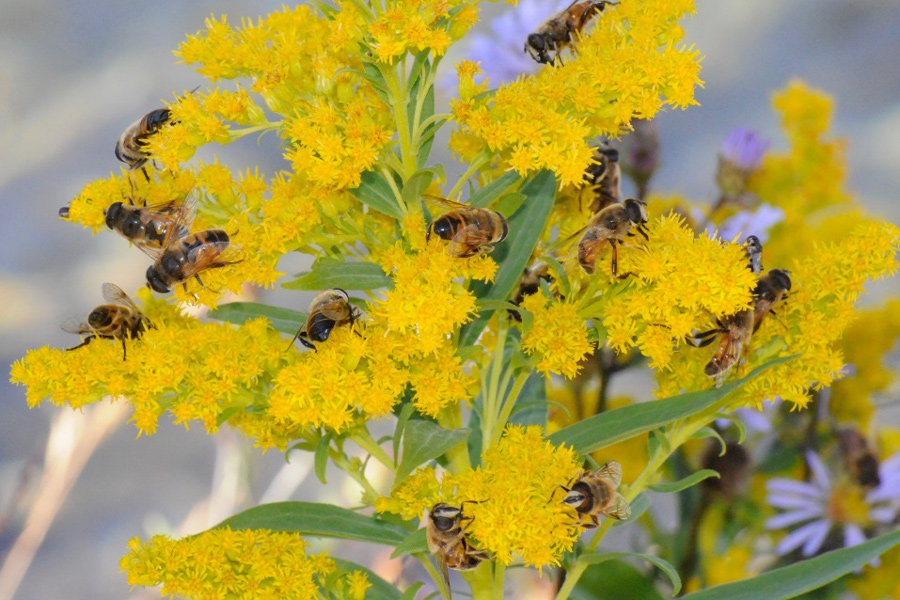
With over 6,000 species world-wide and 812 in the United States and Canada, hover flies, also known as flower flies or syrphid flies, are a highly diverse, common, and charismatic family of insects which provide a broad diversity of ecosystem services including pollination, biological control, and decomposition that benefit humans. However, they often are overlooked or misidentified because of their tendency to mimic bees and wasps. This resource educates readers about the importance of these magnificent insects and provides a brief guide to common species found in the southeastern United States, specifically the state of Georgia.
|
-
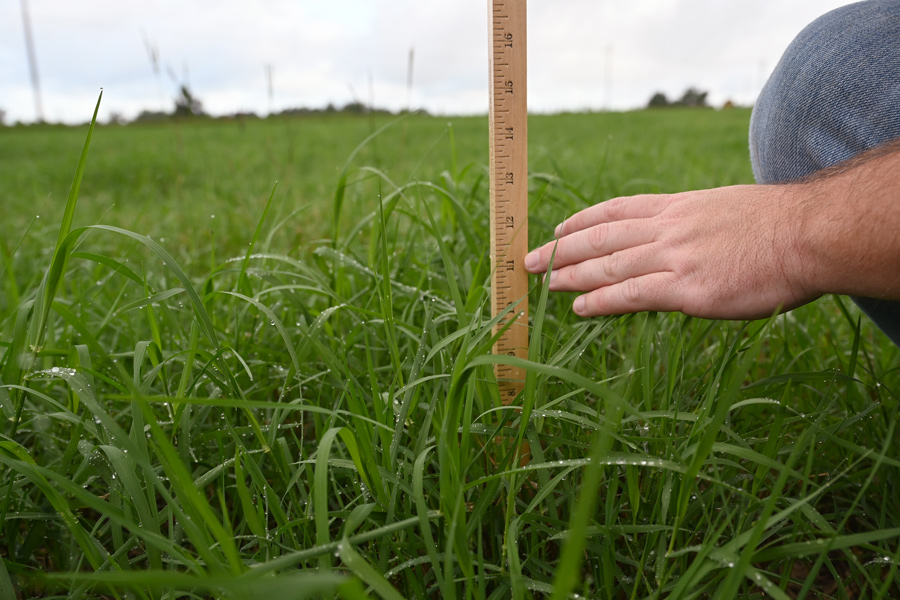
B 1567
How to Use a Grazing Stick
Grazing management requires accurate estimates of forage availability to adjust forage supply to meet animal needs. However, incorrect forage availability estimates can negatively impact important grazing-management decisions such as stocking rate and grazing time. Visually estimating pasture yield is inexpensive and fast, but untrained persons can give biased and unreliable estimates. One of the easiest, most affordable, and most reliable estimation options is using a grazing stick or pasture ruler. This publication outlines the procedures used for collecting data in field and calculating available forage for your farm. An additional author is Justin Burt, a postdoctoral research associate in the Department of Crop and Soil Sciences, University of Georgia Tifton Campus.
|
-
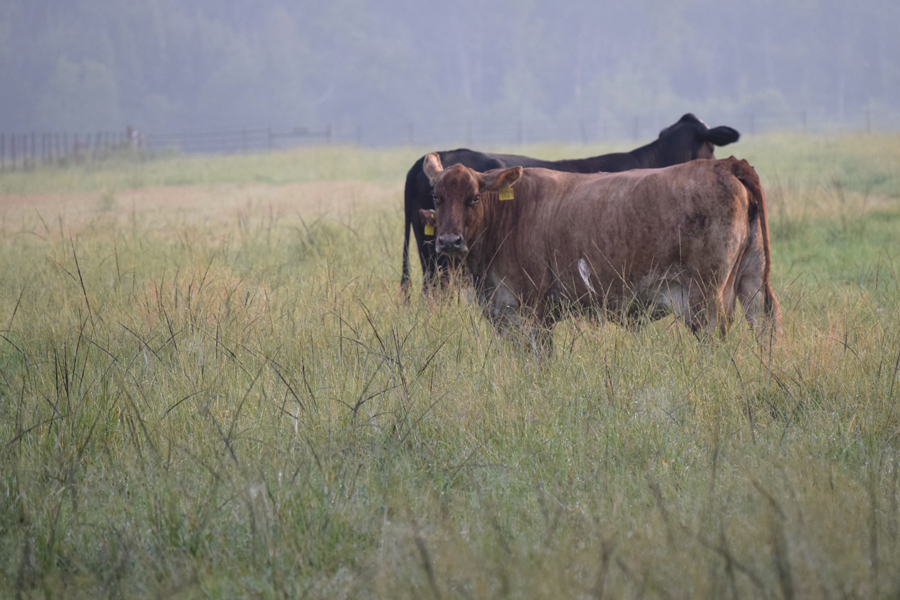
A good grazing management plan is essential to producer success for any grazing livestock production system. One of the keys to building a grazing management plan is to have a good understanding of the stocking rate on your farm and how this relates to forage availability. Stocking rate is a critical factor in all grazing operations, no matter the livestock species. By accurately determining stocking rate, understanding their grazing management options, and measuring forage availability producers can develop an effective grazing management plan for their operation. Additional author: Justin Burt, Postdoctoral Research Associate, UGA CAES Department of Crop and Soil Sciences
|
-

Spinner-disc spreaders are commonly used for applying lime and fertilizer to agricultural fields. Uniform and accurate application of lime and fertilizer is essential. Proper setup and calibration of application equipment is important to assess its performance and attain satisfactory results. Even new and well-maintained equipment needs calibration checks regularly before and during the growing season. This is especially important when changing from one type of material or blends to another, when changing application rates, and when altering speeds or other operating conditions.
|