Departments and Units Resources
-
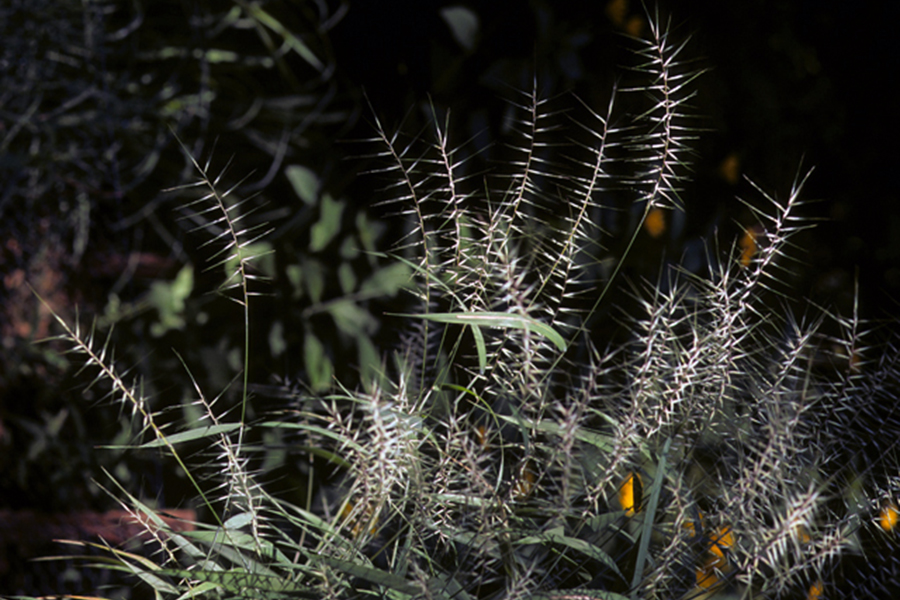
This publication describes and illustrates 48 grasses and 10 sedges native to Georgia. It is not the intent of the authors to describe all native grasses and sedges, but those that are most widespread or those having practical application for wildlife habitats, erosion control, restoration projects or landscape culture. A few of the plants are noted as being weedy or invasive and may not be appropriate for use in cultivated landscapes. Nonetheless, they are included to assist the reader in identifying them because they are abundant in the wild.
|
-
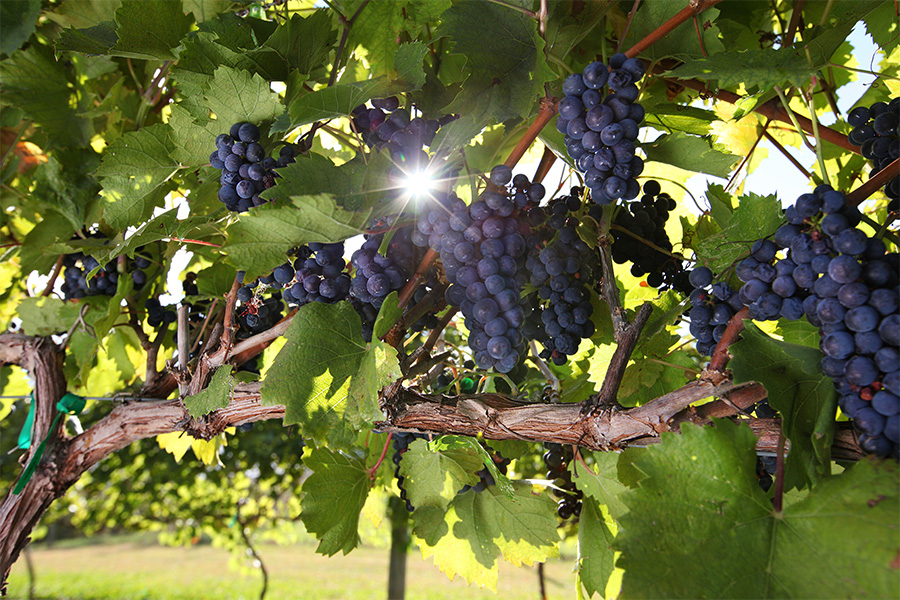
Pierce’s disease (PD) may be the greatest threat to the growth and sustainability of wine grape industries in the Southeastern U.S. The first step to managing grapevine PD is understanding the threat of PD as dictated by the region in which vines will be planted. It is highly advised that PD-tolerant cultivars be planted if a vineyard will be established in a region of high PD-threat. Growers should understand that there is a risk of planting Vitis vinifera and other PD-intolerant cultivars in several Southeastern U.S. regions, including the mountain regions of northern Georgia and piedmont regions in North Carolina. If PD-intolerant cultivars are planted, leafhopper vectors should be intensively scouted for and managed, and PD-infected vines should be immediately rogued out of the vineyard.
|
-
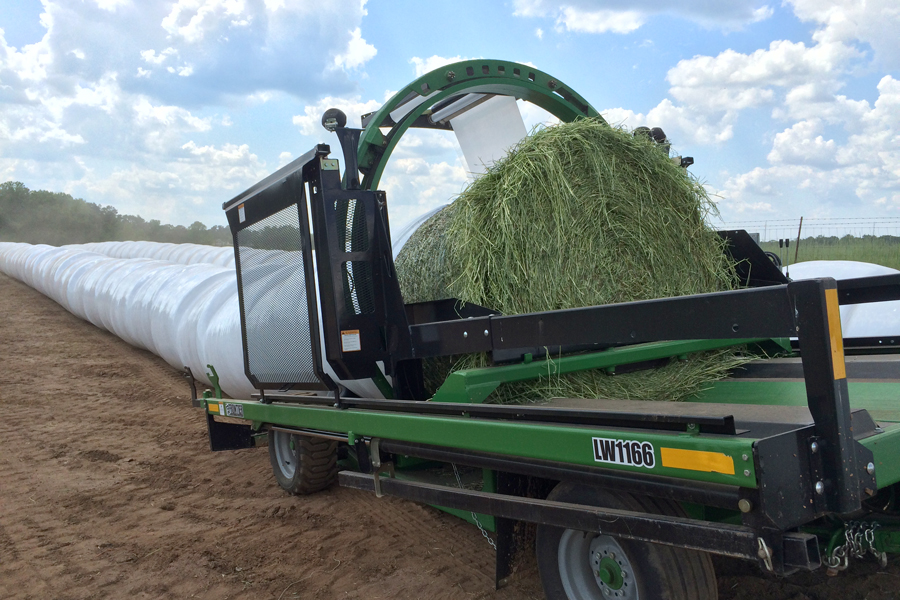
B 1532
Baleage Production and Use
Implementing a baleage system takes consideration and planning. Producers need to weigh the benefits, challenges, and costs to optimize their forage production and livestock feeding operations. Baleage does have additional costs associate with it—including a wrapper, plastic, and plastic disposal. It also takes different management strategies to store and feed baleage to prevent spoilage when compared with traditional dry hay. Despite some additional management challenges, baleage can be very beneficial for many producers. It has higher forage quality when compared to dry hay harvested under the same conditions and is highly palatable to livestock. Finally, using baleage as a forage harvesting tool can reduce risks of forage loss due to weather and promote forage harvest on a timely harvest interval.
|
-
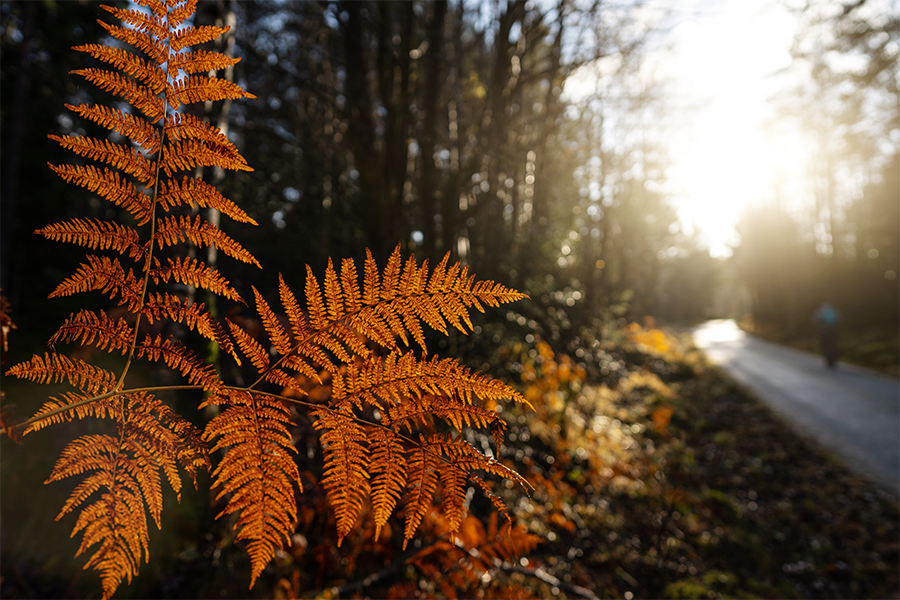
There are about 12,000 species of ferns in the world today. Most are found in the tropics. Currently, Georgia is home to 36 genera, 119 species and 12 hybrid ferns. The list is constantly expanding as new plants are found. To grow ferns successfully, it is important to match the site characteristics and growing environment with the native requirements of the fern species you intend to grow. Even if a fern is native to Georgia, it may not be native to the area of the state where you live.
|
-

B 1270
Poultry Litter Sampling
Poultry litter is a mixture of poultry manure, feathers, wasted feed, and bedding material that contains nitrogen, phosphate, potash, and other nutrients essential for plant growth. Poultry litter can vary considerably in nutrient content due to bird type, feed composition, bedding materials used, clean-out frequency, storage and handling practices, use of litter amendments, and other factors. Therefore, sampling poultry litter to obtain a nutrient content analysis is an important step for managing manure nutrients appropriately.
|
-

Irrigation systems are used by farmers and homeowners to supply supplemental
water to their crops. At the end of the growing season, the irrigation system should be checked and winterized to maintain proper operation for the coming season.This publication provides a list of suggested things that should by done on both drip and center pivot systems to help protect them during the winter months.
|
-
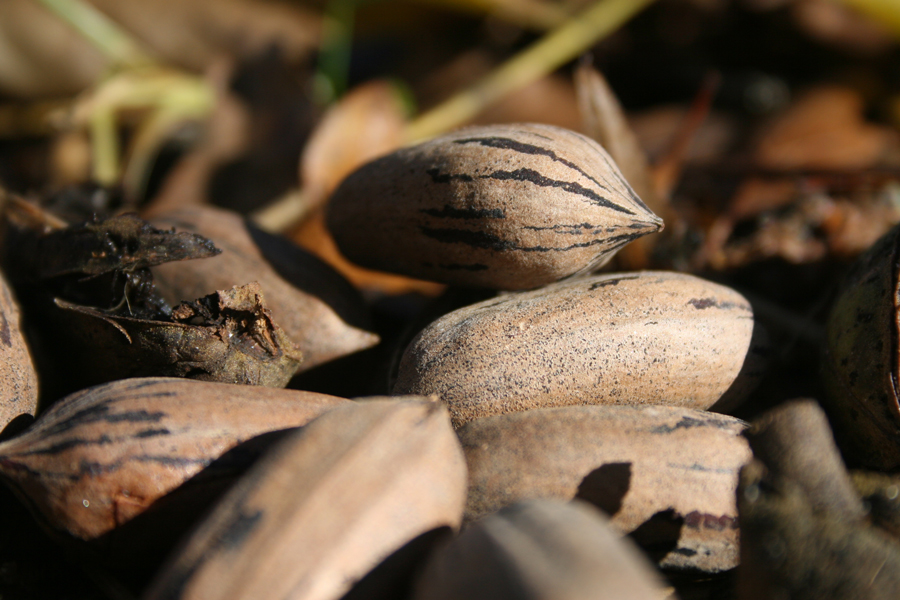
Pecan trees have high water requirements, using as much as 60 inches of total water (including rainfall) during the growing season. Georgia receives an average of 50 inches or more of rainfall annually. While the rainfall received certainly meets a portion of the water requirement for pecan trees, periods of moisture stress occur during the growing season, particularly during the months of August and September when pecans are in the kernel filling stage and water demand is at its peak. Thus, irrigation has been proven to markedly enhance pecan production in the region.
With increasing agricultural water use, a growing population, and declining groundwater levels, irrigation efficiency in the region is necessary for sustainability. Drip and micro-irrigation system design capacity for a mature pecan orchard should be 3600-4000 gallons of water per acre per day. Because of evaporation losses, solid-set sprinkler irrigation can require as much as 3 times more supplemental water than drip or micro-irrigation.
Solid set irrigation systems should have a design capacity of 1.5–2 inches per week. Water stress in pecan is correlated with soil moisture from budbreak through the end of nut sizing. Pecan trees bearing a moderate to heavy crop load may undergo water stress during the kernel filling stage regardless of soil moisture level. This suggests that crop load and nut development drive the tree’s demand for water.
|
-
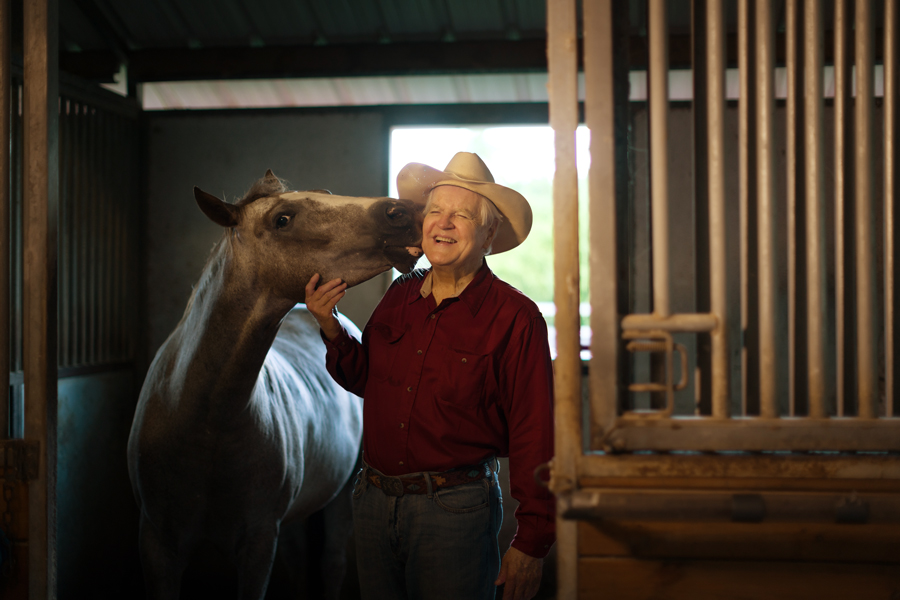
Horses have relatively long life spans compared to other livestock and companion animals, often living into their late 20s and early 30s. Many horses have productive careers into their 20s. In fact, in many disciplines, horses do not peak until their teenage years. Good nutrition, maintenance and veterinary care allow horses to lead longer and more productive lives. However, as horses age, their needs change and additional care may be required to keep them as healthy as possible. This publication addresses changes in the aging horse’s body that impact its requirements, possible ways to meet these requirements, and solutions to problems that may occur.
|
-
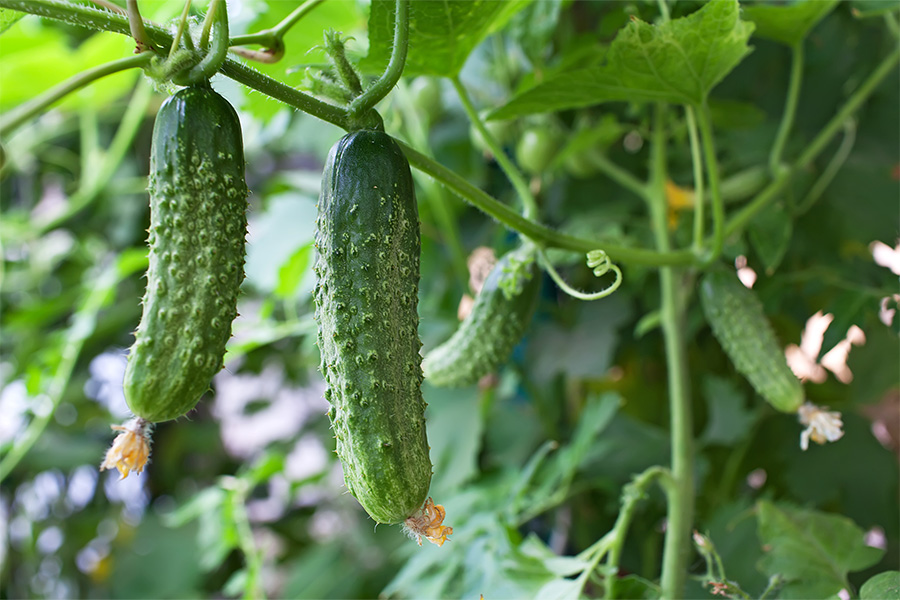
Cucumbers are one of the most popular crops in today’s home garden. This publication helps you to select the varieties to suit your needs.
|