General Agriculture Resources
-

AP 130-1-08
2023 Pork Outlook
1. 2022 U.S. pork prices continue to increase because of the limited number of slaughter-ready pigs. 2. Good outlook for 2023 as feed prices likely decrease and export demand increases.
|
-

AP 130-1-09
2022–2023 Commercial Poultry Outlook
Author: Dennis Brothers, Associate Extension Professor, Auburn University, Agricultural Economics and Rural Sociology. 1. The domestic chicken market is strong with a good supply in the short- to midterm, though highly pathogenic avian influenza (HPAI) continues to loom large in the United States and could be a major impact in 2023. 2. High building costs an increasing interest rates are obstacles to expansion on the live side. 3. Future changes to the contract-grower pay model could be beneficial to growers, but caution is warranted. 4. HPAI and California Proposition 12 ruling likely to have an impact on future table egg prices.
|
-

AP 130-1-10
Honey Bees 2023
1. Honey production overall for 2022 was below average for the state. However, in some regions yields of two types of honey, northern wildflower and sourwood, were above average. 2. Colony losses for commercial operations were higher than 2021, with some reporting a 60%–70% loss, and backyard beekeepers in some cases experiencing losses above 80%. 3. Varroa destructor (parasitic mites) remains the leading cause of colony loss in Georgia and nationally. 4. Demand for packages, nucleus colonies, and queens were down for 2022.
|
-
B 1298
Chemigation in Georgia
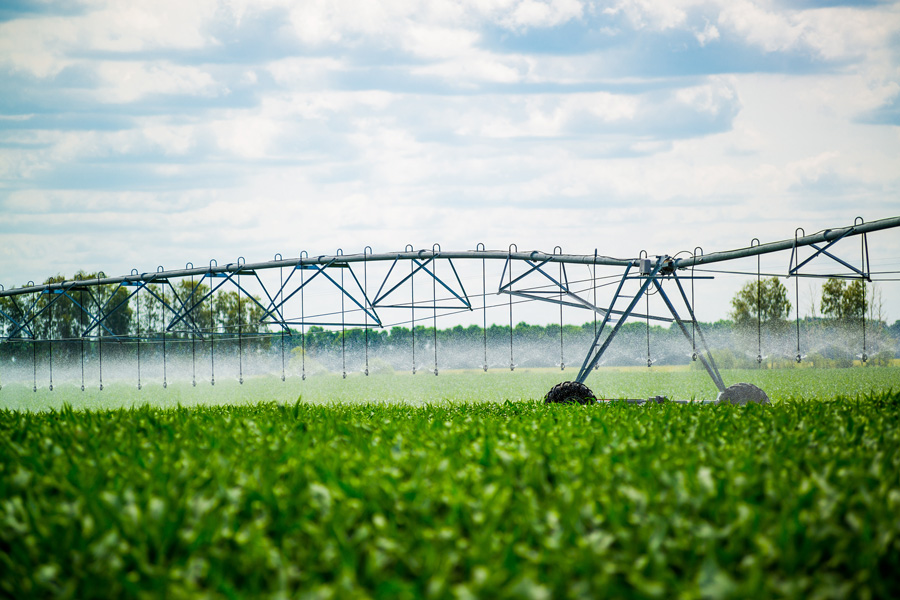
Chemigation is an inclusive term referring to the application of a chemical into or through an irrigation system. It includes the application of fertilizers, acids, chlorine and pesticides. Chemigation can save time, reduce labor requirements, and conserve energy and materials. Chemigation is beneficial, however, only to the extent that the irrigation system is adequately designed, fully functional and properly managed.
|
-

This publication highlights the role of selenium in animal nutrition; selenium concentration and distribution in soils and feedstuffs (grains and forages) produced in various parts of the United States and in Georgia; disorders resulting from Selenium deficiency or toxicity; various methods of selenium supplementation; and recommendations for selenium management in Georgia. This publication is intended to serve as an educational resource for university researchers and Extension specialists, county Extension agents and livestock, forage and feed producers, among others.
|
-
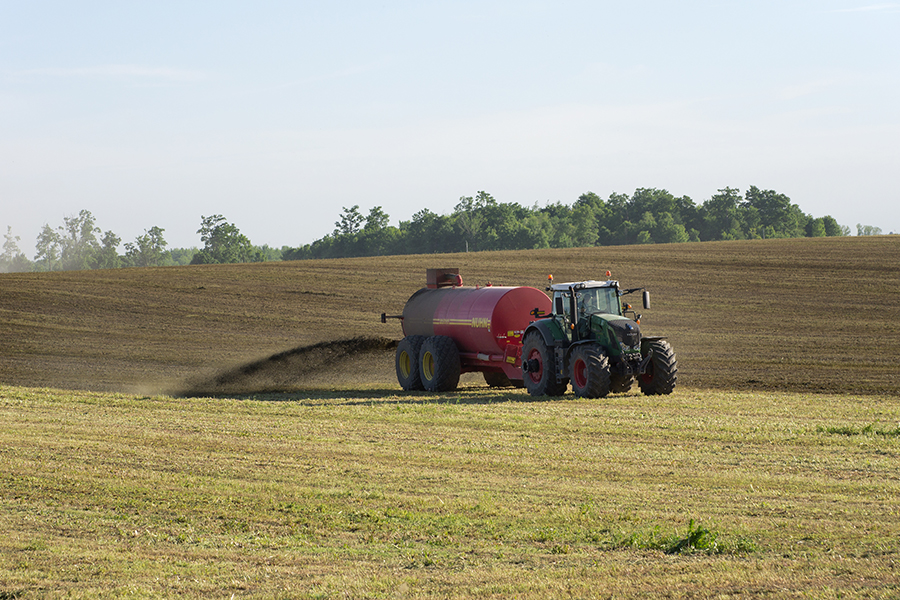
Farmers have known for centuries that animal manures spread on pastures and cropland can improve soil fertility. In the 1920s, farmers began to use sludge from municipal wastewater treatment plants as a fertilizer. Through decades of research, the scientific and agricultural communities have come to understand that municipal sludge or “biosolids” contain valuable nutrients and organic matter that improve the soil in a way similar to animal manures. It is important to understand that biosolids are not raw sewage. Biosolids are organic solids that have been treated to stabilize organic matter and reduce disease-causing organisms or pathogens.
This resource was developed to help answer some common questions regarding the use of biosolids and to give farmers benchmarks for good practices.|
-

Note: This publication contains data from an average of the 2020-21 and 2021-22 orange harvest seasons (exceptions noted in the chart). The commercial citrus industry in Georgia has only recently been established, with most groves planted after 2014. As of 2022, approximately 75% of the 3,300 acres of citrus planted in Georgia are satsumas, but that proportion is trending downward. To strengthen the new Georgia citrus industry, growers recently have begun to diversify their citrus varieties. Research is being conducted to determine how these varieties will perform under Georgia weather and soil conditions: which varieties can best tolerate Georgia’s winter weather, and what are the cultural norms such as maturation time, fruit quality, and insect and disease tolerance. This publication is associated with Circular 1275, the initial publication containing reference photos for the varieties tested.
|
-
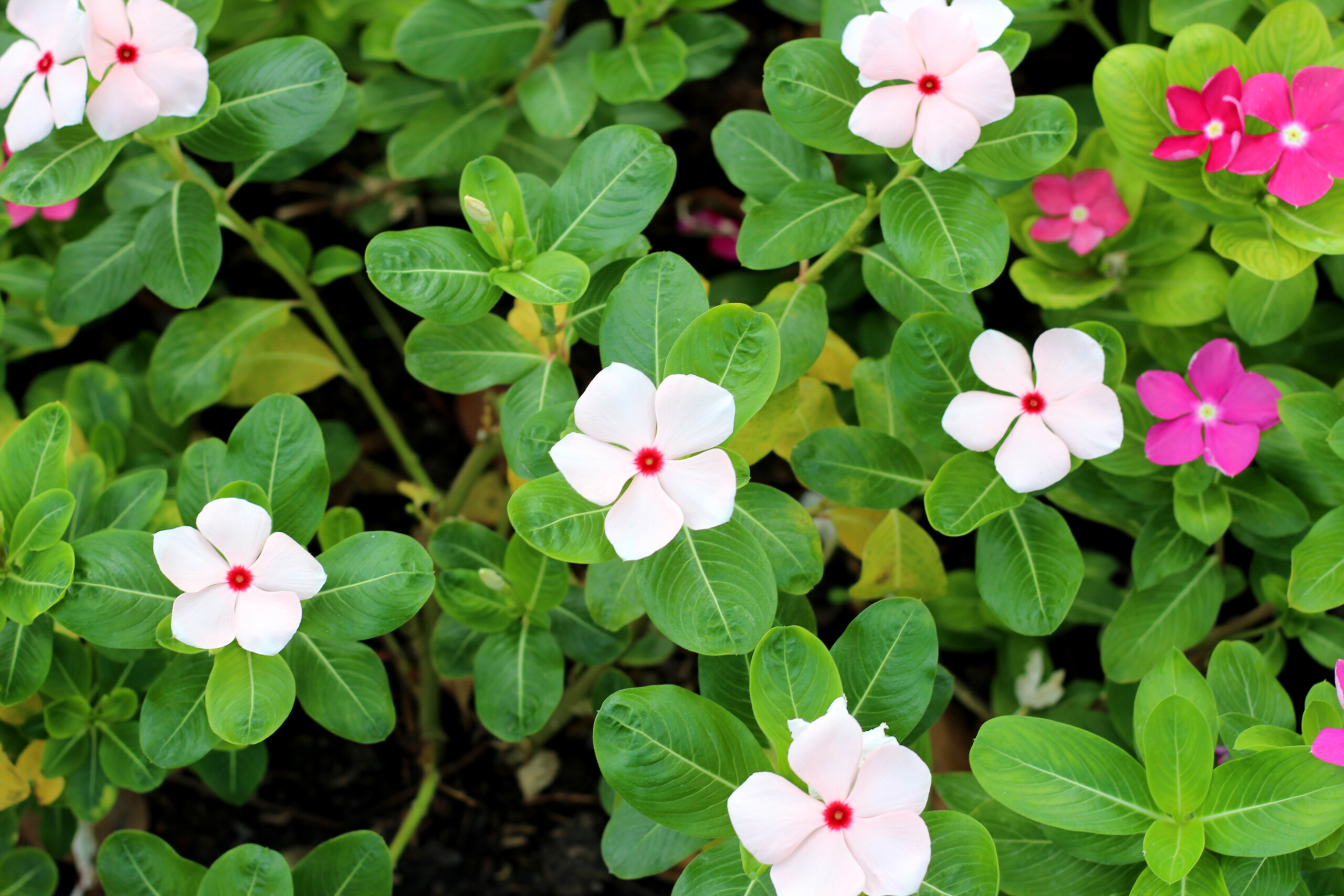
Vinca is a specialty ornamental crop with very distinct requirements. This bulletin will address those requirements and cover a typical production schedule and crop budget.
|
-

With growing demands for potable (suitable for drinking) water (due to population increase) and expanding irrigated acreage, there is an increased pressure on irrigated farms to consider using nonpotable alternatives. However, low quality irrigation water can adversely affect soil physical conditions and crop production.
This publication provides in-depth information on the following aspects of agricultural irrigation water quality:
-Importance of irrigation water quality
-Major attributes of irrigation water quality
-Common units used
-Salts content
-Toxicity and their sources
-Bacteria in water sources|