General Agriculture Resources
-

J. Holly Campbell and David R. Coyle, Southern Regional Extension Forestry
Littleleaf disease is a forest health concern for several pine species in the southeastern United States. This disease is a particular problem for shortleaf pine (Pinus echinata Mill.) and is one reason why this species is less widely planted compared with other pines. Littleleaf disease results from a combination of biological factors and site characteristics, when combined with a susceptible host tree. Some factors are more important – i.e., they have a primary role in disease formation – while others have a secondary role, and mostly contribute to making disease symptoms worse.
|
-

C 1135
Silvics of Shortleaf Pine
Shortleaf pine is the most widely distributed, but perhaps least understood of the four major southern yellow pines. Growing in 22 states from southern New York to eastern Texas, it occupies the largest range of any pine in the southeastern United States. Its extensive distribution reflects it adaptability to a great variety of soil, average annual temperatures (48–70 °F), total precipitation (40–60 in.) and elevations (up to 3000 ft). Throughout much of its range, but especially in the East, it is a species of minor and varying occurrence often found growing with other pines and hardwoods. In Arkansas and Missouri, where it is the only naturally occurring pine, we find widespread areas of pure and mixed shortleaf-oak stands.
|
-

Linda Wang, National Timber Tax Specialist, USDA Forest Service
Timber or landscape trees destroyed by the hurricane, fire, earthquake, ice, hail, tornado, and other storms are “casualty losses” that may allow the property owners to take a deduction on their federal income tax returns. The key for most cases is to figure out the “adjusted basis” of the timber. The “Adjusted Basis” of Timber Generally, the cost or the measure of your investment in the property you own is the property’s basis. The original basis is defined as follows: 1) for purchased timber property, it is the purchase price and related costs (such as legal fee and timber cruises); 2) for gifted timber property, it is the donor’s adjusted basis in most instances; 3) for inherited timber property, it is the fair market value (or alternative value if so elected) on the date of death (or alternative valuation date). The “adjusted basis” of a property is the original basis reduced or added by adjustments over the term of ownership (e.g., new purchase increases your timber basis while timber sale decreases your timber basis).
|
-
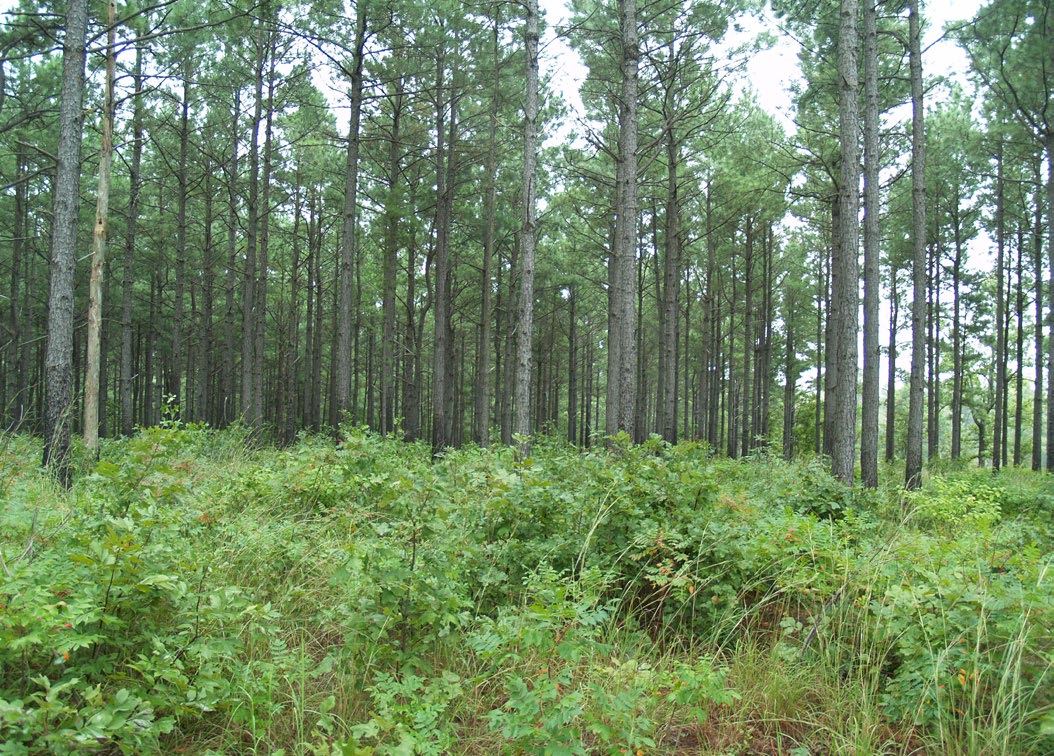
Shortleaf pine and its associated plant communities evolved with fire of varied temperatures, or mixed severity, and a fire return interval, or frequency of 2–18 years. Across its wide range, shortleaf is found growing with blackjack, white, and post oaks; trees that have similar adaptive traits and fire resistance. The high diversity and number of herbaceous understory plants and wildlife found in shortleaf savannahs and woodlands is sustained with frequent prescribed burns. Due to its reliance on fire, foresters and ecologists commonly refer to shortleaf as fire resistant, fire resilient, fire dependent, or fire adapted. However, shortleaf pine is not fire-proof. And while fire provides many benefits there are risks. Some trees, particular seedlings and saplings will be damaged or destroyed from fire. Land managers must base the decision to burn on their overall management goals.
|
-
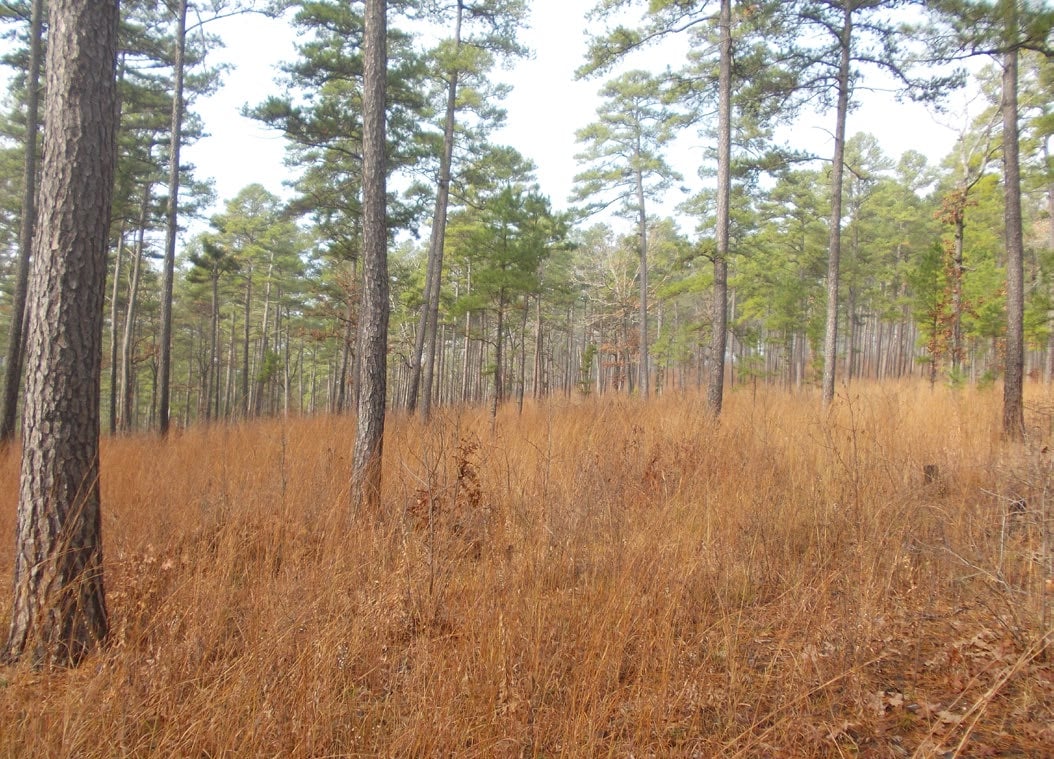
Savannahs are typically thought of as transitional landscapes between forest and prairie, containing a sparse overstory and well-developed herbaceous understory, including grasses, wildflowers, and occasional understory shrubs. A similar concept is a woodland, which is a transitional landscape between savannahs and forests. Although savannahs and woodlands were once widely distributed across much of the Eastern U.S., they are now rare due to fire exclusion, land clearing, and natural succession. Many plant and animal species associated with forests, forest edges, and open prairies thrive in these communities making savannahs and woodlands some of the richest and most diverse natural communities in the region. They provide excellent habitat for northern bobwhite quail, eastern wild turkeys, and in many cases, white-tailed deer.
|
-

It is widely accepted that storing farm equipment under a shelter is better than storing it outside and that hay stored in a barn is better than hay stored in the field. But how can we determine just how much a farm storage building is worth? The answer is different for every individual operation, but there are some guidelines that will help you make an intelligent decision about whether or not you can afford a building (or afford not to have one).The following is a discussion of the costs and benefits of owning a building, along with some example calculations. In each example, you are given the opportunity to substitute your figures, which might more accurately reflect your local markets and conditions.
|
-
C 983
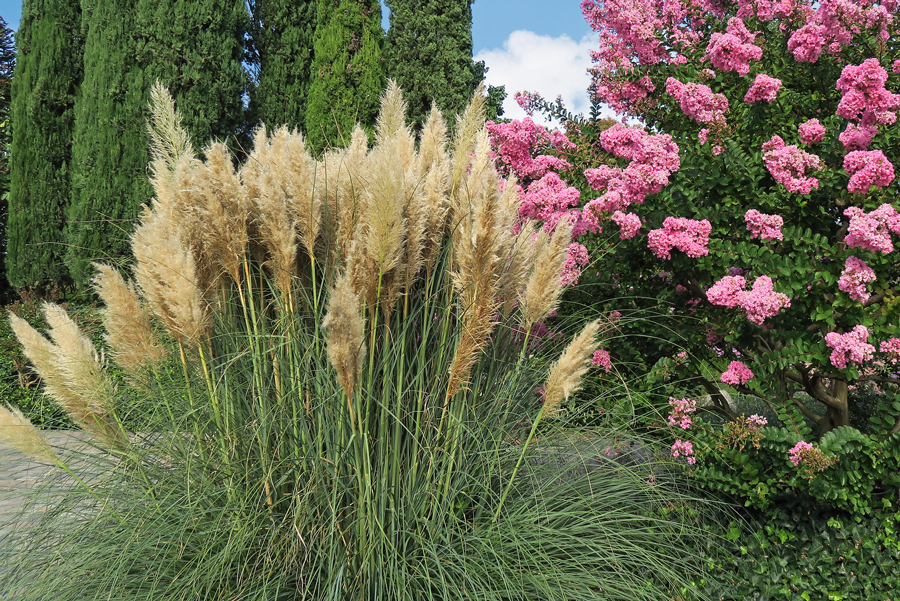
Pampas Grass
Pampas grass is a large perennial grass native to Brazil, Argentina, and Chile. Mature plants can reach 10 feet tall and 6 feet wide. In late summer, silvery-white plumes rise several feet above the foliage and make a bold, dramatic statement in the landscape.
|
-
C 990
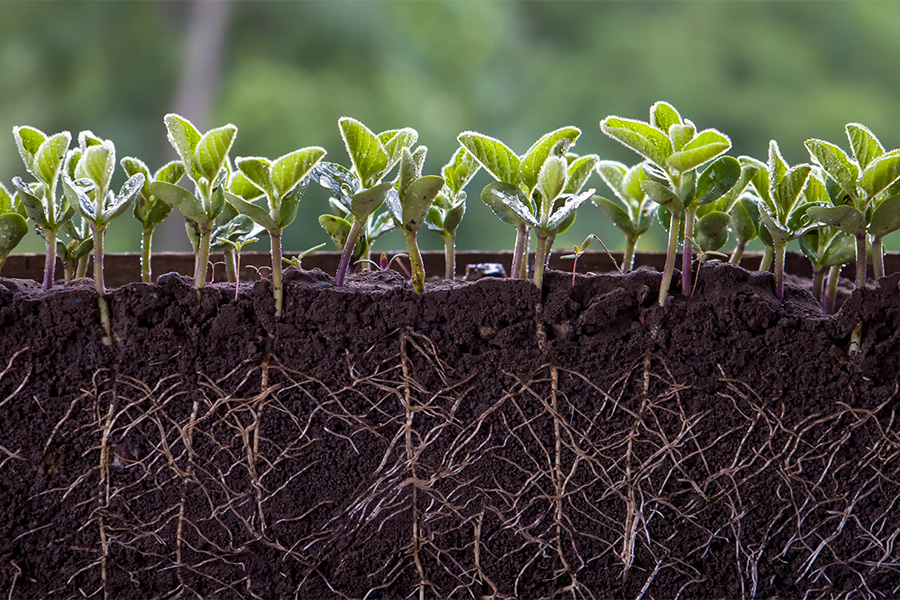
Soil Inoculants
Soil inoculants are used for a variety of reasons. In some cases, we add soil organisms that have a known beneficial effect. A symbiotic relationship is one that is mutually beneficial. In return for the plant feeding the rhizobia carbon from photosynthesis and giving it a home, the bacteria can “fix” atmospheric nitrogen into a form that the plant can use.
|
-
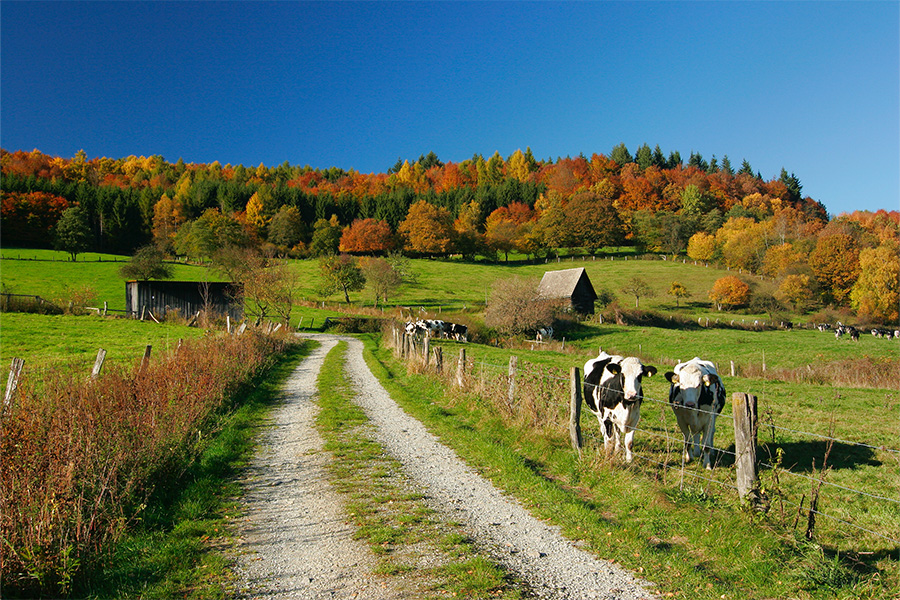
Poultry litter is widely used on pastures and hayfields in Georgia. There are many benefits when it is used wisely. Producers should use nutrient management planning and recommended rates to ensure poultry litter is used in ways that maximize its benefits without harming the environment.
|