Horticulture Resources
-
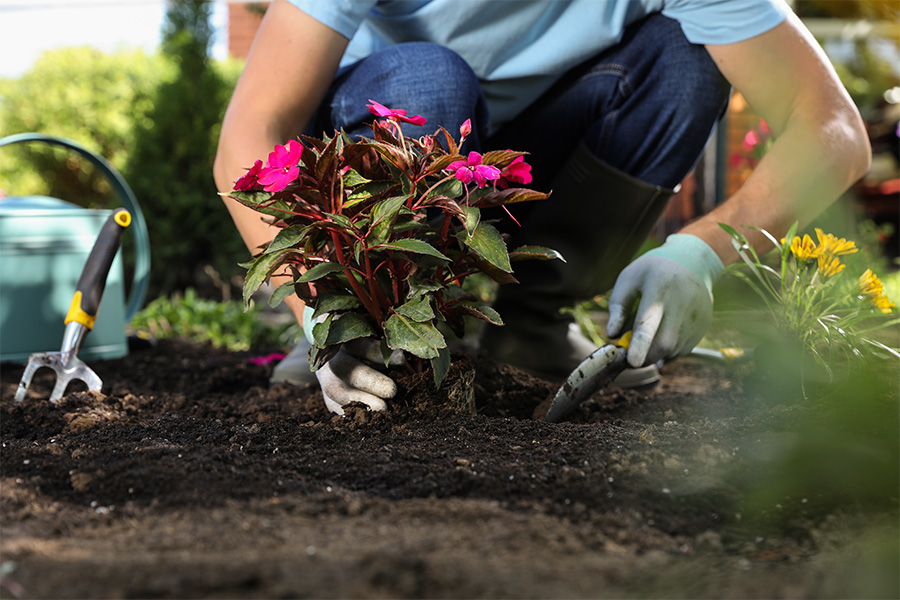
Proper planting is essential for healthy, vigorous growth of ornamental plants in the landscape. It assures rapid plant establishment by providing a favorable environment for the developing root system. This resource offers step-by-step guidelines that will help you achieve planting success.
|
-

AP 133-1
Hurricane Helene Impact Report
We estimate that Hurricane Helene’s damages to Georgia agriculture and forestry will cost the state economy at least $5.5 billion in 2024 present value. This figure represents the sum of direct crop losses, losses to firms that support agriculture and forestry, losses to workers in those and related industries, and the recovery and restoration costs that firms in these industries will face. The Georgia Forestry Commission is a collaborator with UGA on this publication.
|
-
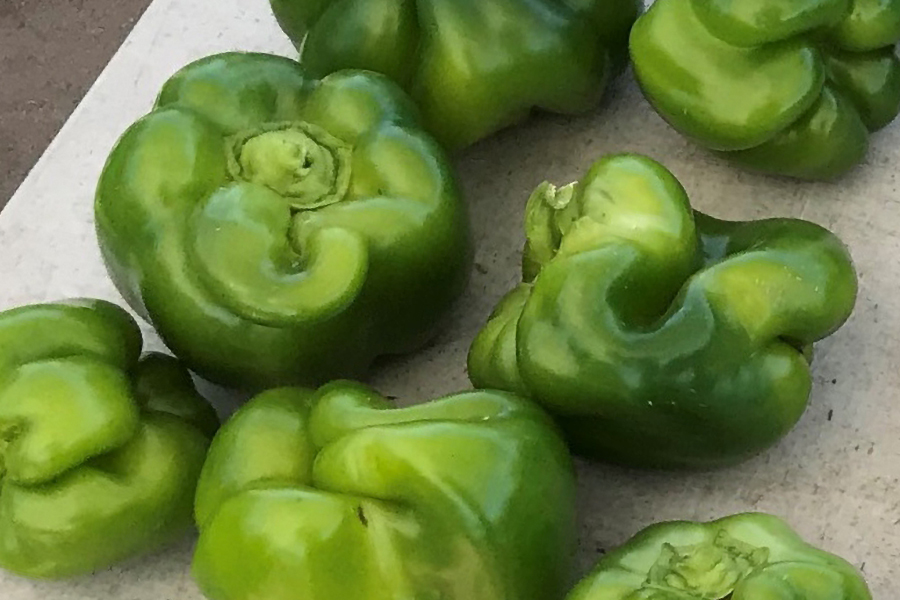
Various physiological disorders can affect the appearance and desirability of fresh market bell peppers; these often arise from environmental stresses and nutritional imbalances. Understanding these physiological issues is essential for growers to manage and mitigate them effectively. These disorders are common and are related to plant growth and development, not diseases. This circular shows these horticultural characteristics or traits that are expressed by certain genotypes.
|
-
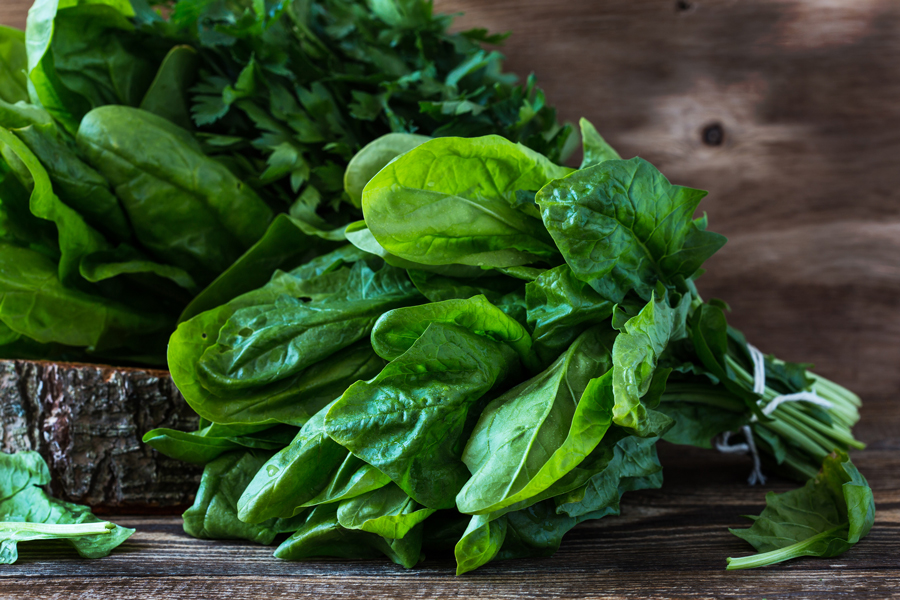
Spinach (Spinacia oleracea) is an important nutrient-dense leafy green, and its annual per capita consumption has significantly increased over the past decades. Spinach production in Georgia has experienced significant growth in the last few years, with over $400M in annual value, ranked first among all the other leafy green crops. Field spinach production is labor intensive, and the cost of weed management, harvest, and post-harvest accounts for 56% of the production cost. With the advantages of controlled environment agriculture in reducing labor costs and increasing production value with an extended growing cycle, hydroponic spinach has been gradually accepted and planted on a large scale.
Spinach is a cool season crop typically seeded during early spring or early fall. Summer season is often skipped because of pressure from insects, diseases, and weeds. Additionally, the optimal temperature for spinach seed germination is 65-70°F (18-21°C), and for spinach growth is 60-77°F (15-25°C). However, there is the possibility to grow spinach during summer in the greenhouse using a deep water culture hydroponics system that can minimize these pressures by focusing on heat-tolerant cultivar selection, germination improvement, and optimal hydroponic system implementation.
|
-
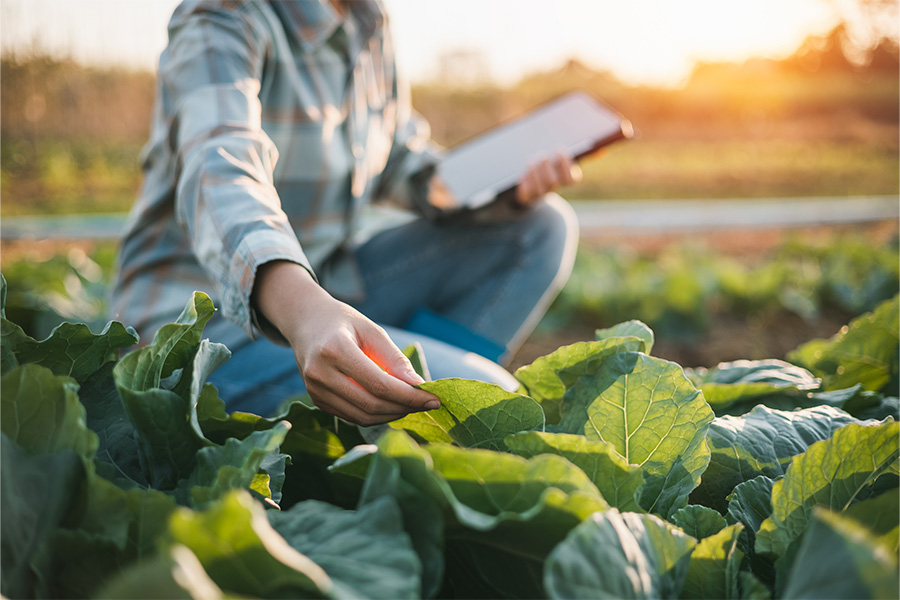
Pesticide and fertilizer recommendations are often made on a pounds per acre and tons per acre basis. While these may be applicable to field production of many crops, orchardists, nurserymen and greenhouse operators often must convert these recommendations to smaller areas, such as row feet, square feet, or even per tree or per pot. Thus pints, cups, ounces, tablespoons and teaspoons are the common units of measure. The conversion is frequently complicated by metric units of measure. This publication is designed to aid growers in making these calculations and conversions, and also provides other data useful in the management, planning and operation of horticultural enterprises.
|
-
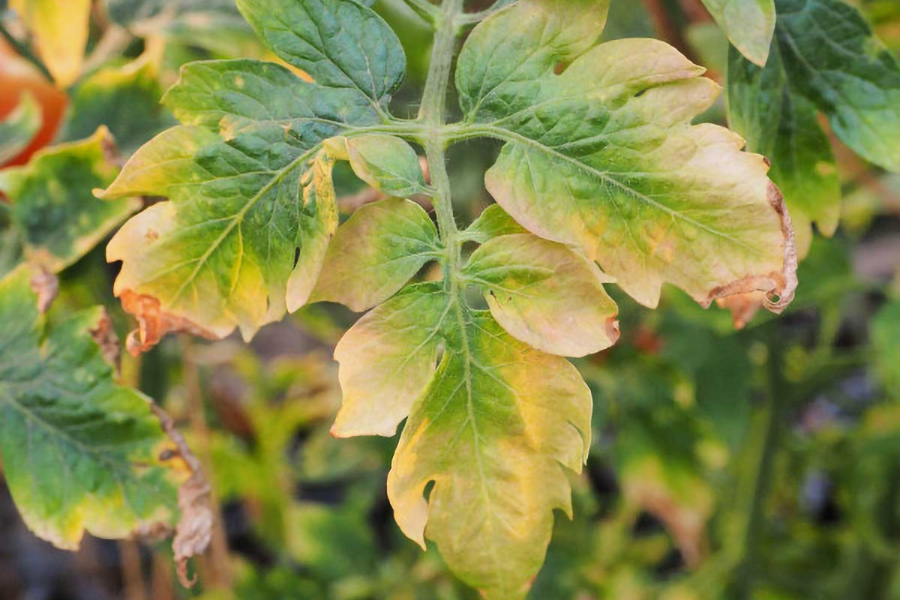
This brief guide covers nutrient deficiencies and their symptoms in common vegetables. Makenzie English, Horticulture Program Assistant, is co-author on this publication.
|
-
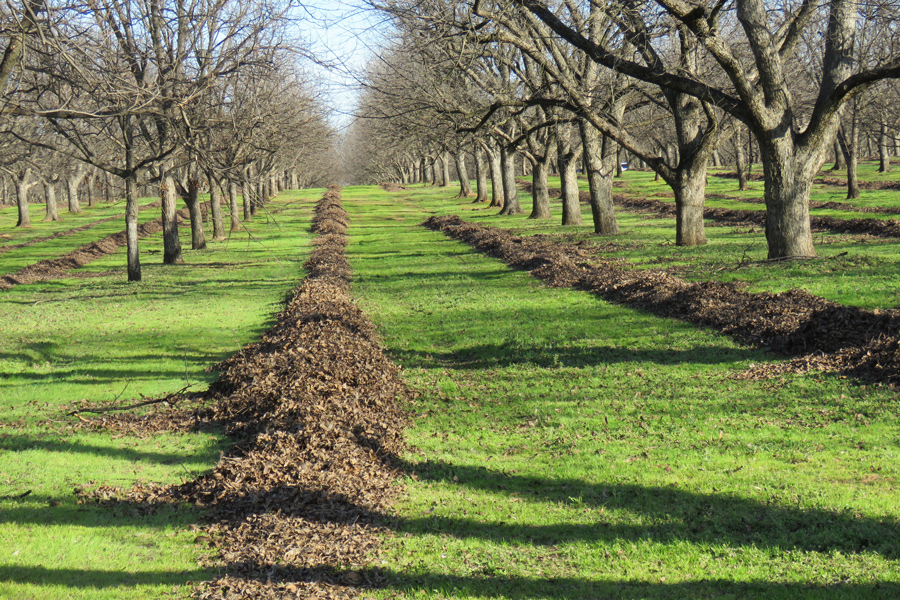
In order for a commercial pecan operation to be consistently successful, the goal of the operation should be annual production of a moderate crop of high quality nuts, rather than the production of a high yield in a single given year. Culturally, there are several basic factors that will help to promote optimum profitability with a commercial pecan orchard.
|
-
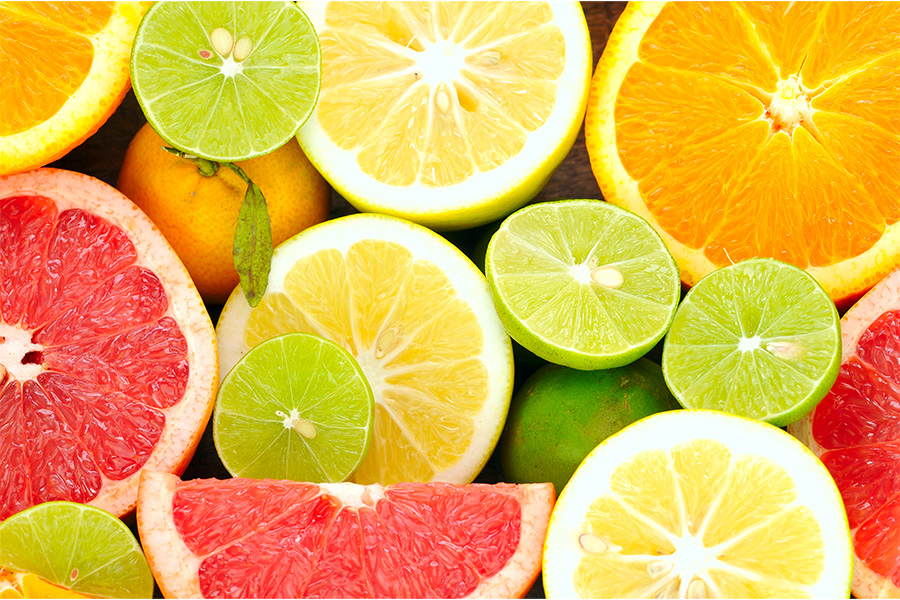
Citrus plants are very versatile around the home and may be used as individual specimens, hedges or container plants. Their natural beauty and ripe fruits make them attractive additions to the South Georgia home scene. Cold-hardy varieties that receive recommended care may grow successfully in the coastal and extreme southern areas of the state (and to a lesser degree in more northern locations).
|
-
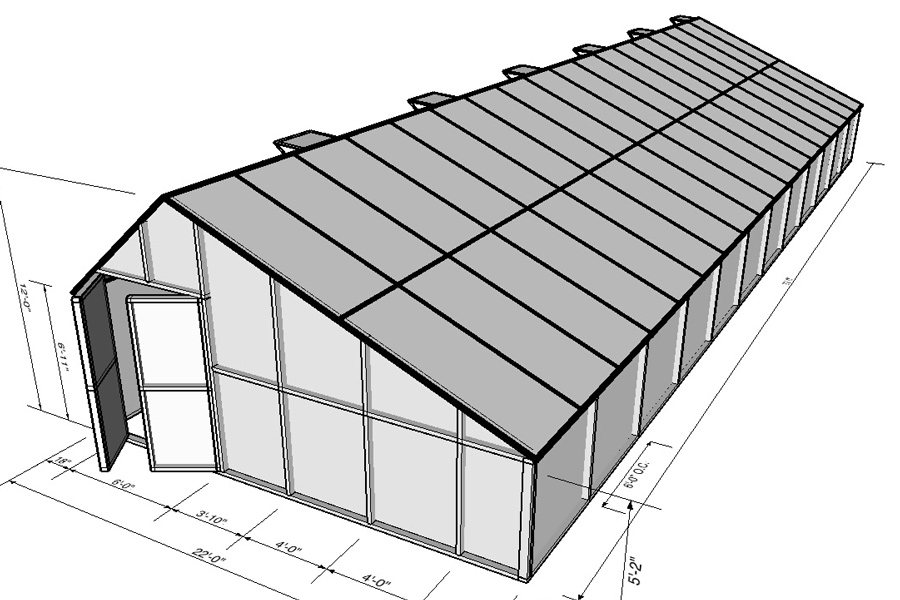
This publication describes how a passive solar greenhouse was constructed using an earthen wall and water barrels for heat retention. The benefits and potential pitfalls of such a structure are discussed. Additional authors include Alexandra Williams, Syngenta, U.S.A, and Krista Jacobsen, Department of Horticulture, University of Kentucky.
|