Horticulture Resources
-
C 893
Mouse Ear of Pecan
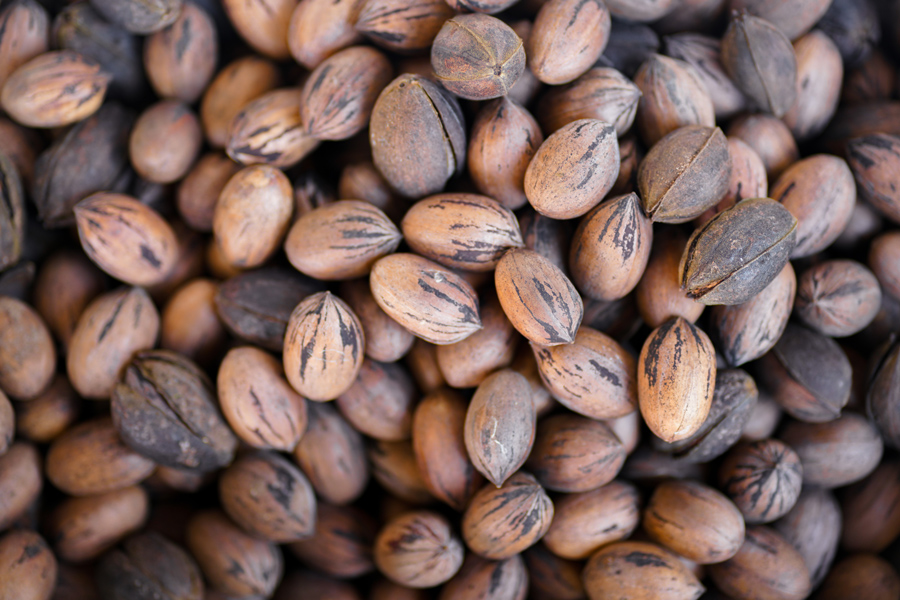
Mouse ear of pecan is a growth abnormality resulting from a deficiency of nickel in the pecan tree. Only recently, the discovery was made that mouse ear indicates a severe nickel deficiency. The disorder occurs most frequently on newly transplanted trees in established orchards, but can also occur on sites where pecan has not previously been grown.
|
-

Pecan production is considered by many who practice this endeavor to be as much an art as it is a science. Growers must integrate multiple disciplines in order to be successful. This book was created with the goal of being a comprehensive reference text for pecan growers, scientists, and county agents. It addresses pecan culture and management in the southeastern United States. For more information, visit https://pecans.uga.edu/
|
-
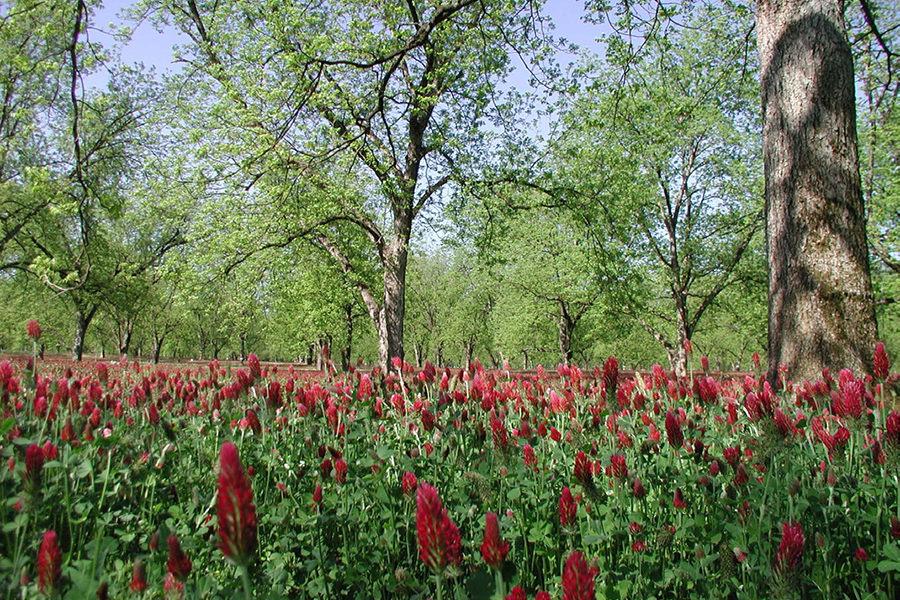
An orchard floor provides a working surface for orchard operations and influences activities in the trees, which produce the crop. An efficient orchard floor cover does not compete heavily with trees for moisture and nutrients and is compatible with orchard insect populations. While weed competition with tree roots is significant throughout the life of the tree, in a newly planted orchard, weed competition can significantly reduce young tree survival and can stunt tree growth. Weed competition can reduce tree growth and yield, as well as promote alternate bearing in mature trees.
|
-

Individuals who propagate trees have their own personal preferences with regard to propagation methods. As with many practices related to pecan production, timing is important for successful propagation.
|
-
B 1314
Establishing a Pecan Orchard
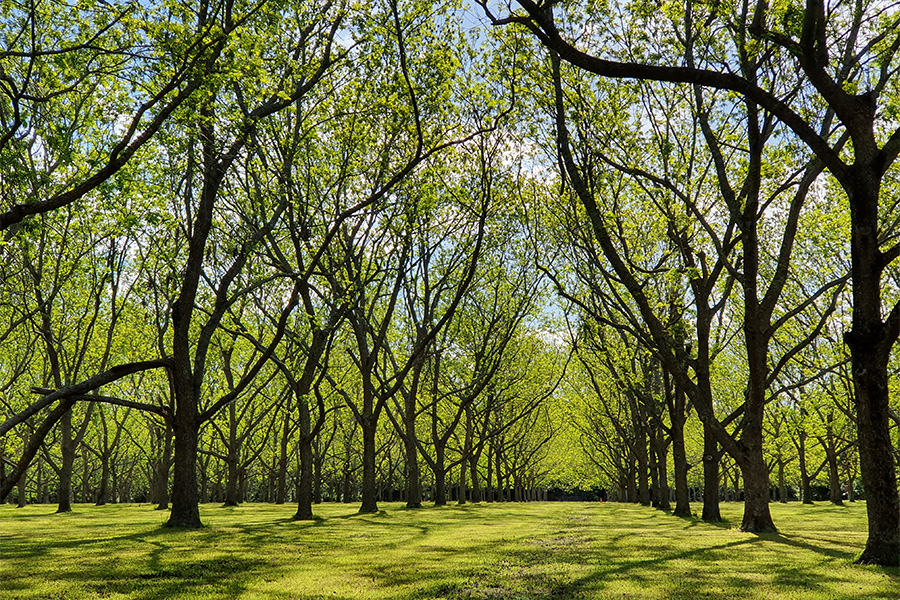
This publication details the various components of establishing a pecan orchard for commercial production.
|
-
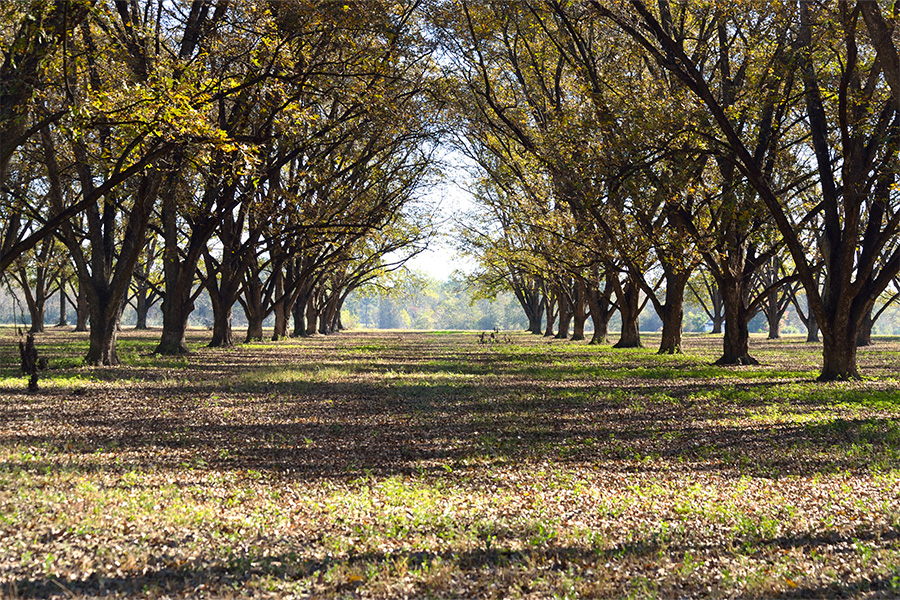
This resource is a comprehensive guide for residents interested in growing pecan trees in Georgia.
|
-
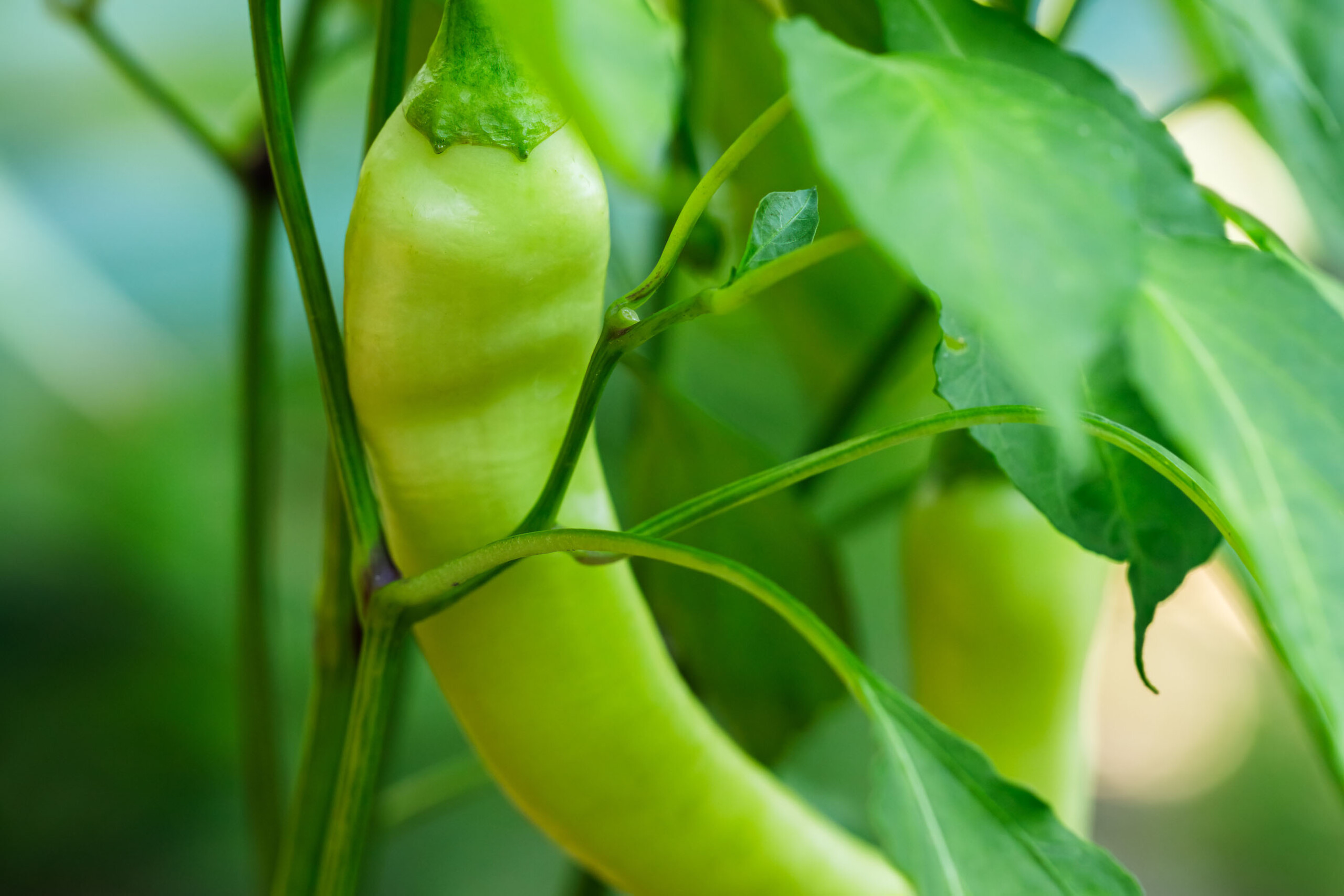
This publication discusses heirloom vegetable choices and some of the common issues that growers may encounter when growing heirloom vegetables in a home garden setting. Additional author: Whitney Richardson, University of Georgia Center for Urban Agriculture, with technical assistance from Makenzie English, University of Georgia Department of Horticulture Program Assistant.
|
-
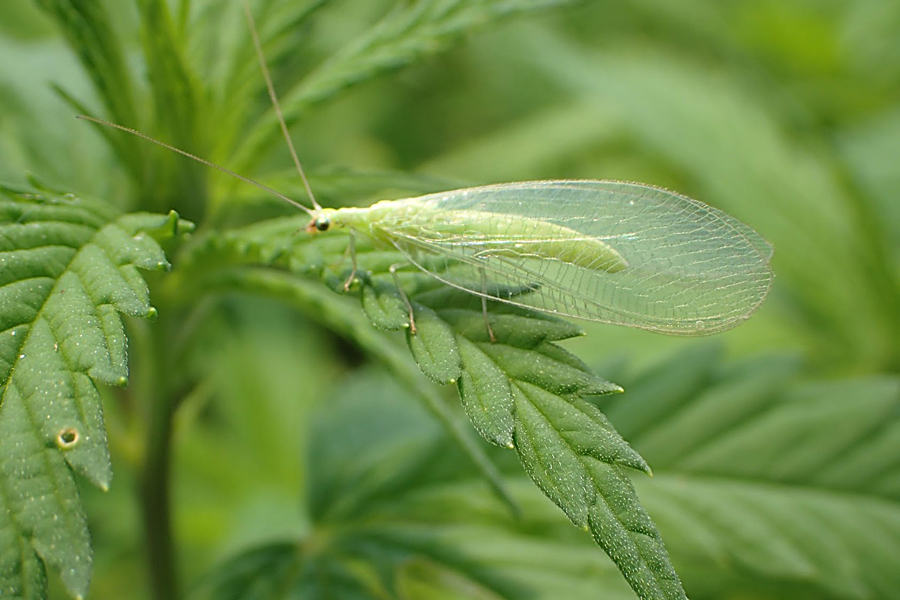
Blueberries are becoming the state fruit of Georgia with considerable acreage planted. Blueberries have many pest challenges and a current invasive pest challenge from spotted wing drosophilia (SWD). While efforts are underway to release new biocontrol agents for SWD, we still know little about the natural enemies in blueberry systems. Here we provide an overview of common natural enemies and conservation strategies for preserving beneficial species in blueberry systems. The work was funded by the NRCS to provide new information on natural enemies and pollinators and help with design and implementation of habitat management concepts.
|
-
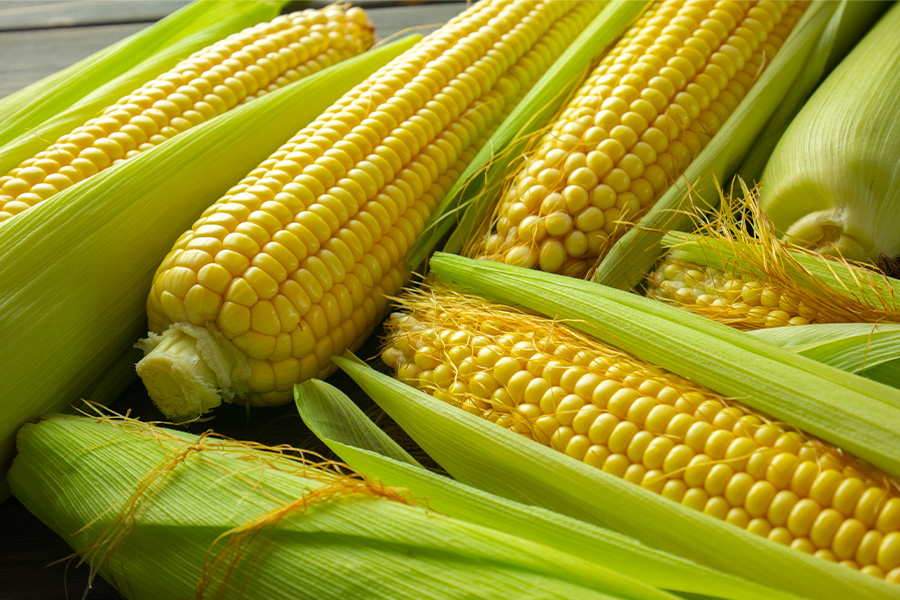
Sweet corn is not difficult to grow and, by following the cultural guidelines provided in this publication, you too can enjoy this sweet delicacy.
|