Horticulture Resources
-
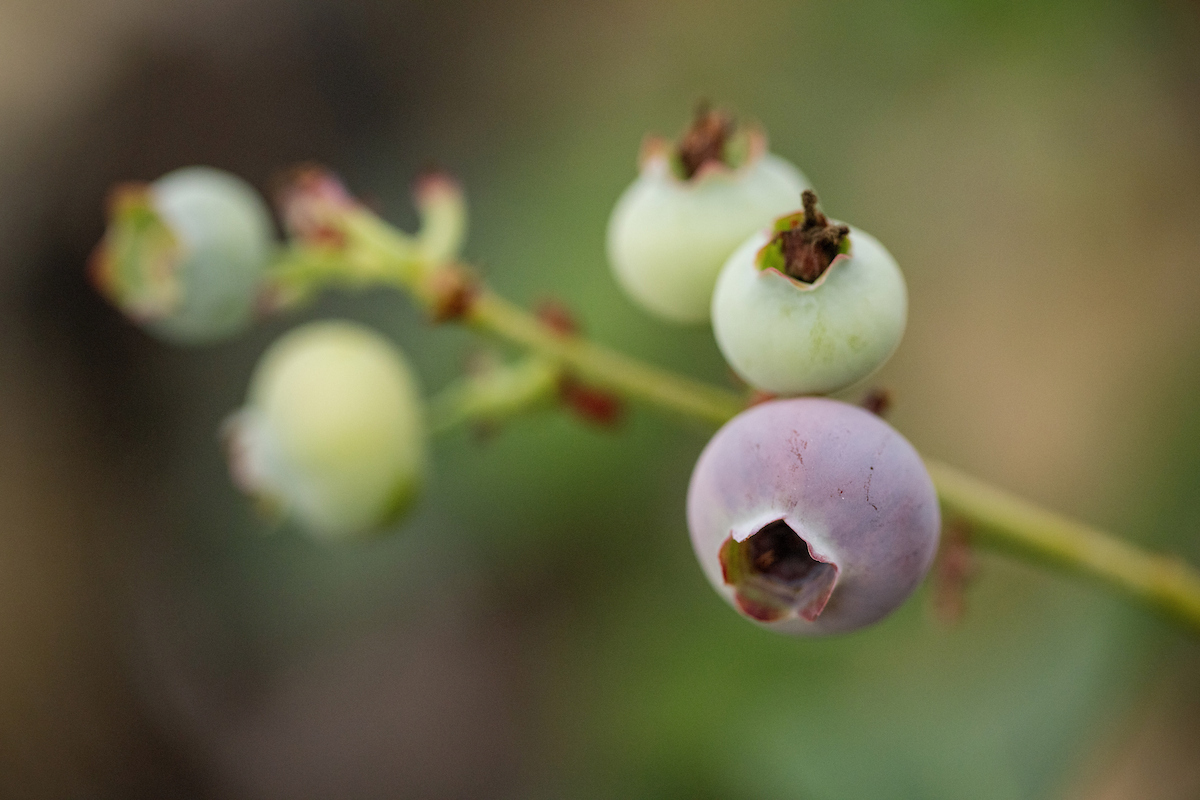
Phenology refers to the sequential developmental stages, also called growth stages, that may occur in perennial plants every season. The growth stages of blueberry plants are affected by temperature, light intensity, and light duration (photoperiod). Erratic weather can impact the plant’s developmental phases. The different types of cultivated blueberries—northern highbush, southern highbush, lowbush, and rabbiteye—all possess a similar response to temperature, light levels, and photoperiod. Yield is directly related to flower bud initiation and differentiation. Therefore, growers must identify and differentiate flower buds from vegetative buds and understand their functions in order to apply the best practices from planting to harvesting.
|
-
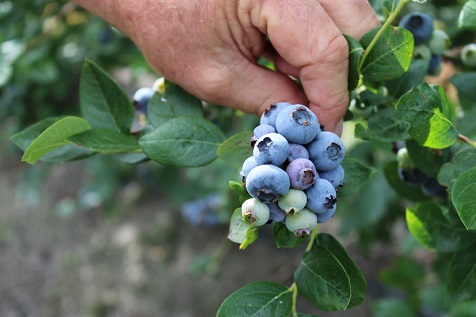
This publication will inform growers about the factors that can affect blueberry fruit set, development, and ripening. As weather patterns are shifting, it is important to keep in mind that environmental factors influence plants’ physiological and developmental processes and understand how that translates into fruit quality each harvest season.
|
-
B 1490
Vineyard Frost Protection
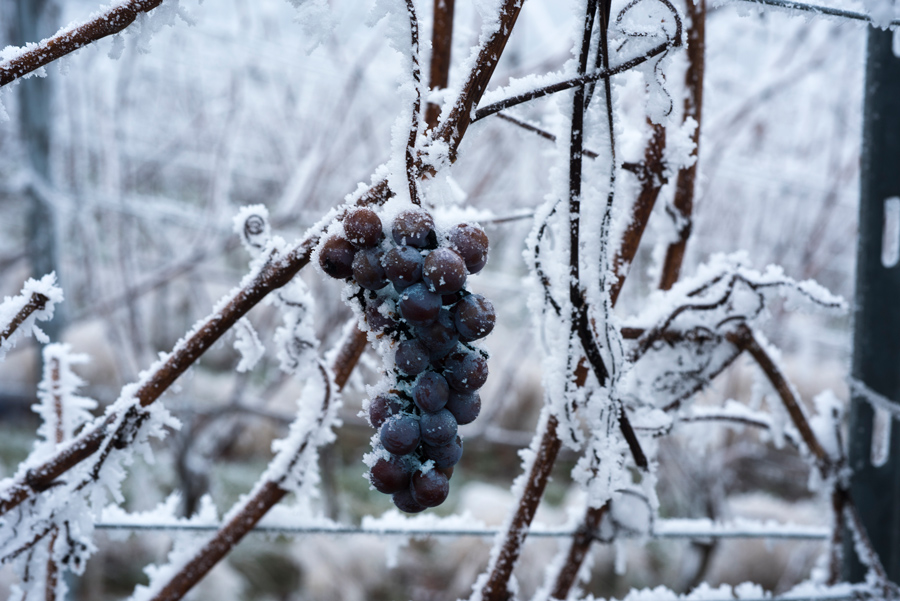
The vineyard industry is growing across Georgia and across the Eastern United States. Frost is a perennial threat in these regions, and reducing frost risk can save approximately $48,000 per acre in return revenues. Since many growers new to the industry will be planting vineyards, it is important that they are aware of the risk of frost and ways to avoid it. This bulletin also serves as a good reference for current industry members who are unaware of the risk of frost or who want more information on how to manage its risk. This publication covers all aspects of vineyard frost protection, including weather patterns that cause frost/freeze damage, as well as passive and active methods that can be employed to reduce frost risk.
|
-
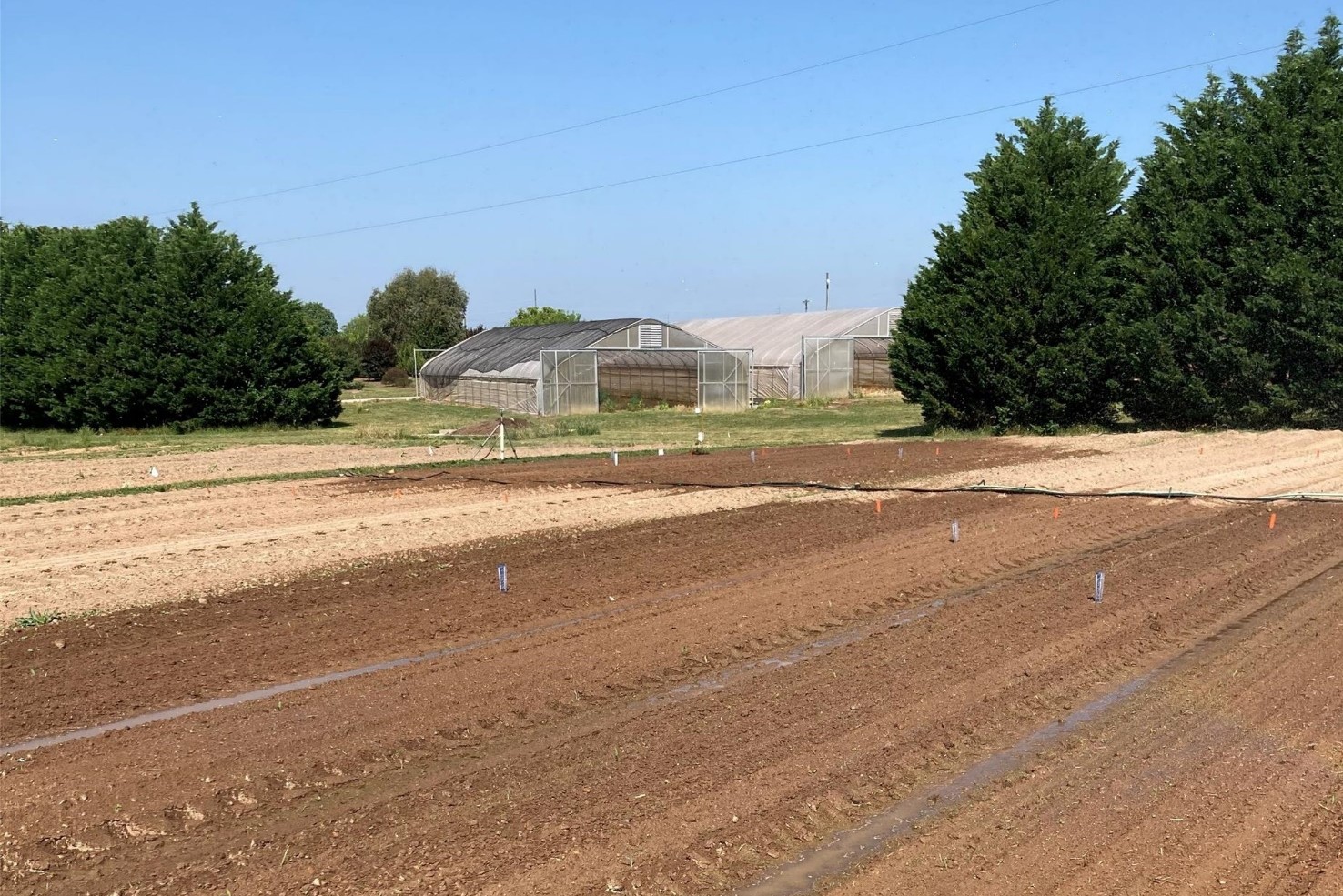
This publication highlights some of the ongoing research into using SSDI in organic vegetable crop production. SSDI facilitates cultivation without harming drip tubing and limits surface soil wetting, which may also reduce weed pressure. Prior research has shown that SSDI offers some advantages over surface-placed drip tubing in conventionally grown crops (Coolong, 2016).
|
-
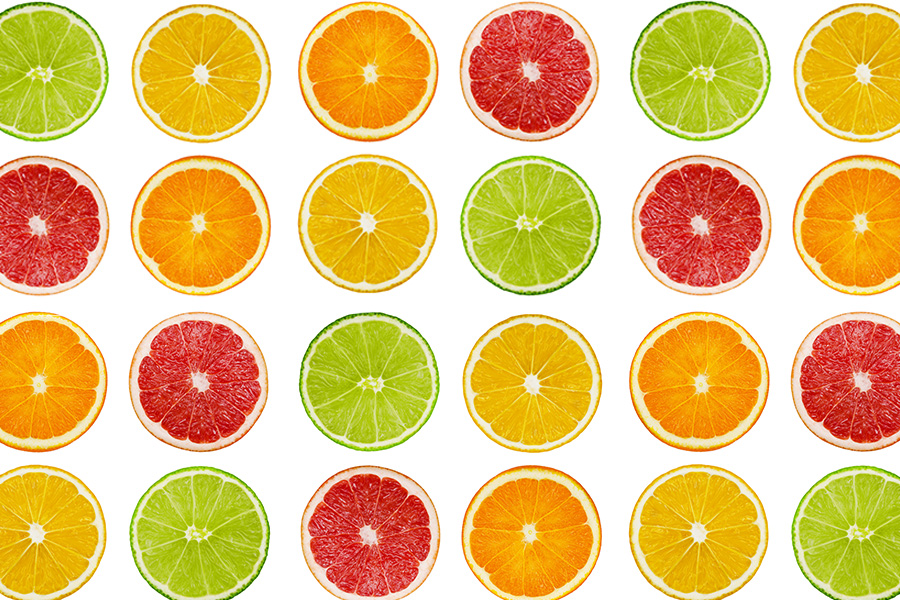
Dooryard citrus has been grown in Georgia for decades, but growing citrus commercially is new to Georgia growers. This publication addresses problem prevention, maintenance, insects, diseases, and some physiological issues of concern in Georgia. The time of year to address maintenance, insects, disease, and physiological issues is projected. Many of the production practices in Georgia are similar to those in Florida, but some, such as timing of fertility, are different. Many of the known insects and diseases of citrus have been confirmed in Georgia while others are yet to be confirmed. As new citrus trees and varieties are brought in from citrus nurseries in Georgia and other states, more production issues will arise. Many issues covered in this publication may not be present in all commercial groves, and other issues will certainly arise. Many citrus management problems can be prevented by proper planting techniques and by selecting the best citrus varieties and rootstocks adapted to our location. Planting healthy, disease-free citrus trees in appropriate sites with adequate windbreaks and irrigation may prevent future issues and limit the need for many pesticide applications.
|
-
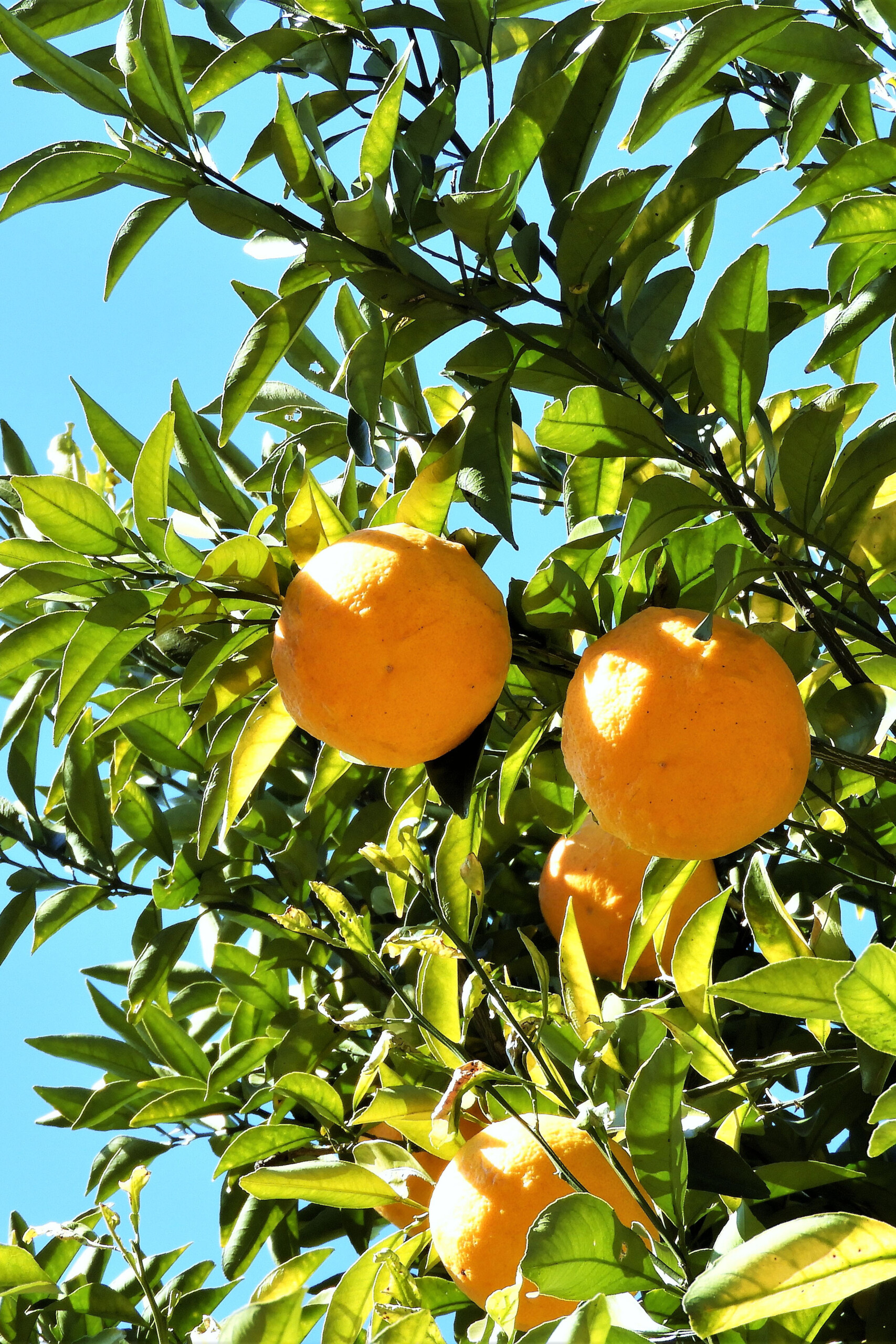
One of the most common questions regarding citrus is how much cold weather they can withstand before they are killed. Most citrus growers are looking for a specific low temperature, but there is no simple answer to this question because there are so many factors involved in citrus cold hardiness. This publication details research and information on the relative cold hardiness of different citrus varieties in Georgia documented from the 2022 December freeze, which saw unseasonably low temperatures. It is important to document the impact of a freeze such as this one on citrus varieties as they are a long-term investment and should be chosen carefully. Additional authors include: Danielle Williams, Mark Frye, Derrick Bown, Jason Edenfield, Justin Shealey, Ben Reeves, Holly Anderson, Tucker Price, Braxton Crews, and Kim Post.
|
-
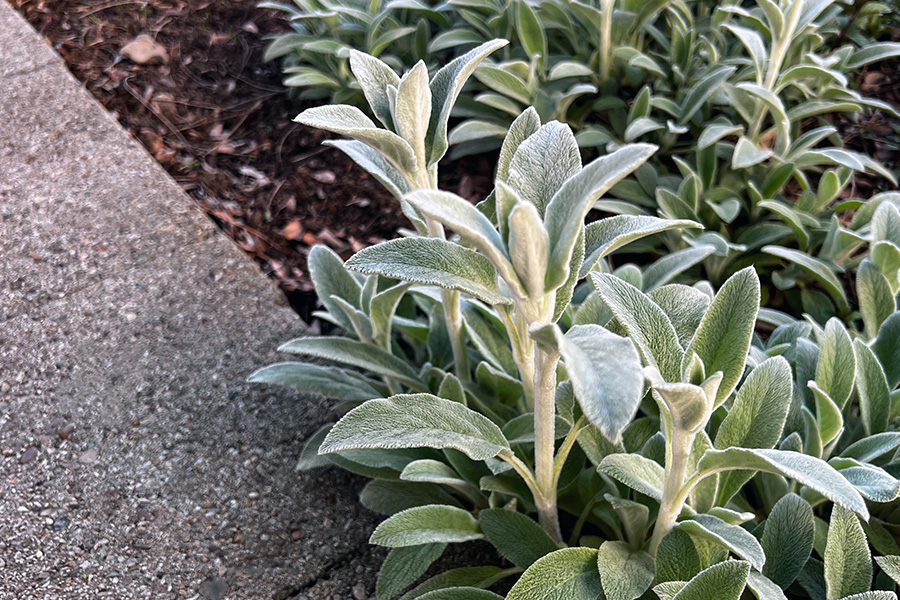
Ground covers have many practical uses. Some can be used to control erosion when planted on slopes or banks. Others are effective lawn substitutes in areas that are too shady to support the growth of grasses or areas that are difficult to mow. Densely growing ground covers also effectively control weeds by blocking light from reaching the ground, and some can be used as attractive accents in areas too narrow to accommodate shrubs. Ground covers also can reduce costly and time-consuming maintenance, such as mowing, edging, trimming, and mulching.
|
-
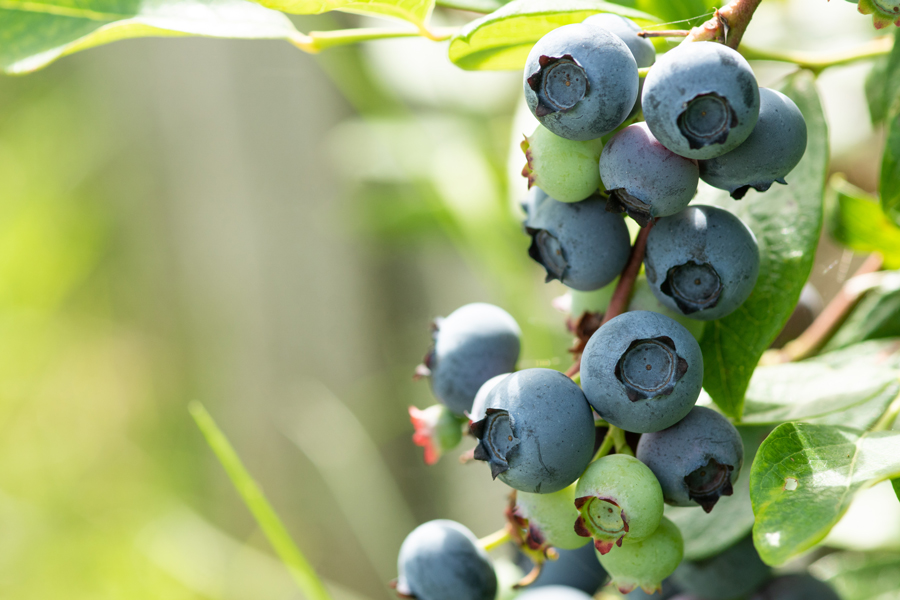
Esta circular cubre los principios básicos de cosecha, manipulación y almacenamiento en frío poscosecha de arándanos para el mercado fresco para garantizar la mayor vida útil y calidad posibles y, al mismo tiempo, minimizar las pérdidas poscosecha. Los arándanos se cosechan en Georgia desde finales de abril hasta finales de junio.
|
-
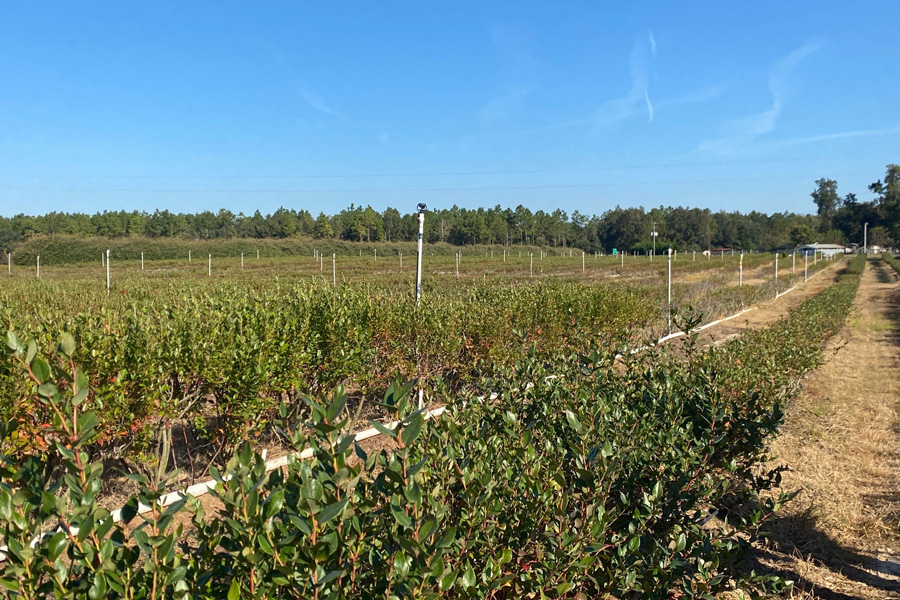
C 1267-SP
Pre-Establecimiento de Arándanos
Autora adicional: Natalia Espinoza, Department of Crop and Soil Sciences. Esta publicación cubre las consideraciones que los productores deben tener en cuenta al elegir un sitio para plantar arándanos. Describe las características del suelo que se necesitan para cultivar y producir arándanos, cómo identificar un buen suelo, su drenaje y cómo cultivos anteriores podrían afectar la productividad de los arándanos.
[This publication is the Spanish-language version of C 1267, Blueberry Pre-Establishment, and covers the considerations producers need to have in mind when choosing a site to plant blueberry. It describes the soil characteristics that are needed to grow and produce blueberry, how to identify good soil, soil drainage, and how prior crops could affect blueberry productivity.]
|